12 min. read
Part 1
Articulation or bowing on the trumpet
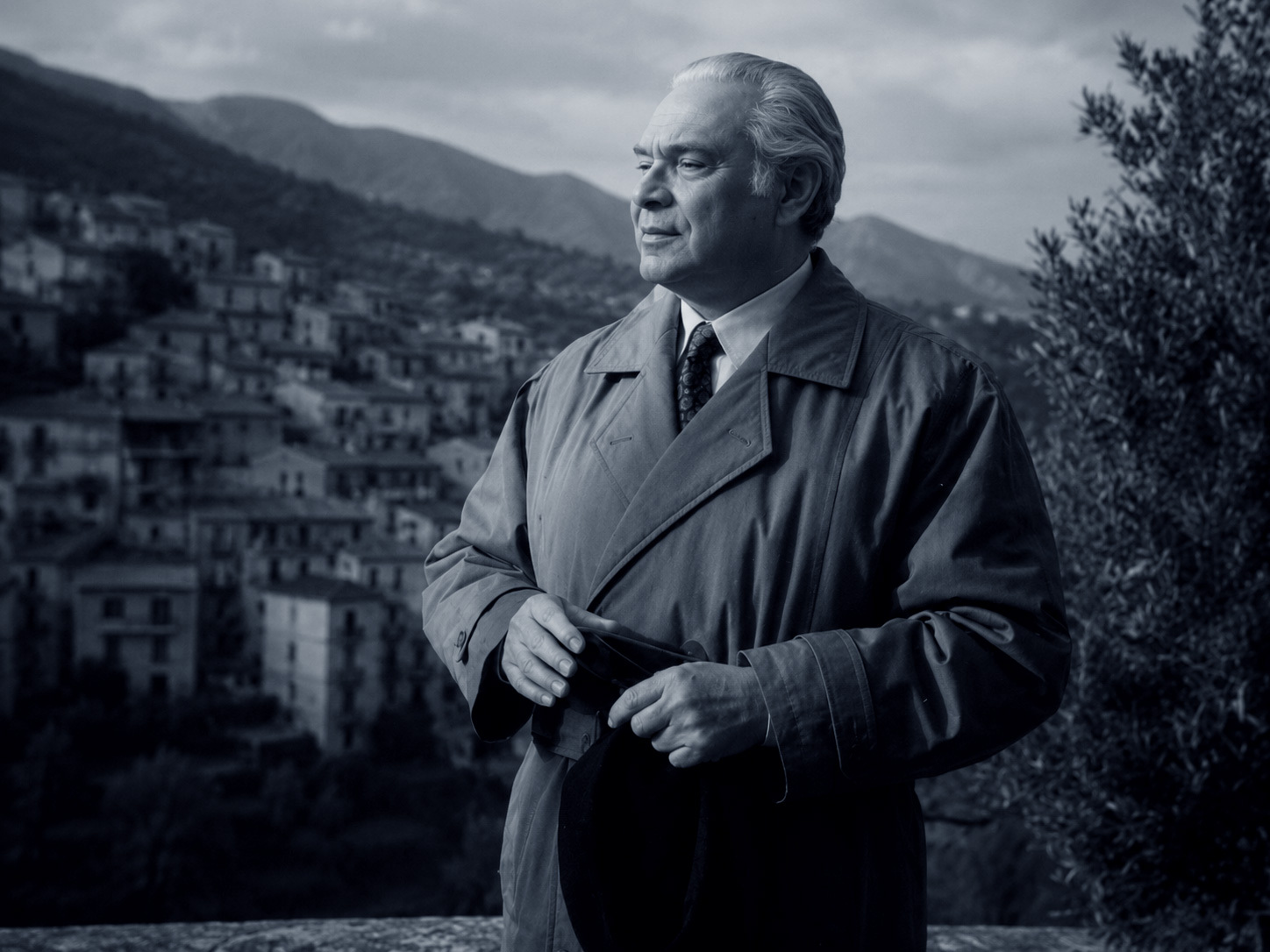
Timofey Dokshitser, the famous solo trumpet of the Bolshoi Theatre in Moscow, here presents an in-depth study of one of the most fundamental aspects of instrumental performance. Like all great masters he concentrates on precisely those elements which most musicians neglect because they consider them "too simple". This article, although addressed to trumpet players, will certainly give inspiration to all other brass players. This article first appeared in Russian in part 4 of "Method for Teachers of Wind Instruments", published in 1976 by Muzyka Editions of Moscow and has been translated, with permission, by Romain Brot (French), Max Sommerhalder (German), and David Todd (English).
The Russian term "shtrikh" (strings — "bowing", wind instruments — "articulation") was borrowed by violinists from painting at some stage. The arm movements of the violinist and the artist had something in common. Soon the term acquired the meaning of such-and-such a technique of playing and its use spread among string players. It spread to wind players through contact in the orchestra. For a long time, however, its sense remained very general and nonspecific. The topic was not dealt with in educational literature until after the war. Wind players are turning more and more frequently to the question of the terminology of various kinds of articulation and are trying to get to the root of these techniques of performance and to understand the peculiarities of how they sound.
In published educational works many writers refer to the problem of articulation, especially as it has not yet been explained in enough depth or with enough clarity. This is certainly not fortuitous, for it is a complex subject. Talking about articulation means addressing almost all the problems connected with wind playing.
In this study¹ the author sets himself the task of describing articulations precisely and defining their distinguishing features, based on various ways of articulating, holding, ending and joining notes. The study deals with the terminology which has come into use — not always correct, in some cases wrong.
You may ask, "Do we have to discuss this subject? Do we need articulation at all?" For distinguished performers of the past such as W. Wurm, E. Trognet, W. Brandt, M. Tabakov and M. Adamov played magnificently although the question of articulation was not then dealt with in teaching methods. But of course in every field of art there have been talents who have discovered and applied the laws of their trade by intuition. Similarly, distinguished actors worked on the stage without knowing the systems of Stanislavskiy; their work was based on — largely intuitive — skilled methods; it preceded the theory, which later generalised the practical achievements and gave them a scientific basis.
Contemporary practice requires that the work of the specialist professional should have a scientific, methodical basis. A thorough study and awareness of the use of articulation will help to overcome difficulties in playing the trumpet, save time spent searching for the right technique by intuition and will generally lead to an improvement in performing skill. The analysis, classification and terminology of articulation on the trumpet is also of significance to players of other instruments.
Brass Bulletin 30, II / 1980 pages 23–31
All content is protected by copyright © Brass Bulletin 1980–2026