Explore institutional access →

Teaching

110 articles
Editorial Free
No. 41 • 1983 Digitized

Editorial

When careers pause and certainty fades, real progress begins in private, where discipline, friendship and chamber music reshape what it means to be a musician.

By Jean-Pierre Mathez

Professional life Teaching Mental approach Brass Ensemble Ideas
No. 57 • 1987 Awaiting digitization

José de Juan Martínez's tutor for the circular hand-stopped trumpet (1830)

By Beryl Kenyon De Pascual

History Teaching
Free
No. 4 • 1973 Digitized

The lead trumpet player

A survey of training, practice and equipment

Article on lead trumpet playing, covering training, practice methods and equipment for achieving accuracy, endurance and style.

By John Harding

Technique Equipment Encounters Teaching Sound Breathing Mouthpiece Freelance
No. 69 • 1990 Awaiting digitization

The Horn and Piano Duo

By Hermann Baumann

Repertoire Teaching
Member
No. 14 • 1976 Digitized

Composer Interpreter Teacher Student

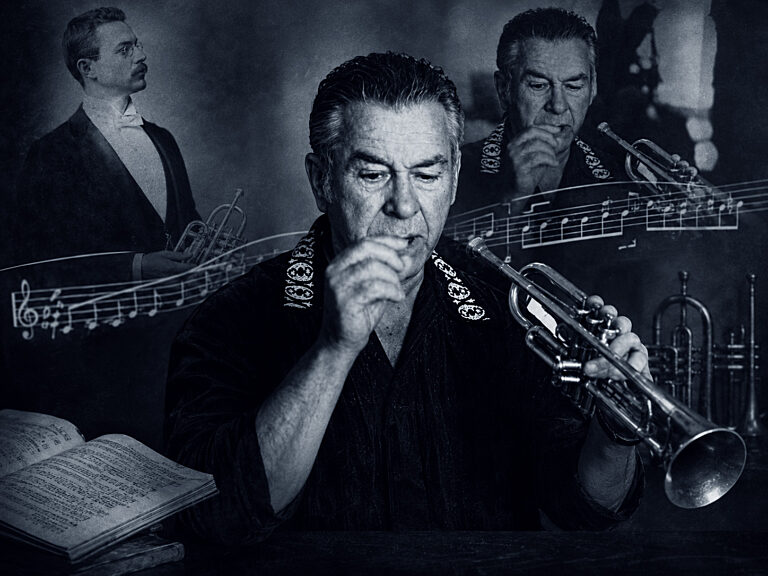
Clains and demands in musical life today

What is the musician’s role today? Willi Gohl questions creation, teaching, and society—and argues for a more human, free, and living music.

By Willi Gohl
Teaching Society Sociology Ideas
Practical Hints Free
No. 33 • 1981 Digitized

Part 4

Practical Hints

A single Clarke study becomes a lesson in note placement, breath control and continuity, as James Stamp reshapes a familiar exercise through preparation.

By James Stamp

Technique Teaching Range Breathing
Practical Hints Free
No. 31 • 1980 Digitized

Part 2

Practical Hints

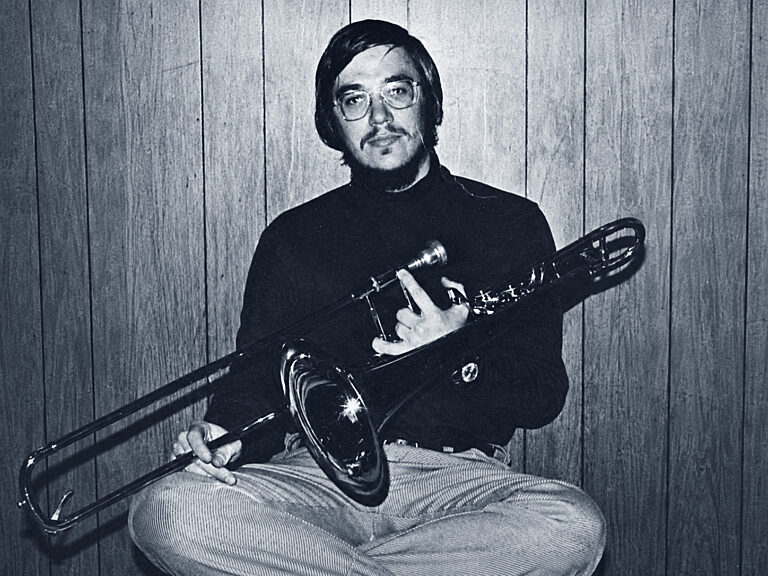
A simplified preparation method adapted from Herbert L. Clarke links transposition, tempo variation and repetition to technical fluency and mental anticipation.

By James Stamp
Technique Teaching
A brief glimpse at the USSR Free
No. 14 • 1976 Digitized

A brief glimpse at the USSR

What does a musical trip to the USSR reveal? Between discipline, powerful sound, and vivid exchanges, this account uncovers a different brass culture.

By Thomas Everett

Report Teaching Russian school Orchestral playing
No. 102 • 1998 Awaiting digitization

Part 3

James Stamp Master in listening

James Stamp required his students to play his warm-ups and studies with the same emphasis on tone quality and musicality that they would give to the playing of a concerto

By Jean-Christophe Wiener

Teaching
Editorial Free
No. 27 • 1979 Digitized

Editorial

Virtuosity is framed less as method than perception, opposing formula-driven teaching and pointing to attentive listening as the ground for technical clarity and artistic control

By Jean-Pierre Mathez

Teaching Society Sociology Ideas
No. 104 • 1998 Awaiting digitization

Vincent Cichowicz grand master of trumpet teaching

By Wolfgang Guggenberger

Encounters Teaching
No. 63 • 1988 Awaiting digitization

B.E.R.P ?

Interview with Mario Guarneri

By Jean-Pierre Mathez
Technique Equipment Teaching
The founders of the French Trumpet School Member
No. 29 • 1980 Digitized

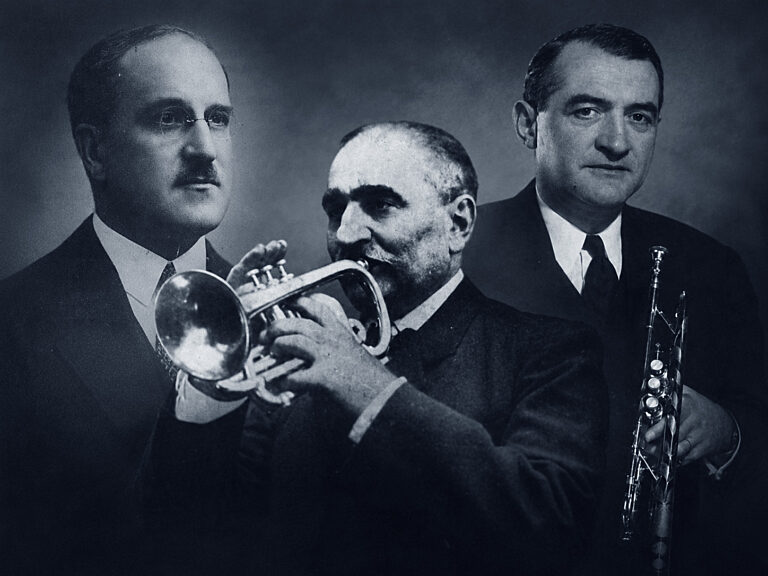
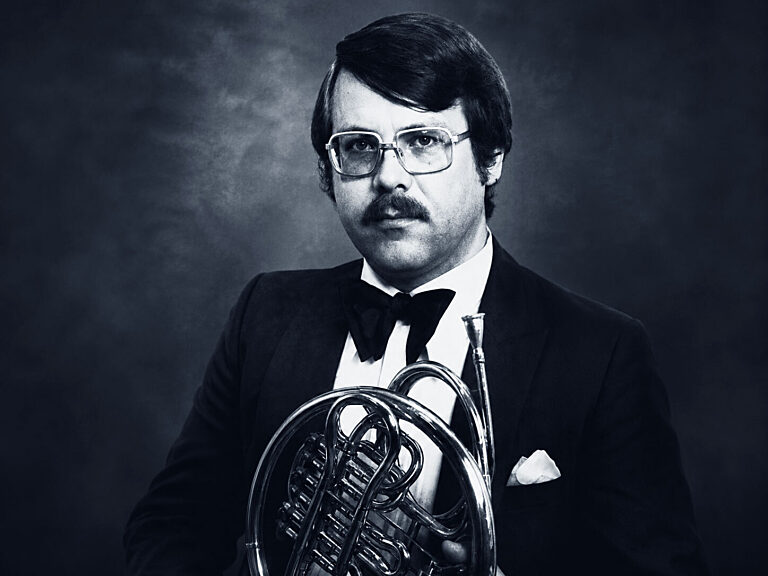
The founders of the French Trumpet School

Merri Franquin, Eugène Foveau and Raymond Sabarich

Franquin, Foveau and Sabarich appear through their Paris careers, teaching legacies, recordings and role in shaping modern French trumpet playing.

By Michel Laplace
History Teaching French school Sound Breathing
Interview with Hans Pizka Free
No. 36 • 1981 Digitized

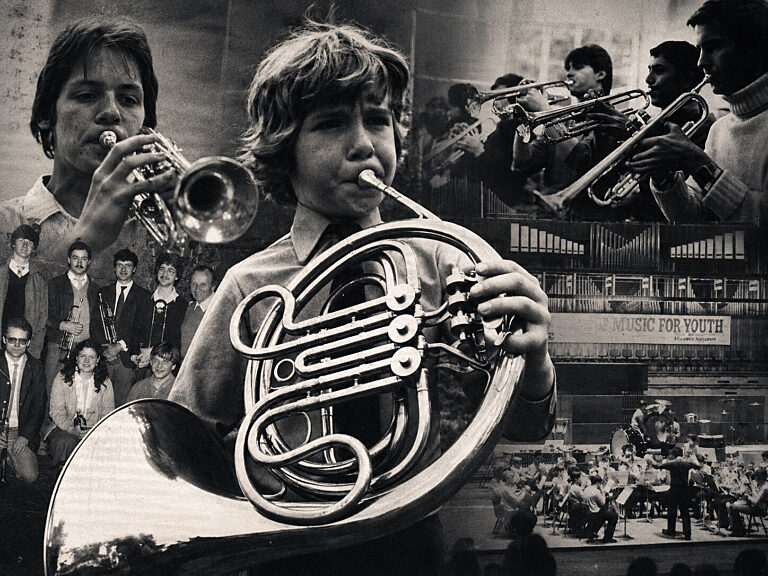
Interview with Hans Pizka

From Vienna horn traditions and natural-horn training to orchestral style and pedagogy, Hans Pizka reflects on the foundations of horn playing and musical identity.

By Jeffrey Agrell
Encounters Teaching Equipment Historical instruments Orchestral playing
British brass players training Member
No. 54 • 1986 Digitized

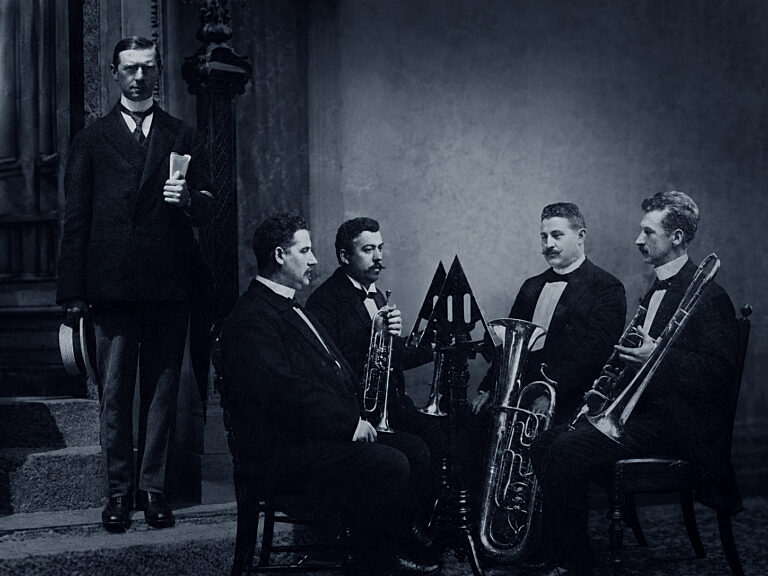
British brass players training

In 1980s Britain, brass bands, state schools and conservatoires offered different paths into music, while rising standards collided with shrinking budgets and uncertain careers.

By Thomas Aitken
Teaching Professional life Auditions
Anton Hansen (1877-1947) Member
No. 29 • 1980 Digitized

Part 3

Anton Hansen (1877-1947)

Father of trombone playing in Scandinavia

From Sibelius to Paris, Anton Hansen’s later career links Scandinavian trombone playing with French repertoire, teaching, and orchestral reform.

By Per Gade

History Teaching French school Orchestral playing
No. 117 • 2002 Awaiting digitization

Part 3

A player’s first years

Oral instruction, written instruction

By Jean-Pierre Mathez

Teaching Technique
Relaxation and musical performance Free
No. 29 • 1980 Digitized

Relaxation and musical performance

Breath, fingers and muscular tension form a hidden technical chain in wind playing, as Michel Ricquier links virtuosity to bodily awareness.

By Michel Ricquier

Health Teaching Nerves Breathing Interpretation
No. 113 • 2001 Awaiting digitization

Part 1

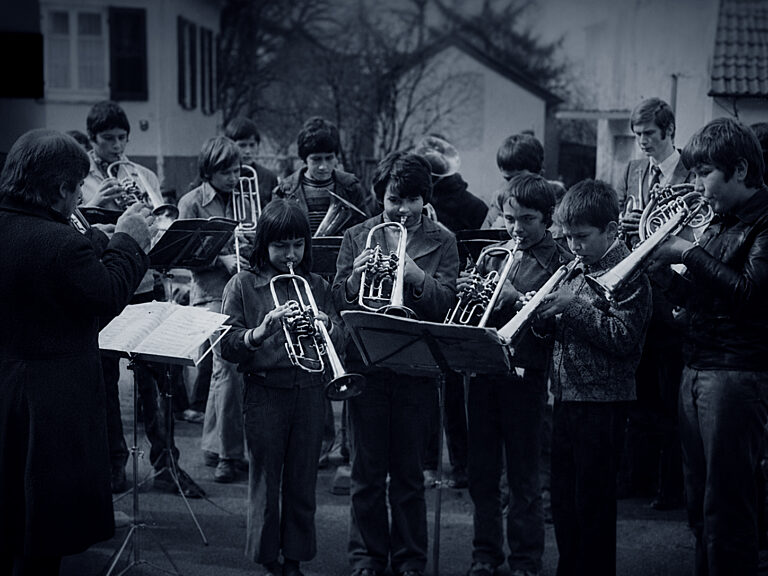
Basic instruction: a lottery?

First lessons

By Jean-Pierre Mathez
Teaching
Working with the Posaunenchor Free
No. 34 • 1981 Digitized

Working with the Posaunenchor

From Württemberg youth groups to mass brass gatherings in Ulm, a community tradition links faith, education and amateur brass playing across generations.

By Max Sommerhalder
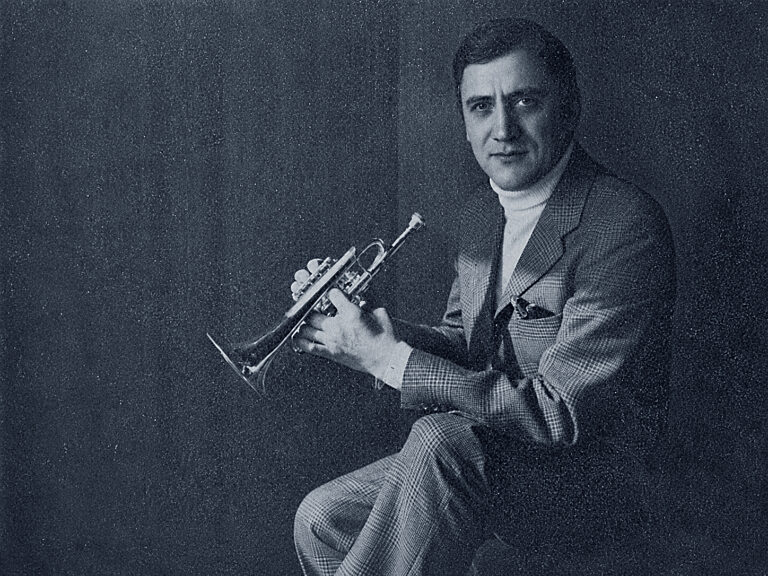
Teaching Society Brass Ensemble Sociology Improvisation Band
Singing lessons for brass players? Member
No. 5 • 1973 Digitized

Singing lessons for brass players?

Explores how vocal training can benefit brass players, improving breathing, phrasing, tone production and musical expression.

By Heinz Knodt
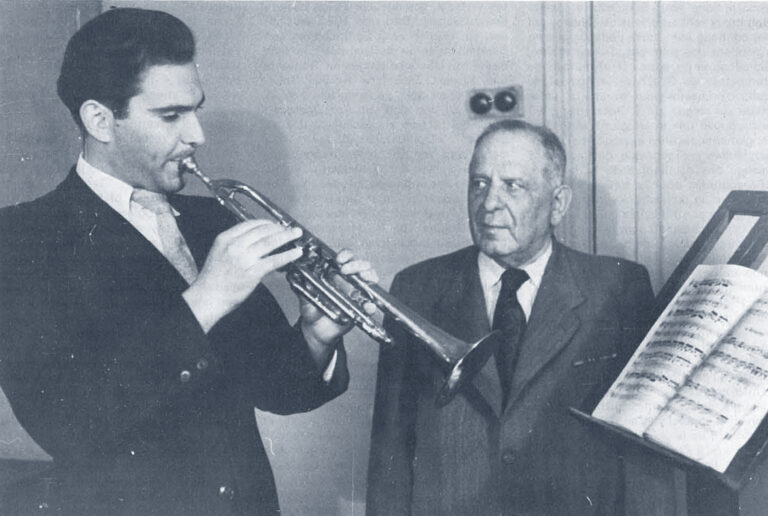
Technique Teaching Health Breathing
Mikhail Innokentiévitch Tabakov (1877-1958) Member
No. 22 • 1978 Digitized

Mikhail Innokentiévitch Tabakov (1877-1958)

Founder of the Soviet trumpet school

A towering figure of trumpet history: Tabakov shaped generations—including the legendary Timofei Dokchitzer—and laid the foundations of the Soviet trumpet school.

By G. Orvid, S. Riaouzov

History Teaching Russian school Sound Interpretation
Editorial Free
No. 34 • 1981 Digitized

Editorial

Beyond technique and instruction, musical growth depends on trusted relationships, where friendship becomes both a measure of progress and a safeguard against isolation.

By Jean-Pierre Mathez

Teaching Society Ideas Interpretation
Studying music in Hungary Free
No. 48 • 1984 Digitized

Special Hungary

Studying music in Hungary

Music education, secure jobs and modest salaries shaped a Hungarian brass culture where exceptional training coexisted with striking economic realities.

By Jean-Pierre Mathez

Teaching Professional life
Loading…

Questions & Answers

How the Digital Edition works

What does the Digital Edition include?

The Digital Edition brings together the articles already digitized as searchable online texts—not simply as scans or PDF files—along with their original illustrations, notes, authorship, issue information, and available translations. Related-article suggestions currently include only this digitized material.

Are the digital articles identical to the originals?

We preserve the original text, language, illustrations, captions, footnotes, and editorial context as faithfully as possible. The presentation is adapted for comfortable online reading, and obvious transcription or scanning errors may be corrected. The substance and character of the published article remain unchanged.

Which languages are available?

Brass Bulletin was published in English, French, and German throughout its history. Italian and Spanish translations were added from issue No. 60 onward.

On the Italian and Spanish sites, articles from issues 1–59 are therefore shown in English by default.

How often are new articles added?

New articles are added almost daily, with approximately one complete issue digitized each week. The pace may vary depending on the preparation, image work, and editorial checking required.

Why aren’t all articles available digitally?

The complete Brass Bulletin collection contains 1,246 articles published between 1971 and 2003. The full index is already available online, allowing readers to discover every article in the collection, including those whose complete text has not yet been digitized.

Digitization began in February 2026. Each article is carefully prepared for online reading, checked, and connected to its issue, authors, subjects, and illustrations. At the current pace of digitization, the complete collection is expected to be available online by February 2028.

Why do some references mention articles that are not available yet?

References in the original articles are preserved even when the material they point to has not yet been digitized. This keeps the historical and editorial record intact. As more issues are added to the Digital Edition, an increasing number of these references will lead to articles that can be read online.

Can I suggest an article or report a transcription error?

Yes. If there is an article you would particularly like to see digitized, or if you notice a possible transcription error or missing detail, please contact us. Reader feedback helps us improve the Digital Edition and prioritize useful connections within the archive.

How can I support Brass Bulletin?

Your support helps fund the preparation, verification, and online publication of the complete collection.

Subscribe to the Digital Edition

Prefer to support us without subscribing?

Make a donation

How is the digitization progressing?

We’re gradually making the Brass Bulletin available online, article by article. You can read newly digitized articles as soon as they’re ready, even before an entire issue is complete.

Visit our Digitization Roadmap to browse recent additions and see estimated availability for upcoming issues. These estimates follow our recent pace and may change.

Search Brass Bulletin.