Explore institutional access →

Teaching

110 articles

Free
No. 37 • 1982 Digitized

The Annual Competitions of the Paris Conservatoire

From commissioned works to jury voting, a long-standing examination tradition reveals how brass players progressed through the Paris Conservatoire.

By Benny Sluchin

Competition Teaching French school Contemporary Music Solo playing
The column of air Member
No. 5 • 1973 Digitized

The column of air

A System of Breathing for Brass Players

Explains the role of the air column in brass playing, focusing on breath support, airflow control and their impact on tone, articulation and sound quality.

By Robert Bouché
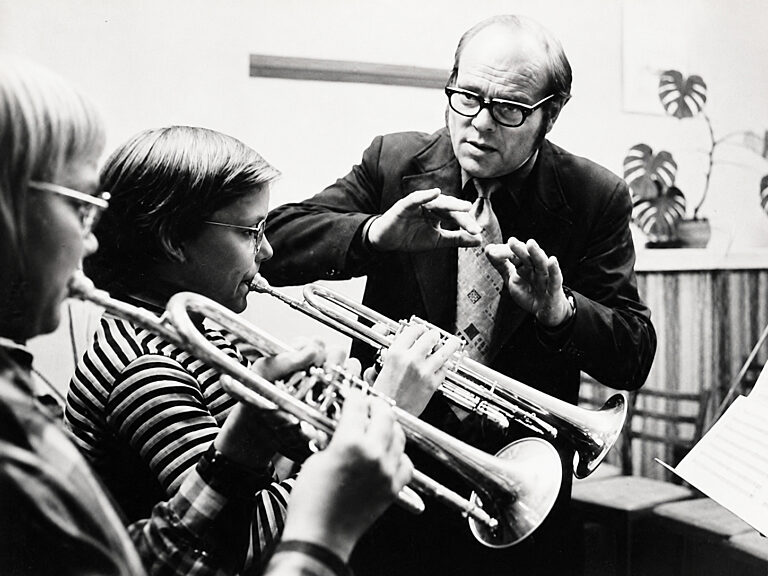
Technique Teaching Endurance Range Breathing Sound
Problems of teaching methods in brass instruction Member
No. 19 • 1977 Digitized

Problems of teaching methods in brass instruction

Talent isn’t enough. Krumpfer argues that brass teaching must align physiology, psychology, and method—only then can young players reach their true potential.

By Hans-Joachim Krumpfer

Teaching Sound
No. 86 • 1994 Awaiting digitization

Part 2

French cornet methods published before Arban's Complete Grand Method for Cornet and Saxhorn

By Friedrich Anzenberger

History Repertoire Teaching
No. 58 • 1987 Awaiting digitization

Part 1

Jazz Improvisation

Major scalem chord-scale relationship

By Charlie Shoemake

Repertoire Teaching
Editorial Free
No. 44 • 1983 Digitized

Editorial

Music teaching depends on more than routine: in 1984, Jean-Pierre Mathez argues that living contact with artists keeps transmission open to new generations.

By Jean-Pierre Mathez
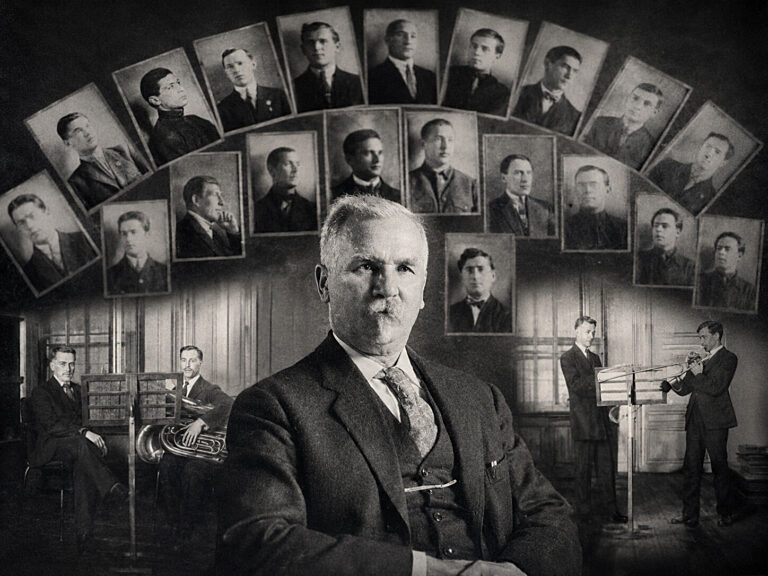
Teaching Ideas Mental approach
Pyotr Naumovich Volkov (1877-1933) Member
No. 37 • 1982 Digitized

Pyotr Naumovich Volkov (1877-1933)

First trombone professor at St. Petersburg Conservatory

From imperial St. Petersburg to Soviet Leningrad, Volkov shaped a distinctive Russian trombone tradition through performance, teaching and generations of pupils.

By Viktor Sumerkin

History Teaching Russian school Orchestral playing Sound
No. 94 • 1996 Awaiting digitization

Let us play in tune!

By Jean-Pierre Mathez

Technique Teaching
No. 64 • 1988 Awaiting digitization

On my desktop...

Special USSR

By Timofey Dokschidser

Encounters Teaching
No. 85 • 1994 Awaiting digitization

Part 1

French cornet methods published before Arban's Complete Grand Method for Cornet and Saxhorn

By Friedrich Anzenberger

History Repertoire Teaching
No. 59 • 1987 Awaiting digitization

Part 2

Jazz Improvisation

The harmonic minor scale

By Charlie Shoemake

Repertoire Teaching
No. 101 • 1998 Awaiting digitization

Part 2

James Stamp Master in listening

Buzzing: practicing with the lips alone

By Jean-Christophe Wiener
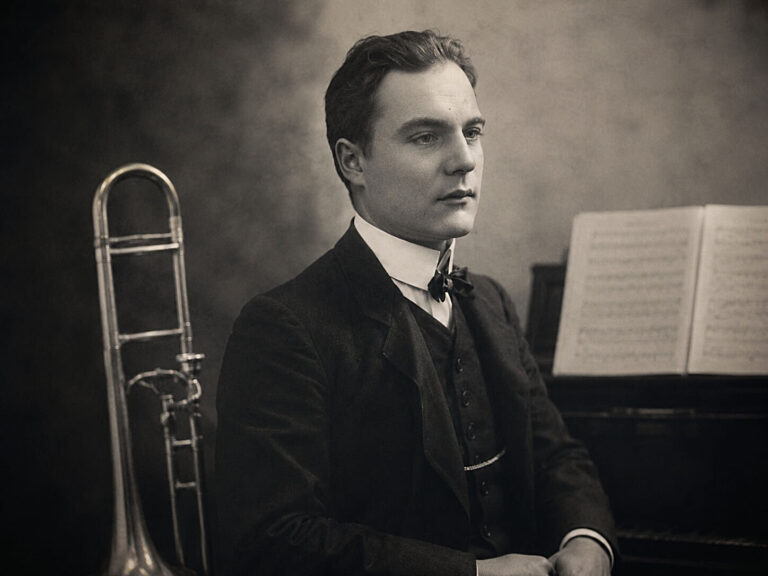
Teaching
Vladislav Mykhaylovich Blazhevich (1881-1942) Free
No. 38 • 1982 Digitized

Vladislav Mykhaylovich Blazhevich (1881-1942)

Trombonist, Composer and Teacher

From village band to the Moscow Conservatoire and the Bolshoi, a lifelong commitment to performance, teaching and wind music shaped Soviet trombone tradition.

By Viktor Sumerkin

History Teaching Russian school Orchestral playing Brass Ensemble
No. 100 • 1997 Awaiting digitization

Part 1

James Stamp Master in listening

By Jean-Christophe Wiener

Teaching
No. 102 • 1998 Awaiting digitization

About my “48 Lyric Studies”

By Thomas Stevens
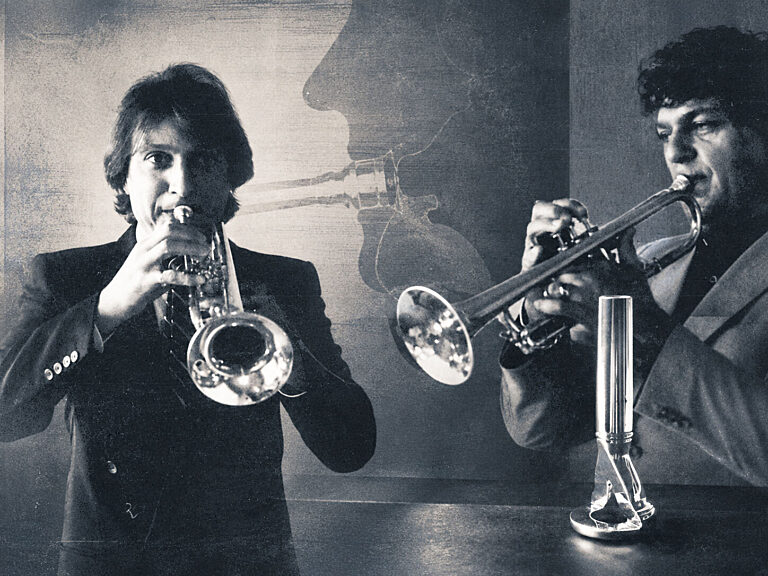
Repertoire Teaching
Science in the service of music Member
No. 47 • 1984 Digitized

Science in the service of music

Interview with René Périnelli

Where trumpet teaching once relied on intuition, René Périnelli and Jean-Jacques Greffin brought physiology, medical imaging and science into daily practice.

By Jean-Pierre Mathez

Teaching Research Breathing Tongue Mouthpiece
No. 87 • 1994 Awaiting digitization

Part 3

French cornet methods published before Arban's Complete Grand Method for Cornet and Saxhorn

By Friedrich Anzenberger

History Repertoire Teaching
No. 118 • 2002 Awaiting digitization

Part 4

A player’s first years

The opinion of an expert

By Horst Rapp

Teaching Technique
Akim Alexeyevich Kozlov Member
No. 40 • 1982 Digitized

Akim Alexeyevich Kozlov

A Trombone Artist

Behind decades of orchestral excellence, one trombonist shaped a school of playing whose influence reached far beyond Leningrad and the concert hall.

By Anatoly Barantsev
Encounters Teaching Russian school Orchestral playing Intonation
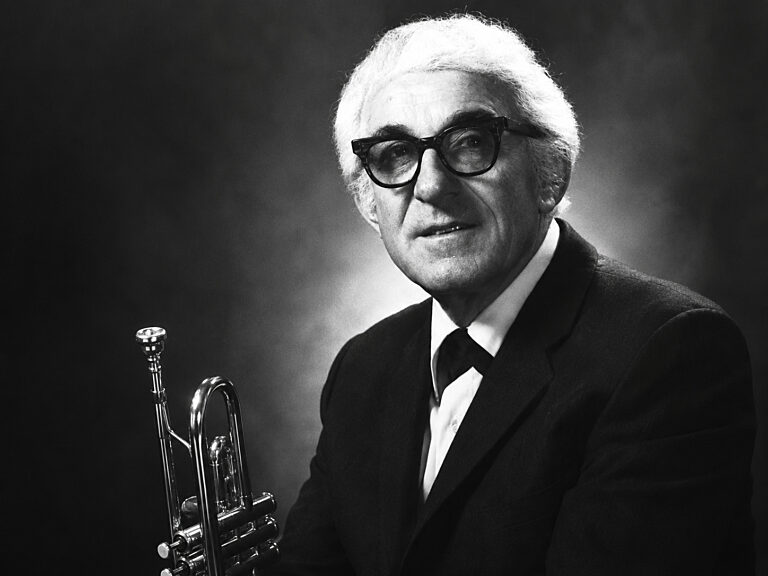
The attack Member
No. 41 • 1983 Digitized

The attack

Precision often begins with doing less, not more—a principle Louis Davidson places at the heart of trumpet playing with surprising practical consequences.

By Louis Davidson
Technique Teaching Articulation Tongue Breathing
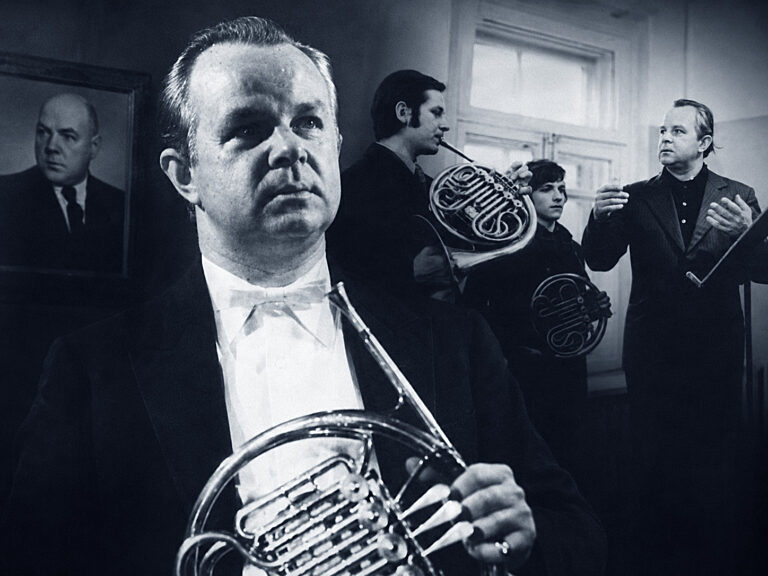
The Leningrad School of Horn Playing Member
No. 27 • 1979 Digitized

The Leningrad School of Horn Playing

From St. Petersburg to the Soviet era, generations of horn players shaped a distinctive approach to sound, interpretation, and orchestral playing.

By Frøydis Ree Wekre
History Teaching Russian school Interpretation Sound
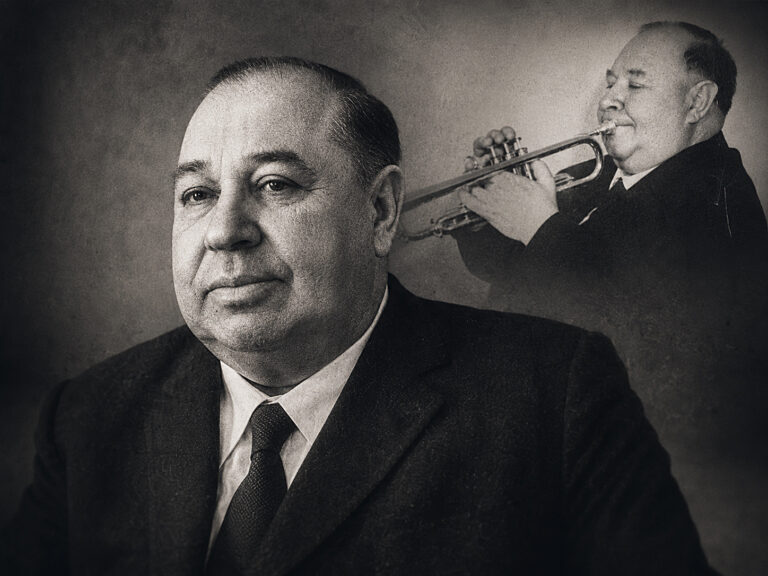
Sergey Nikolaevich Yeryomin (1903-1975) Free
No. 42 • 1983 Digitized

Sergey Nikolaevich Yeryomin (1903-1975)

The Distinguished Soviet Trumpeter and Teacher

Between Soviet military bands, the Bolshoi and the Moscow Conservatory, Yeryomin helped shape a trumpet tradition in which virtuosity remained a means, not an end.

By Yuri Usov

Encounters Teaching Russian school Orchestral playing Interpretation
A talk with Rolf Quinque Free
No. 14 • 1976 Digitized

A talk with Rolf Quinque

What if strength is the wrong approach? Rolf Quinque traces his shift from force to mastery through controlled breathing, discipline, and relaxed playing.

By Jean-Pierre Mathez

Technique Teaching Breathing Endurance Range
No. 101 • 1998 Awaiting digitization

The Royal Academy of Music and its tradition

By John Humphries

History Teaching
Loading…

Questions & Answers

How the Digital Edition works

What does the Digital Edition include?

The Digital Edition brings together the articles already digitized as searchable online texts—not simply as scans or PDF files—along with their original illustrations, notes, authorship, issue information, and available translations. Related-article suggestions currently include only this digitized material.

Are the digital articles identical to the originals?

We preserve the original text, language, illustrations, captions, footnotes, and editorial context as faithfully as possible. The presentation is adapted for comfortable online reading, and obvious transcription or scanning errors may be corrected. The substance and character of the published article remain unchanged.

Which languages are available?

Brass Bulletin was published in English, French, and German throughout its history. Italian and Spanish translations were added from issue No. 60 onward.

On the Italian and Spanish sites, articles from issues 1–59 are therefore shown in English by default.

How often are new articles added?

New articles are added almost daily, with approximately one complete issue digitized each week. The pace may vary depending on the preparation, image work, and editorial checking required.

Why aren’t all articles available digitally?

The complete Brass Bulletin collection contains 1,246 articles published between 1971 and 2003. The full index is already available online, allowing readers to discover every article in the collection, including those whose complete text has not yet been digitized.

Digitization began in February 2026. Each article is carefully prepared for online reading, checked, and connected to its issue, authors, subjects, and illustrations. At the current pace of digitization, the complete collection is expected to be available online by February 2028.

Why do some references mention articles that are not available yet?

References in the original articles are preserved even when the material they point to has not yet been digitized. This keeps the historical and editorial record intact. As more issues are added to the Digital Edition, an increasing number of these references will lead to articles that can be read online.

Can I suggest an article or report a transcription error?

Yes. If there is an article you would particularly like to see digitized, or if you notice a possible transcription error or missing detail, please contact us. Reader feedback helps us improve the Digital Edition and prioritize useful connections within the archive.

How can I support Brass Bulletin?

Your support helps fund the preparation, verification, and online publication of the complete collection.

Subscribe to the Digital Edition

Prefer to support us without subscribing?

Make a donation

How is the digitization progressing?

We’re gradually making the Brass Bulletin available online, article by article. You can read newly digitized articles as soon as they’re ready, even before an entire issue is complete.

Visit our Digitization Roadmap to browse recent additions and see estimated availability for upcoming issues. These estimates follow our recent pace and may change.

Search Brass Bulletin.