Explore institutional access →

Teaching

110 articles
Editorial Free
No. 53 • 1986 Digitized

Special Finland

Editorial

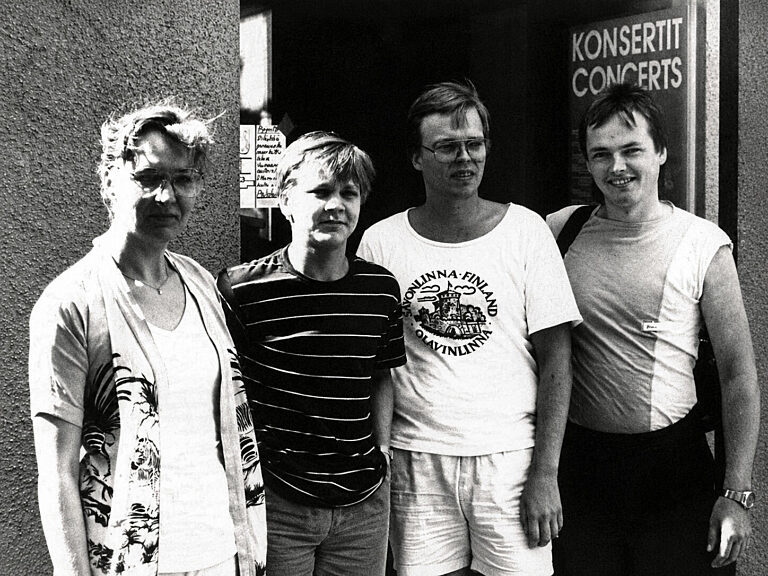
In 1980s Finland, distance and long summers helped turn brass education into a national network, with Lieksa emerging as an unlikely meeting point.

By Jean-Pierre Mathez
Report Teaching Sociology
Science and Technology in Trombone Teaching Free
No. 41 • 1983 Digitized

Science and Technology in Trombone Teaching

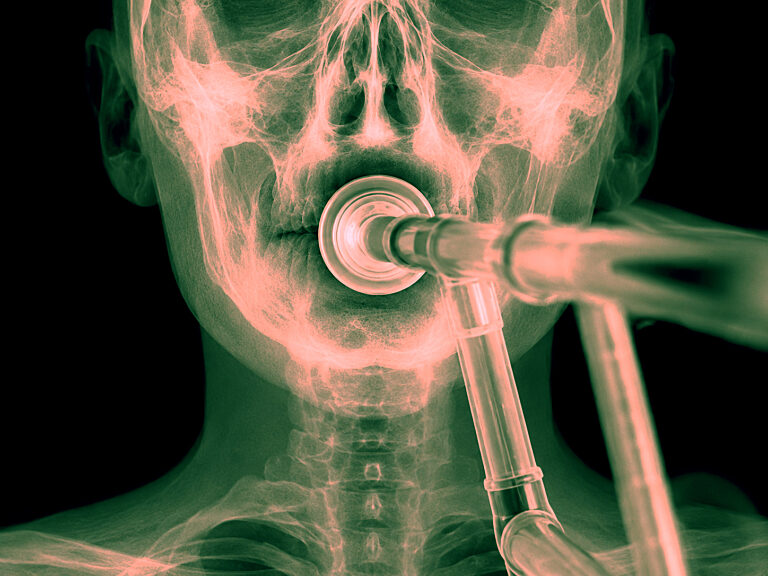
What if tone production depended less on instinct than on understanding how the instrument, the lips and the air function as one interconnected system?

By Sergej Gorovoj
Teaching Acoustics Sound Breathing Tongue
Editorial Free
No. 29 • 1980 Digitized

Editorial

At the dawn of the 1980s, Brass Bulletin challenges institutional habits, avant-garde rigidity and brass pedagies through a direct appeal to younger musicians.

By Jean-Pierre Mathez

Society Teaching Sociology Ideas
Editorial Free
No. 45 • 1984 Digitized

Editorial

Between disciplined practice and creative folly, musicianship emerges where scales and systems give way to imagination, instinct and the unsettling freedom to think.

By Jean-Pierre Mathez

Teaching Technique Mental approach Interpretation Ideas
No. 120 • 2002 Awaiting digitization

Part 6

The instrumental player’s maintenance and development

The opinion of an expert

By James Thompson
Teaching
ASA-Method Free
No. 29 • 1980 Digitized

ASA-Method

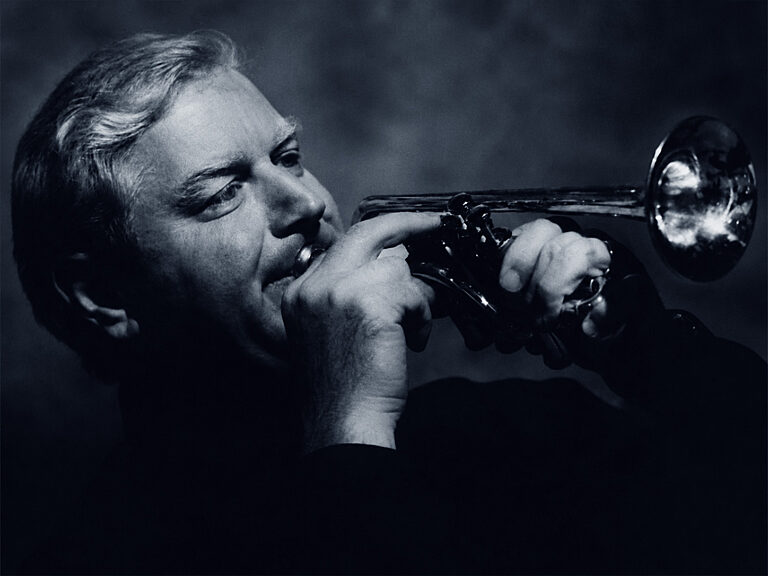
From Bach’s clarino tradition to modern piccolo trumpet playing, extreme high-register technique is tied here to breath support, pressure control and disciplined endurance.

By Rolf Quinque

Technique Teaching Breathing Range Endurance
No. 105 • 1999 Awaiting digitization

Part 6

James Stamp Master in listening

By Jean-Christophe Wiener

Teaching
No. 67 • 1989 Awaiting digitization

Thoughts on being your own teacher

By Frøydis Ree Wekre

Teaching
Editorial Free
No. 32 • 1980 Digitized

Editorial

Progress by Stages

Between technical routine and lived experience, musical growth emerges through setbacks, observation and the gradual shaping of an individual voice.

By Jean-Pierre Mathez

Teaching Health Nerves Interpretation Ideas
Blowing as a body function Member
No. 34 • 1981 Digitized

Blowing as a body function

Breathing habits, posture and body mechanics converge in a practical view of tone production, where William F. Cramer questions prevailing assumptions.

By William F. Cramer

Technique Teaching Breathing Sound Articulation
No. 103 • 1998 Awaiting digitization

Part 4

James Stamp Master in listening

Small details make a big difference...

By Jean-Christophe Wiener

Teaching
Member
No. 32 • 1980 Digitized

Brass studies in Australia

As international performers, seminars and teachers reached Australia in the late 1970s, a geographically isolated brass scene began finding its own direction.

By David O'Meara

Report Teaching Sociology Orchestral playing Contemporary Music
Practical Hints Free
No. 36 • 1981 Digitized

Part 7

Practical Hints

Tone stability remains the foundation of velocity as James Stamp reshapes a Clarke study into a preparatory exercise linking sound control with fluent technical playing.

By James Stamp

Technique Teaching
Practical Hints Member
No. 32 • 1980 Digitized

Part 3

Practical Hints

A preparatory adaptation of a Clarke technical study reframes finger technique, airflow, and efficiency through a progressive approach to daily practice.

By James Stamp

Technique Teaching
Loading…

Questions & Answers

How the Digital Edition works

What does the Digital Edition include?

The Digital Edition brings together the articles already digitized as searchable online texts—not simply as scans or PDF files—along with their original illustrations, notes, authorship, issue information, and available translations. Related-article suggestions currently include only this digitized material.

Are the digital articles identical to the originals?

We preserve the original text, language, illustrations, captions, footnotes, and editorial context as faithfully as possible. The presentation is adapted for comfortable online reading, and obvious transcription or scanning errors may be corrected. The substance and character of the published article remain unchanged.

Which languages are available?

Brass Bulletin was published in English, French, and German throughout its history. Italian and Spanish translations were added from issue No. 60 onward.

On the Italian and Spanish sites, articles from issues 1–59 are therefore shown in English by default.

How often are new articles added?

New articles are added almost daily, with approximately one complete issue digitized each week. The pace may vary depending on the preparation, image work, and editorial checking required.

Why aren’t all articles available digitally?

The complete Brass Bulletin collection contains 1,246 articles published between 1971 and 2003. The full index is already available online, allowing readers to discover every article in the collection, including those whose complete text has not yet been digitized.

Digitization began in February 2026. Each article is carefully prepared for online reading, checked, and connected to its issue, authors, subjects, and illustrations. At the current pace of digitization, the complete collection is expected to be available online by February 2028.

Why do some references mention articles that are not available yet?

References in the original articles are preserved even when the material they point to has not yet been digitized. This keeps the historical and editorial record intact. As more issues are added to the Digital Edition, an increasing number of these references will lead to articles that can be read online.

Can I suggest an article or report a transcription error?

Yes. If there is an article you would particularly like to see digitized, or if you notice a possible transcription error or missing detail, please contact us. Reader feedback helps us improve the Digital Edition and prioritize useful connections within the archive.

How can I support Brass Bulletin?

Your support helps fund the preparation, verification, and online publication of the complete collection.

Subscribe to the Digital Edition

Prefer to support us without subscribing?

Make a donation

How is the digitization progressing?

We’re gradually making the Brass Bulletin available online, article by article. You can read newly digitized articles as soon as they’re ready, even before an entire issue is complete.

Visit our Digitization Roadmap to browse recent additions and see estimated availability for upcoming issues. These estimates follow our recent pace and may change.

Search Brass Bulletin.