Explore institutional access →

Society

69 articles

Dynamics in the 80's Member
No. 29 • 1980 Digitized

Dynamics in the 80's

From Reykjavik to the Hollywood Bowl, rising concert hall scale and amplified culture reshape orchestral sound, leaving acoustic limits exposed.

By Roger Bobo

Acoustics Society Sound Interpretation Sociology
Editorial Free
No. 51 • 1985 Digitized

Editorial

A museum, a factory, a familiar instrument: Jean-Pierre Mathez turns ordinary encounters with brass into a reflection on the bond between player and voice.

By Jean-Pierre Mathez

Society Ideas
Editorial Free
No. 42 • 1983 Digitized

Editorial

One magazine disappeared as another opened its pages, turning economic necessity into a rare act of editorial solidarity that reshaped the brass press.

By Jean-Pierre Mathez

Society Professional life Sociology Ideas Freelance
Editorial Free
No. 18 • 1977 Digitized

Editorial

Mouthpiece, instrument, practice—what’s really holding you back? A reflection on doubt, competition, and finding the inner balance that shapes true musicianship.

By Jean-Pierre Mathez

Society Sociology Ideas
No. 66 • 1989 Awaiting digitization

Part 1

Does Jazz still have a soul?

By Michel Laplace
Society Jazz
A woman trombonist, Yvelise Girard Free
No. 29 • 1980 Digitized

A woman trombonist, Yvelise Girard

Women and Brass

From Paris conservatories to police bands, a young trombonist confronts isolation, scrutiny and ambition as women slowly enter the brass world.

By Jean Douay

Society Professional life Sociology Auditions Orchestral playing
Editorial Free
No. 23 • 1978 Digitized

Editorial

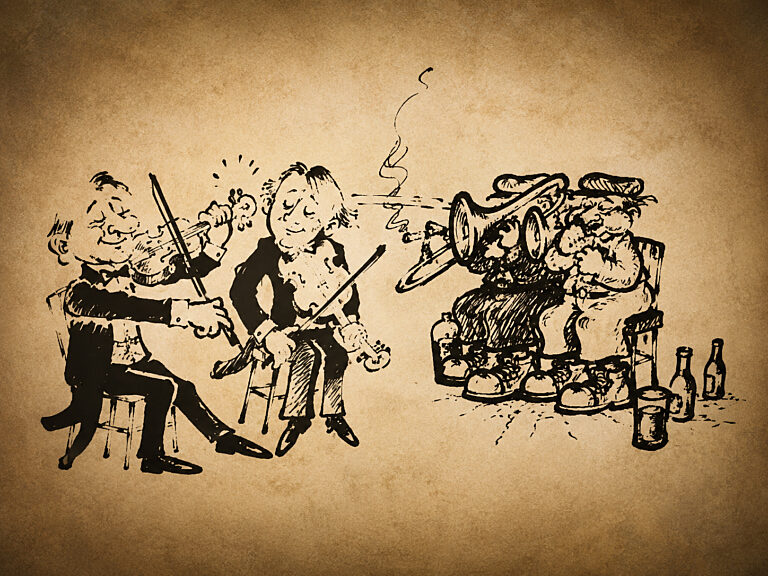
More than a magazine: a call to musicians. This editorial reveals Brass Bulletin’s mission—to inspire, connect, and survive through the support of its readers.

By Jean-Pierre Mathez
Society Sociology Ideas
Brass and Strings Member
No. 33 • 1981 Digitized

Brass and Strings

A note on personality types among musicians

Behind the formal discipline of the symphony orchestra, contrasting views of brass and string players reveal enduring questions about personality, class and musical culture.

By John Davies

Society Professional life Sociology Orchestral playing Nerves
On record reviews Free
No. 48 • 1984 Digitized

On record reviews

Is criticism constructive? Objective?

When taste and feeling dominate record reviews, criticism risks becoming arbitrary; Uwe Wolf argues instead for interpretations grounded enough to sustain debate.

By Uwe Wolf
Society Ideas
The Midwinter Horn Free
No. 37 • 1982 Digitized

The Midwinter Horn

De Midwinterhoorn

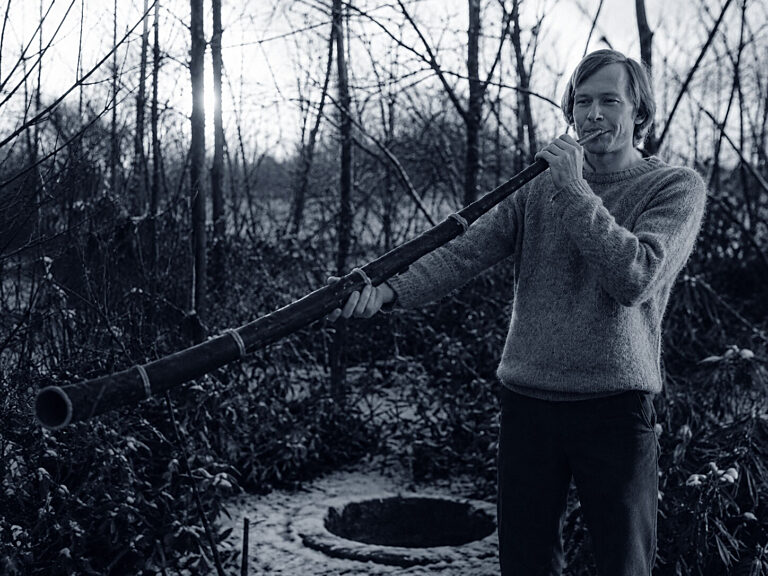
A Christmas horn tradition from eastern Netherlands preserves ancient construction, ritual and performance, linking rural practice with Leopold Mozart's Sinfonia pastorella.

By Herman Jeurissen
History Society Historical instruments Instrument making Sociology
Women and Brass Free
No. 28 • 1979 Digitized

Women and Brass

Statements

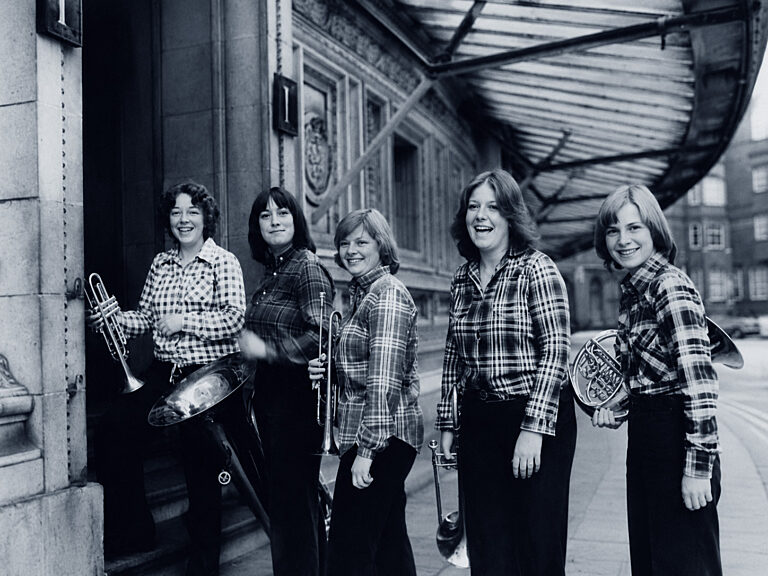
Female brass players in British orchestras describe auditions, section dynamics and the pressure of proving themselves beyond musical ability.

By Jean-Pierre Mathez

Society Professional life Sociology Orchestral playing
Musical Piracy Free
No. 41 • 1983 Digitized

Musical Piracy

Plagiarism, Photocopying

Long before digital piracy, publishers and performers were already confronting plagiarism, photocopying and blurred artistic ownership across the brass world.

By Jean-Pierre Mathez

Society Professional life Sociology Ideas
No. 75 • 1991 Awaiting digitization

Part 1

Sampling?

By Thomas Stevens

Society Ideas
Editorial Free
No. 43 • 1983 Digitized

Editorial

Mass media, record-industry economics and the return of cornet virtuosity collide in a sharp warning about fashion, manipulation and musical independence.

By Jean-Pierre Mathez
Society Professional life Sociology Ideas Contemporary Music
Being a woman brass player... So what? Free
No. 26 • 1979 Digitized

Being a woman brass player... So what?

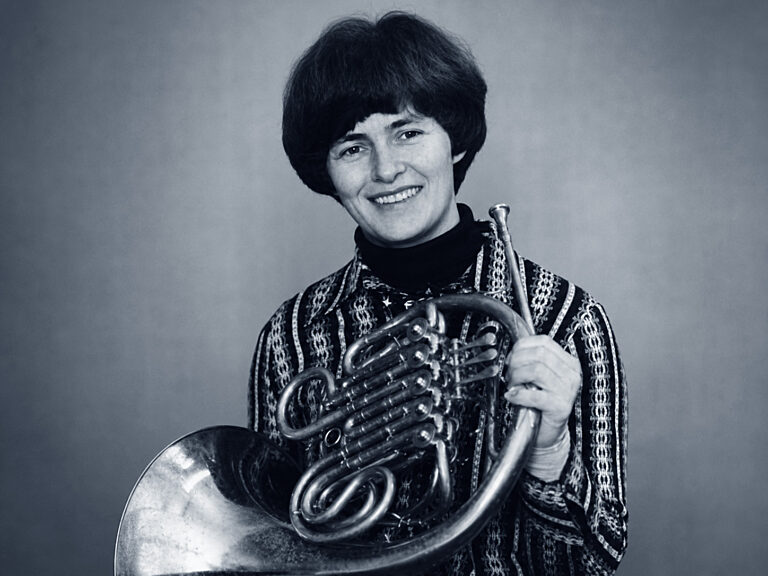
Frøydis Ree Wekre reflects on women in brass playing, examining physical assumptions, psychological factors, and practical realities across performance and professional life.

By Frøydis Ree Wekre

Society Health Sociology Mental approach Endurance
No. 82 • 1993 Awaiting digitization

Music and Imaginative Art

By Roumen Skortchev

Society
Serious Music this Side of the Ghetto Free
No. 32 • 1980 Digitized

Serious Music this Side of the Ghetto

Between Darmstadt serialism and neo-tonality, the place of serious music in society is questioned through Berg, Schönberg and the post-war avant-garde.

By Rolf Urs Ringger
Repertoire Society Contemporary Music Sociology Ideas
The development of the amateur wind-band repertoire in Central Europe since 1950 Member
No. 49 • 1985 Digitized

The development of the amateur wind-band repertoire in Central Europe since 1950

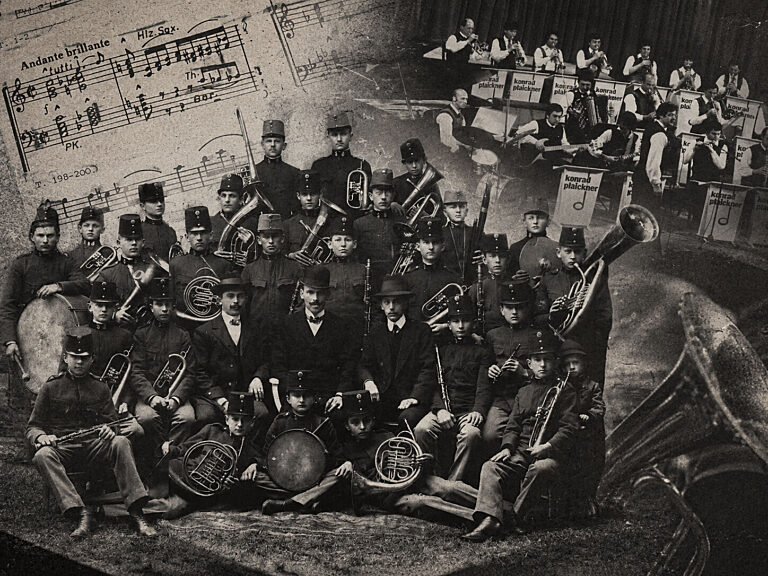
After 1950, Central Europe’s amateur wind bands became a testing ground where inherited traditions, modern composition, popular music and education collided.

By Wolfgang Suppan

Repertoire Society Sociology Contemporary Music
Editorial Free
No. 24 • 1978 Digitized

Editorial

A life that shaped a century: Jean-Pierre Mathez introduces the extraordinary rise of Maurice André—an artist whose brilliance transformed the modern trumpet.

By Jean-Pierre Mathez

Society Sociology Ideas
No. 104 • 1998 Awaiting digitization

Thoughts on Competitions in Music

By Frøydis Ree Wekre
Society Competition Ideas
John Fletcher Free
No. 27 • 1979 Digitized

John Fletcher

Interview

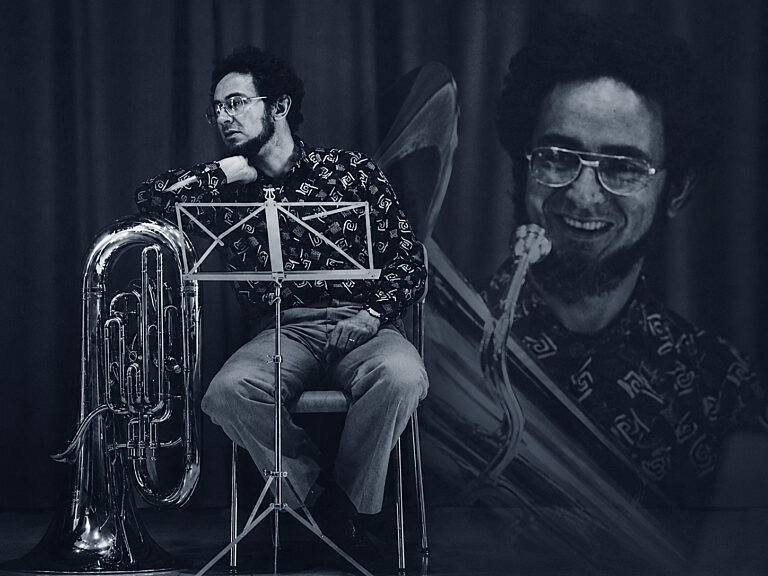
From brass bands to chamber ensembles, John Fletcher reflects on the rapid rise of young British tubists and the changing role of the instrument.

By Jean-Pierre Mathez

Encounters Society Sociology Solo playing Brass Ensemble
The Haydn Trumpet Concerto Member
No. 37 • 1982 Digitized

Part 3

The Haydn Trumpet Concerto

Haydn’s trumpet concerto becomes a study of manuscript detail, performance choices, and the fragile ways listeners receive a familiar work.

By Alfred Willener

History Repertoire Society Interpretation Sociology Ideas Keyed trumpet
Editorial Free
No. 48 • 1984 Digitized

Special Hungary

Editorial

Hungary’s brass world emerges as a cultural force, where organisation, international exchange and musical ambition turn national vitality into lasting connections.

By Jean-Pierre Mathez

Society
Member
No. 14 • 1976 Digitized

Composer Interpreter Teacher Student

Clains and demands in musical life today

What is the musician’s role today? Willi Gohl questions creation, teaching, and society—and argues for a more human, free, and living music.

By Willi Gohl

Teaching Society Sociology Ideas
Loading…

Questions & Answers

How the Digital Edition works

What does the Digital Edition include?

The Digital Edition brings together the articles already digitized as searchable online texts—not simply as scans or PDF files—along with their original illustrations, notes, authorship, issue information, and available translations. Related-article suggestions currently include only this digitized material.

Are the digital articles identical to the originals?

We preserve the original text, language, illustrations, captions, footnotes, and editorial context as faithfully as possible. The presentation is adapted for comfortable online reading, and obvious transcription or scanning errors may be corrected. The substance and character of the published article remain unchanged.

Which languages are available?

Brass Bulletin was published in English, French, and German throughout its history. Italian and Spanish translations were added from issue No. 60 onward.

On the Italian and Spanish sites, articles from issues 1–59 are therefore shown in English by default.

How often are new articles added?

New articles are added almost daily, with approximately one complete issue digitized each week. The pace may vary depending on the preparation, image work, and editorial checking required.

Why aren’t all articles available digitally?

The complete Brass Bulletin collection contains 1,246 articles published between 1971 and 2003. The full index is already available online, allowing readers to discover every article in the collection, including those whose complete text has not yet been digitized.

Digitization began in February 2026. Each article is carefully prepared for online reading, checked, and connected to its issue, authors, subjects, and illustrations. At the current pace of digitization, the complete collection is expected to be available online by February 2028.

Why do some references mention articles that are not available yet?

References in the original articles are preserved even when the material they point to has not yet been digitized. This keeps the historical and editorial record intact. As more issues are added to the Digital Edition, an increasing number of these references will lead to articles that can be read online.

Can I suggest an article or report a transcription error?

Yes. If there is an article you would particularly like to see digitized, or if you notice a possible transcription error or missing detail, please contact us. Reader feedback helps us improve the Digital Edition and prioritize useful connections within the archive.

How can I support Brass Bulletin?

Your support helps fund the preparation, verification, and online publication of the complete collection.

Subscribe to the Digital Edition

Prefer to support us without subscribing?

Make a donation

How is the digitization progressing?

We’re gradually making the Brass Bulletin available online, article by article. You can read newly digitized articles as soon as they’re ready, even before an entire issue is complete.

Visit our Digitization Roadmap to browse recent additions and see estimated availability for upcoming issues. These estimates follow our recent pace and may change.

Search Brass Bulletin.