Explore institutional access →

5 min. read

17th- and 18th-century Brass Instruments at the Shrine to Music Museum

17th- and 18th-century Brass Instruments at the Shrine to Music Museum

Margaret Downie Brown, Curator
Photographs by Simon Spicer, Educational Media Center, University of South Dakota, Vermillion, SD, USA.

Outstanding collections, totaling more than 4000 musical instruments, may be found at The Shrine to Music Museum in Vermillion, South Dakota, U.S.A.

Vermillion, a small Midwestern university town, is located in the southeastern corner of the state, on the main tourist route to the Black Hills of South Dakota and its renowned “Shrine of Democracy”, Mt. Rushmore.

The Shrine to Music Museum & Center for Study of the History of Musical Instruments was established in 1973 as an academic support unit of the University of South Dakota, and offers the M.M. degree with a concentration in the history of musical instruments, the only such program available in the United States. In the 14 years since it was founded, the Museum has grown dramatically, and its comprehensive holdings now rank in size and importance with the great European collections.

Nationally-accredited by the American Association of Museums, The Shrine to Music Museum features six major galleries, a research library, a fully-equipped conservation laboratory, study-storage facilities, and, an intimate, 100-seat concert-lecture hall with superb acoustics. Managed by a staff of five, the Museum is open to the public seven days a week. Admission is free.

The Museum’s holdings include three primary collections — the Arne B. Larson Collection of Musical Instruments and Library, the Wayne Sorensen Collection of 19th-century woodwinds, and the Witten-Rawlins Collection of 16th-, 17th-, and 18th-century Italian stringed instruments. In addition, numerous instruments continue to be acquired individually, as gifts or by purchase. The instrument collections are supported by an extensive library of books and periodicals, photographs, music, sound recordings, and related musical memorabilia.

Brass instruments comprise approximately 38 % (1540 instruments) of the Museum’s holdings. A particular strength are brass instruments made and used in American bands and orchestras between 1875 and 1950. An aggressive acquisitions program during the last five years has added significantly to the Museum’s holdings of European brass instruments dating from the 17th and 18th centuries. A recent inventory of the Museum’s brass instruments yielded the following statistics: 272 tubas, helicons, and Sousaphones; 260 trombones; 186 tenor horns, baritones, and euphoniums; 316 alto horns, mellophones, and French horns; 440 trumpets, cornets, and bugles; 37 keyed brass instruments; and, 29 non-Western and/or European folk brass instruments. A number of articles, catalogs, master’s theses, and doctoral dissertations have been written about the Museum’s brass instruments; these are listed in the bibliography at the end of this article.

Among the notable 17th- and 18th-century brass instruments at the Shrine to Music Museum are the following:

Zink

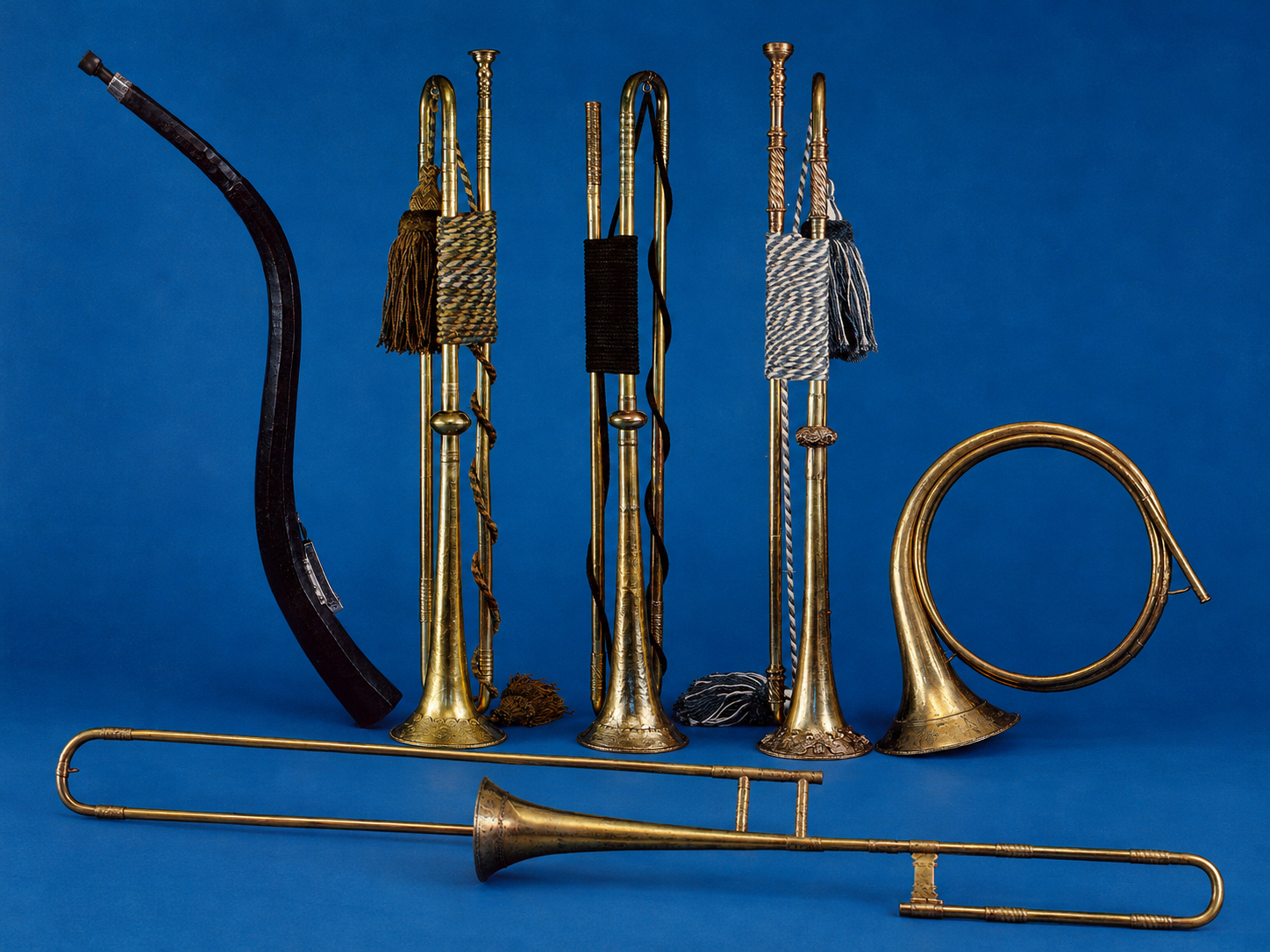
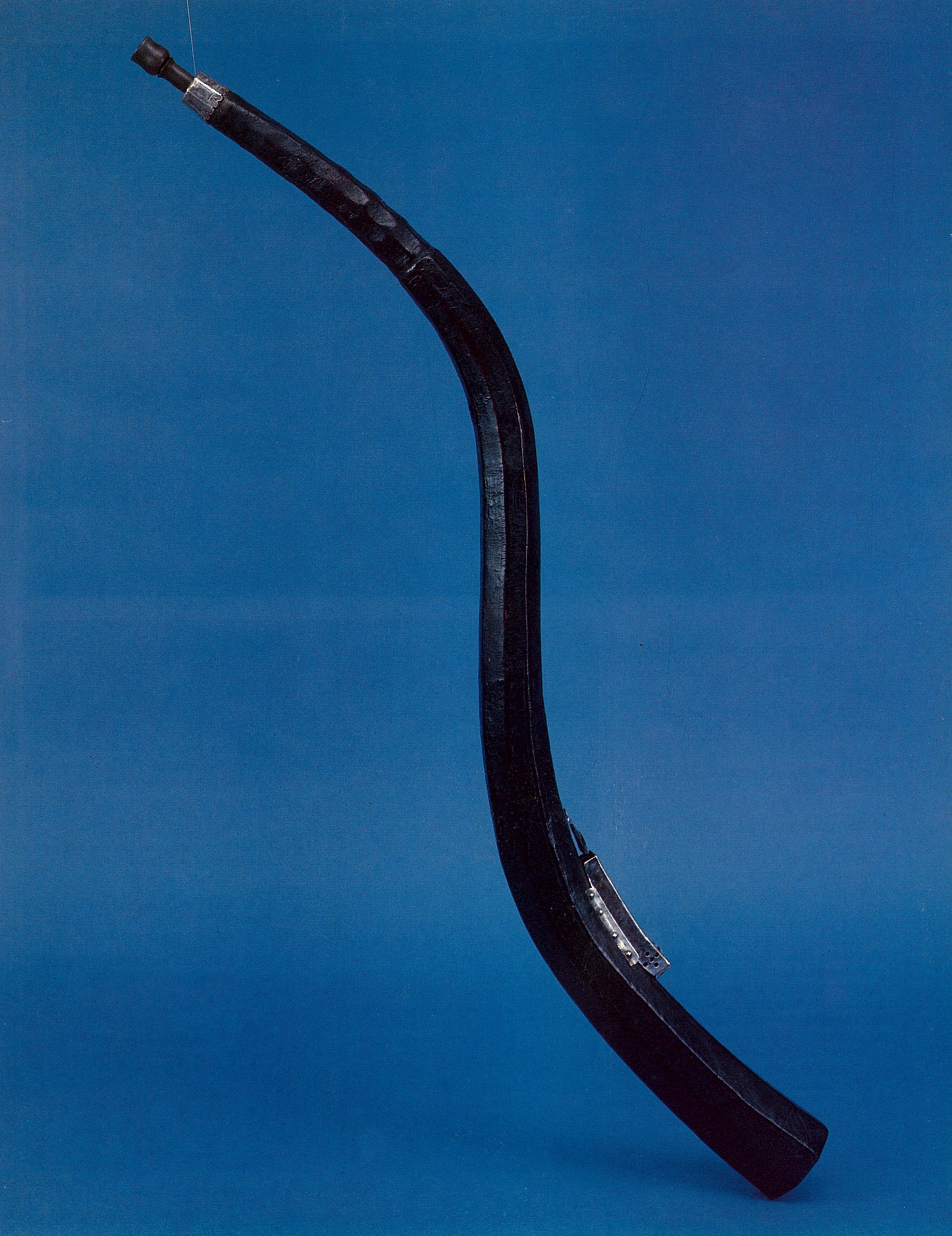
No. 3451. Tenor Zink made in Germany, mid-17th century. Ex. coll.: Canon Francis W. Galpin. Octagonal body of wood covered with leather; silver, open-standing fishtail key and cover; silver ferrule. Body length, along back curves, 96 cm. Bell diameter 7 cm. (Photo 1).

Photo 1.No. 3451. Zink made in Germany, mid-17th century.

Photo 1.
No. 3451. Zink made in Germany, mid-17th century.

Trombone

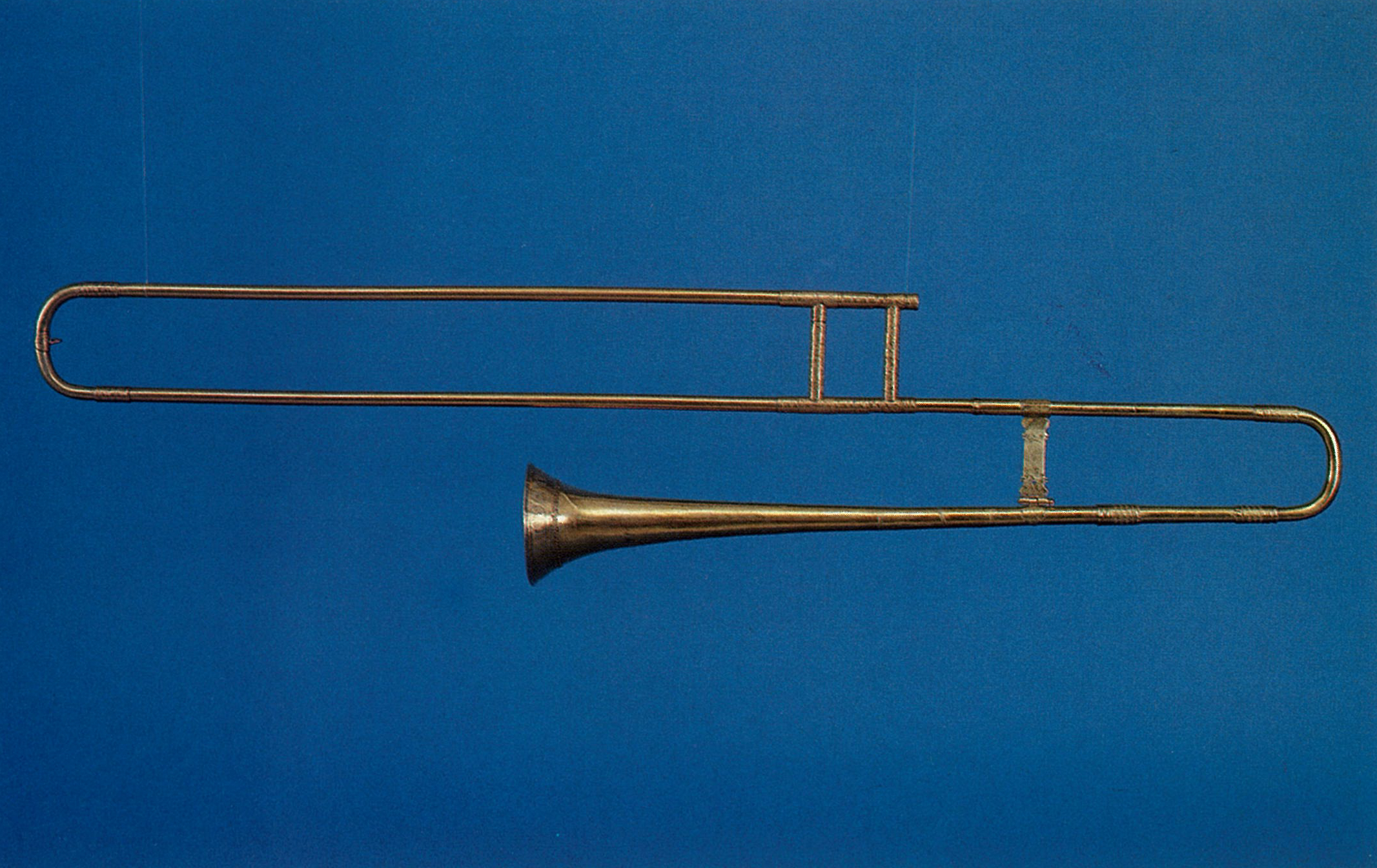
No. 3592. Tenor slide trombone by Michael Nagel, Nürnberg, 1656. Ex. coll.: Bohland & Fuchs, Graslitz, Bohemia. Engraved on bell garland: MACHT MICHAEL NAGEL NVR 1656. Initials M N engraved above bird insignia, placed between first and last name in signature. Slide may be an early 18th-century replacement. Restored by Ursula Menzel, Munich, West Germany, 1984. Sounding length 267,4 cm. Bell diameter 10,5 cm. (Photo 2).

Photo 2.No. 3592. Trombone by Michael Nagel, Nürnberg, 1656.

Photo 2.
No. 3592. Trombone by Michael Nagel, Nürnberg, 1656.

Trumpets

No. 3873. Trumpet by Paul Hainlein, Nürnberg, 1666. Engraved on bell garland: MACHT PAVL/HAINLEIN IN NVRNBERG/ANNO 1666. Engraved rooster insignia above initials P. H. placed between HAINLEIN and IN. Composite trumpet probably made from remnants of two or more period instruments; bell original. Restored by Gary M. Stewart, Conservator, The Shrine to Music Museum, 1986. Sounding length 207.7 cm. Body length 60,6 cm. Bell diameter 10,2 cm. (Photo 3b).

No. 3600. Trumpet by Johann Wilhelm Haas, Nürnberg, ca. 1690-1710. Engraved on bell garland: I W HAAS, FEC. NORIBER. Engraved above fec. is a running hare looking forward. Engraved after Noriber is a coat-of-arms with an N engraved below. Restored by Ursula Menzel, 1984. Sounding length 207,9 cm. Body length 68,6 cm. Bell diameter 10,8 cm. (Photo 3a).

No. 3601. Trumpet by Johann Wilhelm Haas, Nürnberg, ca. 1700-1720. Engraved on bell garland: IOHANN/WILHELM/WILHELM/HAAS/NÜRNBERG and initials IWH above an engraving of a running hare looking forward. Bell garland decorated with attached cast angels and repoussé clamshell pattern. Restored by Ursula Menzel, 1984. Sounding length 210 cm. Body length 70 cm. Bell diameter 11,1 cm. (Photo 3c).
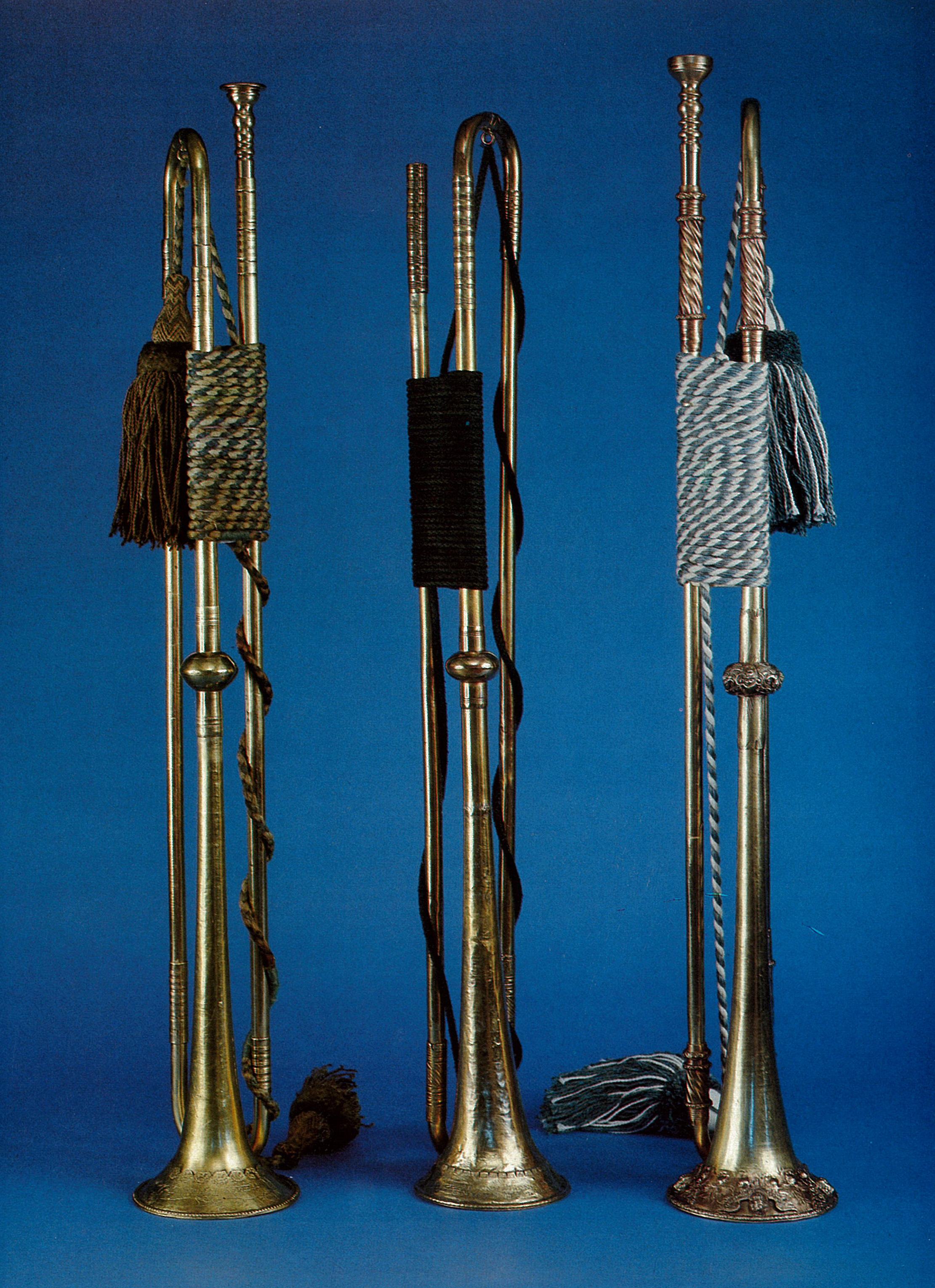
Photo 3a.No. 3600. Trumpet by Johann Wilhelm Haas, Nürnberg, ca. 1690-1710.Photo 3bNo. 3873. Trumpet by Paul Hainlein, N...

Photo 3a.
No. 3600. Trumpet by Johann Wilhelm Haas, Nürnberg, ca. 1690-1710.

Photo 3b
No. 3873. Trumpet by Paul Hainlein, Nürnberg, 1666.

Photo 3c.
No. 3601. Trumpet by Johann Wilhelm Haas, Nürnberg, ca. 1700-1720.

Horns

No. 3488. Jagd-Waldhorn by Wolf Wilhelm Haas, Nürnberg, after 1706. Engraved on bell garland: MACHT IOHANN / WILHELM / HAAS / INNVRNBERG and the initials IWH above engraving of a running hare looking backward. Attached to garland are a cast lion’s head with a ring through it’s mouth, a hunter on horseback, and two dogs chasing a rabbit and a deer. Bell garland decorated with repoussé clamshell pattern and engraved trees and hatchmarks. Restored by Ursula Menzel, 1984. Sounding length 178,6 cm. Outer coil diameter 32,7 cm. Bell diameter 15,24 cm. Bibliography: Herbert Heyde, ”Zwischen Hörnern und Jägertrompeten”, BRASS BULLETIN 55, No. 3 (1986): 48 & 50. Photo 4.
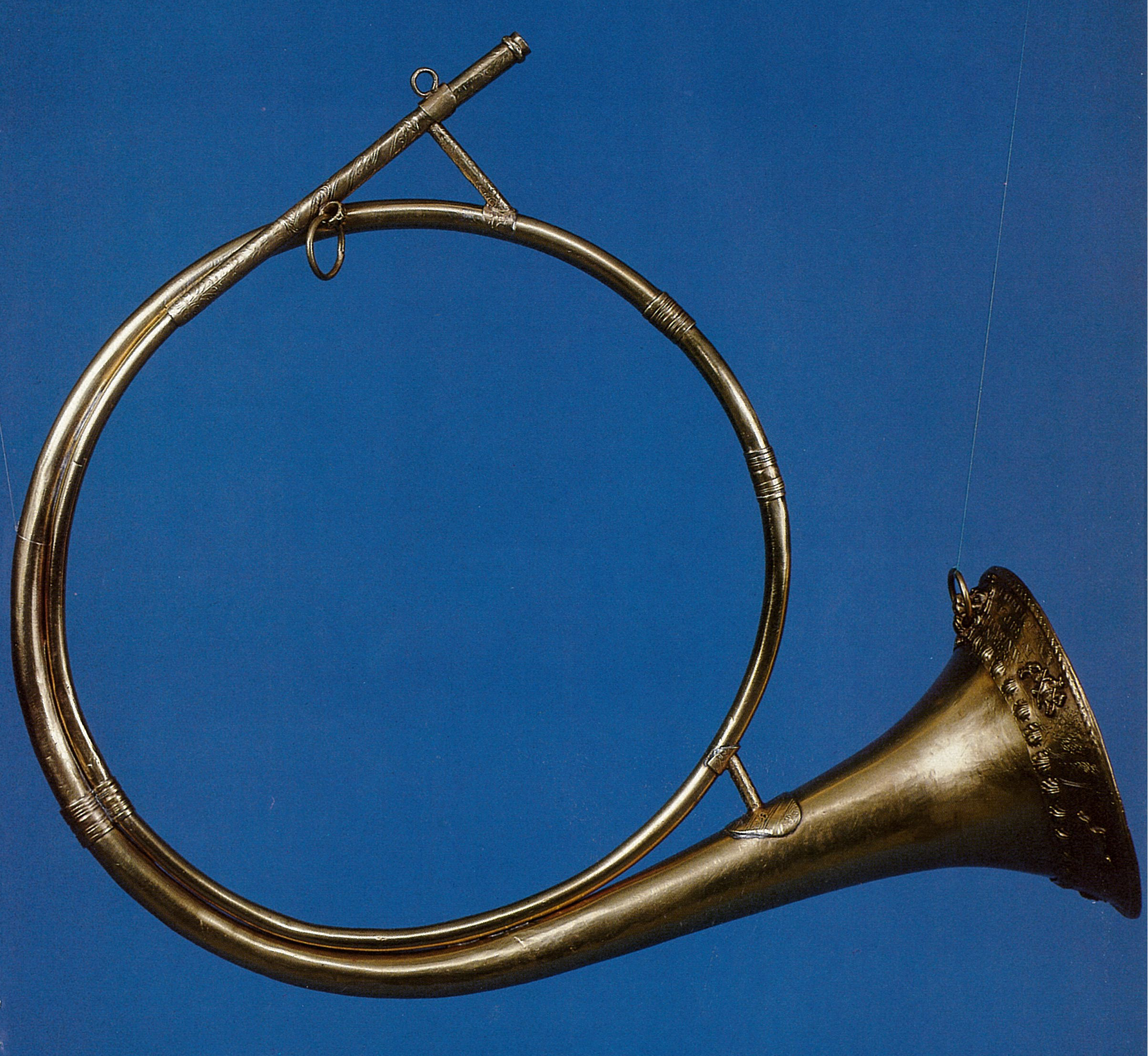
Photo 4.No. 3488. Jagd-Waldhorn by Wolf Wilhelm Haas, Nürnberg, after 1706.

Photo 4.
No. 3488. Jagd-Waldhorn by Wolf Wilhelm Haas, Nürnberg, after 1706.

No. 3347. Jagd-Waldhorn by Paulus Schmidt, Nürnberg, ca. 1750. Engraved on bell garland: MACHT PAULUS/SCHMIDT. IN/NÜRNB and a rooster insignia between the initials P S. The bell garland is decorated with engravings of six crowned, double-headed eagles with outstretched wings. Bell interior painted black. Sounding length 224,79 cm. Outer coil diameter 30,48 cm. Bell diameter 16,7 cm. (Photo 5).
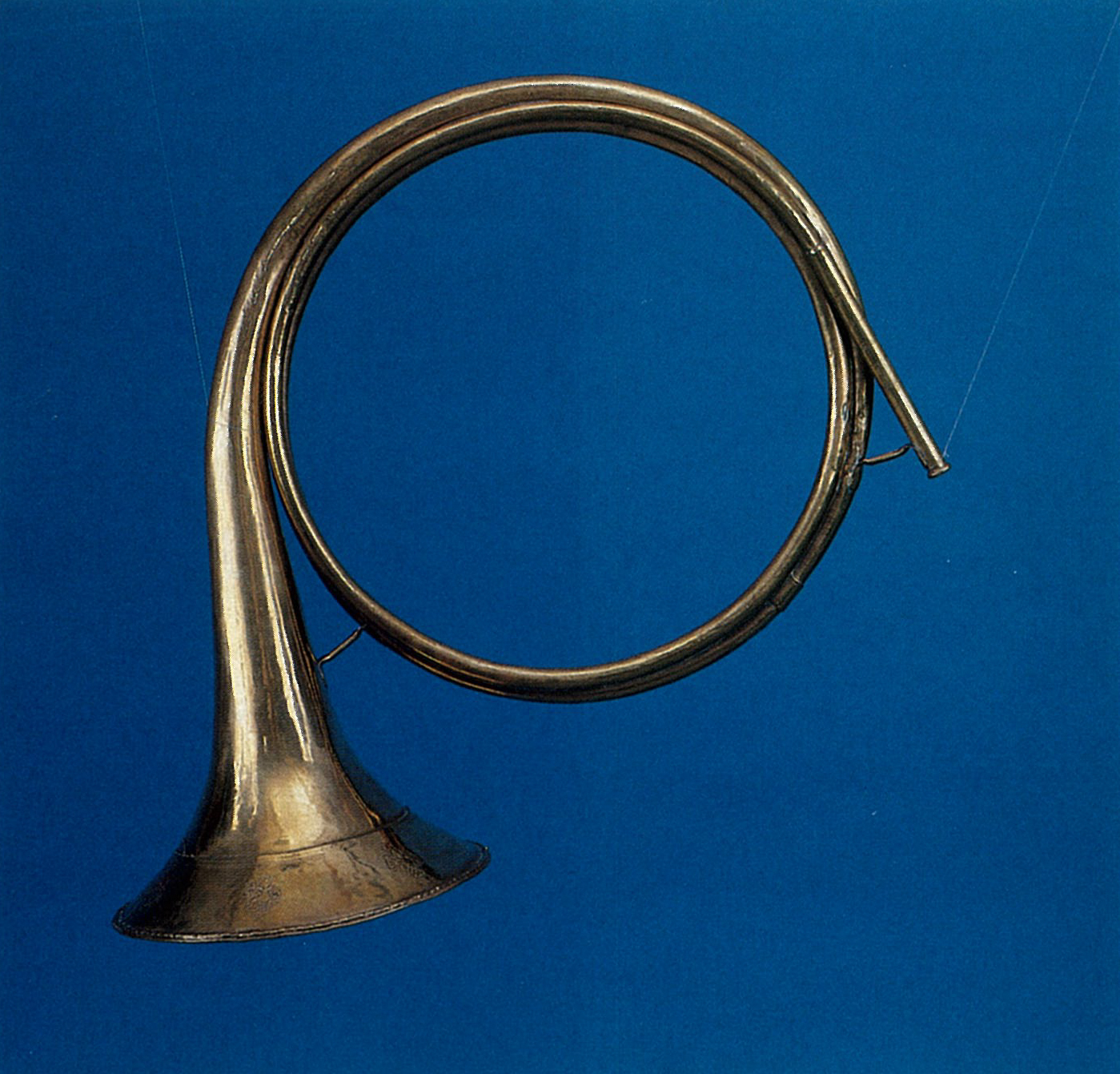
Photo 5.No. 3347. Jagd-Waldhorn by Paulus Schmidt, Nürnberg, ca. 1750.

Photo 5.
No. 3347. Jagd-Waldhorn by Paulus Schmidt, Nürnberg, ca. 1750.

No. 4013. Jagd-Waldhorn by Georg Friedrich Steinmez, Nürnberg, before 1740. Engraved on silver-plated bell garland: MACHT GEORG FRIEDRICH STEINMEZ IN NÜRNBERG and an orb insignia below the initials G F S. The bell garland is decorated with engraved flowers and leaves as well as repoussé clam shells. Period mouthpiece. Restored by Gary M. Stewart, 1986. Sounding length 309,88 cm. Outer coil diameter 31,12 cm. Bell diameter 19,3 cm. (Photos 6 and 7).
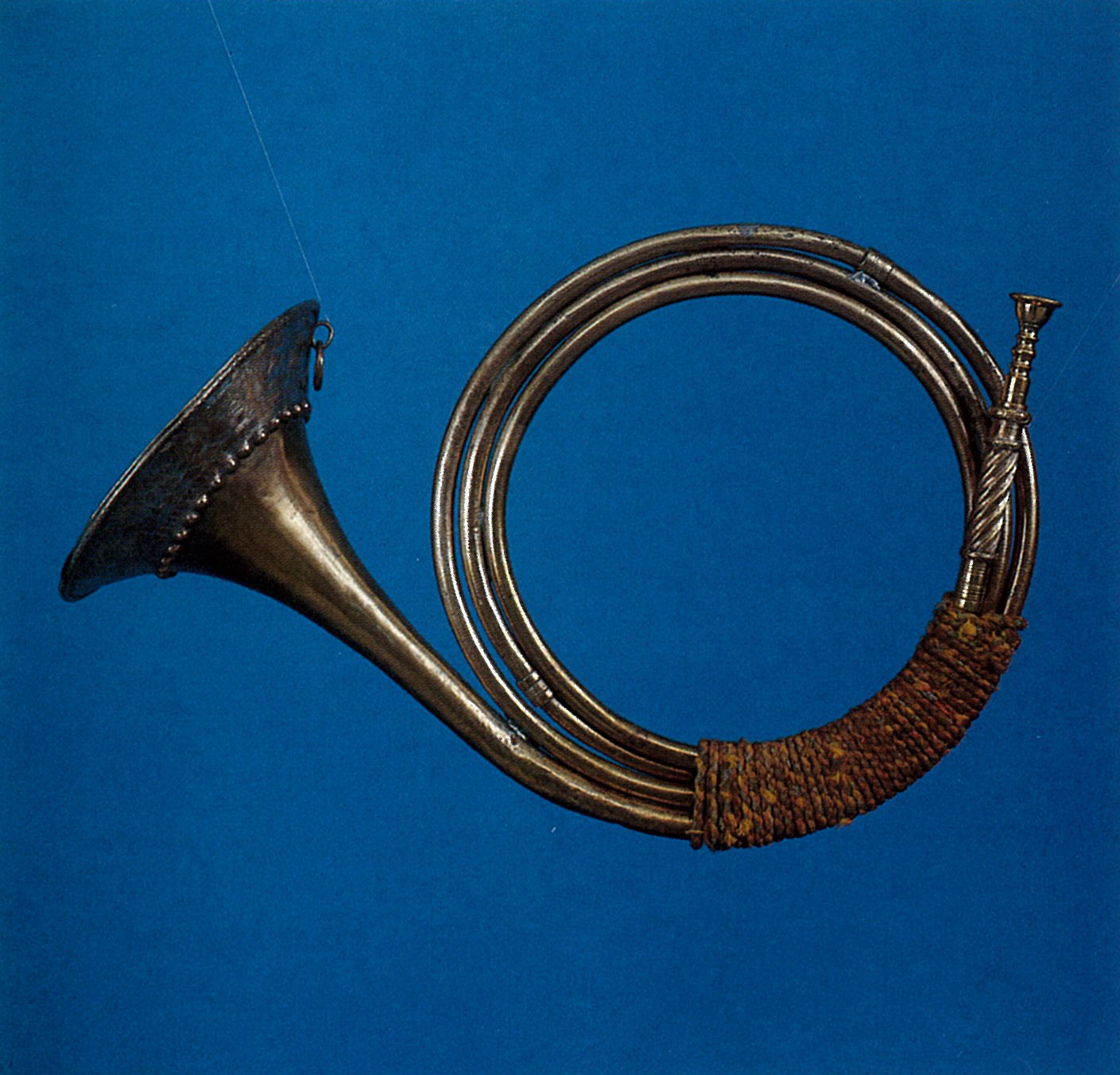
Photo 6.No. 4013. Jagd-Waldhorn by Georg Friedrich Steinmez, Nürnberg, before 1740.
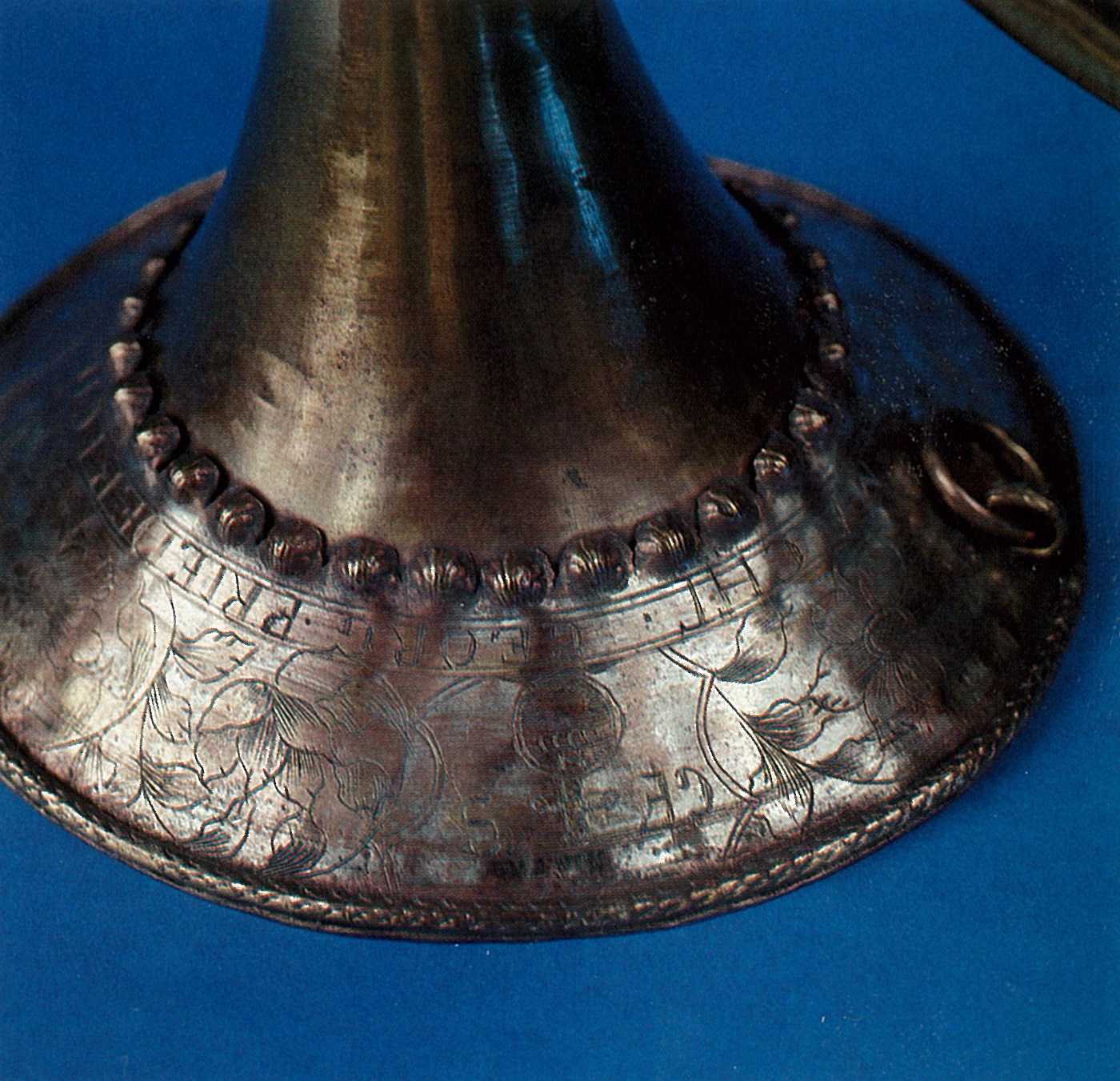
Photo 6.
No. 4013. Jagd-Waldhorn by Georg Friedrich Steinmez, Nürnberg, before 1740.

Photo 7.No. 4013. Bell garland of Jagd-Waldhorn by Georg Friedrich Steinmez, Nürnberg, before 1740.

Photo 7.
No. 4013. Bell garland of Jagd-Waldhorn by Georg Friedrich Steinmez, Nürnberg, before 1740.

No. 2488. Trompe de chasse by Joseph Raoux, Rue Ticquetonne, Paris, ca. 1769-1776. Engraved on bell garland: FAIT À PARIS PAR RAOUX /. ORDINAIRE· DU· ROY· RUE· TICQUETONNE. Restored by Gary M. Stewart, 1979. Sounding length 438,15 cm. Outer coil diameter 54,61 cm. Bell diameter 26,35 cm. (Photo 8).

No. 1466. Jagd-Waldhorn by Balthas Fürst, Ellwangen, 1783. Engraved on bell garland: MACHT BALTHAS FÜRST IN ELLWANG/1783. Bell interior lacquered black. Restored by Gary M. Stewart, 1978. Sounding length 292 cm. Outer coil diameter 26,5 cm. Bell diameter 22 cm.
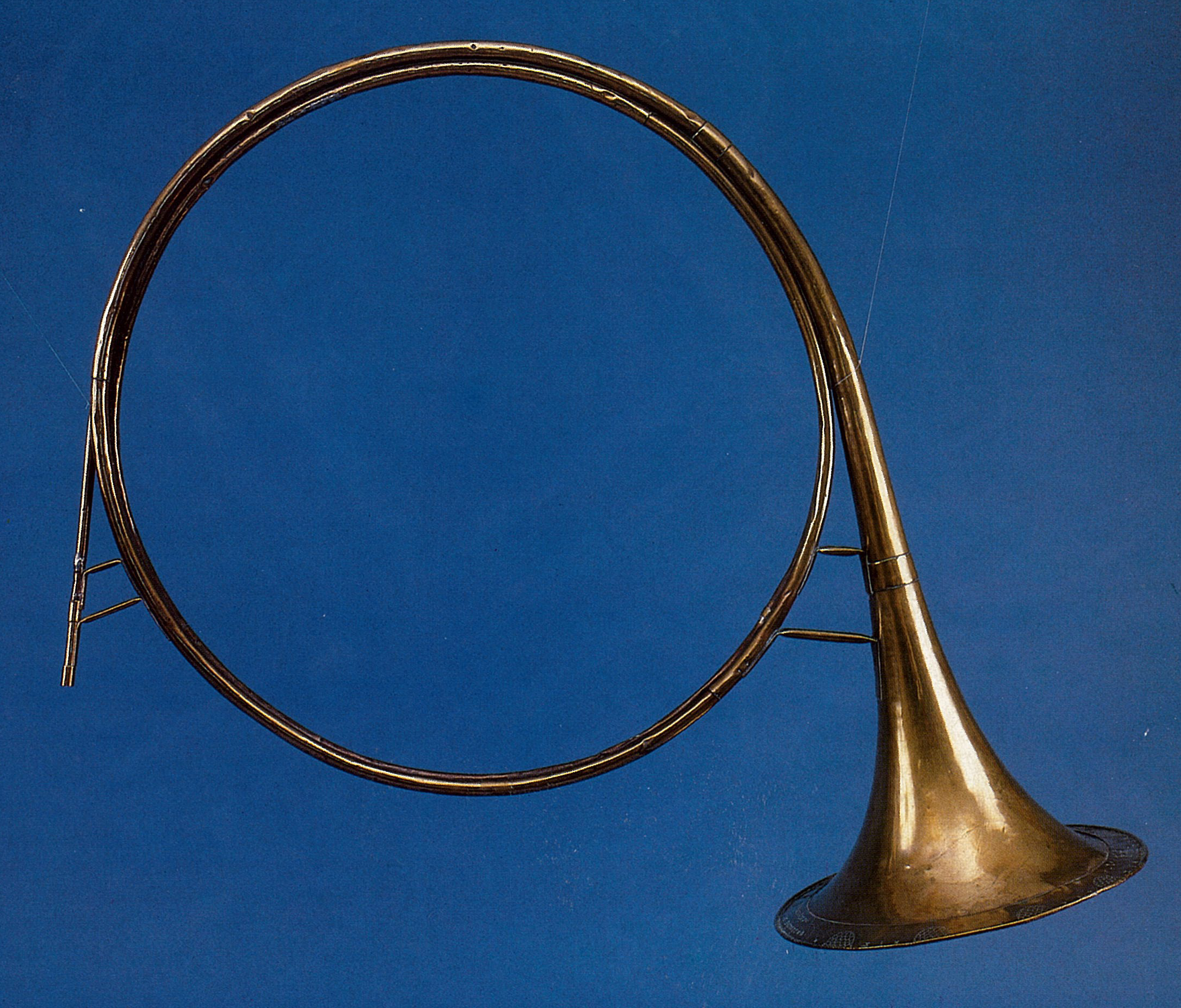
Photo 8.No. 2488. Trompe de chasse by Joseph Raoux, Paris, ca. 1769-1776.

Photo 8.
No. 2488. Trompe de chasse by Joseph Raoux, Paris, ca. 1769-1776.

Museum address

The Shrine to Music Museum 414, East Clark Street Vermillion, SD 57069 USA Telephone: (605) 677-5306

Direct research inquiries to: Dr. André P. Larson, Director, or Dr. Margaret D. Banks, Curator.

Admission and hours

Free public admission. Open 7 days a week (except New Year’s Day, Thanksgiving, and Christmas). Hours: Monday-Friday, 9:00-4:30; Saturday, 10:00-4:30; Sunday, 2:00-4:30.

Bibliography

Catalogs

Cross, Thomas E., ”Instruments of Burma, India, Nepal, Thailand, and Tibet.” The Shrine to Music Museum Catalog of the Collections, Vol. II. André P. Larson, ed. Vermillion, SD: The Shrine to Music Museum Foundation, 1982. 32 pp.

Stewart, Gary M., ”Keyed Brass Instruments in the Arne B. Larson Collection.” The Shrine to Music Museum Catalog of the Collections, Vol I. André P. Larson, ed. Vermillion, SD: The Shrine to Music Museum Foundation, 1980. 34 pp.

These catalogs are available for purchase from The Shrine to Music Museum. Prices: USA and Canada $6.50; Europe $9.50 (air mail); and, Africa, Asia, and South America $10.00 (air mail).

Dissertations and Theses

*Kitzel, Larry. ”The Trombones of the Shrine to Music Museum.” D.M.A. dissertation. Norman, OK: University of Oklahoma, 1985. 284 pp.

*Larson, André P. ”Catalog of the Nineteenth-Century British Brass Instruments in the Arne B. Larson Collection.” Ph.D. dissertation. Morgantown, WV: West Virginia University, 1974. 158 pp.

Larson, Mary Hueschen. ”Catalog of the Baritones and Euphoniums in the Arne B. Larson Collection of Musical Instruments.” M.M. thesis. Vermillion, SD: University of South Dakota, 1978. 245 pp.

*Moege, Gary Ray. ”A Catalog of the Alto Brass Instruments in the Arne B. Larson Collection of Musical Instruments.” D.M.A. dissertation. Norman, OK: University of Oklahoma, 1985. 639 pp.

Stewart, Gary M. ”The Restoration and Cataloging of Four Serpents in the Arne B. Larson Collection of Musical Instruments.” M.M. thesis. Vermillion, SD: University of South Dakota, 1978. 73 pp.

*Swain, John Joseph. ”A Catalog of the E-flat Tubas in the Arne B. Larson Collection at the University of South Dakota.” Ph.D. dissertation. East Lansing, MI: Michigan State University, 1985. 383 pp.

Articles

Petersen, Mary [Larson] ”The Arne B. Larson Collection,” T.U.B.A. Journal, Vol. VIII, No. 2 (Fall 1980): 5-7.

——— ”The Arne B. Larson Collection, Part Two”, T.U.B.A. Journal, Vol. VIII, No. 3. (Winter 1980): 15-18.

——— ”Baritones and Euphoniums of European Origins in the Arne B. Larson Collection”, T.U.B.A. Journal, Vol. IX, No. 1 (Summer 1981): 3-7.

——— ”A Brief History of the Euphonium”, Instrumentalist, Vol. 35, No. 10 (May 1981): 16-17.

——— ”Double-Bell Euphoniums in the Arne B. Larson Collection”, T.U.B.A. Journal, Vol. VIII, No 4 (Spring 1981): 4-7.

⁎Dissertations available for purchase through University Microfilms, 300 North Zeeb Road, Ann Arbor, MI 48106 USA.

Brass Bulletin 58, II / 1987 pages 50–59

All content is protected by copyright © Brass Bulletin 1987–2026

Share this article

Facebook LinkedIn
Loading…

Questions & Answers

How the Digital Edition works

What does the Digital Edition include?

The Digital Edition brings together the articles already digitized as searchable online texts—not simply as scans or PDF files—along with their original illustrations, notes, authorship, issue information, and available translations. Related-article suggestions currently include only this digitized material.

Are the digital articles identical to the originals?

We preserve the original text, language, illustrations, captions, footnotes, and editorial context as faithfully as possible. The presentation is adapted for comfortable online reading, and obvious transcription or scanning errors may be corrected. The substance and character of the published article remain unchanged.

Which languages are available?

Brass Bulletin was published in English, French, and German throughout its history. Italian and Spanish translations were added from issue No. 60 onward.

On the Italian and Spanish sites, articles from issues 1–59 are therefore shown in English by default.

How often are new articles added?

New articles are added almost daily, with approximately one complete issue digitized each week. The pace may vary depending on the preparation, image work, and editorial checking required.

Why aren’t all articles available digitally?

The complete Brass Bulletin collection contains 1,246 articles published between 1971 and 2003. The full index is already available online, allowing readers to discover every article in the collection, including those whose complete text has not yet been digitized.

Digitization began in February 2026. Each article is carefully prepared for online reading, checked, and connected to its issue, authors, subjects, and illustrations. At the current pace of digitization, the complete collection is expected to be available online by February 2028.

Why do some references mention articles that are not available yet?

References in the original articles are preserved even when the material they point to has not yet been digitized. This keeps the historical and editorial record intact. As more issues are added to the Digital Edition, an increasing number of these references will lead to articles that can be read online.

Can I suggest an article or report a transcription error?

Yes. If there is an article you would particularly like to see digitized, or if you notice a possible transcription error or missing detail, please contact us. Reader feedback helps us improve the Digital Edition and prioritize useful connections within the archive.

How can I support Brass Bulletin?

Your support helps fund the preparation, verification, and online publication of the complete collection.

Subscribe to the Digital Edition

Prefer to support us without subscribing?

Make a donation

How is the digitization progressing?

We’re gradually making the Brass Bulletin available online, article by article. You can read newly digitized articles as soon as they’re ready, even before an entire issue is complete.

Visit our Digitization Roadmap to browse recent additions and see estimated availability for upcoming issues. These estimates follow our recent pace and may change.

Search Brass Bulletin.