Rendete Brass Bulletin disponibile nella vostra università, nel vostro conservatorio o nella vostra biblioteca Scoprite l’accesso istituzionale

5 min di lettura

19th Century Brass Instruments at the Shrine to Music Museum

Vermillion (USA)

19th Century Brass Instruments at the Shrine to Music Museum

Margaret Downie Brown, Curator
Photographs by Simon Spicer, Educational Media Center, University of South Dakota, Vermillion, SD, USA.

Outstanding collections, totaling more than 4000 musical instruments, may be found at The Shrine to Music Museum in Vermillion, South Dakota, U.S.A.

Vermillion, a small Midwestern university town, is located in the southeastern corner of the state, on the main tourist route to the Black Hills of South Dakota and its renowned “Shrine of Democracy”, Mt. Rushmore.

The Shrine to Music Museum & Center for Study of the History of Musical Instruments was established in 1973 as an academic support unit of the University of South Dakota, and offers the M.M. degree with a concentration in the history of musical instruments, the only such program available in the United States. In the 14 years since it was founded, the Museum has grown dramatically, and its comprehensive holdings now rank in size and importance with the great European collections.

Nationally-accredited by the American Association of Museums, The Shrine to Music Museum features six major galleries, a research library, a fully-equipped conservation laboratory, study-storage facilities, and, an intimate, 100-seat concert-lecture hall with superb acoustics. Managed by a staff of five, the Museum is open to the public seven days a week. Admission is free.

The Museum’s holdings include three primary collections — the Arne B. Larson Collection of Musical Instruments and Library, the Wayne Sorensen Collection of 19th-century woodwinds, and the Witten-Rawlins Collection of 16th-, 17th-, and 18th-century Italian stringed instruments. In addition, numerous instruments continue to be acquired individually, as gifts or by purchase. The instrument collections are supported by an extensive library of books and periodicals, photographs, music, sound recordings, and related musical memorabilia.

Brass instruments comprise approximately 38 % (1540 instruments) of the Museum’s holdings. A particular strength are brass instruments made and used in American bands and orchestras between 1875 and 1950. An aggressive acquisitions program during the last five years has added significantly to the Museum’s holdings of European brass instruments dating from the 17th and 18th centuries. A recent inventory of the Museum’s brass instruments yielded the following statistics: 272 tubas, helicons, and Sousaphones; 260 trombones; 186 tenor horns, baritones, and euphoniums; 316 alto horns, mellophones, and French horns; 440 trumpets, cornets, and bugles; 37 keyed brass instruments; and, 29 non-Western and/or European folk brass instruments. A number of articles, catalogs, master’s theses, and doctoral dissertations have been written about the Museum’s brass instruments; these are listed in the bibliography at the end of this article.

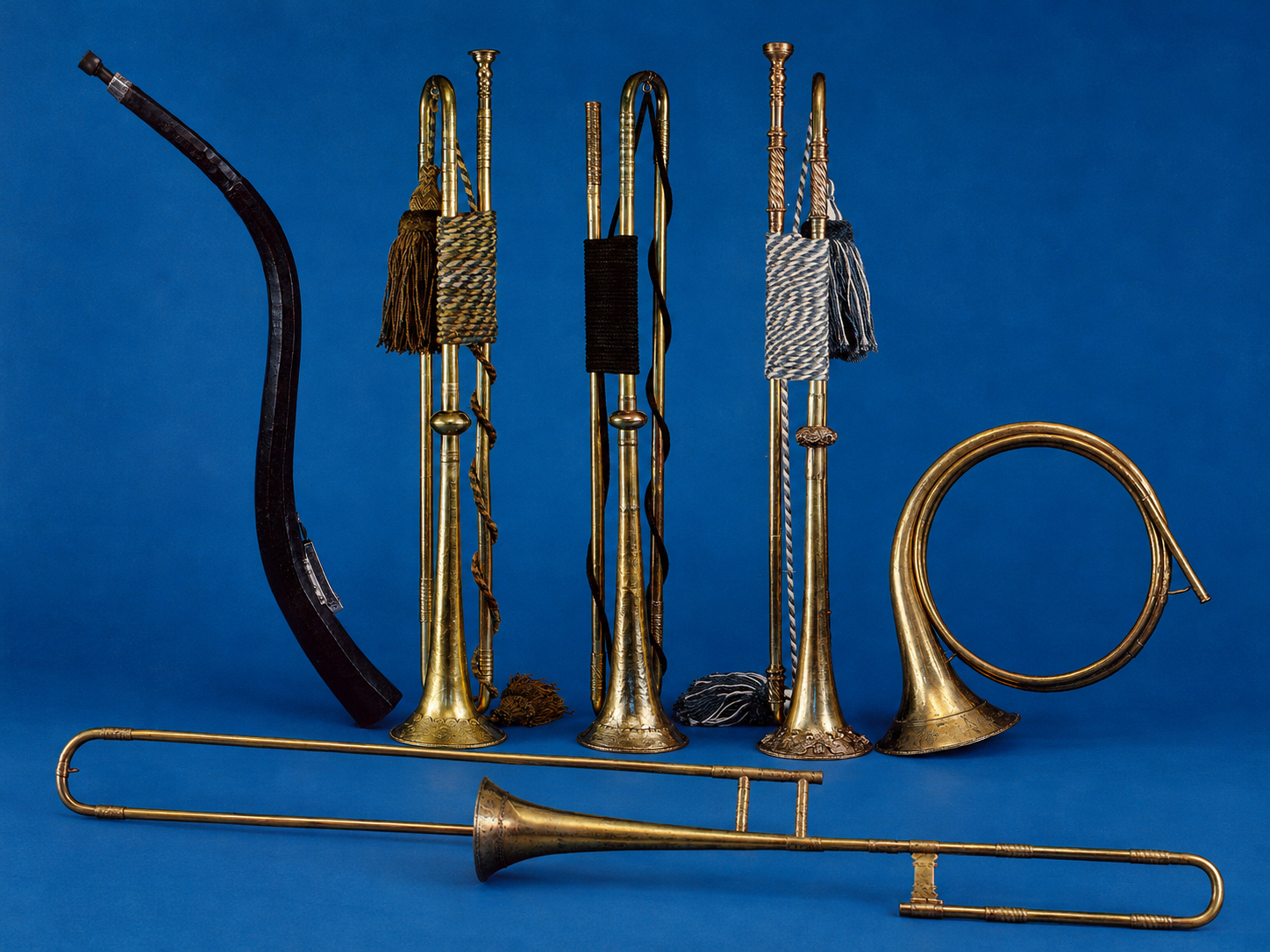
Among the notable 17th- and 18th-century brass instruments at the Shrine to Music Museum are the following:

Zink

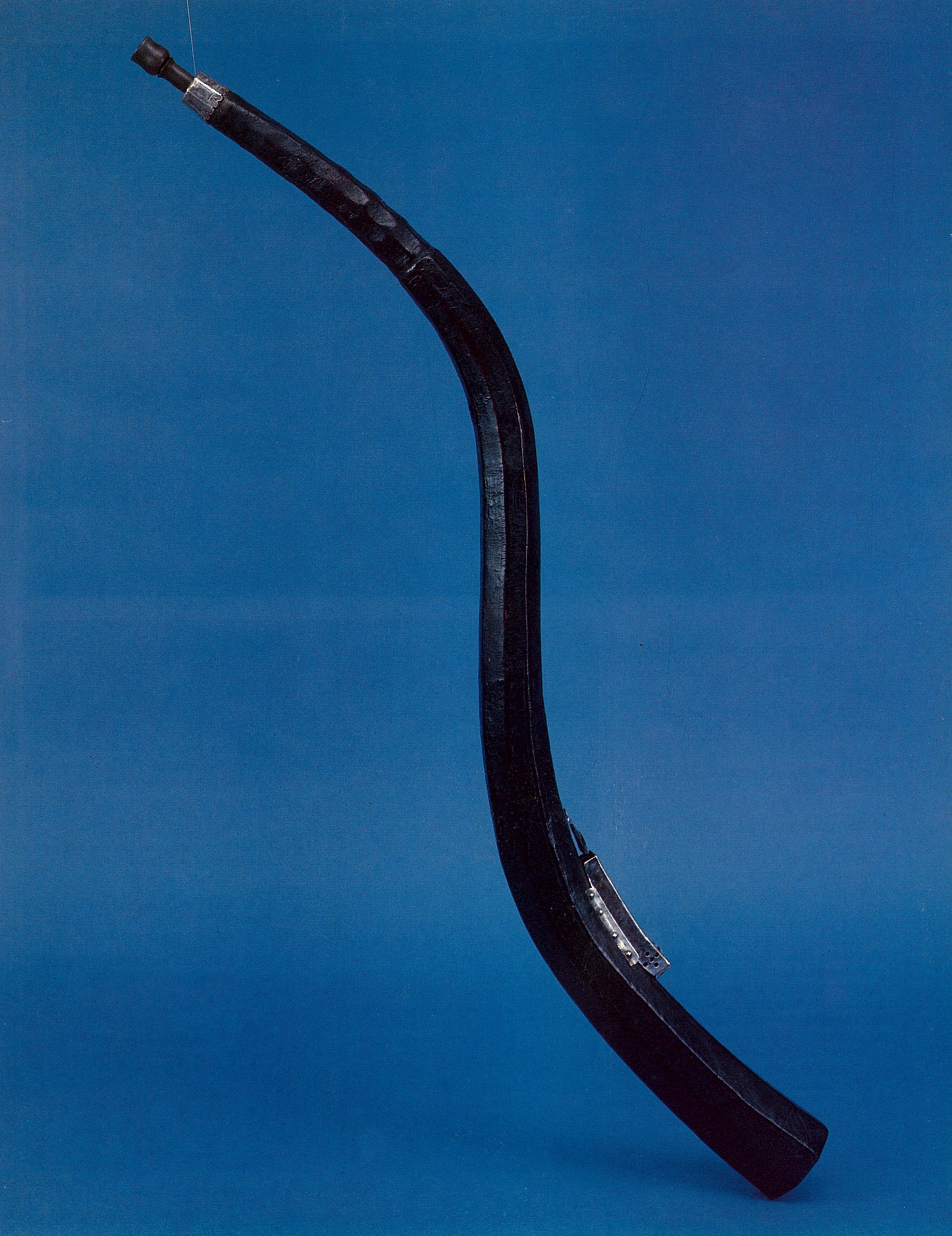
No. 3451. Tenor Zink made in Germany, mid-17th century. Ex. coll.: Canon Francis W. Galpin. Octagonal body of wood covered with leather; silver, open-standing fishtail key and cover; silver ferrule. Body length, along back curves, 96 cm. Bell diameter 7 cm. (Photo 1).

Photo 1.No. 3451. Zink made in Germany, mid-17th century.

Photo 1.
No. 3451. Zink made in Germany, mid-17th century.

Trombone

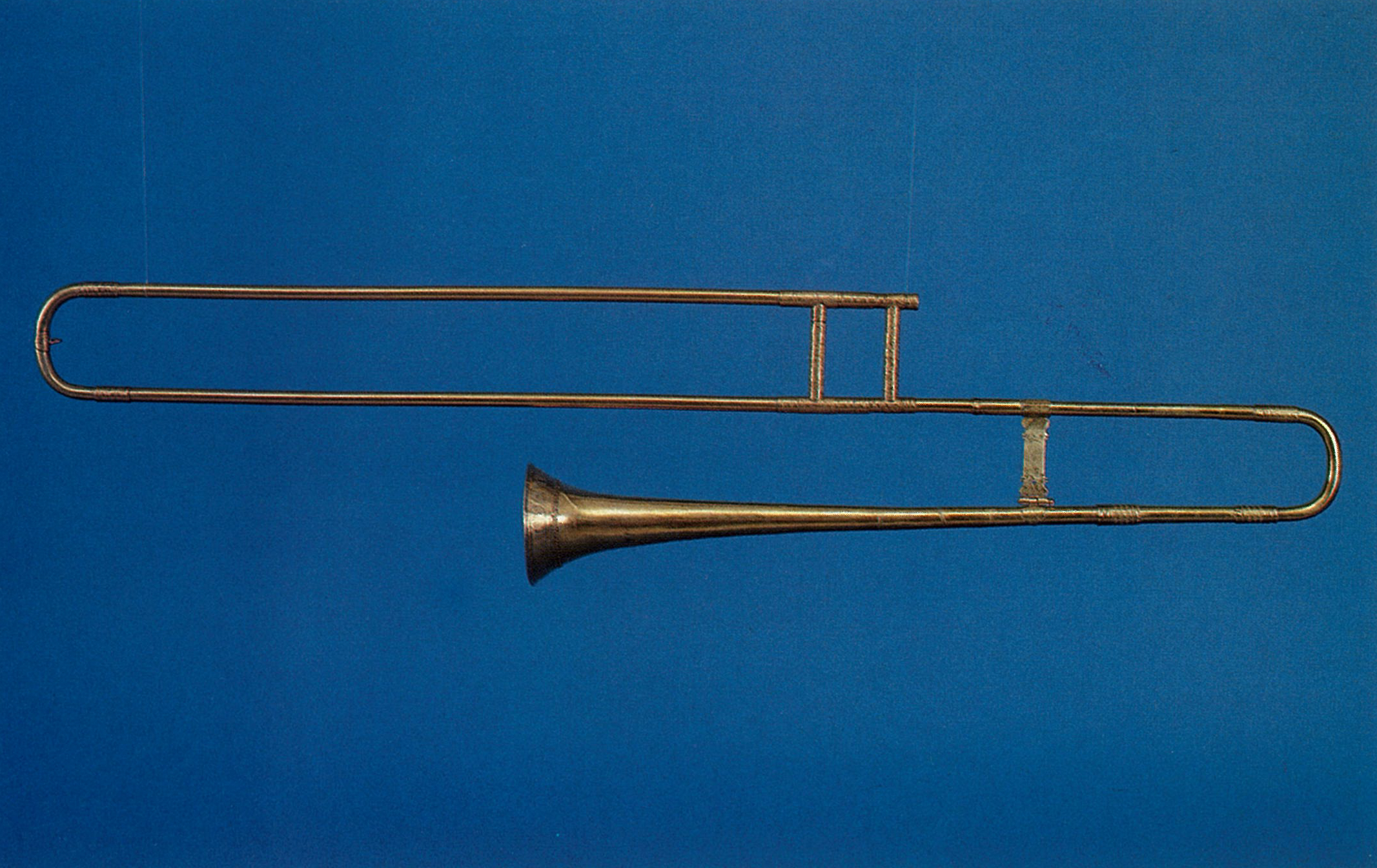
No. 3592. Tenor slide trombone by Michael Nagel, Nürnberg, 1656. Ex. coll.: Bohland & Fuchs, Graslitz, Bohemia. Engraved on bell garland: MACHT MICHAEL NAGEL NVR 1656. Initials M N engraved above bird insignia, placed between first and last name in signature. Slide may be an early 18th-century replacement. Restored by Ursula Menzel, Munich, West Germany, 1984. Sounding length 267,4 cm. Bell diameter 10,5 cm. (Photo 2).

Photo 2.No. 3592. Trombone by Michael Nagel, Nürnberg, 1656.

Photo 2.
No. 3592. Trombone by Michael Nagel, Nürnberg, 1656.

Trumpets

No. 3873. Trumpet by Paul Hainlein, Nürnberg, 1666. Engraved on bell garland: MACHT PAVL/HAINLEIN IN NVRNBERG/ANNO 1666. Engraved rooster insignia above initials P. H. placed between HAINLEIN and IN. Composite trumpet probably made from remnants of two or more period instruments; bell original. Restored by Gary M. Stewart, Conservator, The Shrine to Music Museum, 1986. Sounding length 207.7 cm. Body length 60,6 cm. Bell diameter 10,2 cm. (Photo 3b).

No. 3600. Trumpet by Johann Wilhelm Haas, Nürnberg, ca. 1690-1710. Engraved on bell garland: I W HAAS, FEC. NORIBER. Engraved above fec. is a running hare looking forward. Engraved after Noriber is a coat-of-arms with an N engraved below. Restored by Ursula Menzel, 1984. Sounding length 207,9 cm. Body length 68,6 cm. Bell diameter 10,8 cm. (Photo 3a).

No. 3601. Trumpet by Johann Wilhelm Haas, Nürnberg, ca. 1700-1720. Engraved on bell garland: IOHANN/WILHELM/WILHELM/HAAS/NÜRNBERG and initials IWH above an engraving of a running hare looking forward. Bell garland decorated with attached cast angels and repoussé clamshell pattern. Restored by Ursula Menzel, 1984. Sounding length 210 cm. Body length 70 cm. Bell diameter 11,1 cm. (Photo 3c).
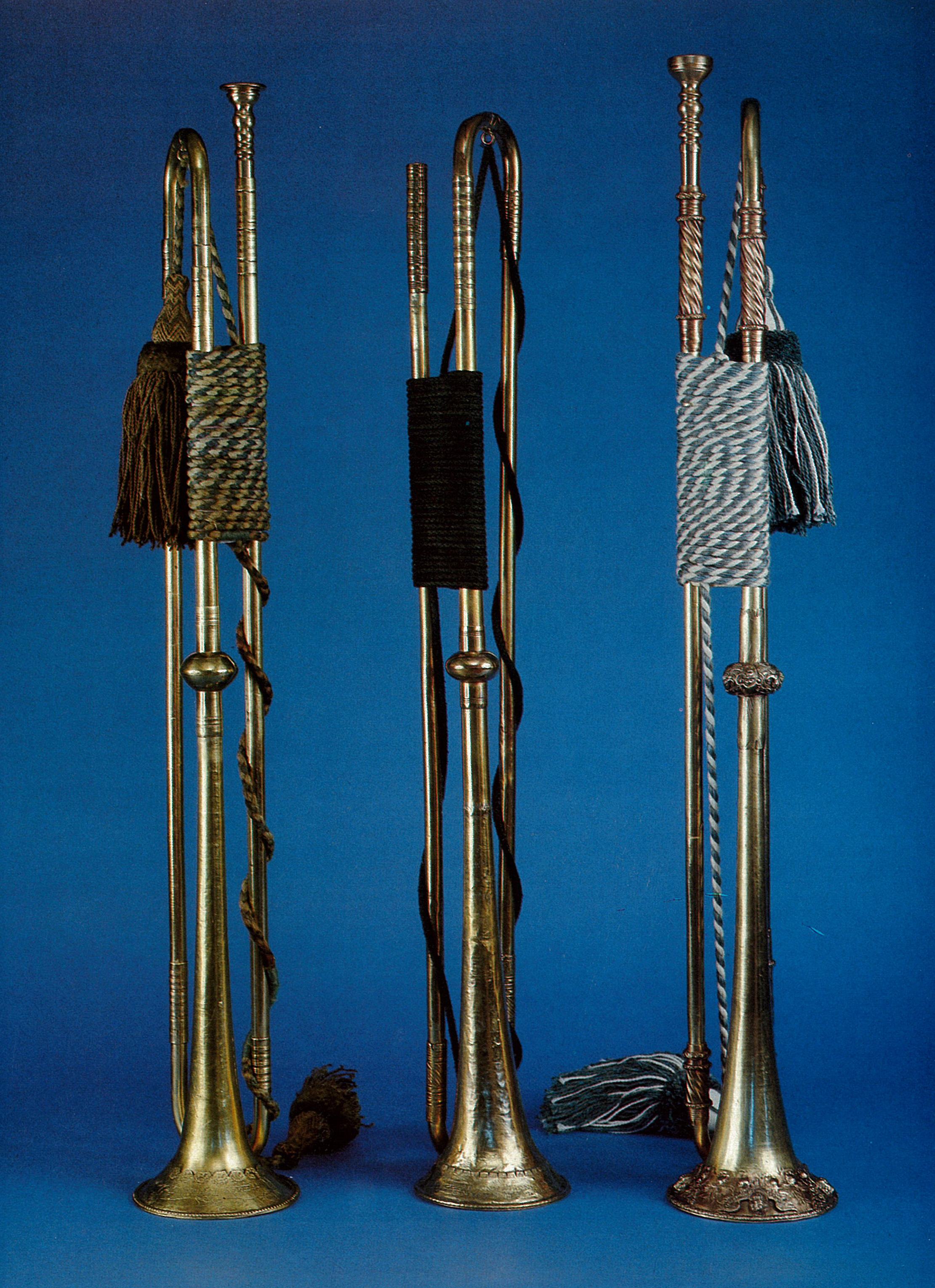
Photo 3a.No. 3600. Trumpet by Johann Wilhelm Haas, Nürnberg, ca. 1690-1710.Photo 3bNo. 3873. Trumpet by Paul Hainlein, N...

Photo 3a.
No. 3600. Trumpet by Johann Wilhelm Haas, Nürnberg, ca. 1690-1710.

Photo 3b
No. 3873. Trumpet by Paul Hainlein, Nürnberg, 1666.

Photo 3c.
No. 3601. Trumpet by Johann Wilhelm Haas, Nürnberg, ca. 1700-1720.

Horns

No. 3488. Jagd-Waldhorn by Wolf Wilhelm Haas, Nürnberg, after 1706. Engraved on bell garland: MACHT IOHANN / WILHELM / HAAS / INNVRNBERG and the initials IWH above engraving of a running hare looking backward. Attached to garland are a cast lion’s head with a ring through it’s mouth, a hunter on horseback, and two dogs chasing a rabbit and a deer. Bell garland decorated with repoussé clamshell pattern and engraved trees and hatchmarks. Restored by Ursula Menzel, 1984. Sounding length 178,6 cm. Outer coil diameter 32,7 cm. Bell diameter 15,24 cm. Bibliography: Herbert Heyde, ”Zwischen Hörnern und Jägertrompeten”, BRASS BULLETIN 55, No. 3 (1986): 48 & 50. Photo 4.
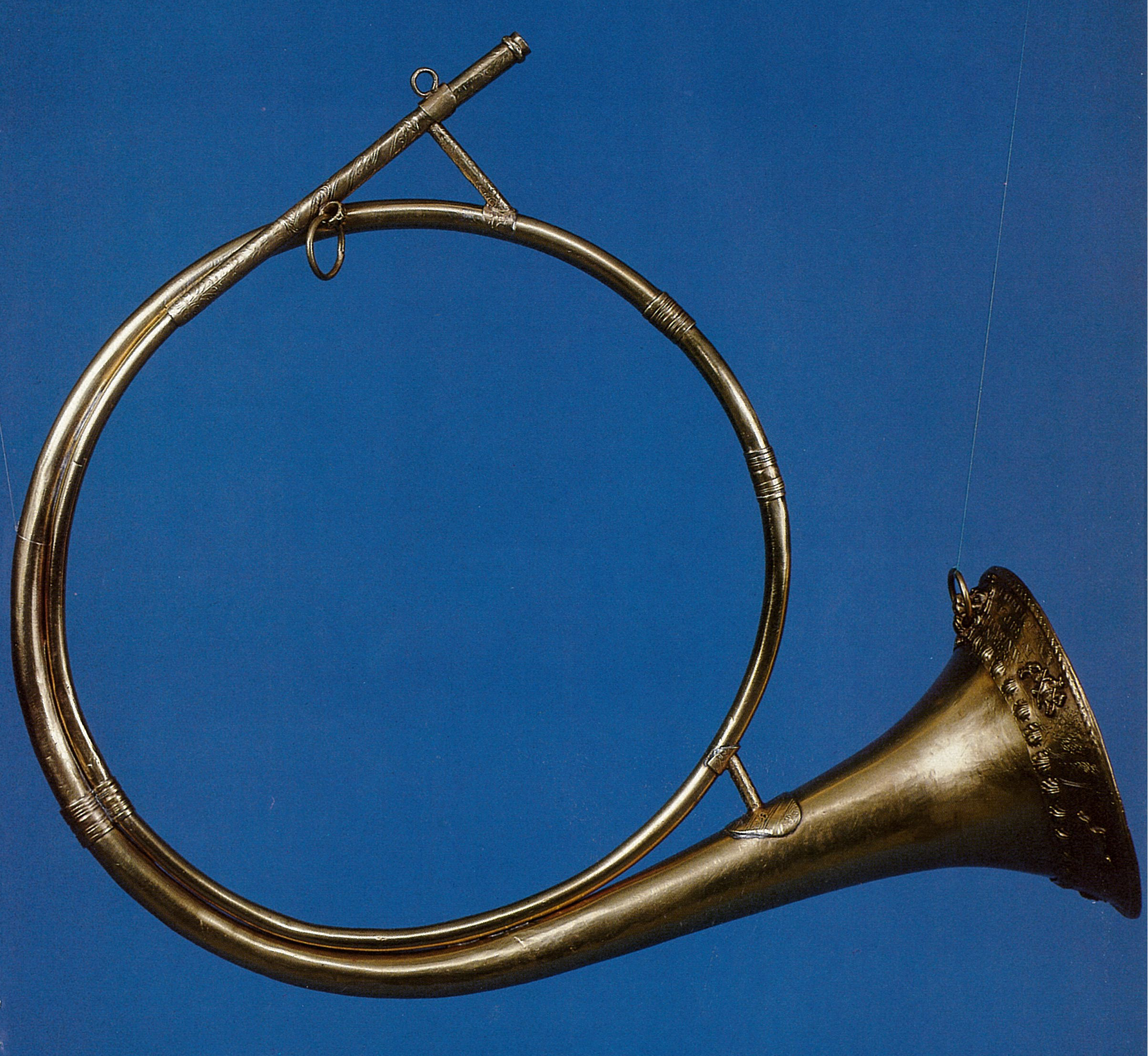
Photo 4.No. 3488. Jagd-Waldhorn by Wolf Wilhelm Haas, Nürnberg, after 1706.

Photo 4.
No. 3488. Jagd-Waldhorn by Wolf Wilhelm Haas, Nürnberg, after 1706.

No. 3347. Jagd-Waldhorn by Paulus Schmidt, Nürnberg, ca. 1750. Engraved on bell garland: MACHT PAULUS/SCHMIDT. IN/NÜRNB and a rooster insignia between the initials P S. The bell garland is decorated with engravings of six crowned, double-headed eagles with outstretched wings. Bell interior painted black. Sounding length 224,79 cm. Outer coil diameter 30,48 cm. Bell diameter 16,7 cm. (Photo 5).
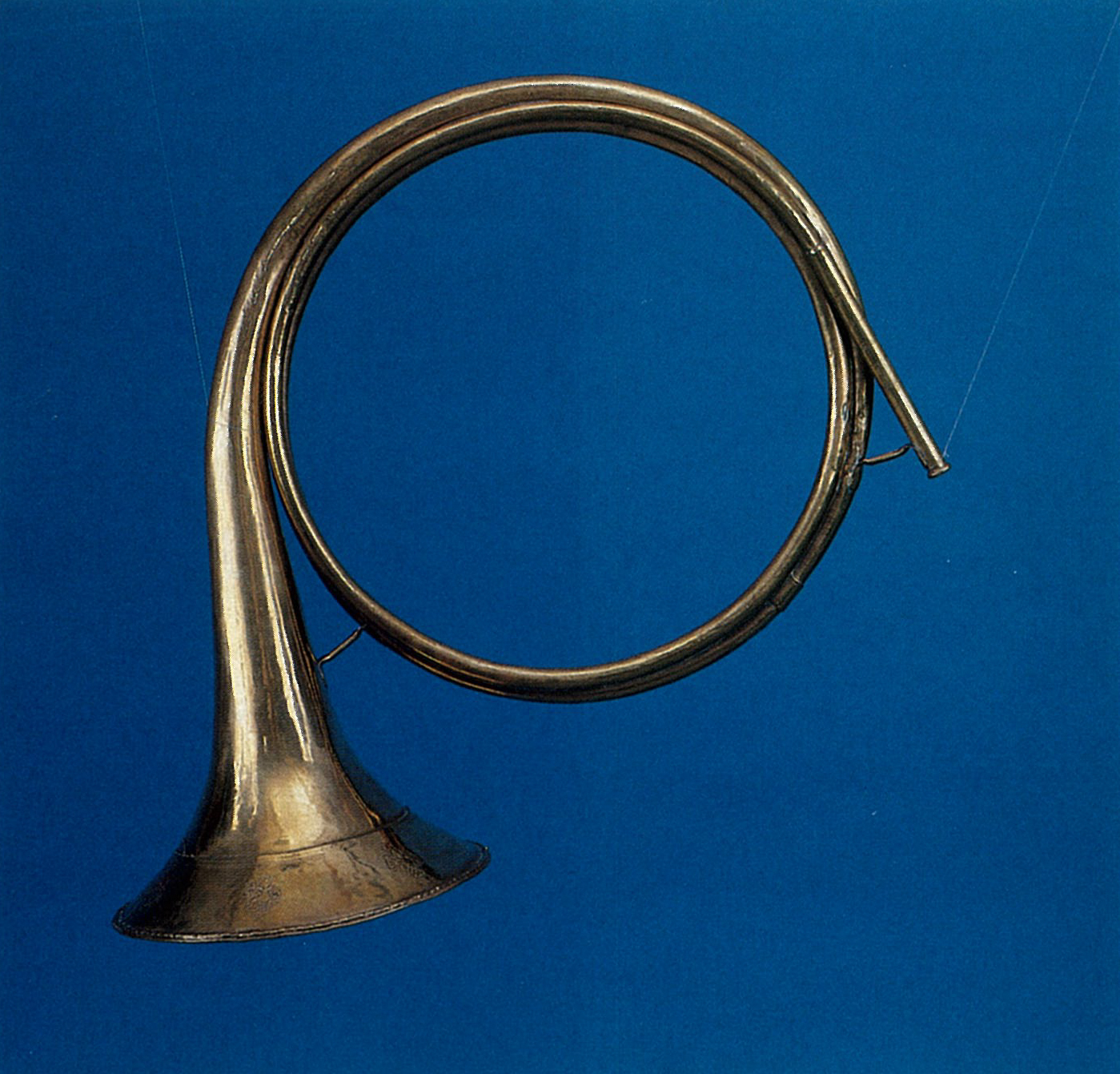
Photo 5.No. 3347. Jagd-Waldhorn by Paulus Schmidt, Nürnberg, ca. 1750.

Photo 5.
No. 3347. Jagd-Waldhorn by Paulus Schmidt, Nürnberg, ca. 1750.

No. 4013. Jagd-Waldhorn by Georg Friedrich Steinmez, Nürnberg, before 1740. Engraved on silver-plated bell garland: MACHT GEORG FRIEDRICH STEINMEZ IN NÜRNBERG and an orb insignia below the initials G F S. The bell garland is decorated with engraved flowers and leaves as well as repoussé clam shells. Period mouthpiece. Restored by Gary M. Stewart, 1986. Sounding length 309,88 cm. Outer coil diameter 31,12 cm. Bell diameter 19,3 cm. (Photos 6 and 7).
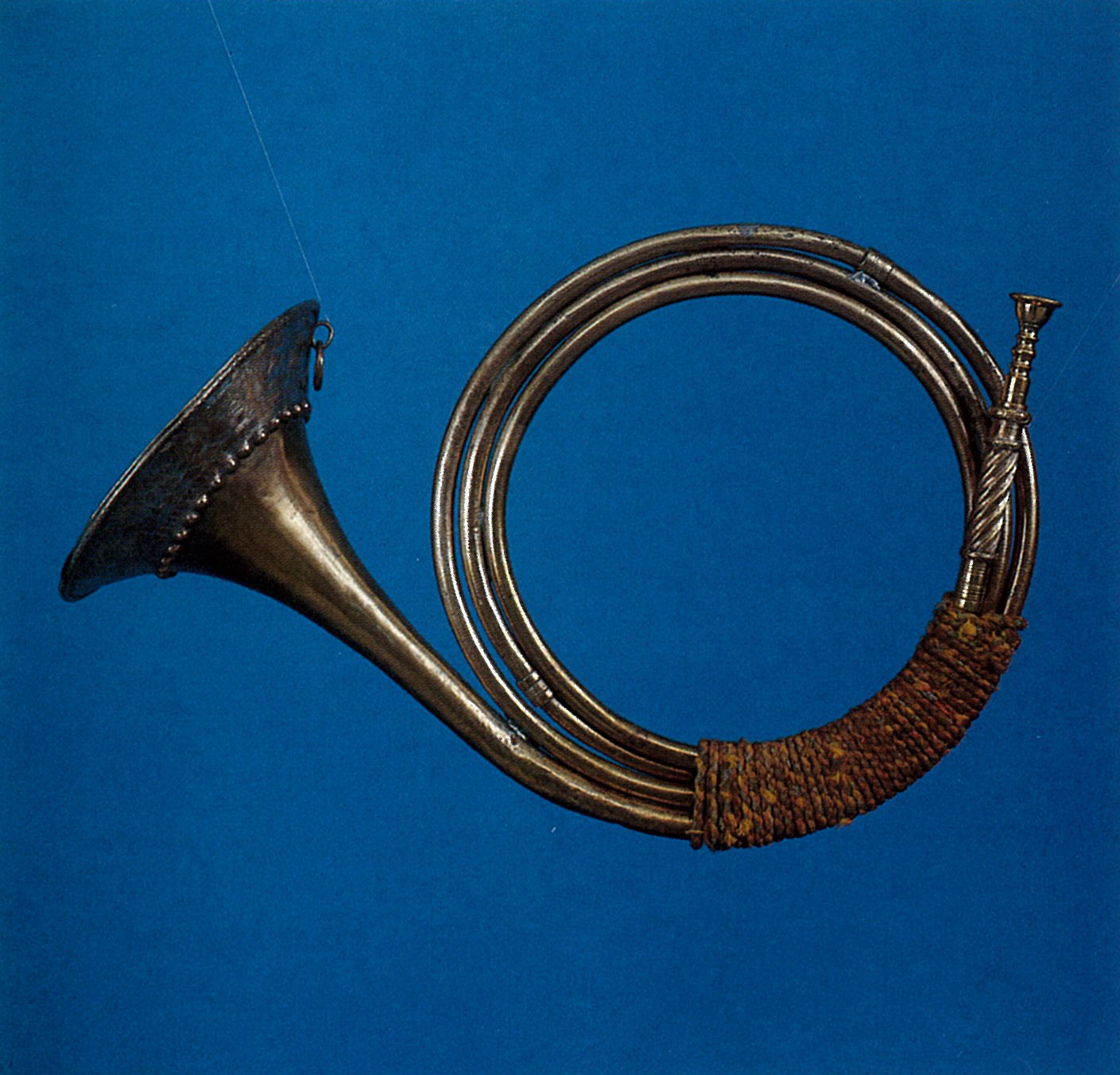
Photo 6.No. 4013. Jagd-Waldhorn by Georg Friedrich Steinmez, Nürnberg, before 1740.
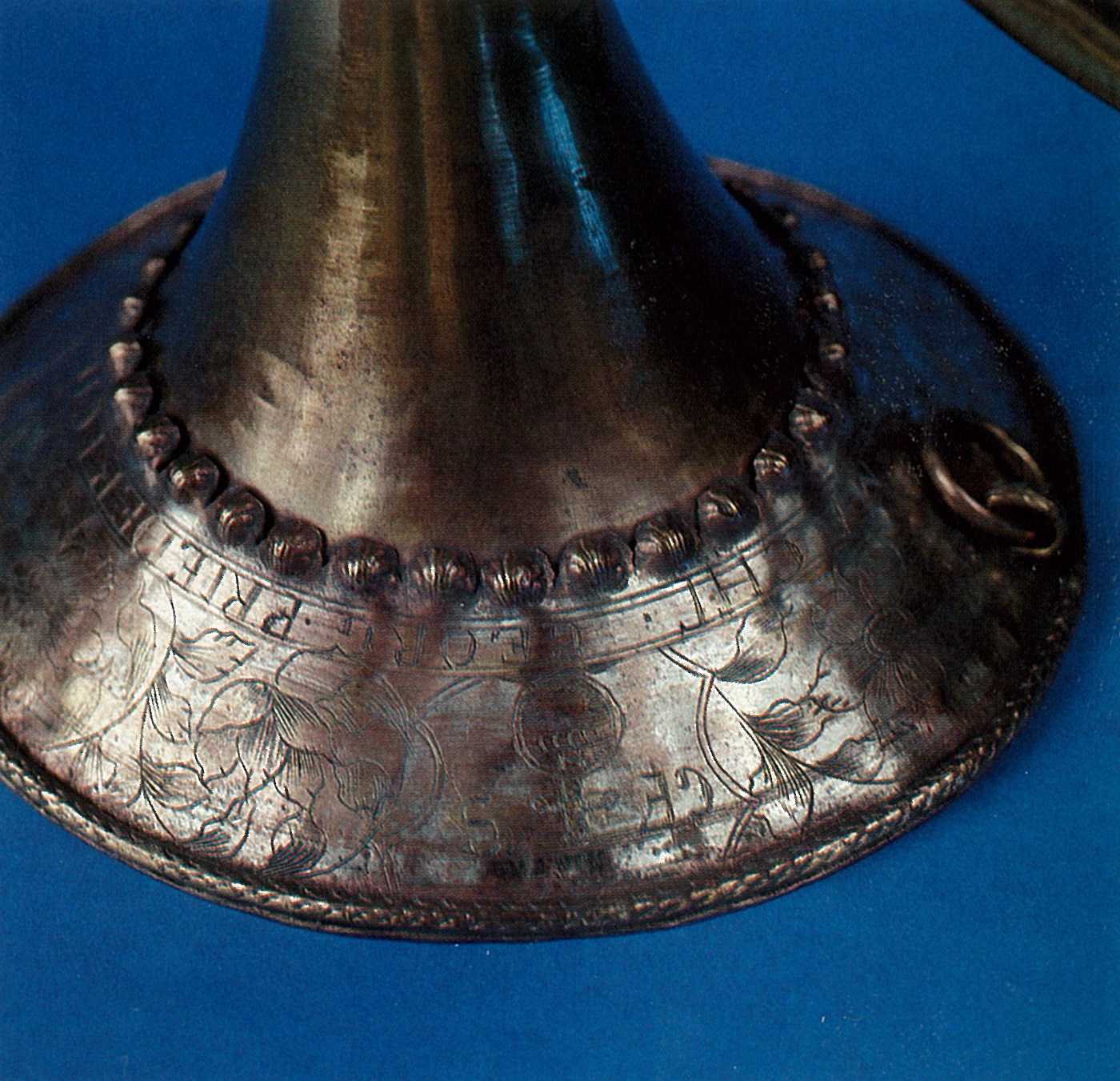
Photo 6.
No. 4013. Jagd-Waldhorn by Georg Friedrich Steinmez, Nürnberg, before 1740.

Photo 7.No. 4013. Bell garland of Jagd-Waldhorn by Georg Friedrich Steinmez, Nürnberg, before 1740.

Photo 7.
No. 4013. Bell garland of Jagd-Waldhorn by Georg Friedrich Steinmez, Nürnberg, before 1740.

No. 2488. Trompe de chasse by Joseph Raoux, Rue Ticquetonne, Paris, ca. 1769-1776. Engraved on bell garland: FAIT À PARIS PAR RAOUX /. ORDINAIRE· DU· ROY· RUE· TICQUETONNE. Restored by Gary M. Stewart, 1979. Sounding length 438,15 cm. Outer coil diameter 54,61 cm. Bell diameter 26,35 cm. (Photo 8).

No. 1466. Jagd-Waldhorn by Balthas Fürst, Ellwangen, 1783. Engraved on bell garland: MACHT BALTHAS FÜRST IN ELLWANG/1783. Bell interior lacquered black. Restored by Gary M. Stewart, 1978. Sounding length 292 cm. Outer coil diameter 26,5 cm. Bell diameter 22 cm.
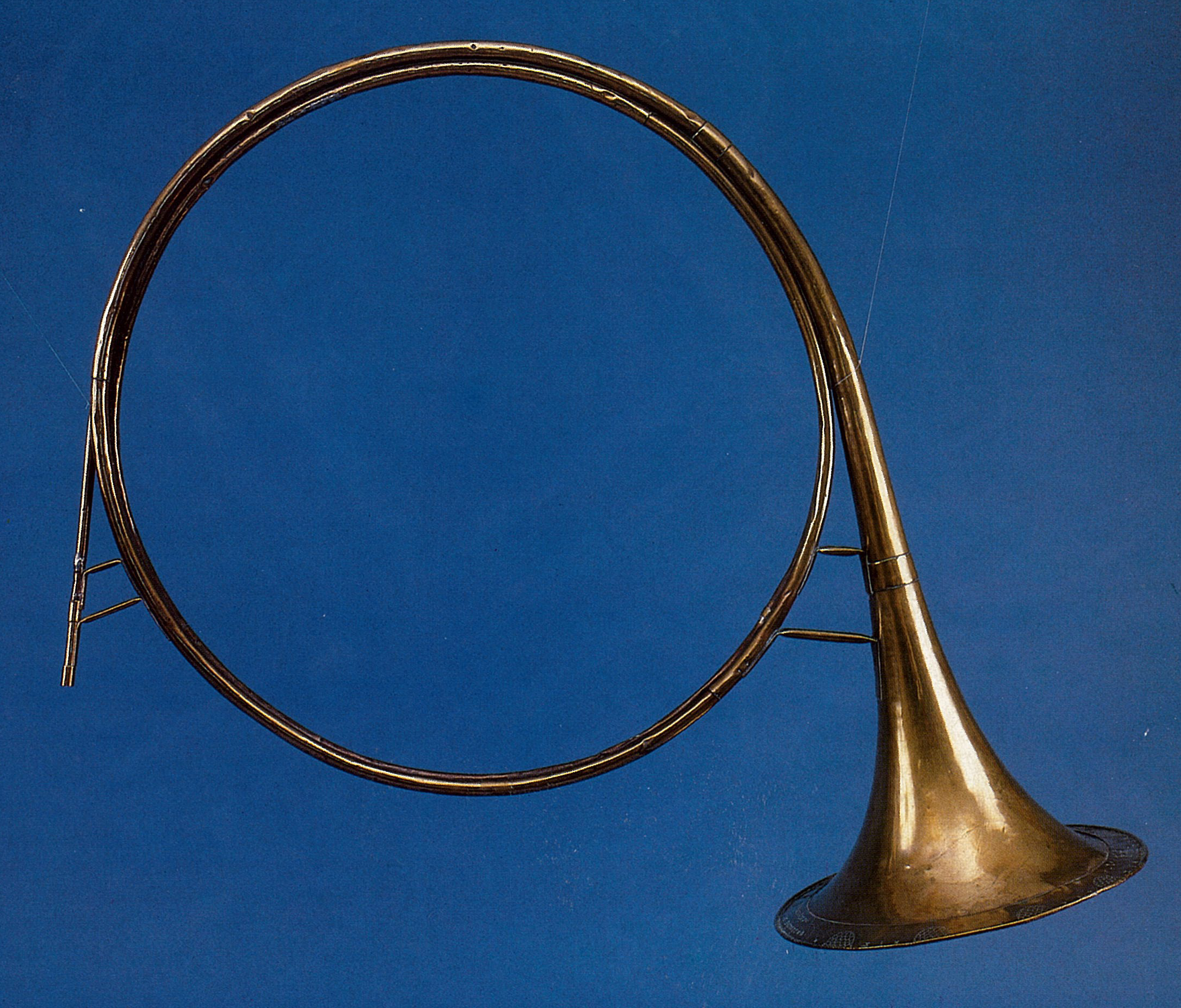
Photo 8.No. 2488. Trompe de chasse by Joseph Raoux, Paris, ca. 1769-1776.

Photo 8.
No. 2488. Trompe de chasse by Joseph Raoux, Paris, ca. 1769-1776.

Museum address

The Shrine to Music Museum 414, East Clark Street Vermillion, SD 57069 USA Telephone: (605) 677-5306

Direct research inquiries to: Dr. André P. Larson, Director, or Dr. Margaret D. Banks, Curator.

Admission and hours

Free public admission. Open 7 days a week (except New Year’s Day, Thanksgiving, and Christmas). Hours: Monday-Friday, 9:00-4:30; Saturday, 10:00-4:30; Sunday, 2:00-4:30.

Bibliography

Catalogs

Cross, Thomas E., ”Instruments of Burma, India, Nepal, Thailand, and Tibet.” The Shrine to Music Museum Catalog of the Collections, Vol. II. André P. Larson, ed. Vermillion, SD: The Shrine to Music Museum Foundation, 1982. 32 pp.

Stewart, Gary M., ”Keyed Brass Instruments in the Arne B. Larson Collection.” The Shrine to Music Museum Catalog of the Collections, Vol I. André P. Larson, ed. Vermillion, SD: The Shrine to Music Museum Foundation, 1980. 34 pp.

These catalogs are available for purchase from The Shrine to Music Museum. Prices: USA and Canada $6.50; Europe $9.50 (air mail); and, Africa, Asia, and South America $10.00 (air mail).

Dissertations and Theses

*Kitzel, Larry. ”The Trombones of the Shrine to Music Museum.” D.M.A. dissertation. Norman, OK: University of Oklahoma, 1985. 284 pp.

*Larson, André P. ”Catalog of the Nineteenth-Century British Brass Instruments in the Arne B. Larson Collection.” Ph.D. dissertation. Morgantown, WV: West Virginia University, 1974. 158 pp.

Larson, Mary Hueschen. ”Catalog of the Baritones and Euphoniums in the Arne B. Larson Collection of Musical Instruments.” M.M. thesis. Vermillion, SD: University of South Dakota, 1978. 245 pp.

*Moege, Gary Ray. ”A Catalog of the Alto Brass Instruments in the Arne B. Larson Collection of Musical Instruments.” D.M.A. dissertation. Norman, OK: University of Oklahoma, 1985. 639 pp.

Stewart, Gary M. ”The Restoration and Cataloging of Four Serpents in the Arne B. Larson Collection of Musical Instruments.” M.M. thesis. Vermillion, SD: University of South Dakota, 1978. 73 pp.

*Swain, John Joseph. ”A Catalog of the E-flat Tubas in the Arne B. Larson Collection at the University of South Dakota.” Ph.D. dissertation. East Lansing, MI: Michigan State University, 1985. 383 pp.

Articles

Petersen, Mary [Larson] ”The Arne B. Larson Collection,” T.U.B.A. Journal, Vol. VIII, No. 2 (Fall 1980): 5-7.

——— ”The Arne B. Larson Collection, Part Two”, T.U.B.A. Journal, Vol. VIII, No. 3. (Winter 1980): 15-18.

——— ”Baritones and Euphoniums of European Origins in the Arne B. Larson Collection”, T.U.B.A. Journal, Vol. IX, No. 1 (Summer 1981): 3-7.

——— ”A Brief History of the Euphonium”, Instrumentalist, Vol. 35, No. 10 (May 1981): 16-17.

——— ”Double-Bell Euphoniums in the Arne B. Larson Collection”, T.U.B.A. Journal, Vol. VIII, No 4 (Spring 1981): 4-7.

⁎Dissertations available for purchase through University Microfilms, 300 North Zeeb Road, Ann Arbor, MI 48106 USA.

Brass Bulletin 58, II / 1987 pagine 50–59

Tutti i contenuti sono protetti dal diritto d’autore © Brass Bulletin 1987–2026

Condividi questo articolo

Facebook LinkedIn
Loading…

Domande e risposte

Come funziona l’edizione digitale

Che cosa comprende l’edizione digitale?

L’edizione digitale riunisce gli articoli già digitalizzati sotto forma di testi leggibili e ricercabili online — non semplicemente come scansioni o file PDF — insieme alle illustrazioni originali, alle note, agli autori, alle informazioni sul numero della rivista e alle traduzioni disponibili. I suggerimenti di articoli correlati comprendono attualmente solo questo materiale digitalizzato.

Gli articoli digitali sono identici agli originali?

Conserviamo il più fedelmente possibile il testo originale, la lingua, le illustrazioni, le didascalie, le note e il contesto editoriale. La presentazione viene adattata per una lettura confortevole online e gli evidenti errori di trascrizione o scansione possono essere corretti. Il contenuto e il carattere dell’articolo pubblicato rimangono invariati.

Quali lingue sono disponibili?

Brass Bulletin è stato pubblicato in inglese, francese e tedesco nel corso di tutta la sua storia. Le traduzioni italiane e spagnole sono state aggiunte a partire dal numero 60. Sui siti italiano e spagnolo, gli articoli dei numeri da 1 a 59 vengono quindi mostrati in inglese per impostazione predefinita.

Con quale frequenza vengono aggiunti nuovi articoli?

Nuovi articoli vengono aggiunti quasi ogni giorno, con circa un numero completo digitalizzato ogni settimana. Il ritmo può variare in base al lavoro di preparazione, elaborazione delle immagini e verifica editoriale necessario.

Perché non tutti gli articoli sono disponibili in formato digitale?

La collezione completa di Brass Bulletin comprende 1.246 articoli pubblicati tra il 1971 e il 2003. L’indice completo è già disponibile online e consente di scoprire tutti gli articoli della collezione, compresi quelli il cui testo integrale non è ancora stato digitalizzato.

La digitalizzazione è iniziata nel febbraio 2026. Ogni articolo viene accuratamente preparato per la lettura online, verificato e collegato al relativo numero, agli autori, agli argomenti e alle illustrazioni. Al ritmo attuale di digitalizzazione, la collezione completa dovrebbe essere disponibile online entro febbraio 2028.

Perché alcuni riferimenti citano articoli che non sono ancora disponibili?

I riferimenti presenti negli articoli originali vengono conservati anche quando il materiale a cui rimandano non è ancora stato digitalizzato. In questo modo si preserva l’integrità storica ed editoriale della rivista. Man mano che nuovi numeri vengono aggiunti all’edizione digitale, un numero crescente di questi riferimenti condurrà ad articoli leggibili online.

Posso suggerire un articolo o segnalare un errore di trascrizione?

Sì. Se desiderate che un determinato articolo venga digitalizzato, oppure se notate un possibile errore di trascrizione o un’informazione mancante, contattateci. I riscontri dei lettori ci aiutano a migliorare l’edizione digitale e a stabilire priorità utili all’interno dell’archivio.

Come posso sostenere Brass Bulletin?

Il vostro sostegno contribuisce a finanziare la preparazione, la verifica e la pubblicazione online dell’intera collezione.

Abbonati all’Edizione digitale

Preferite sostenerci senza abbonarvi?

Fate una donazione

Come procede la digitalizzazione?

Stiamo rendendo Brass Bulletin disponibile online gradualmente, articolo per articolo. Potete leggere gli articoli appena digitalizzati non appena sono pronti, anche prima che un intero numero sia completato.

Consultate il nostro calendario di digitalizzazione per scoprire le ultime aggiunte e le date di disponibilità stimate dei prossimi numeri. Le stime si basano sul nostro ritmo recente e possono cambiare.

Cerca in Brass Bulletin.