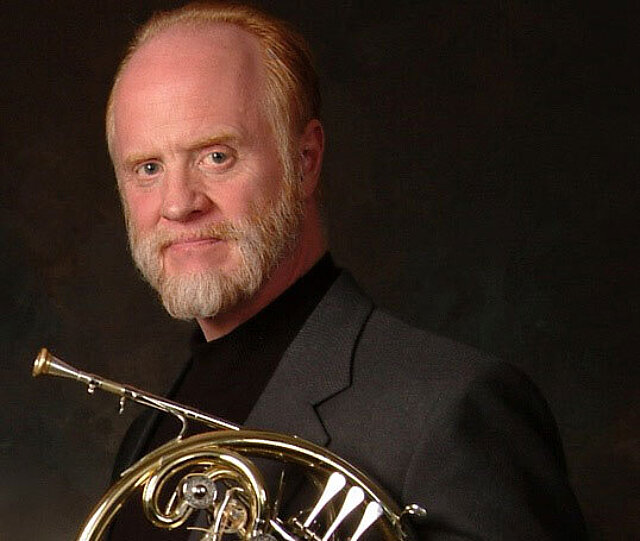
Jeffrey Agrell
Jeffrey Agrell is an American horn player, teacher, composer and writer whose work has ranged from orchestral performance and traditional horn pedagogy to jazz, improvisation and new approaches to musical creativity. Born in Minneapolis in 1948, Agrell studied at St. Olaf College and later completed a master’s degree in horn…
Read biography
Jeffrey Agrell is an American horn player, teacher, composer and writer whose work has ranged from orchestral performance and traditional horn pedagogy to jazz, improvisation and new approaches to musical creativity.
Born in Minneapolis in 1948, Agrell studied at St. Olaf College and later completed a master’s degree in horn performance at the University of Wisconsin–Madison. He spent the first major part of his professional career in Switzerland, serving for twenty-five years as third and later associate principal horn of the Lucerne Symphony Orchestra. This period gave him extensive experience across symphonic and operatic repertoire while also allowing him to develop interests extending well beyond conventional orchestral playing.
In 2000, Agrell returned to the United States to join the University of Iowa School of Music as professor of horn. He remained there until his retirement from university teaching in 2021 and is now Associate Professor Emeritus. Alongside the standard solo, chamber and orchestral repertoire, his teaching increasingly explored improvisation, creativity and ways of developing musicianship beyond the reproduction of written music.
Writing has been a major part of Agrell’s musical activity throughout his career. He has published more than one hundred articles and several books, addressing horn technique, pedagogy, improvisation, creativity and broader questions of musical development. He was for many years associated with The Horn Call, the journal of the International Horn Society, contributing an extensive succession of articles, interviews, jazz clinics and pedagogical columns. His writings frequently challenge established routines of instrumental teaching and encourage musicians to experiment, improvise, compose and develop their own creative resources.
His relationship with Brass Bulletin began much earlier. Across twenty-four contributions published between 1978 and 2002, Agrell explored an unusually broad range of subjects. His four-part series Zen and the Art of Horn Playing examined concentration, awareness, breathing and the mental dimensions of performance, while other essays considered listening, pedagogy, repertoire, instrument making and the future of horn playing. He also interviewed and portrayed musicians and makers including Hans Pizka, Meir Rimon, Thomas Müller, Douglas Hill and Richard Seraphinoff.
Jazz became another important thread in this writing. Beginning in 1982, his long-running Jazz and the Horn series examined both the history of the instrument in jazz and the practical challenges facing classically trained horn players entering an improvisational tradition. Agrell documented figures including Julius Watkins, Thomas Bacon, Tom Varner, Peter Gordon, John Clark, Dale Clevenger and Richard Todd, while also addressing how players could begin learning jazz itself. The series anticipated an interest in improvisation and creative musicianship that would become increasingly central to his later teaching and publications.
As a composer and arranger, Agrell has produced numerous works for horn and other instruments, many of them reflecting the same interest in expanding conventional approaches to performance. His recorded projects have ranged from horn and piano to unusual chamber combinations and improvisation with electronic elements. His compositions have been performed internationally and at festivals and competitions.
Agrell’s work on improvisation has been particularly concerned with musicians trained in the classical tradition. Rather than treating improvisation exclusively as a branch of jazz, he has developed exercises and games intended to make spontaneous music-making accessible to classical performers and teachers. Books devoted to this approach have become an important part of his pedagogical output, alongside publications concerned specifically with horn technique and creative musicianship.
His involvement with the wider horn community has also included two terms on the Advisory Council of the International Horn Society, as well as appearances as a performer, clinician and teacher at workshops, festivals and conferences internationally. He has taught at the Asian Youth Orchestra and at specialist horn programs in the United States.
Across performance, composition, teaching and writing, Jeffrey Agrell’s work has repeatedly questioned the boundaries of traditional instrumental training. His contributions to Brass Bulletin already reveal many of the ideas that would characterize his later work: curiosity beyond the standard repertoire, an interest in the mental processes of performance, openness to jazz and improvisation, and the conviction that instrumental technique and musical creativity need not be separate pursuits.
24 Articles by Jeffrey Agrell
Brass Bulletin 22 - 2 / 1978
Agrell, Jeffrey
Zen and the Art of Horn playing
Beyond technique: Jeffrey Agrell explores how Zen challenges Western thinking—revealing a new path to awareness, focus, and deeper musical experience in horn playing.
pp. 33–38
Brass Bulletin No 22 · 1978
Horn· Health· Mental approach
Brass Bulletin 23 - 3 / 1978
Agrell, Jeffrey
Zen and the Art of Horn playing
Beyond technique: Jeffrey Agrell explores the clash between intellect and intuition—arguing that true musical expression begins where analysis ends.
pp. 69–72
Brass Bulletin No 23 · 1978
Horn· Health· Society· Mental approach· Sociology
Brass Bulletin 25 - 1 / 1979
Agrell, Jeffrey
Dreams and wishes
Things I would like to see happen concerning the horn and horn playing
A set of proposals for the future of the horn: Jeffrey Agrell addresses editions, pedagogy, instruments, and repertoire—from Mozart to contemporary practice.
pp. 59–62
Brass Bulletin No 25 · 1979
Horn· Equipment· Repertoire· Ideas· Contemporary Music
Brass Bulletin 27 - 3 / 1979
Agrell, Jeffrey
Zen and the Art of Horn playing
Between breath, reflex, and attention, Jeffrey Agrell links Zen practice with the physical and mental habits that shape brass playing.
pp. 63–70
Brass Bulletin No 27 · 1979
Horn· Health· Mental approach· Nerves
Brass Bulletin 29 - 1 / 1980
Agrell, Jeffrey
Zen and the Art of Horn playing
From meditation to distance running, horn playing becomes a way of quieting mental noise, linking breath, concentration, and daily life.
pp. 35–40
Brass Bulletin No 29 · 1980
Horn· Health· Nerves· Breathing
Brass Bulletin 33 - 1 / 1981
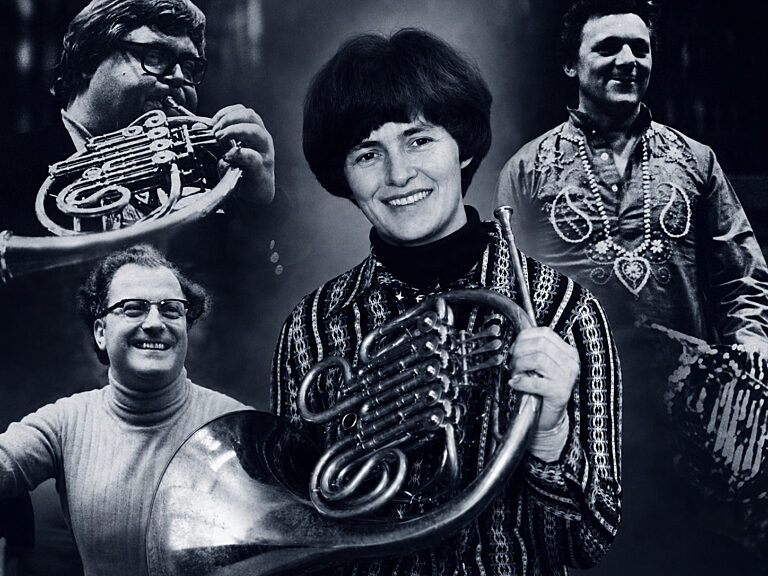
Agrell, Jeffrey
The first european horn symposium
A week in Trossingen brought leading horn players, Mozart debates, natural-horn controversies and lasting friendships at a landmark European gathering.
pp. 13–16
Brass Bulletin No 33 · 1981
Horn· Event· Report· Interpretation· Contemporary Music
Brass Bulletin 36 - 4 / 1981
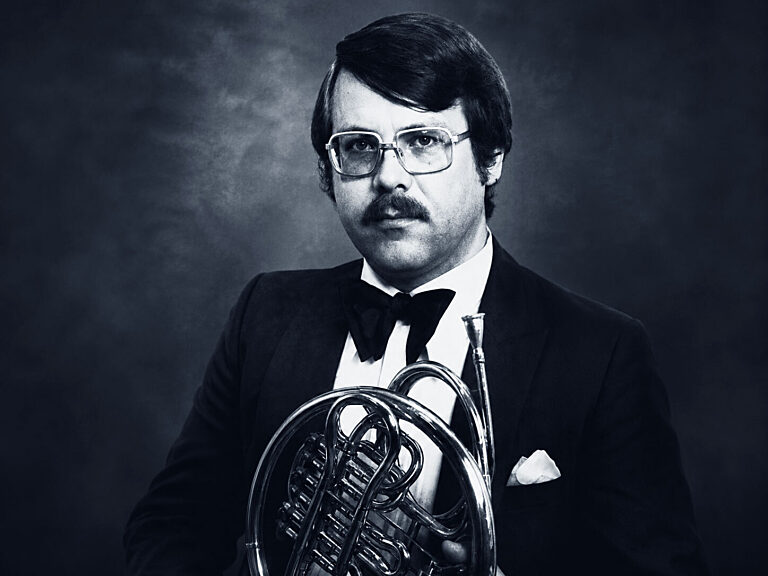
Agrell, Jeffrey
Interview with Hans Pizka
From Vienna horn traditions and natural-horn training to orchestral style and pedagogy, Hans Pizka reflects on the foundations of horn playing and musical identity.
pp. 26–31
Brass Bulletin No 36 · 1981
Horn· Encounters· Teaching· Equipment· Historical instruments· Orchestral playing
Brass Bulletin 38 - 2 / 1982

Agrell, Jeffrey
Listening
Musical listening begins where judgment ends, as Jeffrey Agrell questions habits of criticism, recordings and expectation that shape every performance.
pp. 9–14
Brass Bulletin No 38 · 1982
Society· Sociology· Mental approach
Brass Bulletin 40 - 4 / 1982
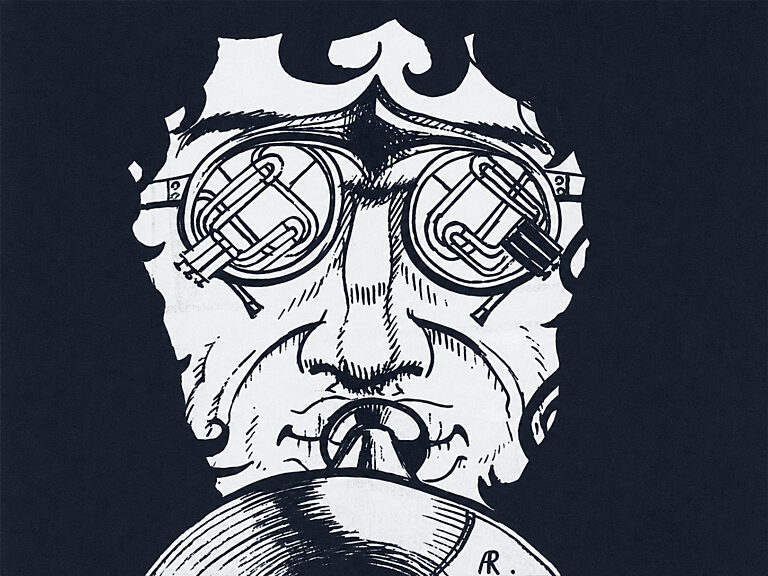
Agrell, Jeffrey
Jazz and the Horn
The horn was once considered incompatible with jazz until changing ideas of sound and musicians like John Graas quietly overturned that certainty.
pp. 41–45
Brass Bulletin No 40 · 1982
Horn· Repertoire· History· Jazz· Improvisation
Brass Bulletin 41 - 1 / 1983
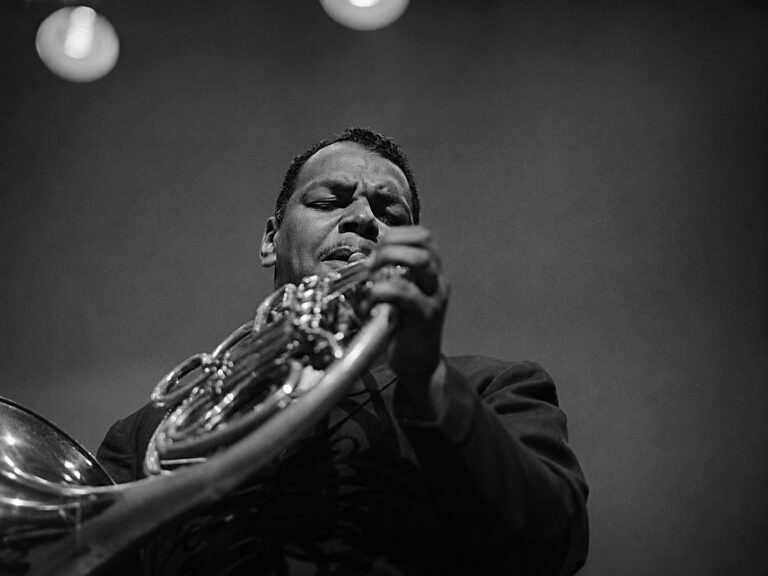
Agrell, Jeffrey
Jazz and the Horn
Julius Watkins
A pioneering career, landmark recordings and collaborations with jazz legends gave the French horn a place it had never occupied before.
pp. 20–23
Brass Bulletin No 41 · 1983
Horn· Encounters· Professional life· Jazz· Improvisation
Brass Bulletin 42 - 2 / 1983
Agrell, Jeffrey
Jazz and the Horn
Getting started
For the classically trained horn player, jazz replaces the security of the printed page with listening, swing and improvisation—and a different kind of discipline.
pp. 36–45
Brass Bulletin No 42 · 1983
Horn· Teaching· Technique· Jazz· Improvisation
Brass Bulletin 45 - 1 / 1984
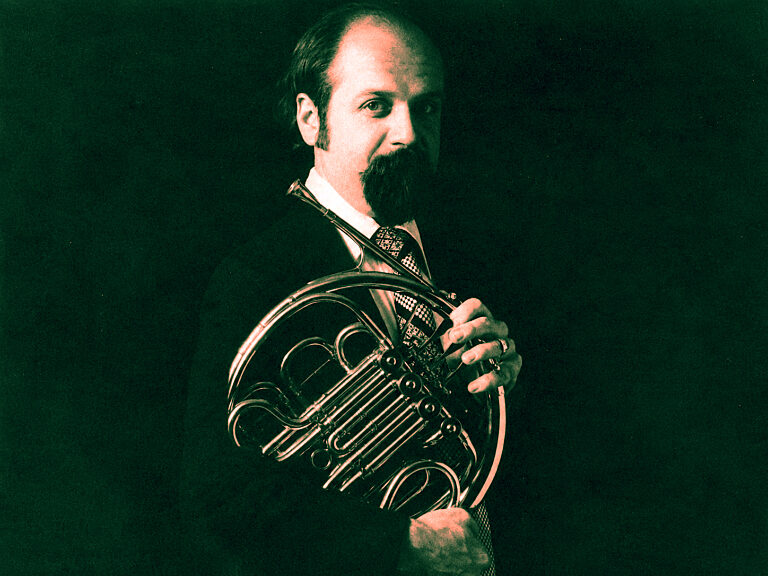
Agrell, Jeffrey
Jazz and the Horn
Thomas Bacon
Classical discipline meets jazz-rock freedom as Thomas Bacon confronts improvisation, stylistic crossover and the physical demands placed on the horn.
pp. 34–37
Brass Bulletin No 45 · 1984
Horn· Encounters· Improvisation· Jazz
Brass Bulletin 46 - 2 / 1984
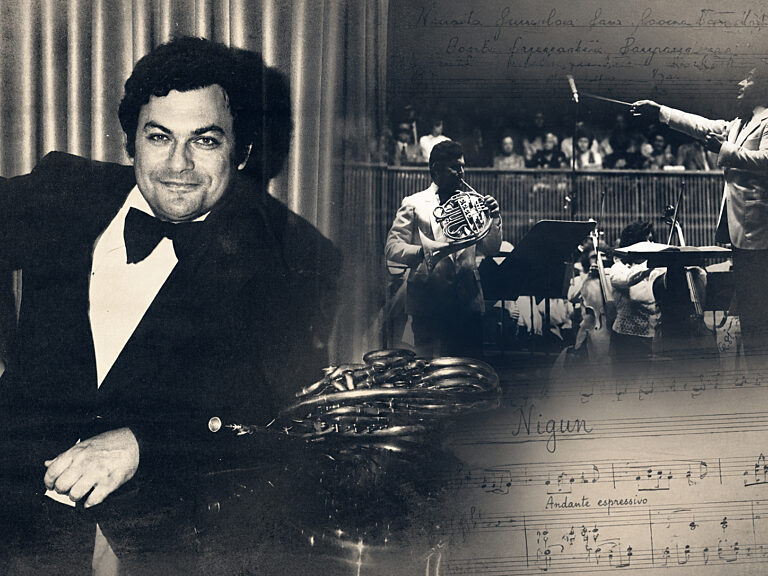
Agrell, Jeffrey
Meir Rimon
Portrait and conversation
Orchestral discipline, solo freedom and an endless appetite for learning shaped Meir Rimon’s horn playing across Israeli, European and American traditions.
pp. 36–41
Brass Bulletin No 46 · 1984
Horn· Encounters· Professional life· Orchestral playing· Solo playing
Brass Bulletin 47 - 3 / 1984
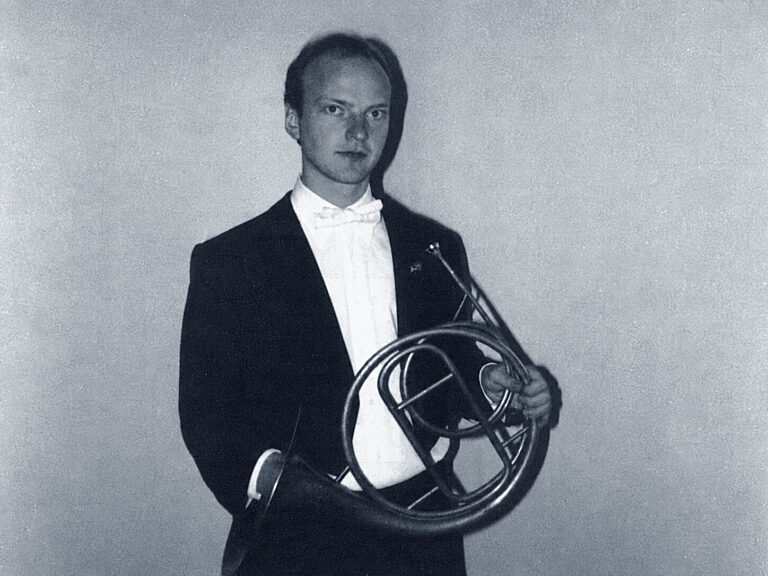
Agrell, Jeffrey
Interview with Thomas Müller
The natural horn is not a retreat into the past: Thomas Müller argues that its demands on sound, technique and awareness can broaden a modern player’s craft.
pp. 31–33
Brass Bulletin No 47 · 1984
Horn· Technique· Historical instruments· Natural horn
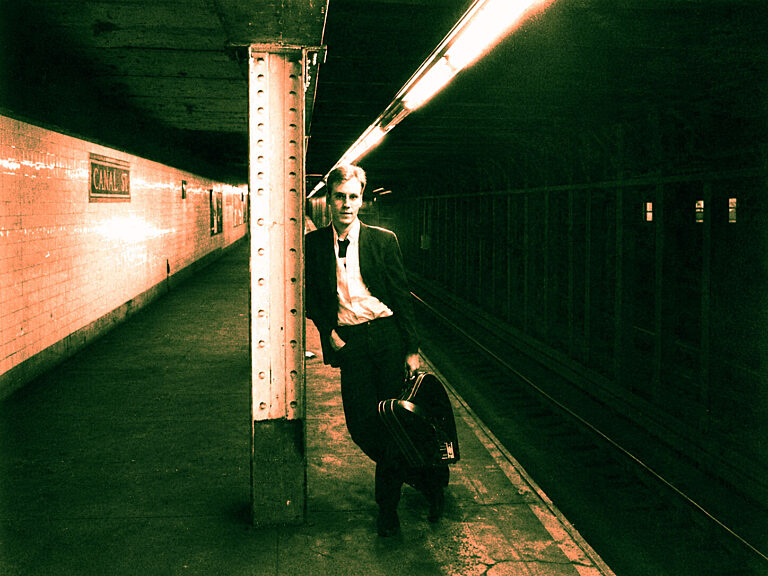
Agrell, Jeffrey
Jazz and the Horn
Tom Varner
Choosing jazz over the orchestral path, Tom Varner confronts the horn’s stiffness, projection and unlikely place as a front-line improvising voice.
pp. 55–57
Brass Bulletin No 47 · 1984
Horn· Encounters· Jazz· Improvisation
Brass Bulletin 49 - 1 / 1985
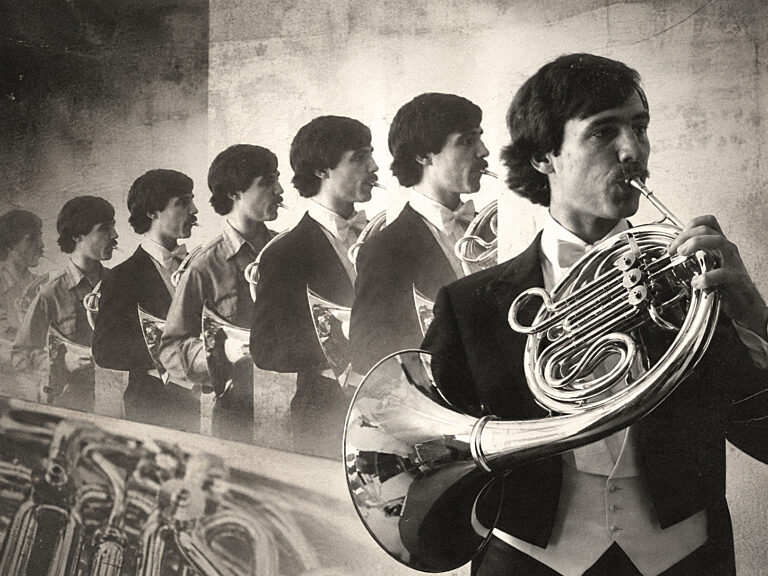
Agrell, Jeffrey
Steve Lewis, Hornmaker
Old World Craftsmanship plus New World Technology
In 1980s Chicago, Steve Lewis joined Old World bench craft to modern precision, building horns one by one around the player, the metal and a distinctive sound.
pp. 36–39
Brass Bulletin No 49 · 1985
Horn· Equipment· Instrument Makers· Instrument making· Sound
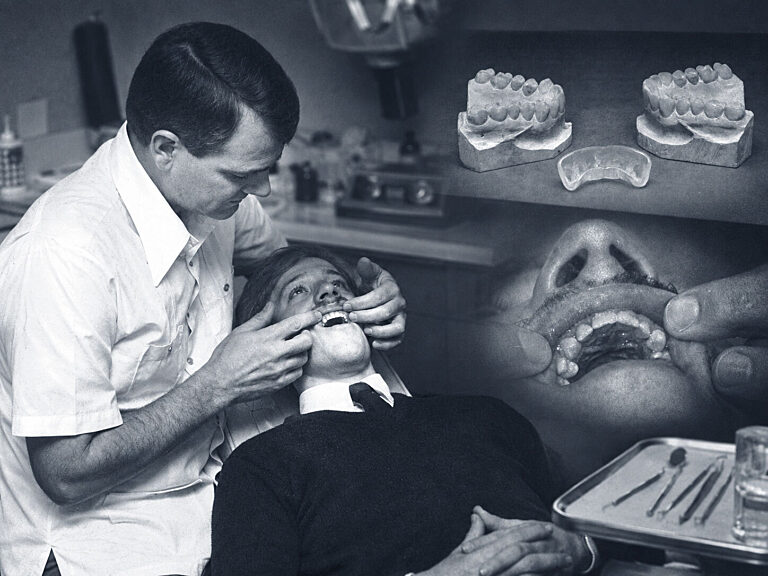
Agrell, Jeffrey
Overlays and bonding
New dental aids for brass players
A trumpeter’s dental experiments in the 1980s turned teeth, mouthpiece pressure and embouchure into an unexpected field of collaboration with dentistry.
pp. 80–86
Brass Bulletin No 49 · 1985
Health· Technique· Teeth· Endurance
Brass Bulletin 50 - 2 / 1985
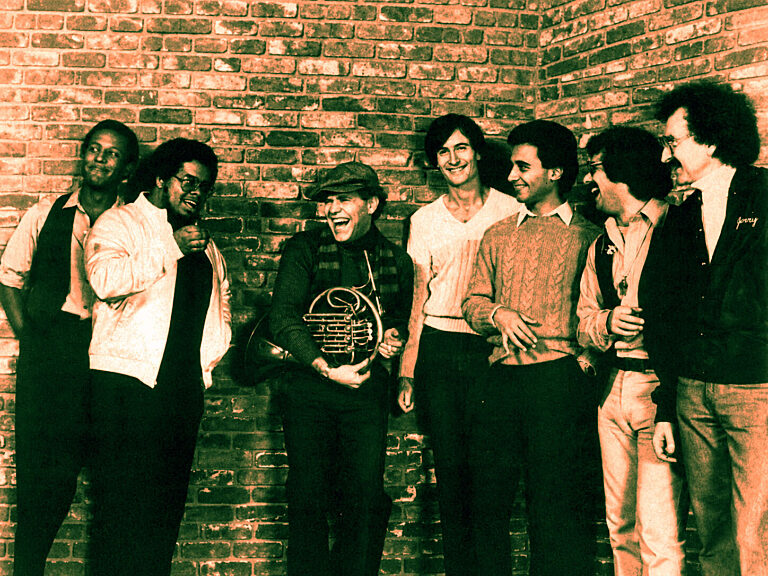
Agrell, Jeffrey
Jazz and the Horn
Peter Gordon
Classically trained but drawn elsewhere, Peter Gordon made the horn at home in jazz, studios and popular music without abandoning its orchestral foundations.
pp. 31–34
Brass Bulletin No 50 · 1985
Horn· Encounters· Jazz· Improvisation
Brass Bulletin 52 - 4 / 1985
Agrell, Jeffrey
Jazz and the Horn
John Clark
pp. 61–65
Brass Bulletin No 52 · 1985
Horn· Report· Encounters
Brass Bulletin 54 - 2 / 1986
Agrell, Jeffrey
Jazz and the Horn
Dale Clevenger
pp. 104–107
Brass Bulletin No 54 · 1986
Horn· Report· Encounters
Brass Bulletin 65 - 1 / 1989
Agrell, Jeffrey
Douglas Hill
Profile of a Horn player
pp. 46–48
Brass Bulletin No 65 · 1989
Horn· Encounters
Brass Bulletin 68 - 4 / 1989
Agrell, Jeffrey
Jazz and the Horn
Richard Todd
pp. 70–73
Brass Bulletin No 68 · 1989
Horn· Report· Encounters
Brass Bulletin 73 - 1 / 1991
Agrell, Jeffrey
West Meets East
Conversation with Peter Schärli
pp. 88–91
Brass Bulletin No 73 · 1991
Report
Brass Bulletin 120 - 4 / 2002
Agrell, Jeffrey
The Future of the Past
Interview with Richard Seraphinoff, player, teacher and horn maker
pp. 112–118
Brass Bulletin No 120 · 2002
Horn· Equipment