Explore institutional access →

Technique

115 articles
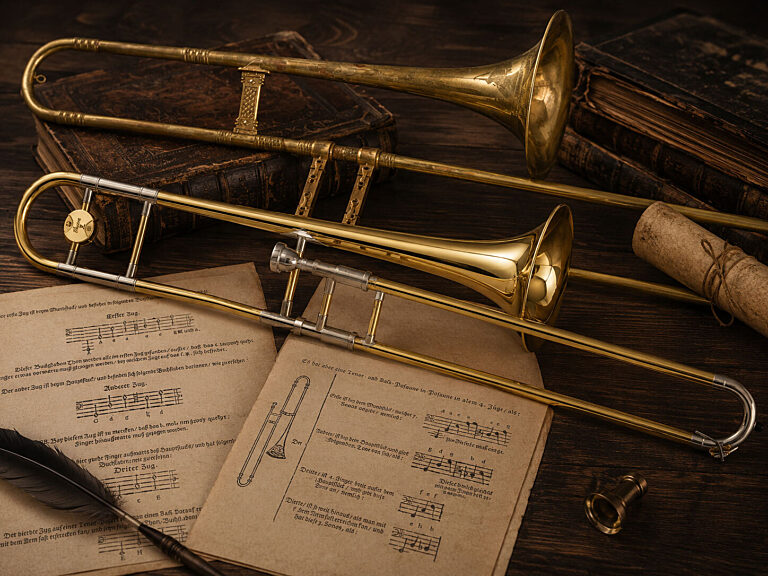
The trombone: changing times, changing slide positions Member
No. 36 • 1981 Digitized

The trombone: changing times, changing slide positions

From Virgiliano to Praetorius and Eisel, early sources reshape long-held assumptions about trombone tuning, slide positions and historical playing practice.

By Howard Weiner

History Technique Historical instruments Intonation Instrument making
Articulation or bowing on the trumpet Member
No. 30 • 1980 Digitized

Part 1

Articulation or bowing on the trumpet

Trumpet articulation becomes a precise study of attack, sustain, release and legato, linking tongue, breath, lips and sound in Dokshitser’s method.

By Timofey Dokschidser

Technique Teaching Russian school Articulation Tongue Sound
The Brain Free
No. 54 • 1986 Digitized

Brass Techniques Series • Part 1

The Brain

Instrumental mastery begins beyond the instrument itself, where motivation, concentration and self-awareness shape the musician’s progress and artistic development.

By Jean-Pierre Mathez

Technique Mental approach
Free
No. 22 • 1978 Digitized

Breathing and the physiological mask

Air is not everything: Michel Ricquier challenges the “air column” myth, revealing how breathing and the “physiological mask” together unlock control, power, and ease.

By Michel Ricquier
Technique Breathing Mental approach Range
Editorial Free
No. 30 • 1980 Digitized

Editorial

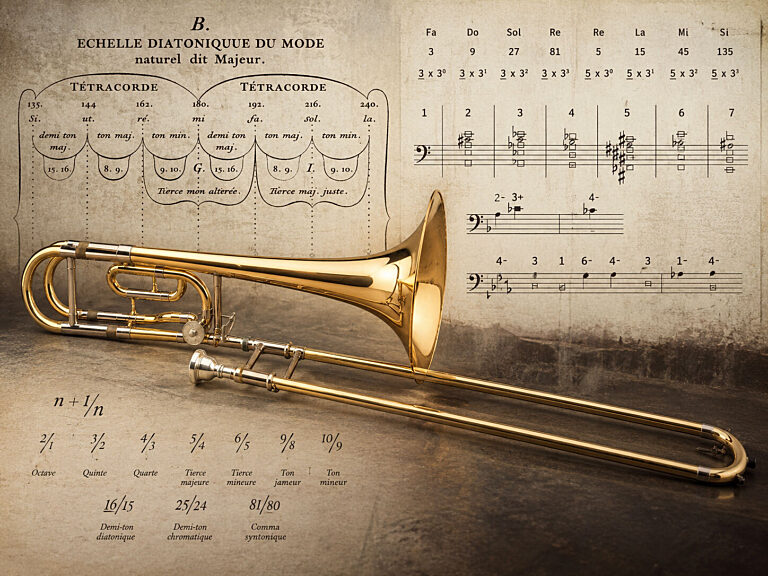
So your trumpet plays in tune

Keyboard tuning, just intonation and string phrasing place brass players between conflicting pitch systems, as Thomas Stevens outlines practical compromises.

By Thomas Stevens
Acoustics Technique Intonation Interpretation
Good intonation on the trombone Member
No. 52 • 1985 Digitized

Good intonation on the trombone

The trombone’s fixed positions meet the compromises of natural harmonics, as Raymond Fonsèque proposes a different logic for pitch across major and minor keys.

By Raymond Fonseque
Technique Acoustics Intonation
Articulation or bowing on the trumpet Member
No. 31 • 1980 Digitized

Part 2

Articulation or bowing on the trumpet

Trumpet articulation becomes a full performing language, from détaché and staccato to legato, glissando, dynamics and score interpretation.

By Timofey Dokschidser
Technique Teaching Articulation Tongue Interpretation Russian school
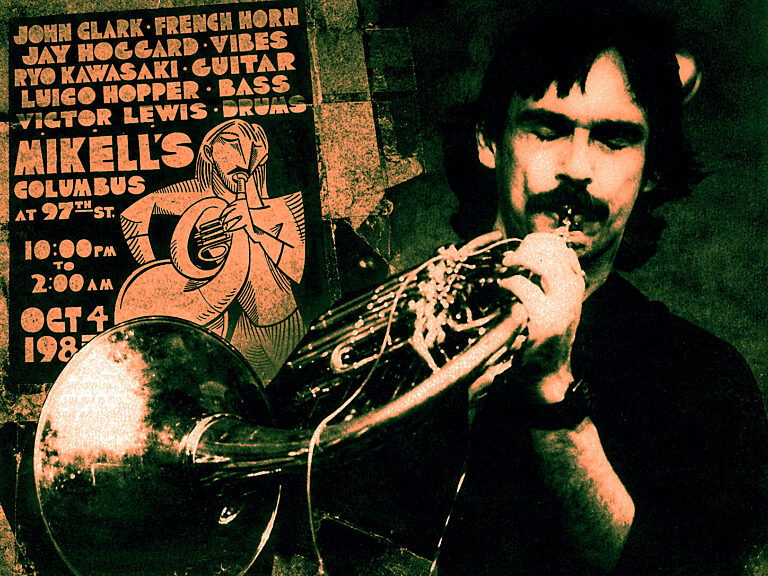
John Clark Member
No. 52 • 1985 Digitized

Jazz and the Horn Series • Part 7

John Clark

John Clark made the horn a jazz voice on its own terms, balancing improvisation, studio realities and an instrument still fighting to escape classical expectations.

By Jeffrey Agrell

Encounters Technique Jazz Improvisation
Low register development for the trombone Member
No. 13 • 1976 Digitized

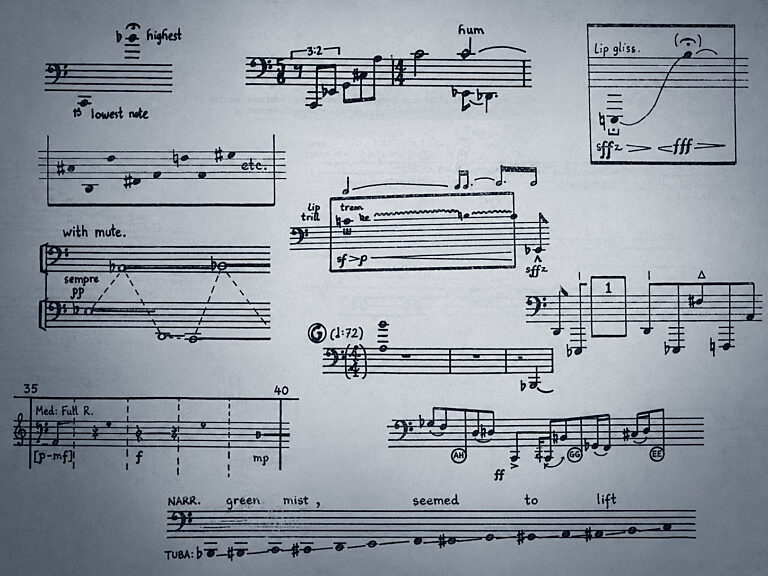
Low register development for the trombone

Should you really drop the jaw for low notes? James Fulkerson challenges this idea and proposes a more stable approach to extend the low register.

By James Fulkerson
Technique Range Sound
Contemporary systems and trends for the tuba Member
No. 11 • 1975 Digitized

Contemporary systems and trends for the tuba

New music, new rules: Daniel Perantoni explores extended techniques, graphic notation and the evolving language of the tuba.

By Daniel Perantoni

Technique Repertoire Interpretation Contemporary Music
No. 96 • 1996 Awaiting digitization

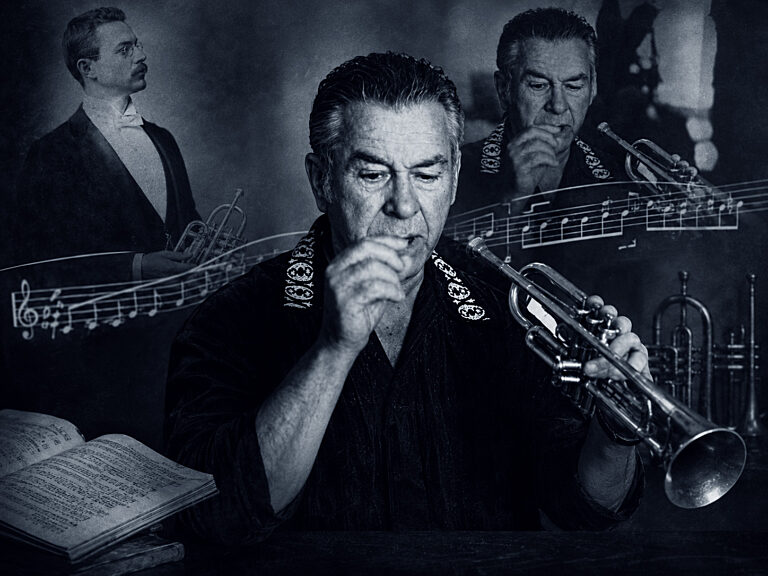
A more natural intonation

By Rex Martin
Technique
Practical Hints Free
No. 34 • 1981 Digitized

Part 5

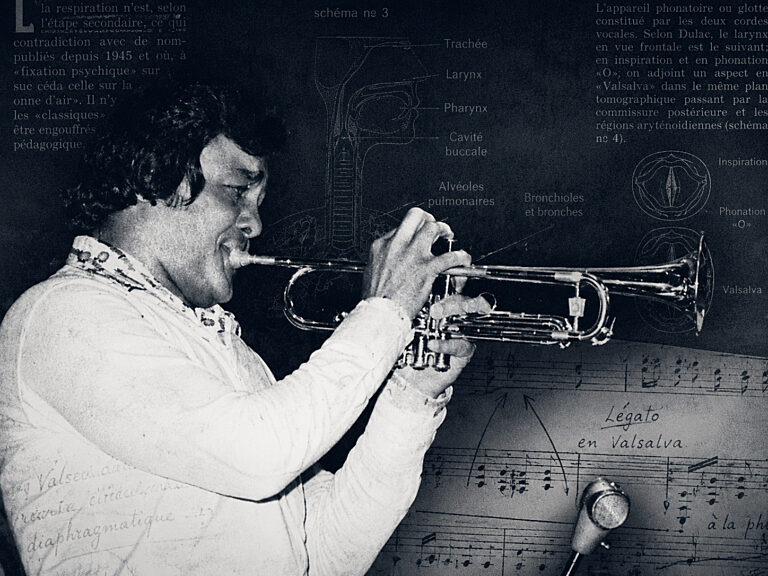
Practical Hints

Working from a Clarke study, a modified routine links tone stability to velocity, showing how secure sound supports precision as tempo increases.

By James Stamp
Technique Teaching
The Trumpet and the Cornet in Jazz and in Popular Music Member
No. 46 • 1984 Digitized

Part 5

The Trumpet and the Cornet in Jazz and in Popular Music

Breathing

Breathing, Valsalva, mouthpiece position and daily practice collide with received wisdom as trumpet technique is reconsidered from the body outward.

By Michel Laplace
Technique Jazz Breathing
Fundamental trombone performance technique Member
No. 49 • 1985 Digitized

Fundamental trombone performance technique

Teaching and application

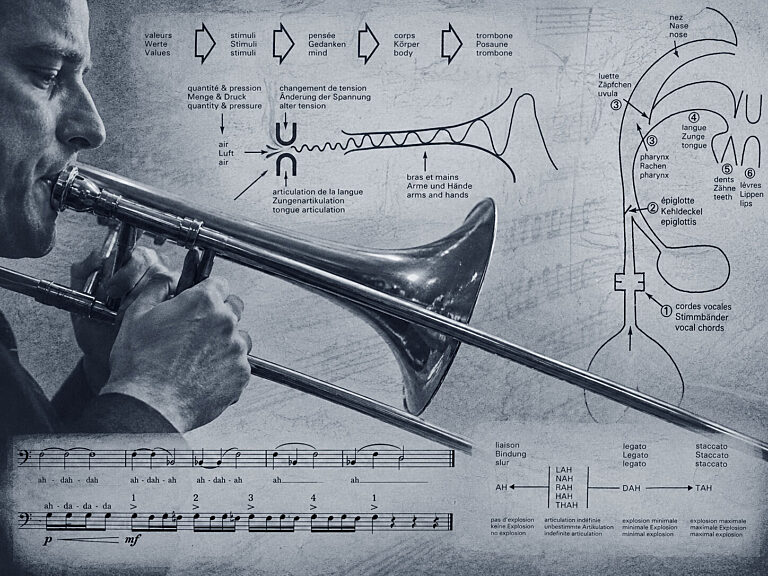
Technique becomes musicianship when breathing, vibration, resonance, articulation and slide movement cease to be separate skills and begin working as one.

By William F. Cramer
Technique Teaching Breathing Sound Articulation
My Experiences with Colleagues and Pupils Member
No. 37 • 1982 Digitized

My Experiences with Colleagues and Pupils

in 50 Years as trumpet player and trumpet teacher

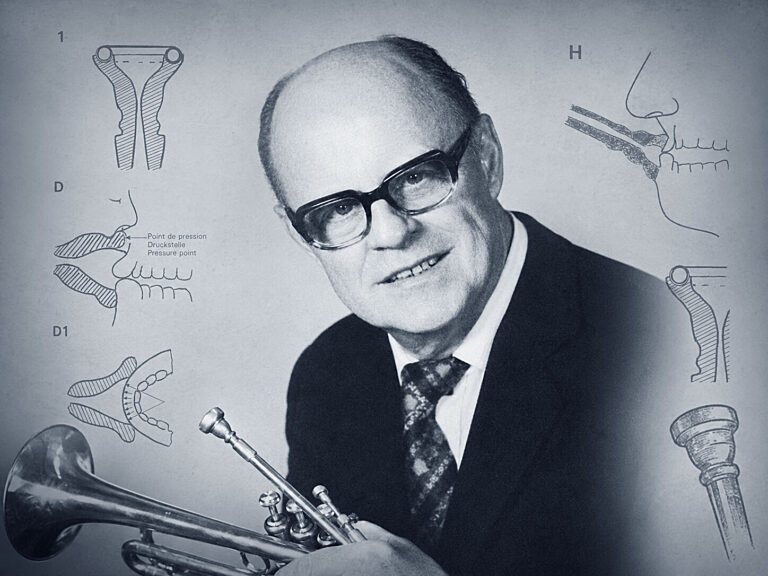
Across five decades, Heinz Burum links trumpet embouchure, mouthpiece design and teaching practice to concrete cases from orchestras, pupils and colleagues.

By Heinz Burum
Teaching Technique Lips Mouthpiece Range
The trombone in Jazz and Popular Music Free
No. 50 • 1985 Digitized

Part 1

The trombone in Jazz and Popular Music

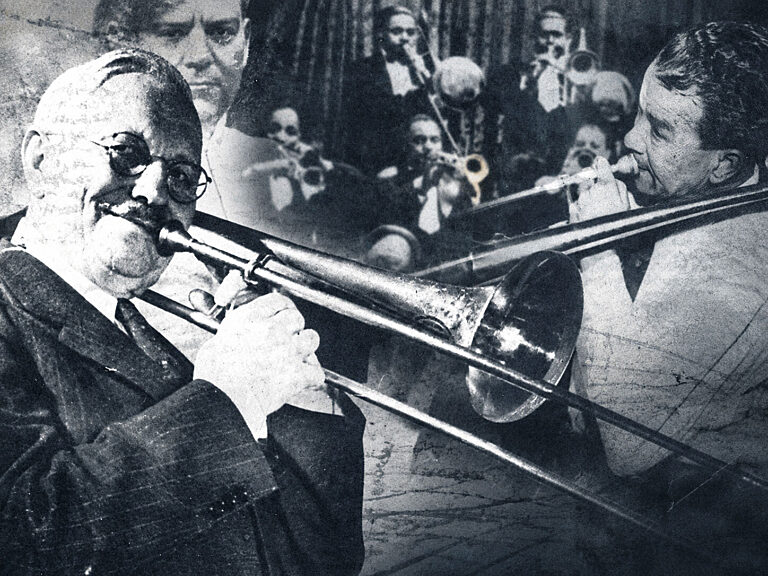
Jazz did not invent the modern trombone: early virtuosos, New Orleans players and changing techniques reveal a more complex path toward flexibility and legato.

By Michel Laplace
History Technique Jazz Articulation
Overlays and bonding Free
No. 49 • 1985 Digitized

Overlays and bonding

New dental aids for brass players

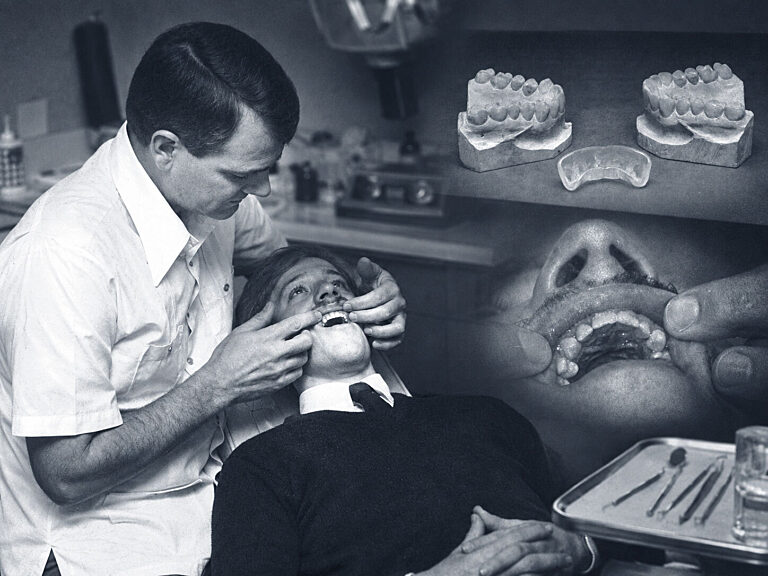
A trumpeter’s dental experiments in the 1980s turned teeth, mouthpiece pressure and embouchure into an unexpected field of collaboration with dentistry.

By Jeffrey Agrell

Health Technique Teeth Endurance Range
The trombone in Jazz and Popular Music Member
No. 52 • 1985 Digitized

Part 3

The trombone in Jazz and Popular Music

Pluralism of expression since 1945

Bebop, cool jazz, free jazz and neo-classicism transformed the trombone after 1945, as new players, techniques and instruments pushed its boundaries.

By Michel Laplace
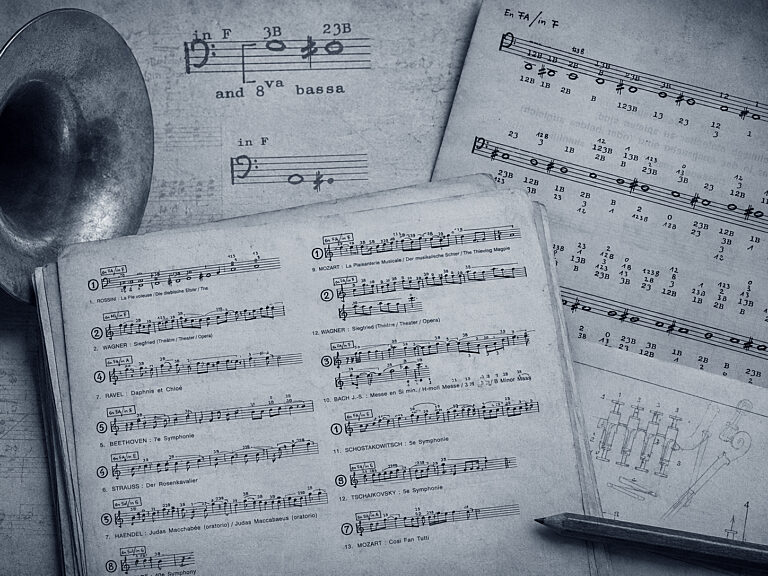
History Technique Jazz
The F/Bb horn with whole-tone ascending 3rd valve Member
No. 11 • 1975 Digitized

The F/Bb horn with whole-tone ascending 3rd valve

A different horn, a different approach: Francis Orval explores how an ascending 3rd valve reshapes technique, intonation and response.

By Francis Orval

Technique Equipment Valves Intonation
No. 88 • 1994 Awaiting digitization

Part 8

DSA - Digital analysis of intonation and sound

By Robert Meissner

Technique Acoustics
Member
No. 21 • 1978 Digitized

Brass players athletes

Brass players are athletes. Bengt Belfrage reveals how training, recovery, breathing, and mental focus—borrowed from sport—can transform performance and endurance.

By Bengt Belfrage
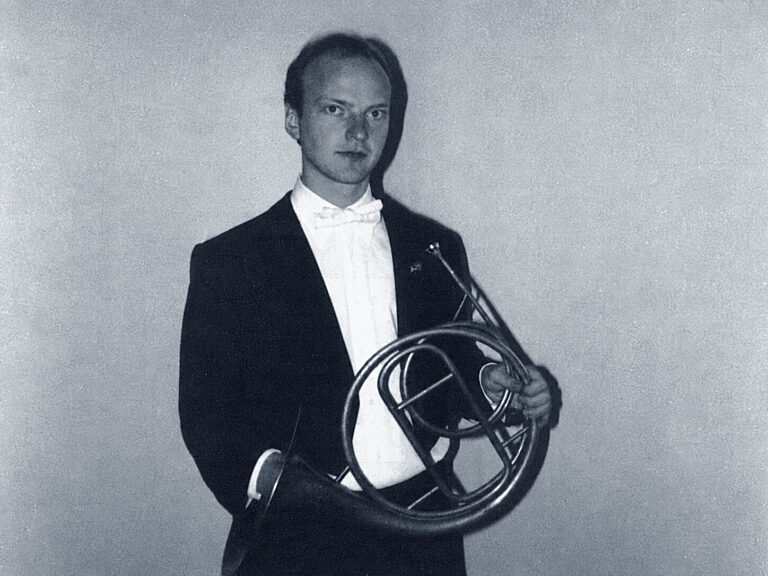
Technique Health Endurance Breathing Nerves
Interview with Thomas Müller Free
No. 47 • 1984 Digitized

Interview with Thomas Müller

The natural horn is not a retreat into the past: Thomas Müller argues that its demands on sound, technique and awareness can broaden a modern player’s craft.

By Jeffrey Agrell

Technique Historical instruments Natural horn
No. 58 • 1987 Awaiting digitization

One step for intonation: one giant step for the serpent

By Craig Kridel

Technique Equipment
No. 113 • 2001 Awaiting digitization

Part 1

The art of chamber music

By Jean-Pierre Mathez

Technique Repertoire
Loading…

Questions & Answers

How the Digital Edition works

What does the Digital Edition include?

The Digital Edition brings together the articles already digitized as searchable online texts—not simply as scans or PDF files—along with their original illustrations, notes, authorship, issue information, and available translations. Related-article suggestions currently include only this digitized material.

Are the digital articles identical to the originals?

We preserve the original text, language, illustrations, captions, footnotes, and editorial context as faithfully as possible. The presentation is adapted for comfortable online reading, and obvious transcription or scanning errors may be corrected. The substance and character of the published article remain unchanged.

Which languages are available?

Brass Bulletin was published in English, French, and German throughout its history. Italian and Spanish translations were added from issue No. 60 onward.

On the Italian and Spanish sites, articles from issues 1–59 are therefore shown in English by default.

How often are new articles added?

New articles are added almost daily, with approximately one complete issue digitized each week. The pace may vary depending on the preparation, image work, and editorial checking required.

Why aren’t all articles available digitally?

The complete Brass Bulletin collection contains 1,246 articles published between 1971 and 2003. The full index is already available online, allowing readers to discover every article in the collection, including those whose complete text has not yet been digitized.

Digitization began in February 2026. Each article is carefully prepared for online reading, checked, and connected to its issue, authors, subjects, and illustrations. At the current pace of digitization, the complete collection is expected to be available online by February 2028.

Why do some references mention articles that are not available yet?

References in the original articles are preserved even when the material they point to has not yet been digitized. This keeps the historical and editorial record intact. As more issues are added to the Digital Edition, an increasing number of these references will lead to articles that can be read online.

Can I suggest an article or report a transcription error?

Yes. If there is an article you would particularly like to see digitized, or if you notice a possible transcription error or missing detail, please contact us. Reader feedback helps us improve the Digital Edition and prioritize useful connections within the archive.

How can I support Brass Bulletin?

Your support helps fund the preparation, verification, and online publication of the complete collection.

Subscribe to the Digital Edition

Prefer to support us without subscribing?

Make a donation

How is the digitization progressing?

We’re gradually making the Brass Bulletin available online, article by article. You can read newly digitized articles as soon as they’re ready, even before an entire issue is complete.

Visit our Digitization Roadmap to browse recent additions and see estimated availability for upcoming issues. These estimates follow our recent pace and may change.

Search Brass Bulletin.