Explore institutional access →

Equipment

167 articles

No. 76 • 1991 Awaiting digitization

Engelbert Schmid

The magic touch

By Jean-Pierre Mathez

Equipment
No. 64 • 1988 Awaiting digitization

Gebrüder Alexander

Bicentennial of the wind instrument makers

By Jean-Pierre Mathez
Equipment
Tuba and Euphonium today Free
No. 23 • 1978 Digitized

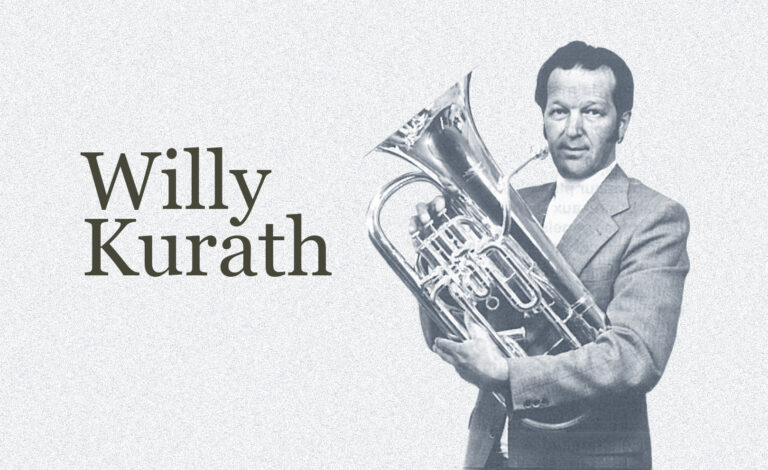
Tuba and Euphonium today

A new era for low brass: Willy Kurath explores how modern tuba and euphonium design—driven by innovation and collaboration—redefines sound, technique, and solo potential.

By Willi Kurath

Equipment Instrument making Valves Intonation
No. 63 • 1988 Awaiting digitization

B.E.R.P ?

Interview with Mario Guarneri

By Jean-Pierre Mathez

Technique Equipment Teaching
The tuba in Europe Member
No. 11 • 1975 Digitized

The tuba in Europe

Why does the tuba sound different across Europe? Robert Tucci explores national styles, instruments and orchestral traditions.

By Robert Tucci

Report Equipment Sound German school Orchestral playing
No. 79 • 1992 Awaiting digitization

Dieter Otto

A passionate craftman

By Jean-Pierre Mathez

Equipment
No. 91 • 1995 Awaiting digitization

Branimir Slokar, development of a new trombone

By Jean-Pierre Mathez
Encounters Equipment
How to regulate the trumpet, applicable to all valve instruments Free
No. 23 • 1978 Digitized

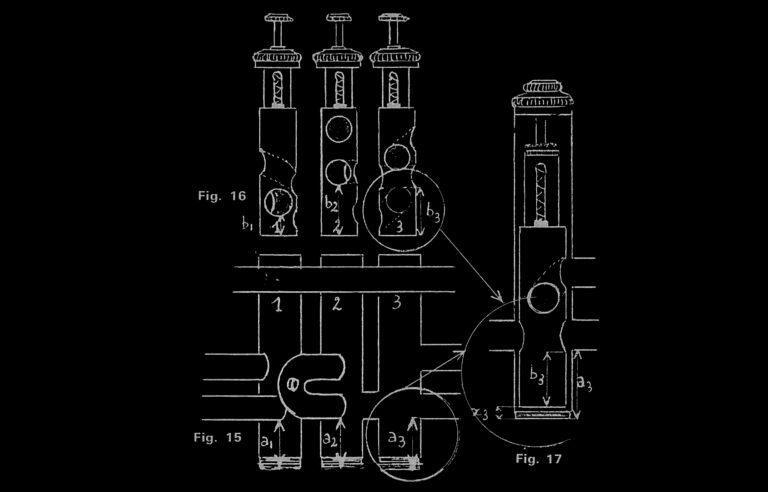
How to regulate the trumpet, applicable to all valve instruments

A hidden key to performance: Perinelli and Mouton reveal how precise valve regulation transforms response, intonation, and sound—down to a tenth of a millimetre.

By René Périnelli, J.-L. Mouton
Equipment Valves
Interview with Hans Pizka Free
No. 36 • 1981 Digitized

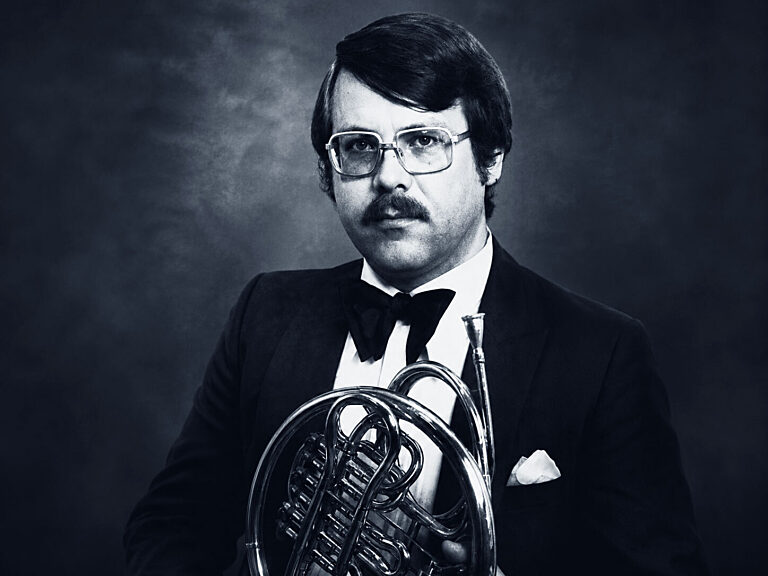
Interview with Hans Pizka

From Vienna horn traditions and natural-horn training to orchestral style and pedagogy, Hans Pizka reflects on the foundations of horn playing and musical identity.

By Jeffrey Agrell
Encounters Teaching Equipment Historical instruments Orchestral playing
Early Brass Instruments and Restoration Free
No. 39 • 1982 Digitized

Early Brass Instruments and Restoration

Restoring historic brass instruments means deciding what to preserve, what to undo and how modern methods can serve objects shaped by another musical age.

By Ursula Menzel
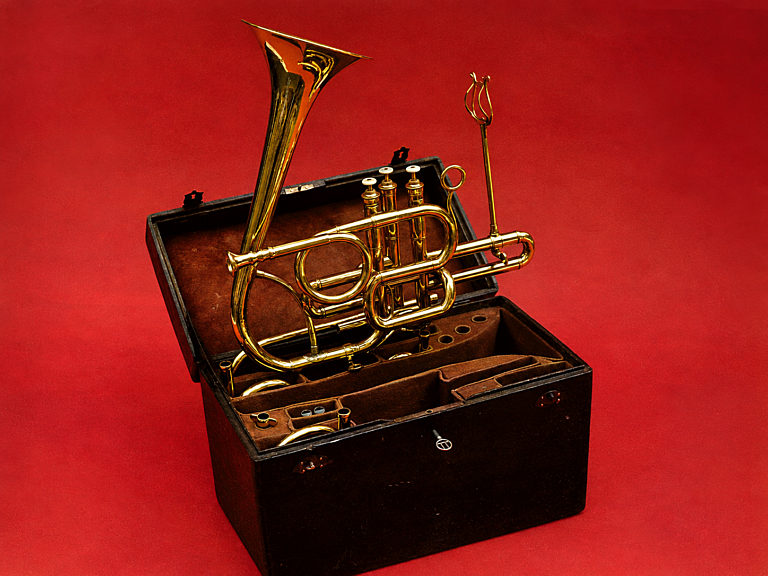
History Equipment Historical instruments Instrument making
Bad Säckingen, Trumpet museum Member
No. 53 • 1986 Digitized

Bad Säckingen, Trumpet museum

A romantic legend, a remarkable private collection and Edward H. Tarr’s scholarship converged in Bad Säckingen to give the trumpet a museum of its own.

By Jean-Pierre Mathez
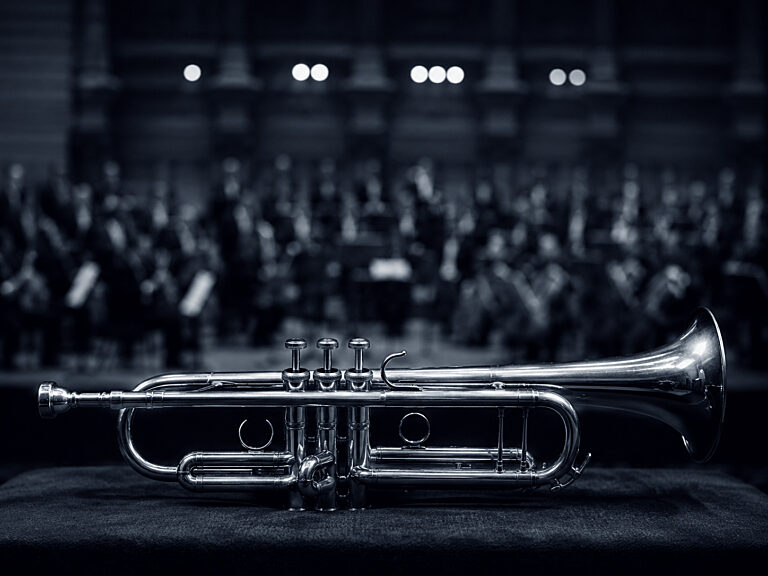
History Equipment Historical instruments
The Trumpet in the USA Member
No. 28 • 1979 Digitized

Part 2

The Trumpet in the USA

The Piston C Trumpet in American Orchestras

American orchestral trumpeters reveal how Bach C trumpets, hall acoustics and extensive modifications shaped playing traditions in major ensembles.

By Thomas Stevens
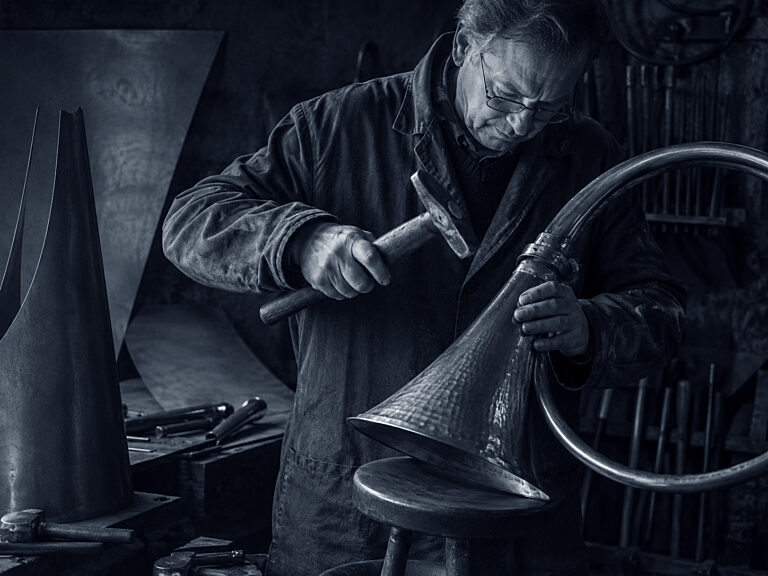
Report Equipment Instrument making American school
On the sensitivity of brass instruments Free
No. 28 • 1979 Digitized

On the sensitivity of brass instruments

Cold-hammered hunting horns retain a tactile memory of sound and playing, leading Jacques Poncet to question how brass instruments evolve in use.

By Jacques Poncet
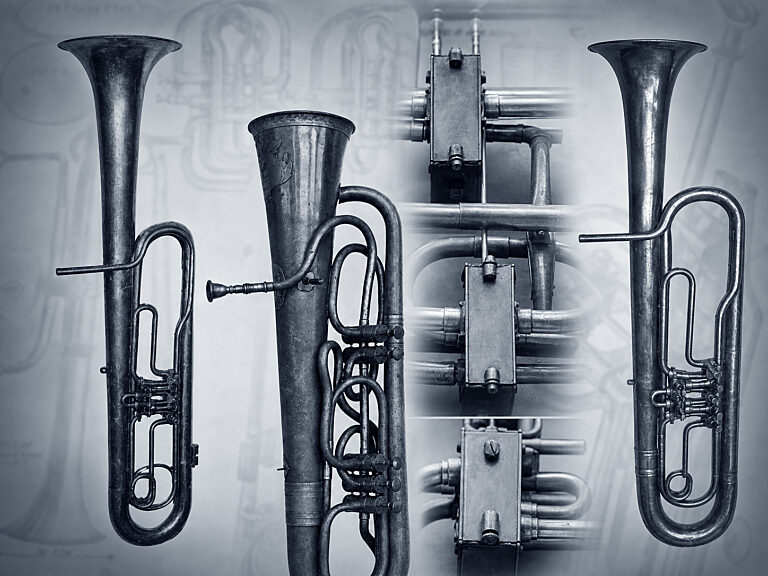
Equipment Acoustics Instrument making Sound
On the early history of valves and valve instruments in Germany (1814-1833) Member
No. 26 • 1979 Digitized

Part 3

On the early history of valves and valve instruments in Germany (1814-1833)

Herbert Heyde traces early German valve instruments from Stoelzel’s horns to basses, makers, patents, and shifting brass-band sound.

By Herbert Heyde

History Equipment Valves Historical instruments Instrument making
No. 96 • 1996 Awaiting digitization

Friedbert Syhre

35 years as an instrument maker in Leipzig

By Dagmar Rosenkranz

Equipment
No. 58 • 1987 Awaiting digitization

Reminiscences of modified rotary valves

Patented curiosities or missed opportunities

By Günter Dullat
Equipment
Instrument Makers in USA Free
No. 51 • 1985 Digitized

Part 2

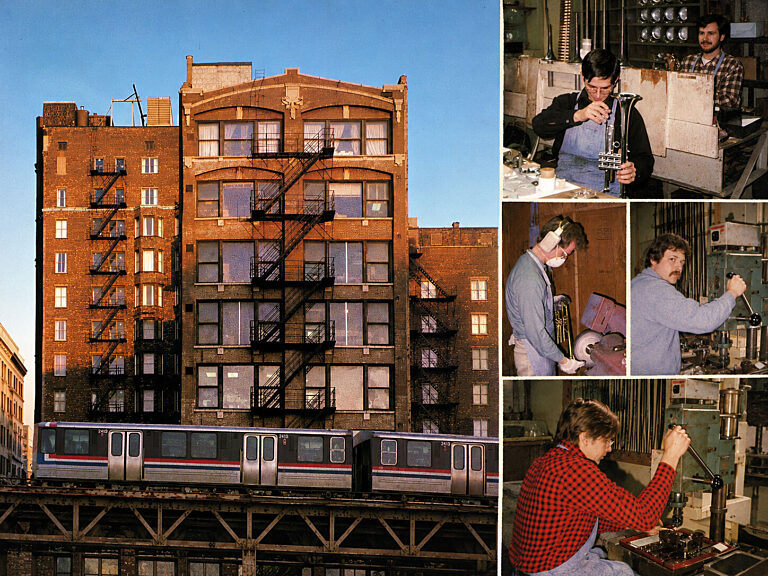
Instrument Makers in USA

Schilke Music Products, Inc. Chicago

In a Chicago workshop, traditional handwork meets new bell-making methods, while Renold Schilke’s uncompromising standards shape an unusual company culture.

By Stephan Suter

Equipment Instrument Makers Instrument making
Free
No. 25 • 1979 Digitized

Dreams and wishes

Things I would like to see happen concerning the horn and horn playing

A set of proposals for the future of the horn: Jeffrey Agrell addresses editions, pedagogy, instruments, and repertoire—from Mozart to contemporary practice.

By Jeffrey Agrell

Equipment Repertoire Ideas Contemporary Music Orchestral playing
No. 80 • 1992 Awaiting digitization

The Vienna horn and the Vienna sound

Special Austria

By Armin Suppan

History Technique Equipment
No. 103 • 1998 Awaiting digitization

Part 1

The C. G. Conn Company

By Jean-Pierre Mathez
History Equipment Report
Instrument Makers in USA Member
No. 52 • 1985 Digitized

Part 4

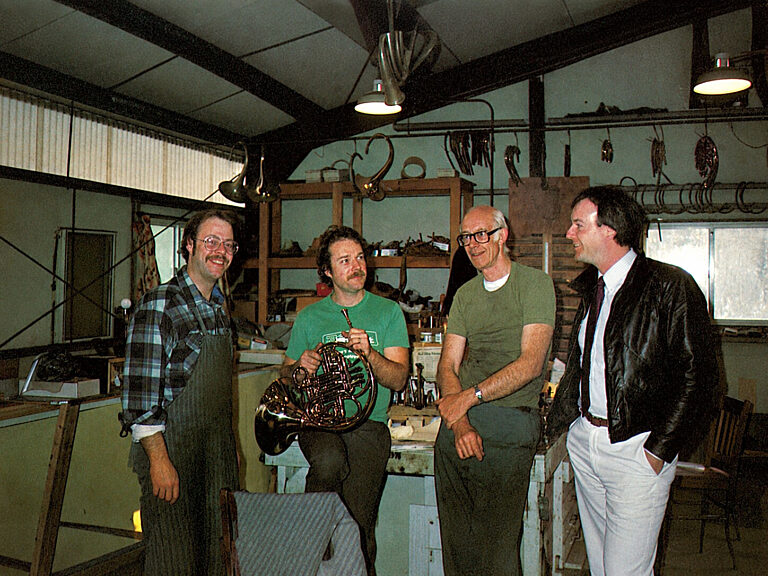
Instrument Makers in USA

Lawson Horns

Walter Lawson built horns by testing alloys, valves and leadpipes with unusual precision, while keeping craftsmanship, musicians and acoustics closely connected.

By Stephan Suter

Equipment Instrument Makers Instrument making
No. 59 • 1987 Awaiting digitization

Aubertin, Brass instrument makers

Louis Aubertin, last representative of this family of makers

By Jean-Pierre Mathez

Equipment
No. 105 • 1999 Awaiting digitization

Egger, maker of brass instruments

By Jean-Pierre Mathez

Equipment
No. 74 • 1991 Awaiting digitization

Restoration of a beautiful bugle

By Herbert Heyde

History Equipment
Loading…

Questions & Answers

How the Digital Edition works

What does the Digital Edition include?

The Digital Edition brings together the articles already digitized as searchable online texts—not simply as scans or PDF files—along with their original illustrations, notes, authorship, issue information, and available translations. Related-article suggestions currently include only this digitized material.

Are the digital articles identical to the originals?

We preserve the original text, language, illustrations, captions, footnotes, and editorial context as faithfully as possible. The presentation is adapted for comfortable online reading, and obvious transcription or scanning errors may be corrected. The substance and character of the published article remain unchanged.

Which languages are available?

Brass Bulletin was published in English, French, and German throughout its history. Italian and Spanish translations were added from issue No. 60 onward.

On the Italian and Spanish sites, articles from issues 1–59 are therefore shown in English by default.

How often are new articles added?

New articles are added almost daily, with approximately one complete issue digitized each week. The pace may vary depending on the preparation, image work, and editorial checking required.

Why aren’t all articles available digitally?

The complete Brass Bulletin collection contains 1,246 articles published between 1971 and 2003. The full index is already available online, allowing readers to discover every article in the collection, including those whose complete text has not yet been digitized.

Digitization began in February 2026. Each article is carefully prepared for online reading, checked, and connected to its issue, authors, subjects, and illustrations. At the current pace of digitization, the complete collection is expected to be available online by February 2028.

Why do some references mention articles that are not available yet?

References in the original articles are preserved even when the material they point to has not yet been digitized. This keeps the historical and editorial record intact. As more issues are added to the Digital Edition, an increasing number of these references will lead to articles that can be read online.

Can I suggest an article or report a transcription error?

Yes. If there is an article you would particularly like to see digitized, or if you notice a possible transcription error or missing detail, please contact us. Reader feedback helps us improve the Digital Edition and prioritize useful connections within the archive.

How can I support Brass Bulletin?

Your support helps fund the preparation, verification, and online publication of the complete collection.

Subscribe to the Digital Edition

Prefer to support us without subscribing?

Make a donation

How is the digitization progressing?

We’re gradually making the Brass Bulletin available online, article by article. You can read newly digitized articles as soon as they’re ready, even before an entire issue is complete.

Visit our Digitization Roadmap to browse recent additions and see estimated availability for upcoming issues. These estimates follow our recent pace and may change.

Search Brass Bulletin.