5 min. read
The Trumpet in the USA
The Piston C Trumpet in American Orchestras
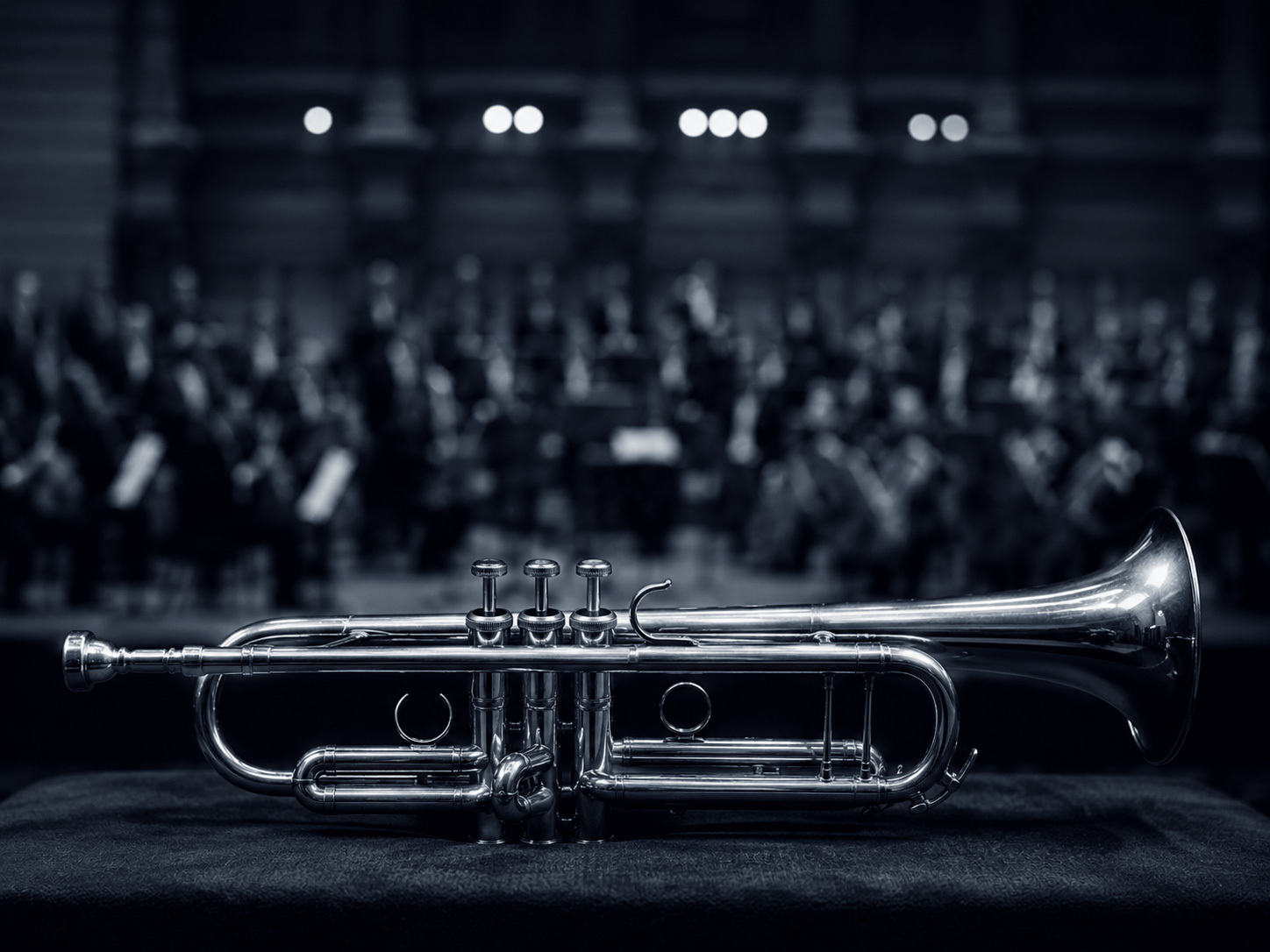
Over the years there have been numerous surveys of trumpet players printed in various publications. What instruments and mouthpieces they use, what and how they practice, who their teachers were, etc. One subject has been conspicuous by its omission heretofore in such publications, however. This writer set out to find the answer, by survey, to what conceivably could represent an important question in the minds of many. Simply stated it is as follows: What importance, if any, does one’s acoustical environment have in determining the choice of instruments in one's work.
At one end of the spectrum there exists a school of thought which contends the sound of the trumpet, a directional instrument, is profoundly affected by the acoustical properties of the enclosure in which it is played, and, as such, the player must choose equipment which complements this environment. In direct contrast to this concept is the belief of many performers that sound is a mental phenomenon, and that excellent players usually are able to produce the tone they have in mind irrespective of the acoustical situation in which they find themselves at any given moment.
Most certainly there are various musical adjustments, such as volume levels and degrees of articulation, which performers execute during their routine performing activities, adjustments directly related to the hall's acoustical characteristics. For this project, however, the only subject of interest was the sound (timbre) and the effect of the hall on its characteristics.
Detailed responses from principal trumpeters of major American orchestras compare Bach C trumpet models, modifications, leadpipes and performance preferences across different concert hall traditions.
Brass Bulletin 28, IV / 1979 pages 35–41
All content is protected by copyright © Brass Bulletin 1979–2026