
Michel Ricquier
Michel Ricquier (born 1949) is a French trumpeter, teacher and author whose work has focused on the relationship between physical technique, mental preparation and musical performance. His approach to instrumental pedagogy brings together traditional musical training with techniques drawn from relaxation, psychology and body awareness. Born in Douai, France, Ricquier…
Read biography
Michel Ricquier (born 1949) is a French trumpeter, teacher and author whose work has focused on the relationship between physical technique, mental preparation and musical performance. His approach to instrumental pedagogy brings together traditional musical training with techniques drawn from relaxation, psychology and body awareness.
Born in Douai, France, Ricquier began his musical studies at the local conservatory before entering the Conservatoire National Supérieur de Musique in Paris. He obtained first prizes in cornet and trumpet at the ages of 16 and 18 respectively, studying with Ludovic Vaillant. After earning his teaching qualification, he was appointed professor of trumpet at the Conservatoire de Chambéry at the age of 20.
His teaching experience led him to investigate the physical and psychological difficulties encountered by instrumentalists, particularly muscular tension, breathing, concentration and performance anxiety. He pursued further studies in psychology, hypnosis, sophrology and traditional Chinese medicine, while also practising yoga and martial arts. These different disciplines informed his approach to musical training, in which technical development is closely connected to an understanding of the body and mental processes.
Ricquier published several pedagogical works, including Traité méthodique de pédagogie instrumentale, which examines breathing, relaxation, self-control and mental preparation in instrumental performance. His teaching methods and publications have addressed musicians across different instrumental disciplines, with particular relevance to wind players.
Between 1978 and 2002, Michel Ricquier contributed ten articles to Brass Bulletin. His early writings explored the physiological aspects of breathing, muscular relaxation and the role of mental processes in instrumental technique. Articles such as Breathing and the Physiological Mask (1978), Relaxation and Musical Performance (1980) and The Use of the Mind in Instrumental Performance (1980) reflected his interest in approaching instrumental practice through both physical and psychological awareness.
In 1981, he examined the role of the subconscious in musical performance, discussing mental conditioning, visualisation and self-control. He returned to these subjects two decades later with a five-part series published between 2001 and 2002, devoted to stage fright and its relationship to instrumental technique, mental preparation and performance.
Throughout his contributions to Brass Bulletin, Ricquier consistently questioned approaches to instrumental teaching based exclusively on repetition and physical effort. His articles encouraged musicians to consider the interaction between thought, movement and musical expression, placing the performer—not merely the instrument—at the centre of the learning process.
10 Articles by Michel Ricquier
Brass Bulletin 22 - 2 / 1978
Ricquier, Michel
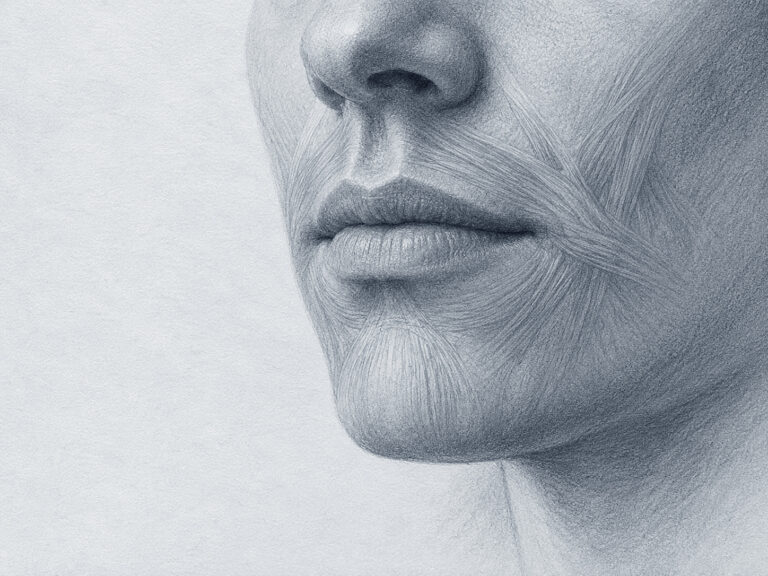
Breathing and the physiological mask
Air is not everything: Michel Ricquier challenges the “air column” myth, revealing how breathing and the “physiological mask” together unlock control, power, and ease.
pp. 71–74
Brass Bulletin No 22 · 1978
Technique· Breathing· Mental approach
Brass Bulletin 29 - 1 / 1980
Ricquier, Michel
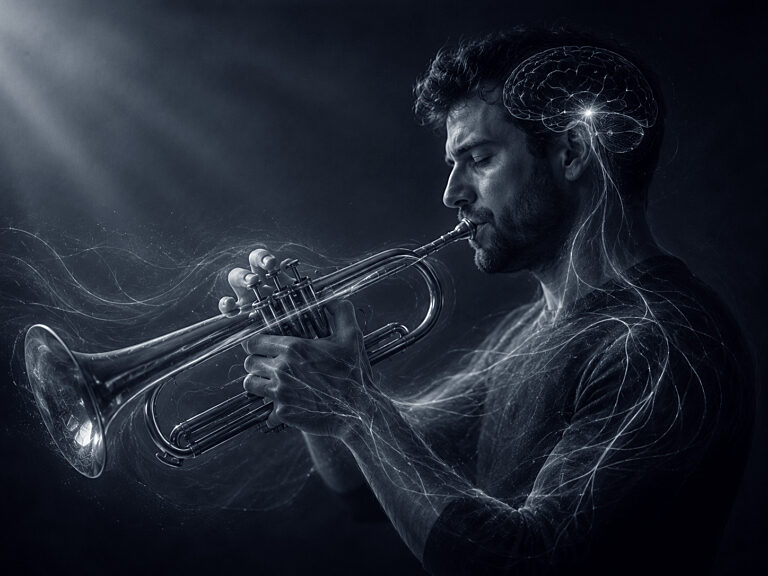
Relaxation and musical performance
Breath, fingers and muscular tension form a hidden technical chain in wind playing, as Michel Ricquier links virtuosity to bodily awareness.
pp. 61–66
Brass Bulletin No 29 · 1980
Health· Teaching· Nerves· Breathing
Brass Bulletin 30 - 2 / 1980

Ricquier, Michel
The use of the mind in instrumental performance
Relaxation, concentration and mental imagery reshape technical practice, linking self-confidence and instrumental control beyond physical training alone.
pp. 61–68
Brass Bulletin No 30 · 1980
Health· Teaching· Nerves· Interpretation
Brass Bulletin 33 - 1 / 1981

Ricquier, Michel
The subconscious, a useful friend
From yogic practices to auto-hypnosis, mental conditioning and visualisation are linked to performance, self-control, and the body's hidden responses.
pp. 53–58
Brass Bulletin No 33 · 1981
Health· Teaching· Mental approach· Nerves
Brass Bulletin 62 - 2 / 1988
Ricquier, Michel
Reading music
pp. 25–27
Brass Bulletin No 62 · 1988
Technique
Brass Bulletin 114 - 2 / 2001
Ricquier, Michel
Conquering nervousness
pp. 68–69
Brass Bulletin No 114 · 2001
Health
Brass Bulletin 115 - 3 / 2001
Ricquier, Michel
Stage fright and instrumental technique (1)
pp. 92–93
Brass Bulletin No 115 · 2001
Health
Brass Bulletin 116 - 4 / 2001
Ricquier, Michel
Stage fright and instrumental technique (2)
pp. 74–75
Brass Bulletin No 116 · 2001
Health
Brass Bulletin 117 - 1 / 2002
Ricquier, Michel
Stage fright and anchoring
pp. 98–99
Brass Bulletin No 117 · 2002
Health
Brass Bulletin 118 - 2 / 2002
Ricquier, Michel
Stage fright and subliminal messaging
pp. 76–78
Brass Bulletin No 118 · 2002
Health