Explore institutional access →

2 min. read

Brass Techniques Series • Part 2

The Body
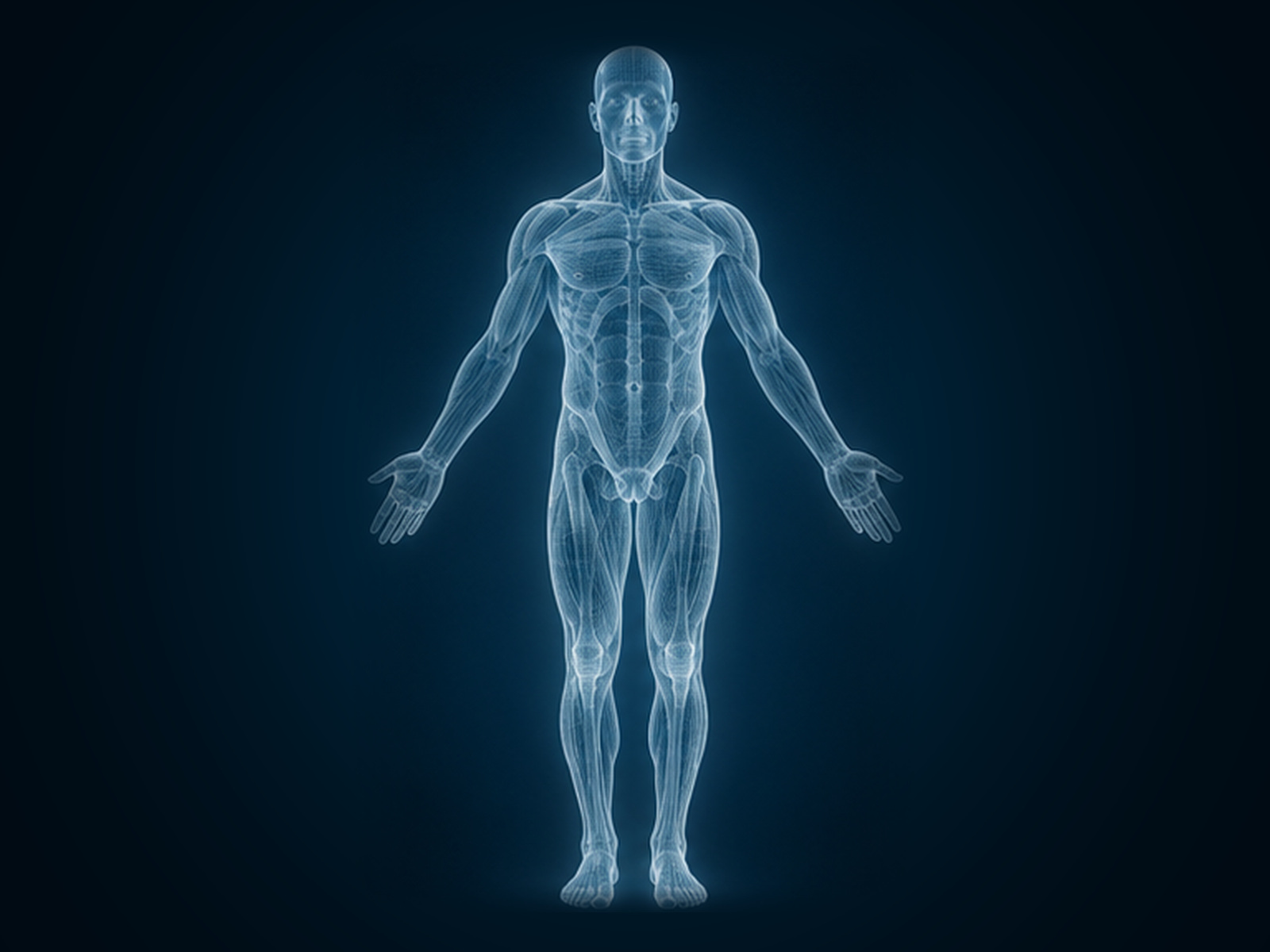
A brass player's physical condition depends on more than muscular strength, with sleep, nutrition and recovery shaping the balance between technical control and fatigue.
The Body

The body is the instrument our brain tries to control.

The fact that a brass player can be exceptional while being large, small, medium, burly, thin, fat or muscular proves that the "shell" is not important. Far more important, on the other hand, are:

  • the quality of the muscle tissue
  • the quality of the blood supply to the tissue (limitations in terms of fatigue and swelling caused by the mouthpiece, for example)
  • metabolism
  • the quality of sleep (recuperation)

The key to effective control consists in being able to recognise the qualities and faults of one's own organism, of being sensitive to alarms (internal messages), first with the help of a teacher, then increasingly by oneself. This goes a long way towards enabling one's talent to flower harmoniously and progressively.

In this connection the brass player will do well to study the behaviour of sportsmen and women (good ones!) and to find a pattern of bodily hygiene appropriate to his ambitions.

I do not mean to preach, to offer easy answers or to moralise but simply to point out that we all survive thanks to the food we eat and to the rest we take daily so that our body can renew itself. It then becomes clear that these two points are essential and that it is in everyone's interest to think about them — not just in order to live, but also in order to learn to draw from them the special energy necessary to practise one's art in a controlled way.²

Food

Food supplies us with what we need but our internal organs must sort it and eliminate the surplus, waste and toxins. Some people eliminate these better than others; it is in the interest of the latter group to find out what causes them problems.

Continue reading

Access the full Digital Edition.

Brass Bulletin 55, III / 1986 pages 30–32

All content is protected by copyright © Brass Bulletin 1986–2026

Share this article

Facebook LinkedIn
Loading…

Questions & Answers

How the Digital Edition works

What does the Digital Edition include?

The Digital Edition brings together the articles already digitized as searchable online texts—not simply as scans or PDF files—along with their original illustrations, notes, authorship, issue information, and available translations. Related-article suggestions currently include only this digitized material.

Are the digital articles identical to the originals?

We preserve the original text, language, illustrations, captions, footnotes, and editorial context as faithfully as possible. The presentation is adapted for comfortable online reading, and obvious transcription or scanning errors may be corrected. The substance and character of the published article remain unchanged.

Which languages are available?

Brass Bulletin was published in English, French, and German throughout its history. Italian and Spanish translations were added from issue No. 60 onward.

On the Italian and Spanish sites, articles from issues 1–59 are therefore shown in English by default.

How often are new articles added?

New articles are added almost daily, with approximately one complete issue digitized each week. The pace may vary depending on the preparation, image work, and editorial checking required.

Why aren’t all articles available digitally?

The complete Brass Bulletin collection contains 1,246 articles published between 1971 and 2003. The full index is already available online, allowing readers to discover every article in the collection, including those whose complete text has not yet been digitized.

Digitization began in February 2026. Each article is carefully prepared for online reading, checked, and connected to its issue, authors, subjects, and illustrations. At the current pace of digitization, the complete collection is expected to be available online by February 2028.

Why do some references mention articles that are not available yet?

References in the original articles are preserved even when the material they point to has not yet been digitized. This keeps the historical and editorial record intact. As more issues are added to the Digital Edition, an increasing number of these references will lead to articles that can be read online.

Can I suggest an article or report a transcription error?

Yes. If there is an article you would particularly like to see digitized, or if you notice a possible transcription error or missing detail, please contact us. Reader feedback helps us improve the Digital Edition and prioritize useful connections within the archive.

How can I support Brass Bulletin?

Your support helps fund the preparation, verification, and online publication of the complete collection.

Subscribe to the Digital Edition

Prefer to support us without subscribing?

Make a donation

How is the digitization progressing?

We’re gradually making the Brass Bulletin available online, article by article. You can read newly digitized articles as soon as they’re ready, even before an entire issue is complete.

Visit our Digitization Roadmap to browse recent additions and see estimated availability for upcoming issues. These estimates follow our recent pace and may change.

Search Brass Bulletin.