Las traducciones originales al español de Brass Bulletin comienzan con el n.º 60.

3 min de lectura

The Trombone in the Sacred Works of W. A. Mozart

The Trombone in the Sacred Works of W. A. Mozart

Of all the brass instruments, Wolfgang Amadeus Mozart seems to have written most prolifically for the horn. The four horn concertos, the concert rondo and the horn quintet are considered, even today, to be at the heart of the horn repertoire. Yet the horn parts in Mozart’s symphonic works are generally without particular interest. Whereas the concertos were written for a brilliant virtuoso hand-horn technique, the symphonic horn parts were conceived harmonically requiring almost exclusively natural horn notes.

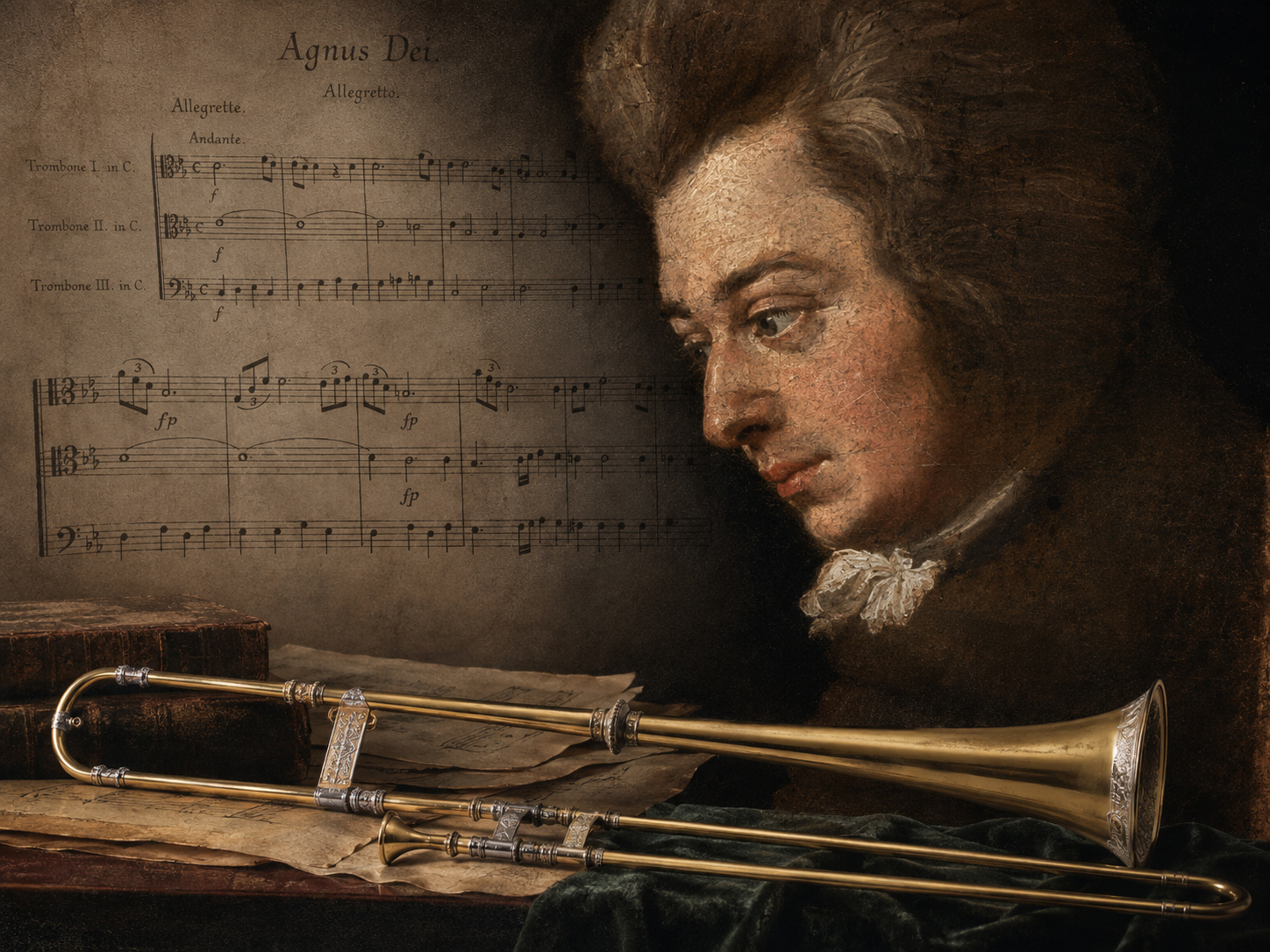
At that period the trombone was the only chromatic brass instrument and was used more often in sacred works. For this reason a detailed look at Mozart’s trombone parts is of particular interest. The tenor trombone solo in the “Tuba mirum” in his “Requiem” is very well known and indeed quite unique in the repertoire, but is not the only example of Mozart’s use of the trombone in this way, as will be shown later.

Mozart used the trombones mostly in a group to support the vocal parts. The choirs of the eighteenth century were not large; that of the Salzburg church, which was one of the largest, had approximately 28 singers. Thus the trombones were really needed to reinforce the choir and maintain proper balance with the orchestra. In many of his sacred works it is normal for him to double the alto, tenor and bass voices of the choir with trombones, without their having individual parts: «The music of the Salzburg church kept Baroque tradition until the first half of the nineteenth century. In this tradition three trombones are added to play with the choir in tutti colla parte.» Preface to the new Mozart edition (Bärenreiter, Kassel).

In most of Mozart’s manuscripts trombones are not specified. He specifies trombones only when they are to play a different figure or a different rhythm from that of the choir. The existence of original trombone parts allows us to consider the inclusion of trombones in most of Mozart’s sacred works authentic.

Nowadays the doubling of the three lower voices of the choir by trombones is somewhat problematic. Choirs today are much larger and can provide their own weight of sound. In addition, at that time the trombone parts were played on alto, tenor and bass trombones, which were of different sizes and provided different tone colours. The instruments that are used today are essentially alike and therefore provide the same timbre. They differ from their predecessors in their tube diameter and bell size — two factors largely influencing the sound.

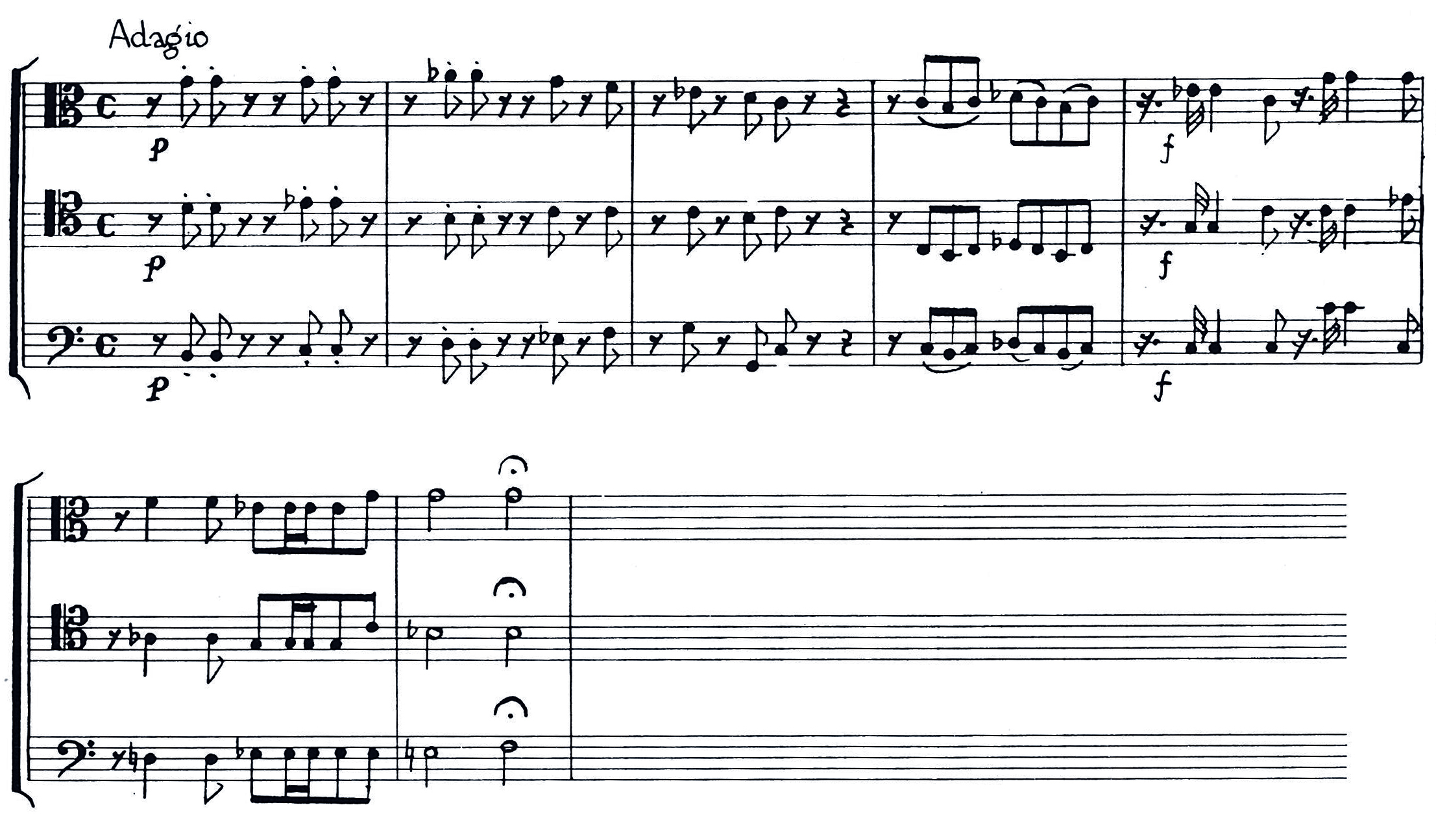
The following is the beginning of the “Tremendum” in the “Litaniae” K. 243. The trombones play an accompanying figure in staccato-piano (bars 1-3) alternating with a choir tutti colla parte (bars 4-7):

Brass Bulletin image

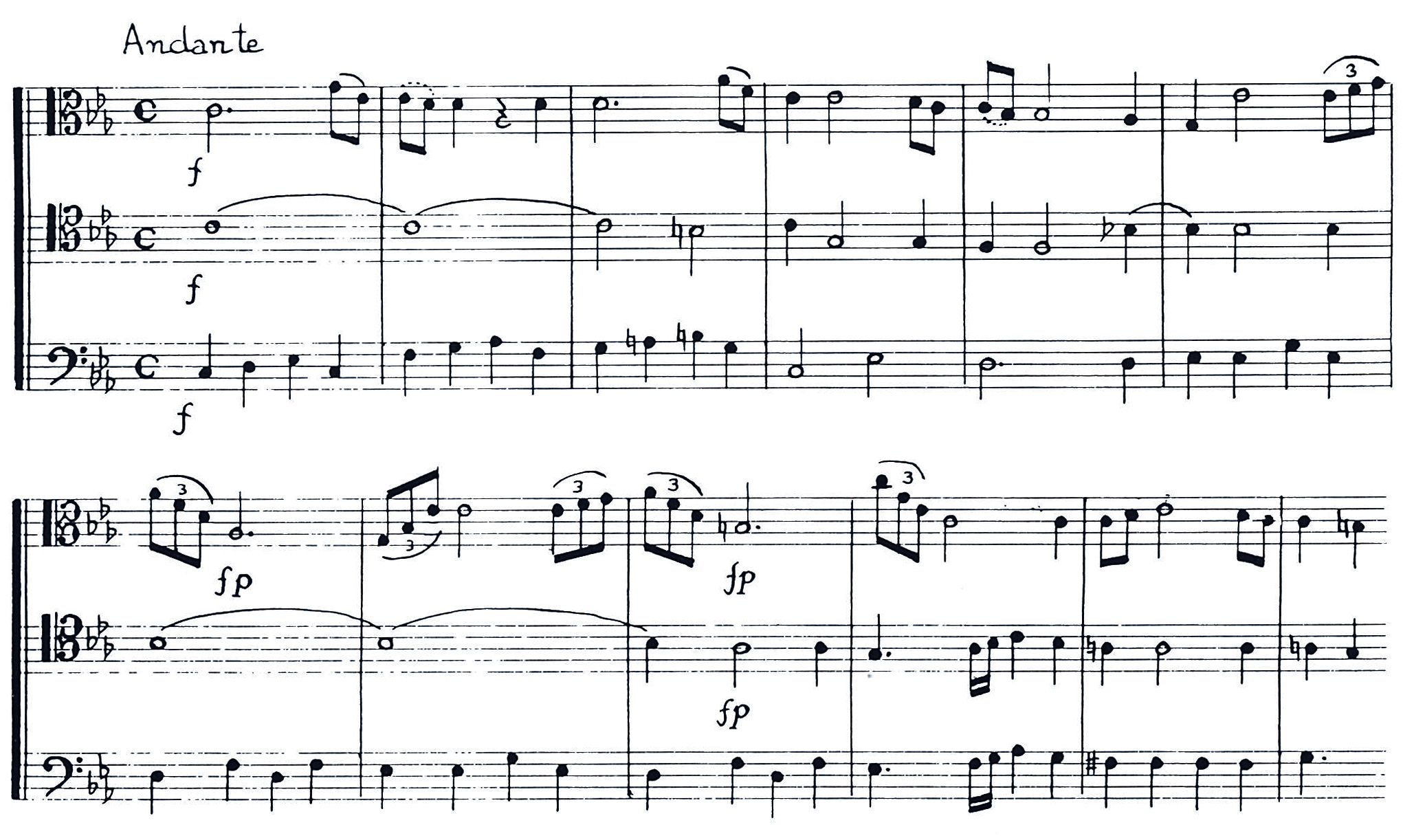
Mozart also used the trombone in a different way. In a few places in his sacred works trombones are given solo parts as a group. An example of this kind is the introduction to the “Agnus Dei” of the Mass in C minor K. 139:
Brass Bulletin image

Other examples of this kind can be found in different places of Mozart’s sacred works.

The use of one trombone as a solo instrument is an exception in Mozart’s sacred works. The tenor trombone solo in the “Tuba Mirum” of his “Requiem” is explained by the translation of the latin word “Tuba” as “Posaune” (trombone) in German.

We would like to conclude by citing another trombone solo from a lesser known work: “Die Schuldigkeit des ersten Gebotes” (The Obligation of the first Commandement) K. 35. To understand the background to this work one needs to know more about Mozart in Salzburg. Salzburg during the reign of its Prince Archbishop Markus Sittikus was a centre of music and art where there were singers and players of high quality and many works were created.

It was in March 1766 that an oratorio, written by an eleven-year-old boy, was played for the first time. The circumstances in which Mozart wrote this work are not clear. Some accounts tell of how Mozart wrote this oratorio under strict surveillance since the Archbishop was not convinced of the boy’s composing talent. Modern research has shown that in fact it was another piece (“Funeral Music” K. 42) that was written under these conditions in one week. The Oratorio must have taken much more time to compose.

The oratorio was in three parts of which only the first, composed by the young Mozart, survived. The other two parts (by M. Haydn and the organist Adlgasser) are lost. The text is abstract and the voice roles represent: Worldliness, Justice, Mercy, The Christian Spirit and Christian.

Mozart was influenced by the long musical tradition at the Salzburg Archiepiscopal court. His arias are structurally influenced by the model of his father Leopold and the alto trombone solo is probably the result of his studying the works of Johann Ernst Eberlin — because Eberlin used the alto trombone as a solo instrument in several of his oratorios.

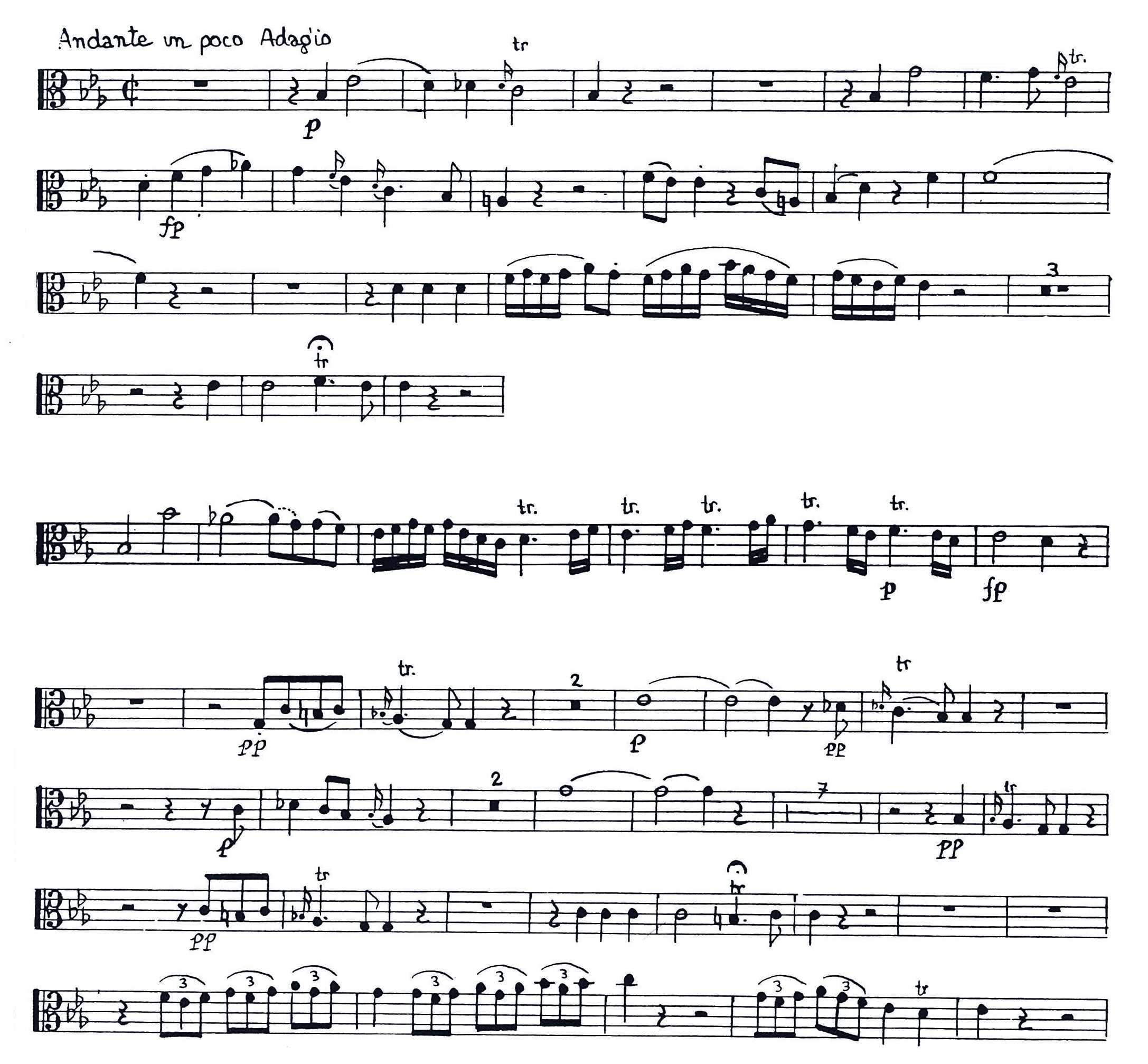
The aria (No. 5) with the trombone solo is scored for tenor voice (Christian) and strings (two violins and two violas) with continuo (violoncello and bass). The high tessitura of the trombone part and the alto clef lead to the supposition that the part was played on the alto trombone, probably by Thomas Gschlatt. The trombone plays in a slow-moving style with many trills, giving us an idea of the technical facility of the trombonist at that period. Several cadenzas for the trombone alone or with the tenor are included — something which is common in concertos but exceptional in a sacred work.
Brass Bulletin image

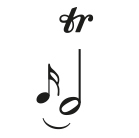
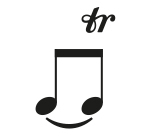
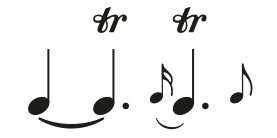
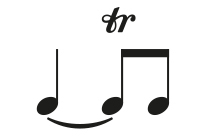
Trills are to be performed as follow: Music example 1 and Music example 2 are performed Music example 3 and Music example 4 is performed Music example 5
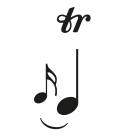
Suggestions for the cadenzas are to be found in the Bärenreiter edition of Mozart’s works.

Bibliography
W. A. Mozart, Neue Ausgabe sämtlicher Werke, Serie I: Geistliche Gesangwerke (Bärenreiter, Kassel)

Brass Bulletin 46, II / 1984 páginas 31–35

Todo el contenido está protegido por derechos de autor © Brass Bulletin 1984–2026

Compartir este artículo

Facebook LinkedIn
Cargando…

Preguntas y respuestas

Cómo funciona la edición digital

¿Qué incluye la edición digital?

La edición digital reúne los artículos ya digitalizados como textos legibles y consultables en línea —no simplemente como escaneos o archivos PDF— junto con sus ilustraciones originales, notas, autoría, información del número y traducciones disponibles. Las sugerencias de artículos relacionados incluyen actualmente solo este material digitalizado.

¿Los artículos digitales son idénticos a los originales?

Conservamos con la mayor fidelidad posible el texto original, el idioma, las ilustraciones, los pies de imagen, las notas y el contexto editorial. La presentación se adapta para facilitar la lectura en línea y pueden corregirse errores evidentes de transcripción o escaneado. El contenido y el carácter del artículo publicado permanecen inalterados.

¿Qué idiomas están disponibles?

Brass Bulletin se publicó en inglés, francés y alemán a lo largo de toda su historia. Las traducciones al italiano y al español se añadieron a partir del número 60. Por este motivo, en los sitios italiano y español los artículos de los números 1 a 59 se muestran en inglés de forma predeterminada.

¿Con qué frecuencia se añaden nuevos artículos?

Se añaden nuevos artículos casi a diario, con aproximadamente un número completo digitalizado cada semana. El ritmo puede variar según el trabajo de preparación, tratamiento de imágenes y revisión editorial necesario.

¿Por qué no están disponibles todos los artículos en formato digital?

La colección completa de Brass Bulletin contiene 1.246 artículos publicados entre 1971 y 2003. El índice completo ya está disponible en línea y permite descubrir todos los artículos de la colección, incluidos aquellos cuyo texto íntegro todavía no ha sido digitalizado.

La digitalización comenzó en febrero de 2026. Cada artículo se prepara cuidadosamente para la lectura en línea, se revisa y se vincula con su número, sus autores, sus temas y sus ilustraciones. Al ritmo actual de digitalización, se prevé que la colección completa esté disponible en línea en febrero de 2028.

¿Por qué algunas referencias mencionan artículos que todavía no están disponibles?

Las referencias de los artículos originales se conservan aunque el material al que remiten aún no haya sido digitalizado. De este modo se mantiene intacto el contexto histórico y editorial. A medida que se incorporen más números a la edición digital, un número creciente de estas referencias conducirá a artículos que podrán leerse en línea.

¿Puedo sugerir un artículo o informar de un error de transcripción?

Sí. Si hay algún artículo que le gustaría especialmente ver digitalizado, o si detecta un posible error de transcripción o algún dato que falta, póngase en contacto con nosotros. Los comentarios de los lectores nos ayudan a mejorar la edición digital y a establecer prioridades útiles dentro del archivo.

¿Cómo puedo apoyar a Brass Bulletin?

Su apoyo ayuda a financiar la preparación, verificación y publicación en línea de la colección completa.

Suscríbase a la Edición Digital

¿Prefiere apoyarnos sin suscribirse?

Haga una donación

Busca en Brass Bulletin.