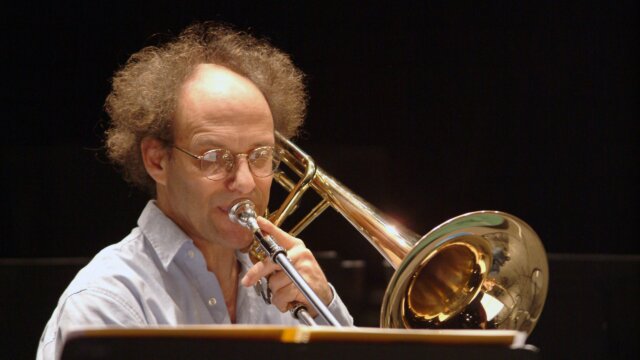
Benny Sluchin
Benny Sluchin is an Israeli-born trombonist, researcher and teacher whose career has combined contemporary music performance with mathematics, acoustics and the exploration of new instrumental techniques. Sluchin studied at the Tel Aviv Conservatory and the Jerusalem Music Academy while simultaneously pursuing mathematics and philosophy at Tel Aviv University. He played…
Read biography
Benny Sluchin is an Israeli-born trombonist, researcher and teacher whose career has combined contemporary music performance with mathematics, acoustics and the exploration of new instrumental techniques.
Sluchin studied at the Tel Aviv Conservatory and the Jerusalem Music Academy while simultaneously pursuing mathematics and philosophy at Tel Aviv University. He played with the Israel Philharmonic Orchestra and was engaged as co-soloist with the Jerusalem Radio Symphony Orchestra before continuing his trombone studies in Cologne with Vinko Globokar, an important figure in the development of contemporary trombone playing.
In 1976, Sluchin joined the Ensemble intercontemporain, founded that same year by Pierre Boulez. His long association with the ensemble placed him at the centre of several decades of contemporary music creation. He participated in numerous premieres and worked with music by composers including Elliott Carter, Pascal Dusapin, Luca Francesconi, Vinko Globokar, Gérard Grisey, Marco Stroppa and James Wood. His recordings include Iannis Xenakis’s Keren and Luciano Berio’s Sequenza V, alongside other nineteenth- and twentieth-century works for trombone.
Sluchin’s musical activity developed in parallel with an unusual scientific background. He holds a doctorate in mathematics and became involved in acoustical research at IRCAM. His interests extended to computer-assisted interpretation and the application of digital tools to musical notation and performance, subjects on which he presented and published research. He also taught computer-assisted music notation at the Conservatoire National Supérieur de Musique de Paris.
This meeting of performance and research is particularly evident in Sluchin’s work on the physical and acoustical possibilities of brass instruments. Multiphonics, mutes, pitch, notation and extended playing techniques became subjects not only of performance but of systematic investigation. His work frequently sought to connect what the player experiences in practice with the acoustical mechanisms underlying the sound.
Education and the transmission of instrumental knowledge formed another important part of his activity. Sluchin edited Brass Urtext, a series devoted to historical texts on brass pedagogy, and in collaboration with Raymond Lapie published Le trombone à travers les âges. His pedagogical publications include Contemporary Trombone Excerpts and Jeu et chant simultanés sur les cuivres, both of which received SACEM awards for pedagogical publications. He also undertook extensive work on brass mutes and their acoustical properties.
These interests are strongly reflected in his contributions to Brass Bulletin. Across more than twenty articles, Sluchin approached the trombone from historical, technical, acoustical and contemporary perspectives. His three-part study of simultaneous playing and singing examined multiphonics through both musical practice and acoustics, while other articles dealt with brass mutes, frequency and pitch, the alto trombone, instrument development and trombone repertoire.
His historical interests ranged equally widely. He examined the role of the trombone in Mozart’s sacred works, traced the history and twentieth-century orchestral use of the alto trombone, and investigated unusual developments in brass instrument construction. His contributions also included an interview with Michel Becquet and reports on competitions, workshops and international brass events. Taken together, these writings document a conception of the trombone in which history, acoustics, technology and contemporary performance continually inform one another.
Sluchin’s work also extended to projects involving the relationship between music and technology. His research informed recordings devoted to the music of John Cage, and he later made the film Iannis Xenakis, Le dépassement de soi, devoted to a composer whose work represents a particularly close encounter between music, mathematics and architectural thought.
Benny Sluchin’s contribution to the trombone lies in this unusual breadth of activity. As a performer he participated directly in the development of contemporary repertoire; as a mathematician and researcher he investigated the acoustical and technological dimensions of musical performance; and as a teacher and writer he sought to make this knowledge accessible to other musicians. His extensive writings for Brass Bulletin provide a particularly rich record of this dialogue between instrumental practice, history, science and musical experimentation.
23 Articles by Benny Sluchin
Brass Bulletin 31 - 3 / 1980
Sluchin, Benny
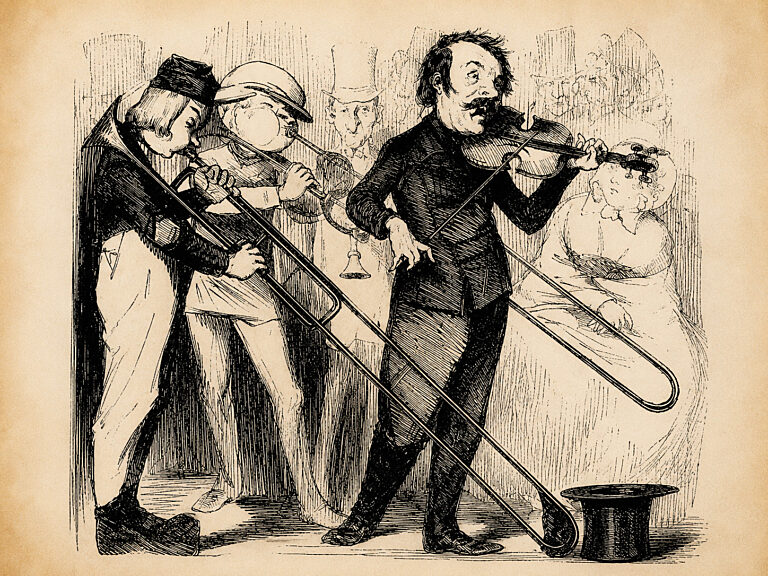
A Trombone Martyr
Auguste Léonard de la Tuilerie
A Paris apothecary turned trombone evangelist challenges 19th-century musical habits, imagining the slide trombone as the future voice of harmony.
pp. 57–66
Brass Bulletin No 31 · 1980
Trombone· History· Society· Ideas· Sound
Brass Bulletin 35 - 3 / 1981
Sluchin, Benny
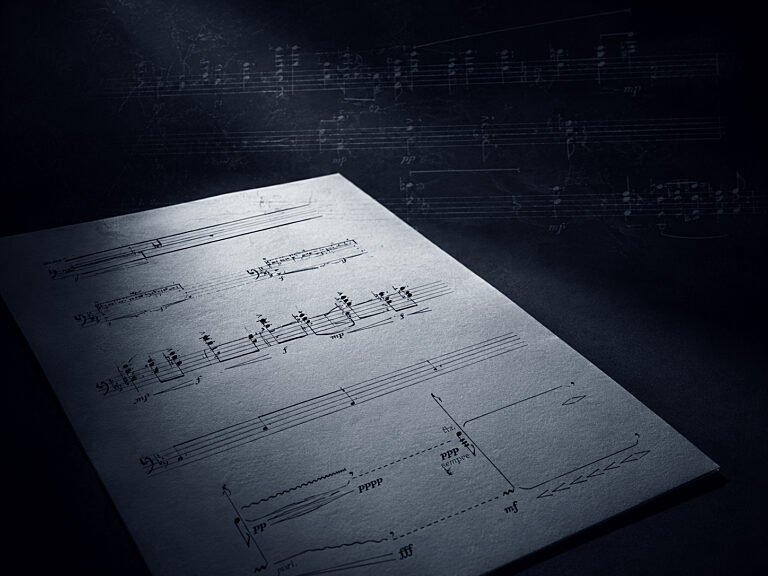
Playing and singing simultaneously on brass instruments
From Weber and Vivier to contemporary solo works, singing into the brass instrument becomes a multiphonic technique shaped by notation, acoustics, and practice.
pp. 5–11
Brass Bulletin No 35 · 1981
Technique· Contemporary Music· Sound
Brass Bulletin 36 - 4 / 1981
Sluchin, Benny
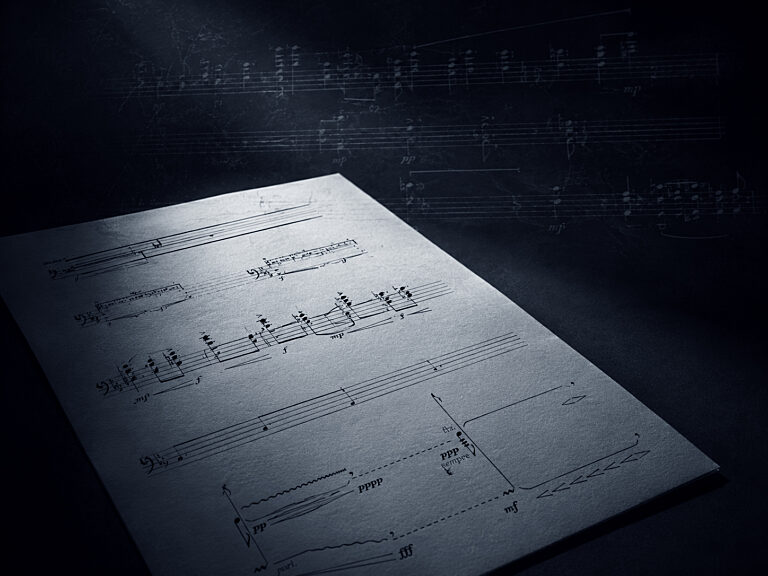
Playing and singing simultaneously on brass instruments
From interval production and tone generation to contemporary repertoire, simultaneous playing and singing becomes a demanding extension of brass technique.
pp. 18–25
Brass Bulletin No 36 · 1981
Technique· Contemporary Music· Sound
Brass Bulletin 37 - 1 / 1982
Sluchin, Benny
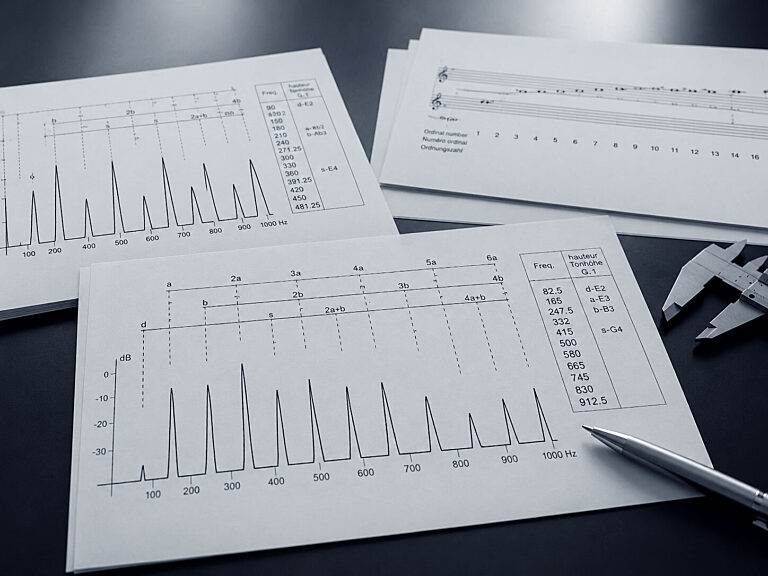
Playing and singing simultaneously on brass instruments
From Weber's Concertino to Berlioz's chord writing, acoustic principles explain how combination tones emerge from simultaneous playing and singing on brass.
pp. 20–28
Brass Bulletin No 37 · 1982
Research· Acoustics· Sound· Intonation
Sluchin, Benny
The Annual Competitions of the Paris Conservatoire
From commissioned works to jury voting, a long-standing examination tradition reveals how brass players progressed through the Paris Conservatoire.
pp. 47–48
Brass Bulletin No 37 · 1982
Competition· Teaching· French school· Contemporary Music
Brass Bulletin 44 - 4 / 1983
Sluchin, Benny
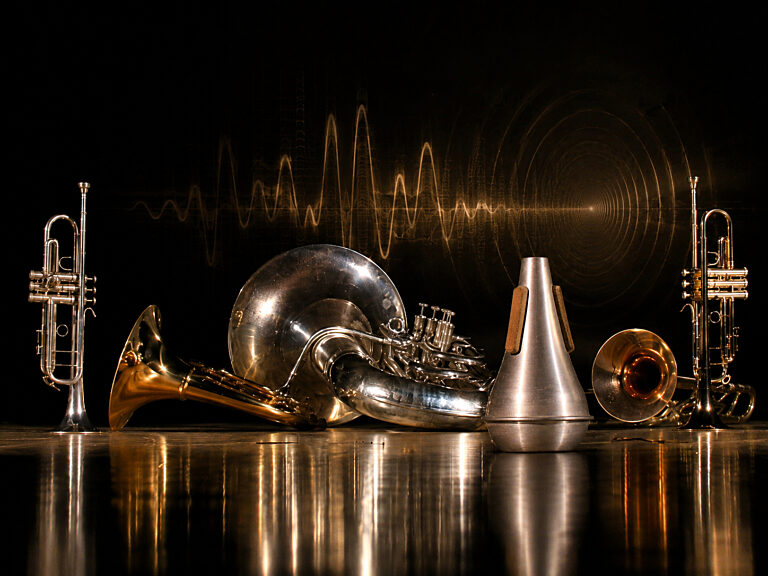
11th International Congress on Acoustics
At the 1983 Paris acoustics congress, brass research moved between factory consistency, vibrating bells, mutes and the elusive mechanics of multiphonics.
pp. 13–15
Brass Bulletin No 44 · 1983
Acoustics· Event
Brass Bulletin 46 - 2 / 1984
Sluchin, Benny
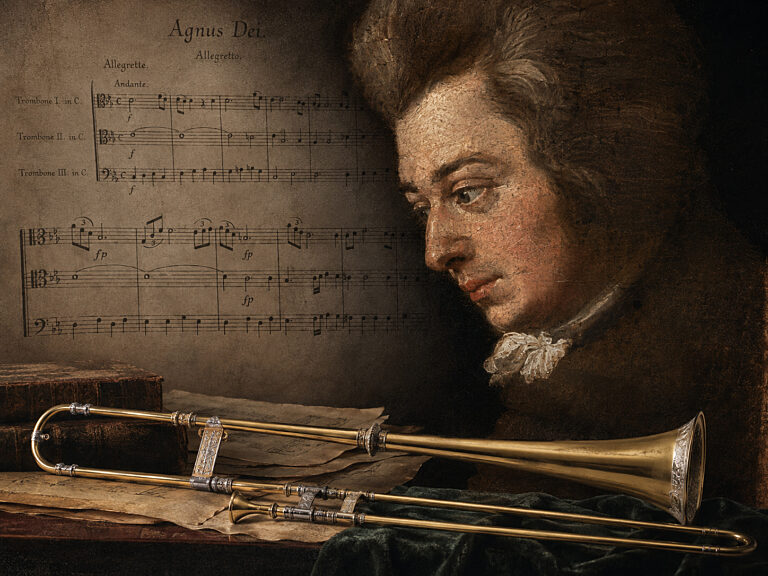
The Trombone in the Sacred Works of W. A. Mozart
In Mozart’s sacred music, the trombone moved beyond choral reinforcement to striking solo roles that preserve the sound and practice of eighteenth-century Salzburg.
pp. 31–35
Brass Bulletin No 46 · 1984
Trombone· Repertoire· History· Interpretation
Brass Bulletin 50 - 2 / 1985
Sluchin, Benny
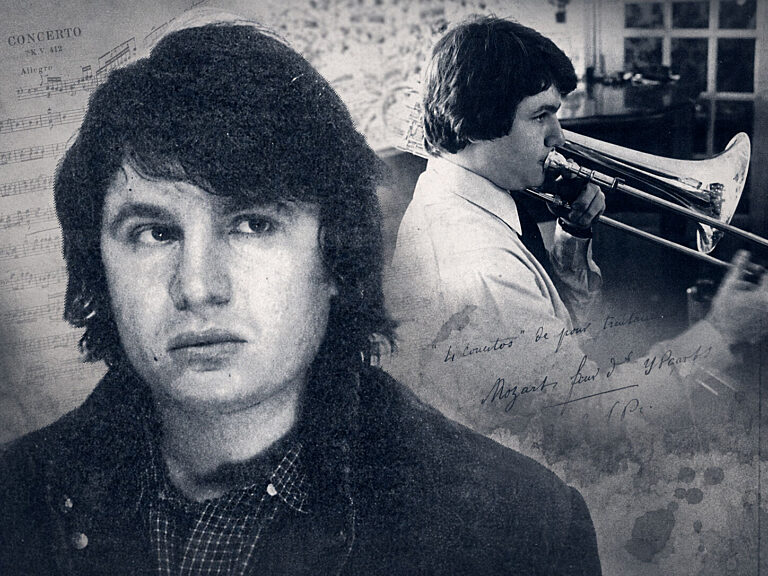
Michel Becquet
Interview
A young Michel Becquet challenges orchestral habits, champions the trombone as a solo voice and reflects on competitions, repertoire, teaching and sound.
pp. 11–16
Brass Bulletin No 50 · 1985
Trombone· Encounters· Repertoire· Solo playing
Brass Bulletin 52 - 4 / 1985
Sluchin, Benny
Trombone workshops
pp. 67–69
Brass Bulletin No 52 · 1985
Trombone· Report· Event
Brass Bulletin 54 - 2 / 1986
Sluchin, Benny
Frequency and Pitch
pp. 66–67
Brass Bulletin No 54 · 1986
Technique· Acoustics
Brass Bulletin 57 - 1 / 1987
Sluchin, Benny · Caussée, René
Mutes for brass instruments
pp. 20–39
Brass Bulletin No 57 · 1987
Report· Equipment
Brass Bulletin 61 - 1 / 1988
Sluchin, Benny
The Alto Trombone
pp. 70–75
Brass Bulletin No 61 · 1988
Trombone· History· Equipment
Brass Bulletin 62 - 2 / 1988
Sluchin, Benny
The Alto Trombone
pp. 73–78
Brass Bulletin No 62 · 1988
Trombone· History· Equipment
Brass Bulletin 75 - 3 / 1991
Sluchin, Benny
The Alto Trombone in the 20th Century Orchestra
pp. 52–57
Brass Bulletin No 75 · 1991
Trombone· History· Repertoire
Brass Bulletin 79 - 3 / 1992
Sluchin, Benny
Trombone Quartets
pp. 22–26
Brass Bulletin No 79 · 1992
Trombone· Report· Repertoire
Brass Bulletin 86 - 2 / 1994
Sluchin, Benny
Making mute handling easier
pp. 48–51
Brass Bulletin No 86 · 1994
Trombone· Technique· Equipment
Brass Bulletin 89 - 1 / 1995
Sluchin, Benny
Porcia 1994
International Trombone Competition
pp. 85–89
Brass Bulletin No 89 · 1995
Trombone· Competition
Brass Bulletin 94 - 2 / 1996
Sluchin, Benny
Brasses: noisy instruments
pp. 42–45
Brass Bulletin No 94 · 1996
Acoustics
Brass Bulletin 95 - 3 / 1996
Sluchin, Benny
“Whisper mutes” in the test lab
pp. 25–31
Brass Bulletin No 95 · 1996
Equipment
Brass Bulletin 96 - 4 / 1996
Sluchin, Benny
Lieksa Brass Week 1996
pp. 42–47
Brass Bulletin No 96 · 1996
Report· Event
Brass Bulletin 99 - 3 / 1997
Sluchin, Benny
Amboise, France, 3rd National Brass Band Competition
pp. 82–86
Brass Bulletin No 99 · 1997
Competition· Band
Brass Bulletin 105 - 1 / 1999
Sluchin, Benny
Trombone Attachements - Trends and development
pp. 104–110
Brass Bulletin No 105 · 1999
Trombone· Equipment
Brass Bulletin 115 - 3 / 2001
Sluchin, Benny
“Duplex” instruments - yesterday and today
pp. 112–115
Brass Bulletin No 115 · 2001
Equipment