Explore institutional access →

Repertoire

145 articles
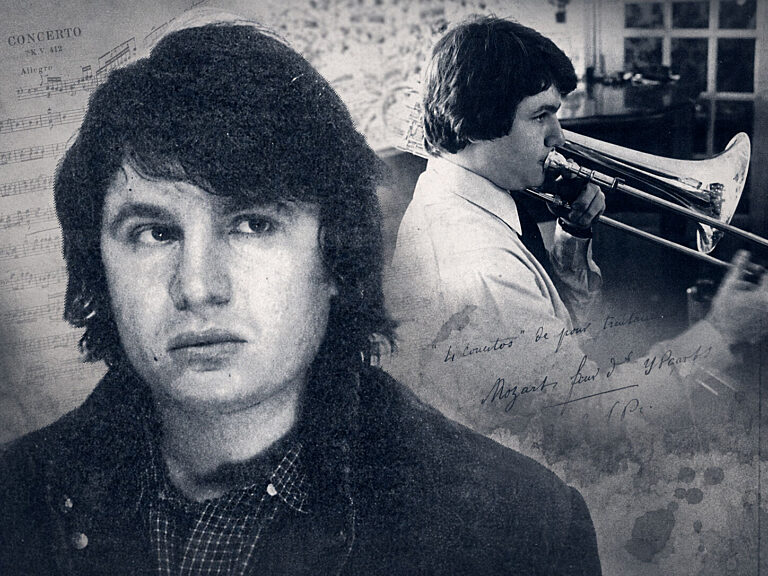
Michel Becquet Free
No. 50 • 1985 Digitized

Michel Becquet

Interview

A young Michel Becquet challenges orchestral habits, champions the trombone as a solo voice and reflects on competitions, repertoire, teaching and sound.

By Benny Sluchin
Encounters Repertoire Solo playing
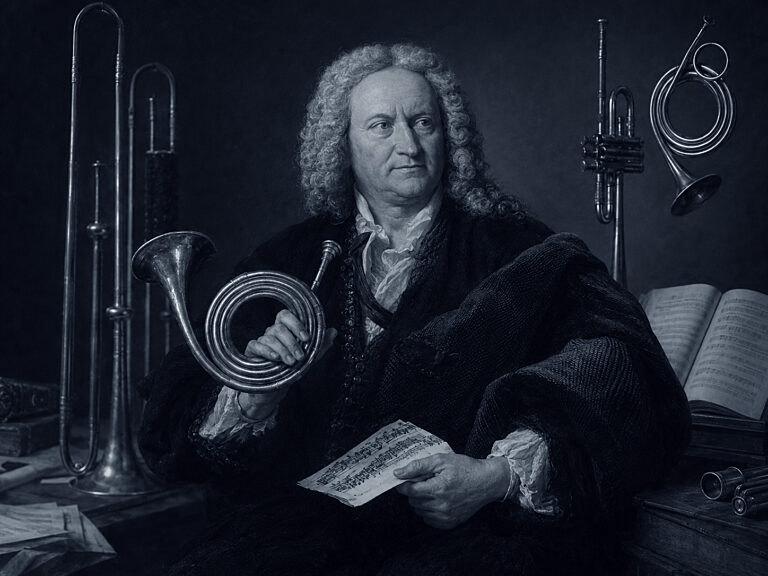
The Baroque trumpet, the high trumpet and the so-called Bach trumpet Free
No. 2 • 1972 Digitized

Part 1

The Baroque trumpet, the high trumpet and the so-called Bach trumpet

Edward H. Tarr examines the Baroque trumpet and clarifies the origins and meaning of the so-called “Bach trumpet.”

By Edward H. Tarr
History Equipment Repertoire Historical instruments Sound
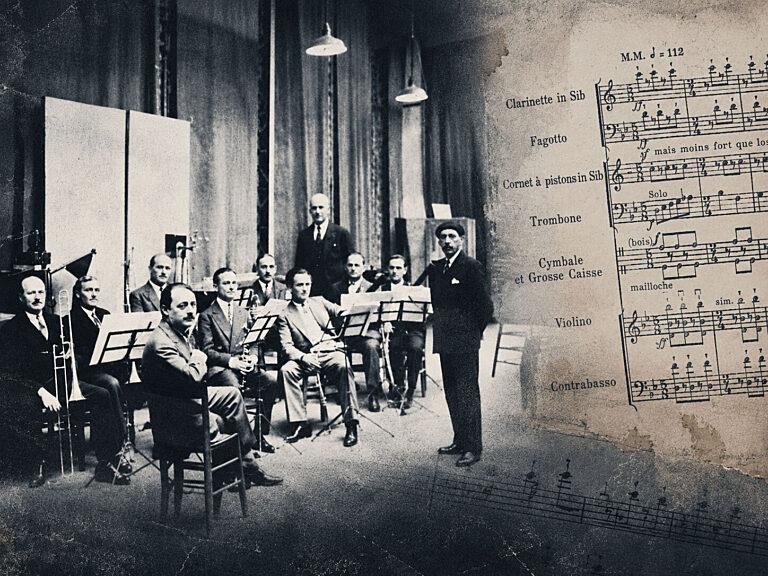
From musical wallpaper to the twelve-note row Member
No. 55 • 1986 Digitized

Part 1

From musical wallpaper to the twelve-note row

The trombone in the chamber ensemble at the beginning of modern music (1913-1934)

Between 1913 and 1934, the trombone gained an unexpected place in chamber music as Satie, Milhaud and Stravinsky challenged orchestral traditions with jazz and new sounds.

By Michael Struck-Schloen
Repertoire History Contemporary Music Jazz
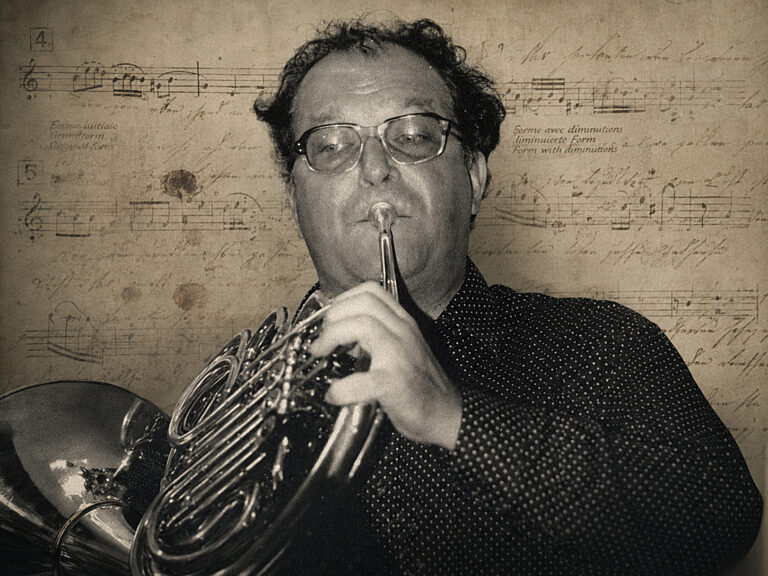
Ornaments in 18th-century Horn Concertos? Member
No. 42 • 1983 Digitized

Part 1

Ornaments in 18th-century Horn Concertos?

Performance once depended as much on informed invention as on written notes, and early horn concertos still carry that forgotten freedom in plain sight.

By Peter Damm

Repertoire History Ornaments Interpretation Improvisation
No. 56 • 1986 Awaiting digitization

Part 2

From musical wallpaper to the twelve-note row

The trombone in the chamber ensemble at the beginning of modern music (1913-1934)

By Michael Struck-Schloen
Repertoire
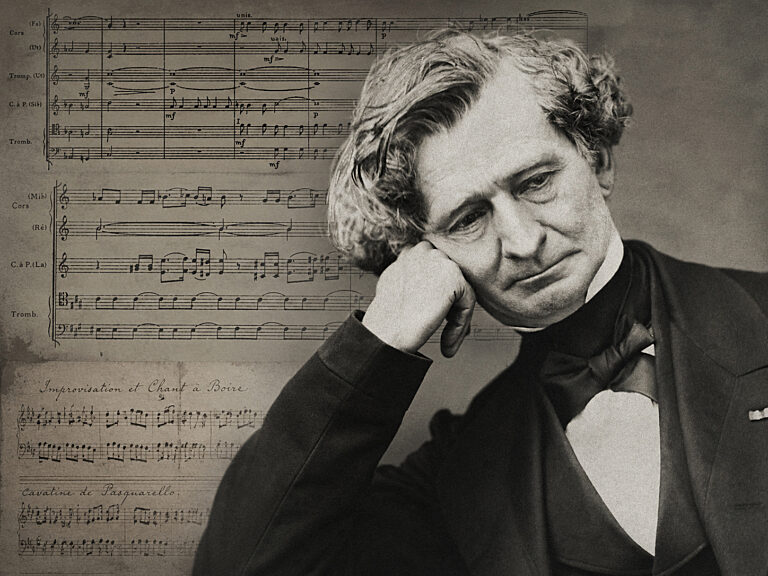
Brass in the Operas of Berlioz Member
No. 45 • 1984 Digitized

Brass in the Operas of Berlioz

Berlioz turned a changing brass section into a dramatic force, using horns, trombones, cornets and saxhorns to shape colour, distance, ceremony and fear.

By Benjamin Perl

History Repertoire Orchestral playing Sound Historical instruments
No. 75 • 1991 Awaiting digitization

The Alto Trombone in the 20th Century Orchestra

By Benny Sluchin
History Repertoire
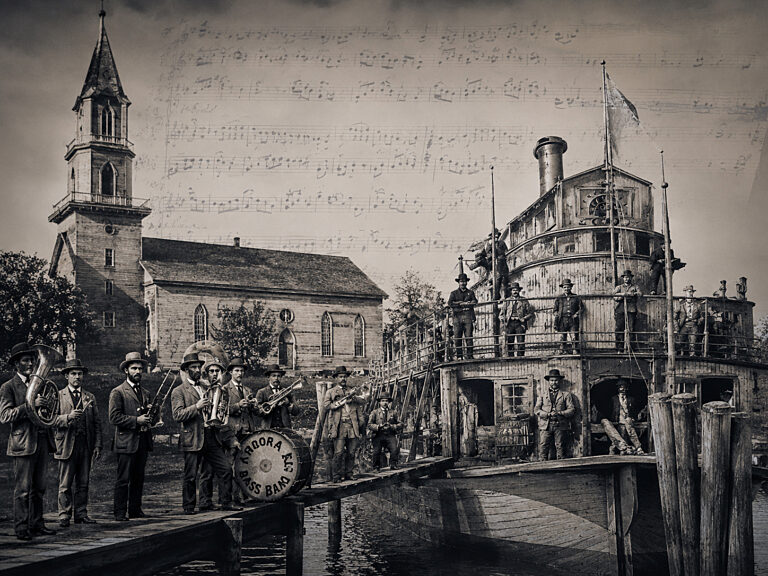
Music in an American Frontier Communal Society Member
No. 35 • 1981 Digitized

Part 2

Music in an American Frontier Communal Society

Aurora Colony

Music shaped daily life in Aurora’s communal colony, from civic ceremonies and political events to touring brass bands that carried its identity across the American West.

By Deborah M. Olsen
History Society Repertoire Sociology Brass Ensemble
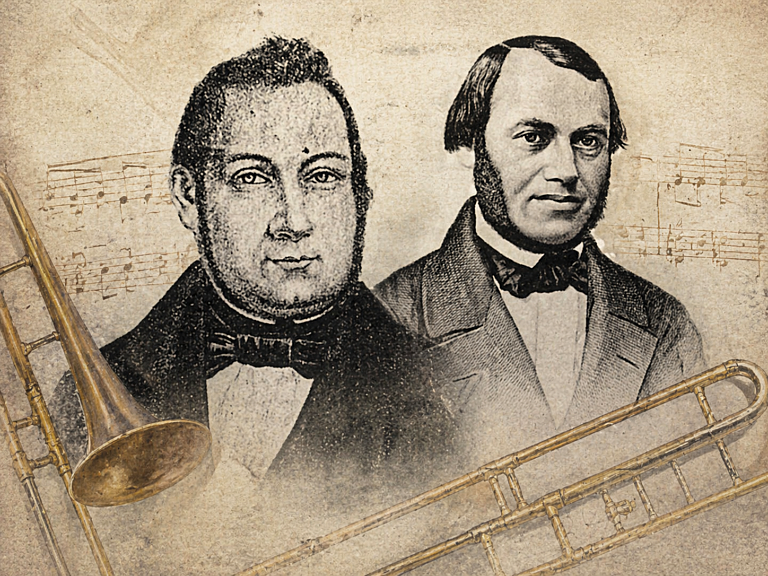
The classical solo concerto for trombone and its interpreters in the 19th century Member
No. 25 • 1979 Digitized

The classical solo concerto for trombone and its interpreters in the 19th century

From Queisser to Ferdinand David: the rise—and disappearance—of the classical trombone concerto in the 19th century reveals a forgotten golden age of virtuosity.

By Werner Beyer
History Repertoire Solo playing
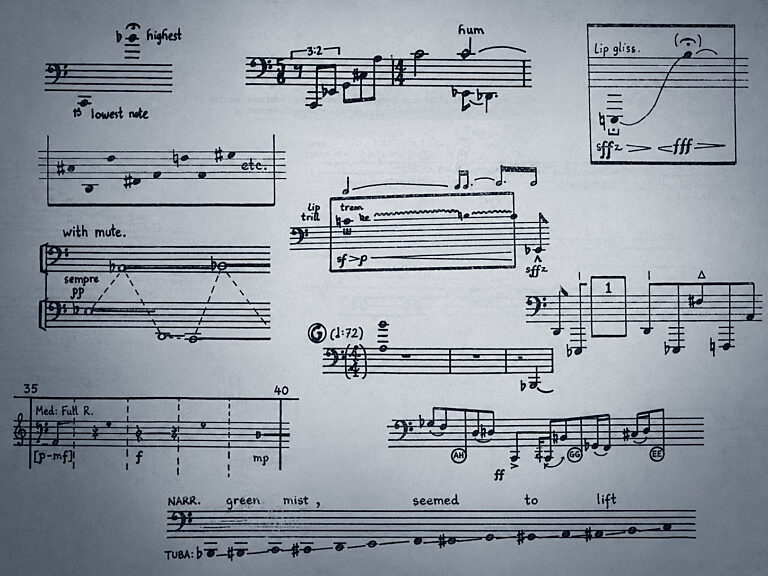
Contemporary systems and trends for the tuba Member
No. 11 • 1975 Digitized

Contemporary systems and trends for the tuba

New music, new rules: Daniel Perantoni explores extended techniques, graphic notation and the evolving language of the tuba.

By Daniel Perantoni

Technique Repertoire Interpretation Contemporary Music
No. 96 • 1996 Awaiting digitization

Stanley Friedman sound from the pen...

By Jean-Pierre Mathez

Encounters Repertoire
No. 73 • 1991 Awaiting digitization

Trumpet and percussion, a dynamic combination

+ Music and Zen, interview with Patrick Lehmann and Simone Wolf-Lehmann

By Jean-Pierre Mathez

Repertoire
No. 67 • 1989 Awaiting digitization

Part 1

The influence of Berlioz

on contemporary 19th Century use of brass instruments

By Ernest H. Gross

History Repertoire
No. 80 • 1992 Awaiting digitization

Men's chorus and winds

Special Austria

By Elisabeth Anzenberger-Ramminger

Report Repertoire
No. 69 • 1990 Awaiting digitization

Julien-François Zbinden, Composer

By Jean-Pierre Mathez

Encounters Repertoire
No. 85 • 1994 Awaiting digitization

Boosey & Hawkes

A spectacular revival

By Jean-Pierre Mathez

Report Repertoire Equipment
No. 70 • 1990 Awaiting digitization

Neruda's Concerto for Horn (or trumpet)

By Edward H. Tarr

Repertoire
Ornaments in 18th-century Horn Concertos? Free
No. 45 • 1984 Digitized

Part 4

Ornaments in 18th-century Horn Concertos?

Changes and modifications of tempo

Tempo, dynamics and cadenzas expose how much an 18th-century horn concerto once depended on choices that modern notation and instruments can easily obscure.

By Peter Damm

History Repertoire Ornaments Interpretation
Free
No. 5 • 1973 Digitized

Snapshot: the American Brass Quintet in Europe

Report on the American Brass Quintet’s tour in Europe, highlighting performances, reception and the ensemble’s role in chamber brass music.

By Jean-Pierre Mathez

Encounters Repertoire Interpretation Sound Intonation Brass Ensemble
No. 73 • 1991 Awaiting digitization

Part 2

The Alto Trombone

In the 18th Century Sacred Chamber Music from the Abbeys of Göttweig and Melk, Austria

By J. Richard Raum
History Repertoire
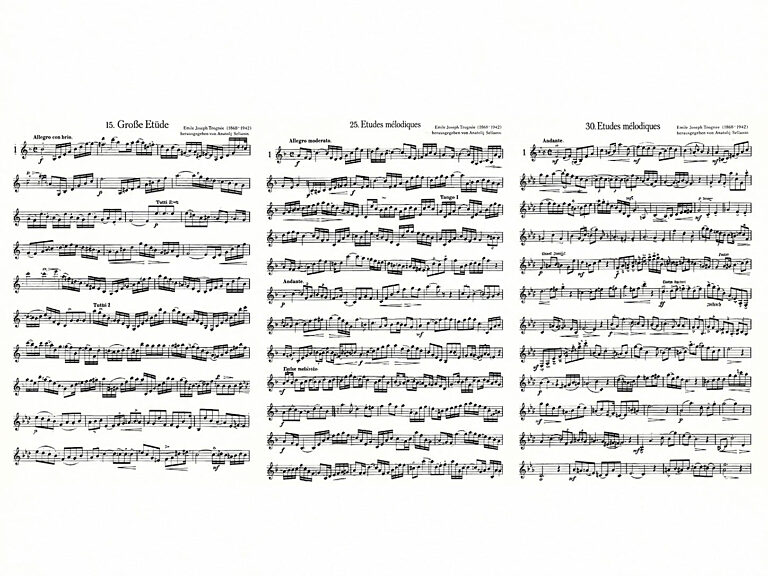
Emile Joseph Trognée (1868-1942) Free
No. 51 • 1985 Digitized

Emile Joseph Trognée (1868-1942)

Discovery of unpublished trumpet studies

Forgotten in Leningrad for decades, Trognée’s unpublished trumpet studies reconnect the Belgian virtuoso with a European tradition his Russian career had obscured.

By Anatoly Selianin

Repertoire History
No. 57 • 1987 Awaiting digitization

Part 2

Trombone and Organ, a Dialog

By Klaus Winkler
Repertoire
Transcription fundamentals Free
No. 31 • 1980 Digitized

Transcription fundamentals

Between Bach fugues and Mozart concertos, Ralph Sauer questions where brass transcription renews a work — and where it merely imitates.

By Ralf Sauer

Repertoire Interpretation Brass Ensemble
No. 114 • 2001 Awaiting digitization

R. Nak & His Tokyo Bach Band

By Michio Sugihara

Report Repertoire
Loading…

Questions & Answers

How the Digital Edition works

What does the Digital Edition include?

The Digital Edition brings together the articles already digitized as searchable online texts—not simply as scans or PDF files—along with their original illustrations, notes, authorship, issue information, and available translations. Related-article suggestions currently include only this digitized material.

Are the digital articles identical to the originals?

We preserve the original text, language, illustrations, captions, footnotes, and editorial context as faithfully as possible. The presentation is adapted for comfortable online reading, and obvious transcription or scanning errors may be corrected. The substance and character of the published article remain unchanged.

Which languages are available?

Brass Bulletin was published in English, French, and German throughout its history. Italian and Spanish translations were added from issue No. 60 onward.

On the Italian and Spanish sites, articles from issues 1–59 are therefore shown in English by default.

How often are new articles added?

New articles are added almost daily, with approximately one complete issue digitized each week. The pace may vary depending on the preparation, image work, and editorial checking required.

Why aren’t all articles available digitally?

The complete Brass Bulletin collection contains 1,246 articles published between 1971 and 2003. The full index is already available online, allowing readers to discover every article in the collection, including those whose complete text has not yet been digitized.

Digitization began in February 2026. Each article is carefully prepared for online reading, checked, and connected to its issue, authors, subjects, and illustrations. At the current pace of digitization, the complete collection is expected to be available online by February 2028.

Why do some references mention articles that are not available yet?

References in the original articles are preserved even when the material they point to has not yet been digitized. This keeps the historical and editorial record intact. As more issues are added to the Digital Edition, an increasing number of these references will lead to articles that can be read online.

Can I suggest an article or report a transcription error?

Yes. If there is an article you would particularly like to see digitized, or if you notice a possible transcription error or missing detail, please contact us. Reader feedback helps us improve the Digital Edition and prioritize useful connections within the archive.

How can I support Brass Bulletin?

Your support helps fund the preparation, verification, and online publication of the complete collection.

Subscribe to the Digital Edition

Prefer to support us without subscribing?

Make a donation

How is the digitization progressing?

We’re gradually making the Brass Bulletin available online, article by article. You can read newly digitized articles as soon as they’re ready, even before an entire issue is complete.

Visit our Digitization Roadmap to browse recent additions and see estimated availability for upcoming issues. These estimates follow our recent pace and may change.

Search Brass Bulletin.