Explore institutional access →

History

278 articles
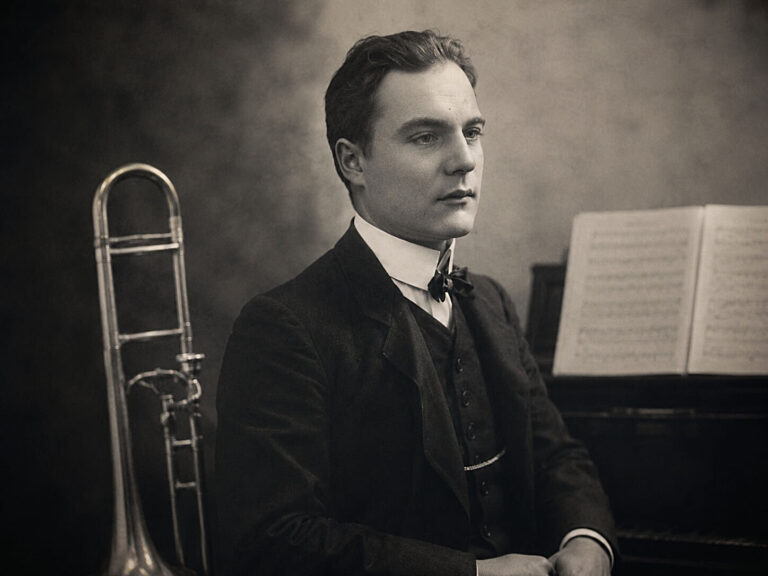
Vladislav Mykhaylovich Blazhevich (1881-1942) Free
No. 38 • 1982 Digitized

Vladislav Mykhaylovich Blazhevich (1881-1942)

Trombonist, Composer and Teacher

From village band to the Moscow Conservatoire and the Bolshoi, a lifelong commitment to performance, teaching and wind music shaped Soviet trombone tradition.

By Viktor Sumerkin

History Teaching Russian school Orchestral playing Brass Ensemble
No. 117 • 2002 Awaiting digitization

Carl Traugott Queisser

God of the trombone

By Sebastian Krause
History
The Trumpet Free
No. 29 • 1980 Digitized

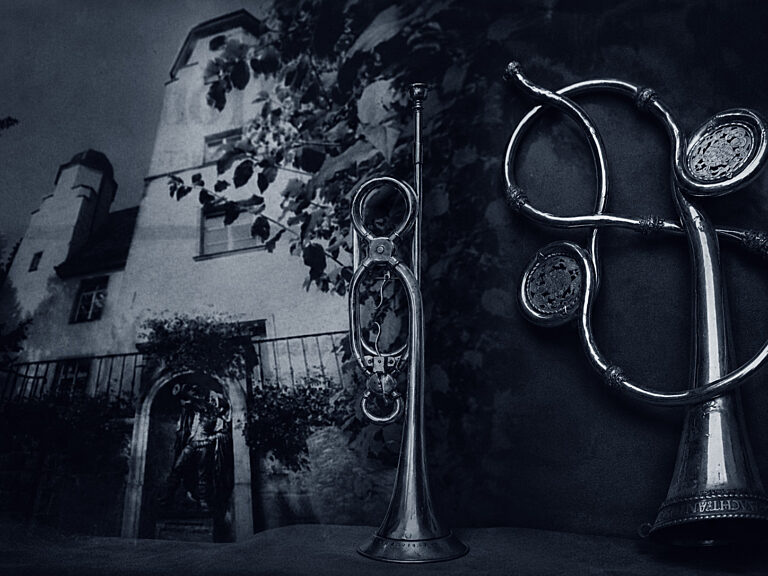
The Trumpet

An exhibition at the Trumpeter's Castel in Bad Säckingen

Natural trumpets from Verona, Nürnberg and Vienna framed a 1979 gathering in Säckingen linking Baroque practice, collecting culture and modern playing.

By Kurt Janetzky

History Event Historical instruments Valves
The trombone: changing times, changing slide positions Member
No. 11 • 1975 Digitized

The trombone: changing times, changing slide positions

Did trombonists always use seven positions? Heinrich Huber reveals how history, theory and early music reshaped the slide.

By Heinrich Huber

Technique History Historical instruments Intonation
No. 62 • 1988 Awaiting digitization

The soprano trombone

By Jörg Richter

History
No. 72 • 1990 Awaiting digitization

Carnival of Venice at the age of more than 125!

By Emil Hermann
History Repertoire
Harry James (1916-1983) Member
No. 45 • 1984 Digitized

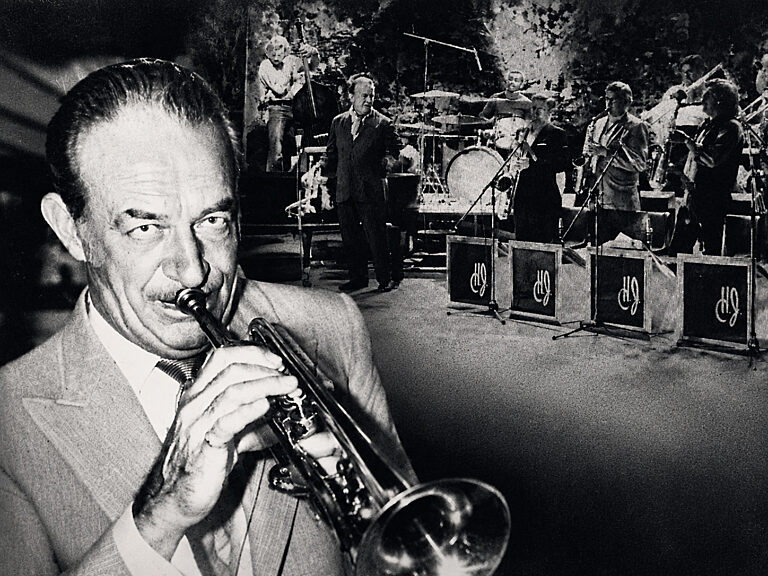
Harry James (1916-1983)

Young Man With A Horn

Harry James stood between jazz virtuosity and popular showmanship, turning the trumpet into a mass-audience voice without losing the respect of classical players.

By Michel Laplace

Encounters History Jazz Solo playing
No. 58 • 1987 Awaiting digitization

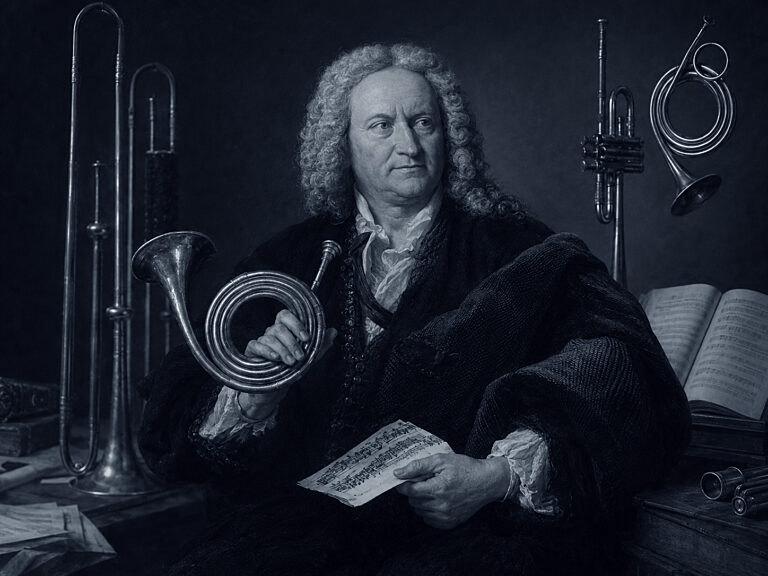
17th and 18th Century Brass Instruments at the Shrine to Music Museum

Vermillon (USA)

By Margaret Downie Banks
History
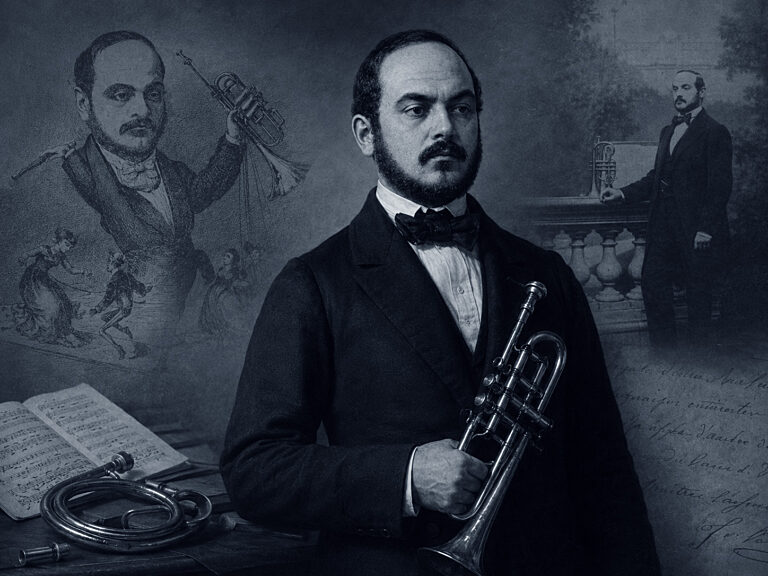
The Baroque trumpet, the high trumpet and the so-called Bach trumpet Member
No. 3 • 1972 Digitized

Part 2

The Baroque trumpet, the high trumpet and the so-called Bach trumpet

Continuation of Edward H. Tarr’s study on the Baroque trumpet, examining the high trumpet and further clarifying the concept of the “Bach trumpet.”

By Edward H. Tarr
History Equipment Repertoire Historical instruments Sound
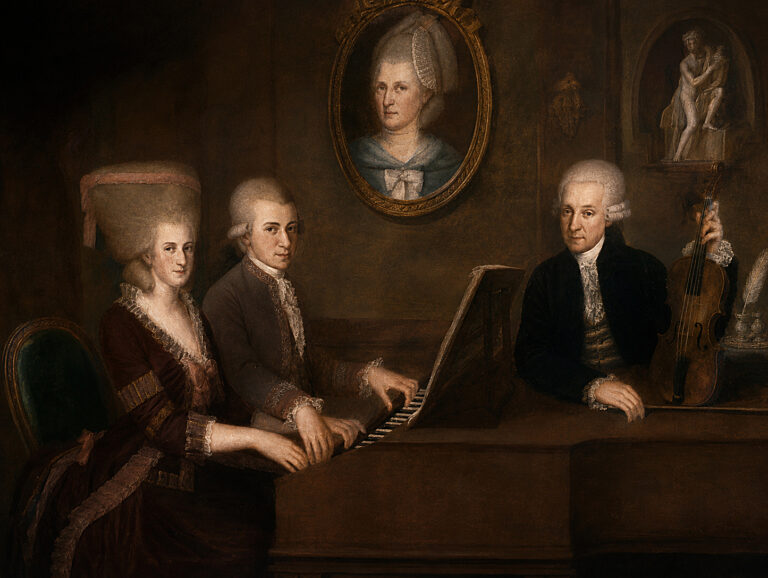
Jean-Baptiste Arban (1825-1889) Biography Free
No. 15 • 1976 Digitized

Part 7

Jean-Baptiste Arban (1825-1889) Biography

Critical Analysis of his Method

Is the Arban method really ideal? This critique reveals its limits—and calls for a rethink of brass pedagogy.

By Jean-Pierre Mathez
History
W. A. Mozart and the Trumpet... Free
No. 42 • 1983 Digitized

W. A. Mozart and the Trumpet...

A forgotten anecdote places one of music's greatest figures in startling conflict with the trumpet, raising unexpected questions about fear, sound and musical sensibility.

By Jean-Pierre Mathez

History
Editorial Free
No. 54 • 1986 Digitized

Editorial

A wealth of Baroque music lies dormant in libraries, caught between historical instrument names, technical demands, and the competing claims of horn and trumpet players.

By Jean-Pierre Mathez

Repertoire History Historical instruments
No. 87 • 1994 Awaiting digitization

Part 3

French cornet methods published before Arban's Complete Grand Method for Cornet and Saxhorn

By Friedrich Anzenberger

History Repertoire Teaching
No. 73 • 1991 Awaiting digitization

Bremen, city open to music

By Jean-Pierre Mathez
History
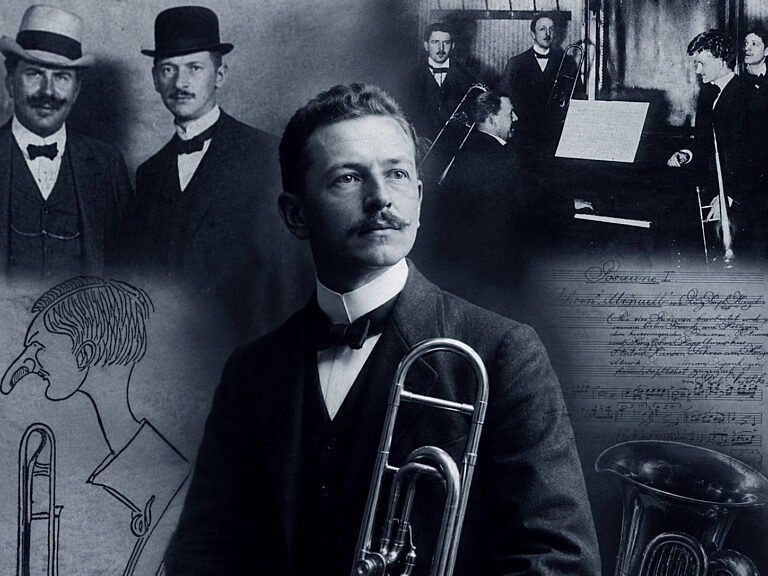
Anton Hansen (1877-1947) Member
No. 28 • 1979 Digitized

Part 2

Anton Hansen (1877-1947)

Father of trombone playing in Scandinavia

Berlin, Leipzig and Copenhagen diary pages show Hansen testing slide-trombone ideals against Weschke, orchestral practice and Carl Nielsen.

By Per Gade

History
No. 84 • 1993 Awaiting digitization

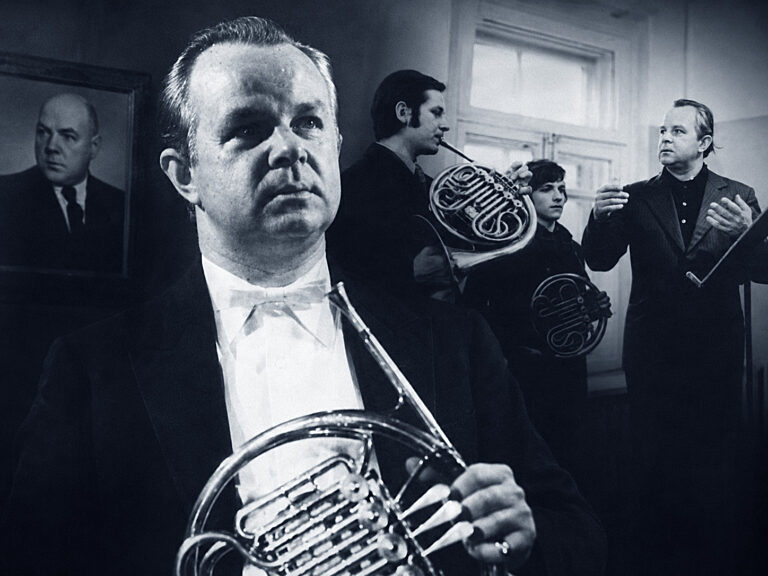
Natural Horn

An amazing renaissance

By Jean-Pierre Mathez
Report History
The Leningrad School of Horn Playing Member
No. 27 • 1979 Digitized

The Leningrad School of Horn Playing

From St. Petersburg to the Soviet era, generations of horn players shaped a distinctive approach to sound, interpretation, and orchestral playing.

By Frøydis Ree Wekre

History Teaching Russian school Interpretation Sound
No. 118 • 2002 Awaiting digitization

Part 1

A look at the evolution of the valved cornet and its repertoire

By Géry Dumoulin

History
No. 77 • 1992 Awaiting digitization

The town trumpeters of Delft

Special Holland

By Willem Ouwerkerk
History
The Haydn Trumpet Concerto Member
No. 37 • 1982 Digitized

Part 3

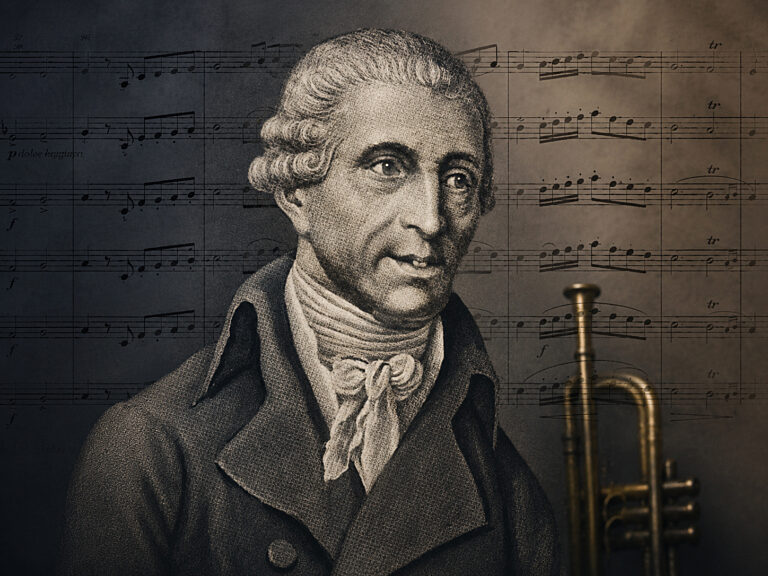
The Haydn Trumpet Concerto

Haydn’s trumpet concerto becomes a study of manuscript detail, performance choices, and the fragile ways listeners receive a familiar work.

By Alfred Willener

History Repertoire Society Interpretation Sociology Ideas Keyed trumpet
No. 113 • 2001 Awaiting digitization

Tomás Vicent Tosca (1651-1723)

The production of sound in brasswind instruments

By Josep Antoni Alberola I Verdu

History
The tuba in France Member
No. 13 • 1976 Digitized

The tuba in France

How did the tuba emerge as an orchestral force? Fernand Lelong and Robert Coutet trace its path—from serpent to Sax—and its rapid rise.

By Fernand Lelong, Robert Coutet

History Equipment Historical instruments Instrument making French school
No. 101 • 1998 Awaiting digitization

The Royal Academy of Music and its tradition

By John Humphries

History Teaching
No. 120 • 2002 Awaiting digitization

Part 2

The solo trombone of the bohemian baroque

By Ken Shifrin

History
Loading…

Questions & Answers

How the Digital Edition works

What does the Digital Edition include?

The Digital Edition brings together the articles already digitized as searchable online texts—not simply as scans or PDF files—along with their original illustrations, notes, authorship, issue information, and available translations. Related-article suggestions currently include only this digitized material.

Are the digital articles identical to the originals?

We preserve the original text, language, illustrations, captions, footnotes, and editorial context as faithfully as possible. The presentation is adapted for comfortable online reading, and obvious transcription or scanning errors may be corrected. The substance and character of the published article remain unchanged.

Which languages are available?

Brass Bulletin was published in English, French, and German throughout its history. Italian and Spanish translations were added from issue No. 60 onward.

On the Italian and Spanish sites, articles from issues 1–59 are therefore shown in English by default.

How often are new articles added?

New articles are added almost daily, with approximately one complete issue digitized each week. The pace may vary depending on the preparation, image work, and editorial checking required.

Why aren’t all articles available digitally?

The complete Brass Bulletin collection contains 1,246 articles published between 1971 and 2003. The full index is already available online, allowing readers to discover every article in the collection, including those whose complete text has not yet been digitized.

Digitization began in February 2026. Each article is carefully prepared for online reading, checked, and connected to its issue, authors, subjects, and illustrations. At the current pace of digitization, the complete collection is expected to be available online by February 2028.

Why do some references mention articles that are not available yet?

References in the original articles are preserved even when the material they point to has not yet been digitized. This keeps the historical and editorial record intact. As more issues are added to the Digital Edition, an increasing number of these references will lead to articles that can be read online.

Can I suggest an article or report a transcription error?

Yes. If there is an article you would particularly like to see digitized, or if you notice a possible transcription error or missing detail, please contact us. Reader feedback helps us improve the Digital Edition and prioritize useful connections within the archive.

How can I support Brass Bulletin?

Your support helps fund the preparation, verification, and online publication of the complete collection.

Subscribe to the Digital Edition

Prefer to support us without subscribing?

Make a donation

How is the digitization progressing?

We’re gradually making the Brass Bulletin available online, article by article. You can read newly digitized articles as soon as they’re ready, even before an entire issue is complete.

Visit our Digitization Roadmap to browse recent additions and see estimated availability for upcoming issues. These estimates follow our recent pace and may change.

Search Brass Bulletin.