Explore institutional access →

History

279 articles

No. 120 • 2002 Awaiting digitization

Part 2

The solo trombone of the bohemian baroque

By Ken Shifrin

History
No. 118 • 2002 Awaiting digitization

Part 3

The modern concert hall

The Trumpet Echo

By Sabina Pade

Report History Acoustics
No. 57 • 1987 Awaiting digitization

José de Juan Martínez's tutor for the circular hand-stopped trumpet (1830)

By Beryl Kenyon De Pascual
History Teaching
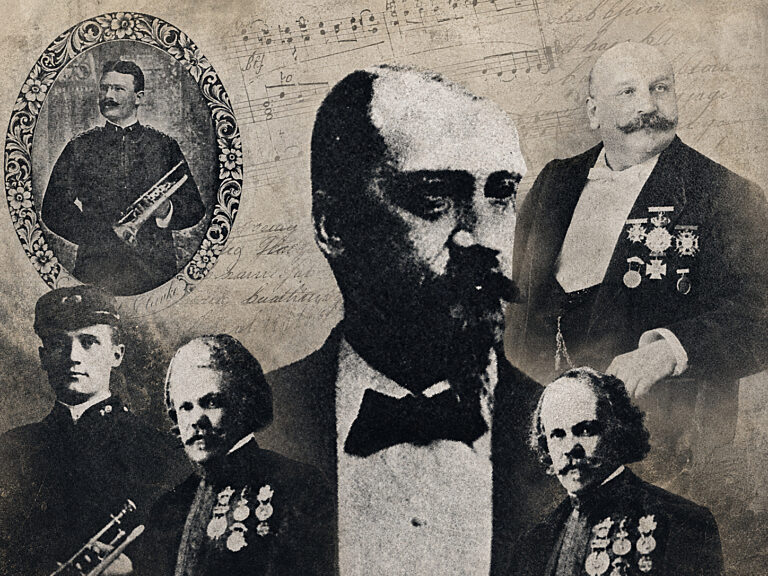
The saga of the cornet and six of its outstanding artists Member
No. 12 • 1975 Digitized

The saga of the cornet and six of its outstanding artists

The cornet reached extraordinary heights in the 19th century. Jack Hall traces the rise of its greatest virtuosi and a remarkable era of technical brilliance.

By Jack Hall
History Solo playing American school
Reminiscence of trombonists of the past Free
No. 22 • 1978 Digitized

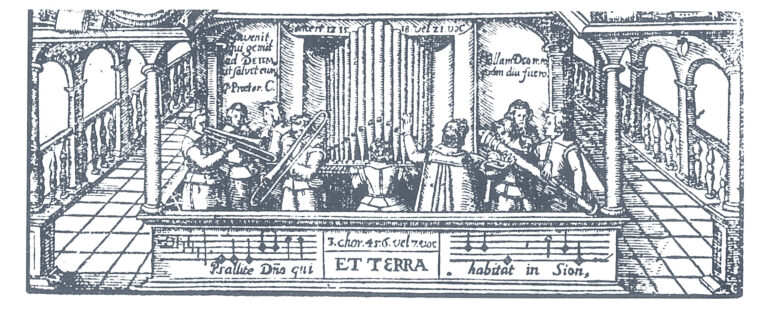
Reminiscence of trombonists of the past

Echoes of the past: Werner Beyer traces great trombonists from the 17th century to Wagner’s era—revealing how tradition, players, and instruments shaped the modern orchestra.

By Werner Beyer

History Orchestral playing Historical instruments
Instrument Makers in USA Free
No. 51 • 1985 Digitized

Part 3

Instrument Makers in USA

C. G. Conn Ltd. Abilene, Texas

In Abilene, automated production and workshop skills meet under a familiar name, as an American brass maker seeks to regain ground lost over the previous decade.

By Stephan Suter

Instrument Makers History Instrument making
No. 113 • 2001 Awaiting digitization

Part 1

The Horn Concerti of W. A. Mozart

By Herman Jeurissen

History
No. 73 • 1991 Awaiting digitization

A short history of the tango

By Abel Larrosa Cuevas

History
No. 119 • 2002 Awaiting digitization

Part 4

The modern concert hall

Spreading walls, shrinking sound

By Sabina Pade
Report History Acoustics
Bach and the Others
No. 119 • 2002 Awaiting digitization

Part 1

Bach and the Others

Eighteenth-Century Trumpeter-Hornists

From Bach’s Leipzig cantatas to the Stadtpfeifer tradition, trumpet and horn emerge as interchangeable tools within a remarkably versatile musical profession.

By Edward H. Tarr

History
No. 105 • 1999 Awaiting digitization

Schloss Kremsegg: Serpent in C

By Siegfried Kristofl
History
Edna White Member
No. 48 • 1984 Digitized

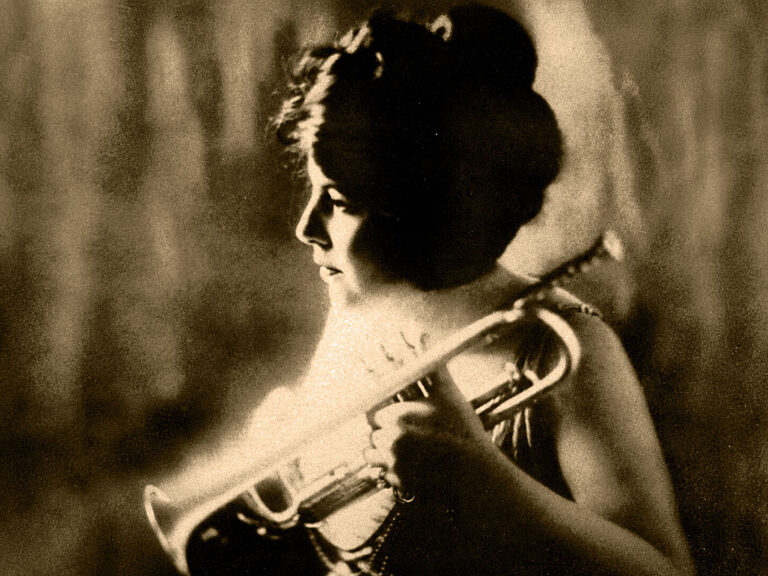
Edna White

A Woman and a Life in the Service of the Trumpet

At a time when the cornet still ruled, Edna White made the trumpet a solo voice, building a career across concert halls, radio, recordings and new repertoire.

By Michel Laplace

History Solo playing
No. 68 • 1989 Awaiting digitization

Heinrich Domnich (1767-1844)

By Robert Ricks
History
On the Cornett and Serpent Member
No. 46 • 1984 Digitized

On the Cornett and Serpent

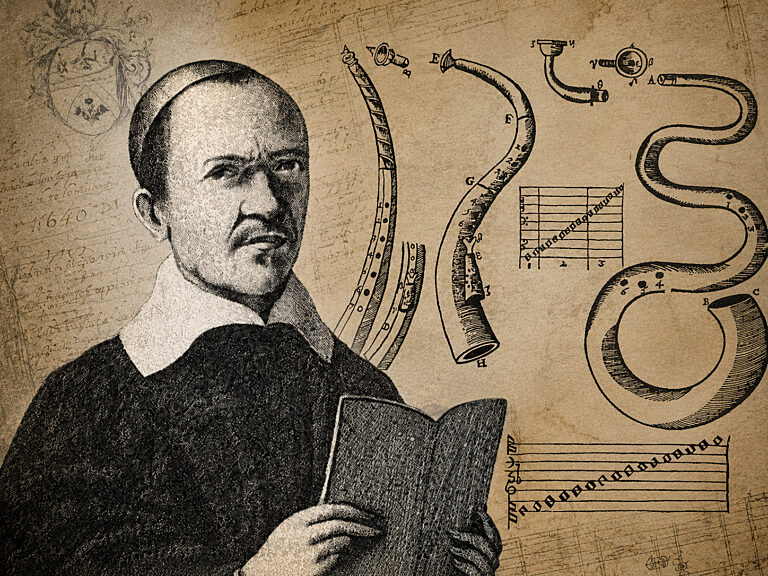
From Pierre Trichet’s Traité des Instruments de Musique (c. 1640)

Written around 1640, Pierre Trichet’s Traité des Instruments de Musique preserves a firsthand account of the cornett and serpent in musical life and construction.

By Pierre Trichet
History Equipment Historical instruments
On Trumpets Free
No. 49 • 1985 Digitized

On Trumpets

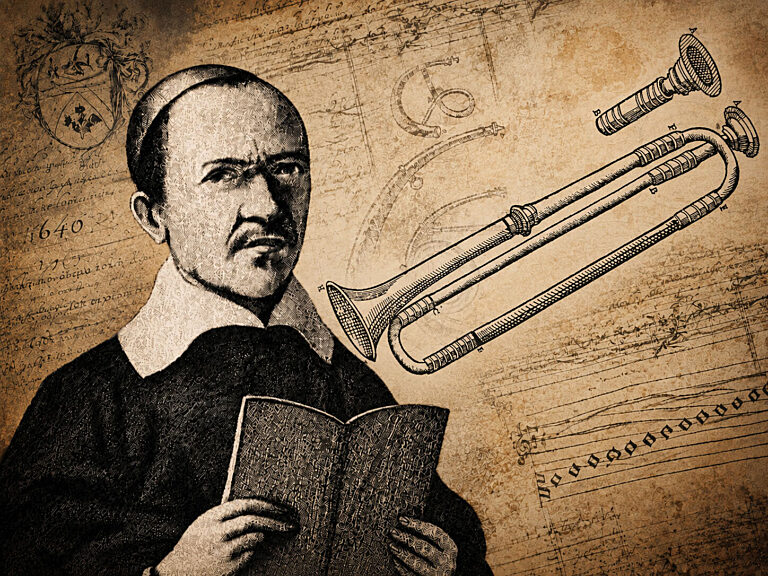
From Pierre Trichet’s Traité des Instruments de Musique (c. 1640)

Trumpets served war, ceremony and even medicine before Trichet turned to the mute, a simple device whose purpose extended far beyond changing the sound.

By Pierre Trichet

History Equipment Historical instruments
300 Years of the Horn Member
No. 31 • 1980 Digitized

Part 1

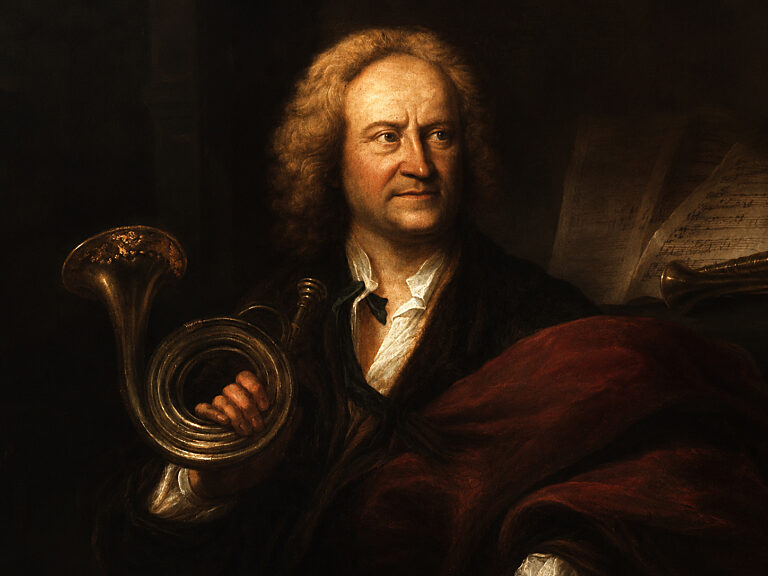
300 Years of the Horn

1680-1980, an attempted survey

From Versailles to Bohemia, hunting horns enter orchestral life through makers, players, early works and the Austro-Bohemian tradition.

By Peter Damm
History Equipment Historical instruments Instrument making Orchestral playing
The Trumpet and the Cornet in Jazz and Popular Music Member
No. 43 • 1983 Digitized

Part 2

The Trumpet and the Cornet in Jazz and Popular Music

The “Classical” Period 1927-1945 — The Golden Age of the Trumpet

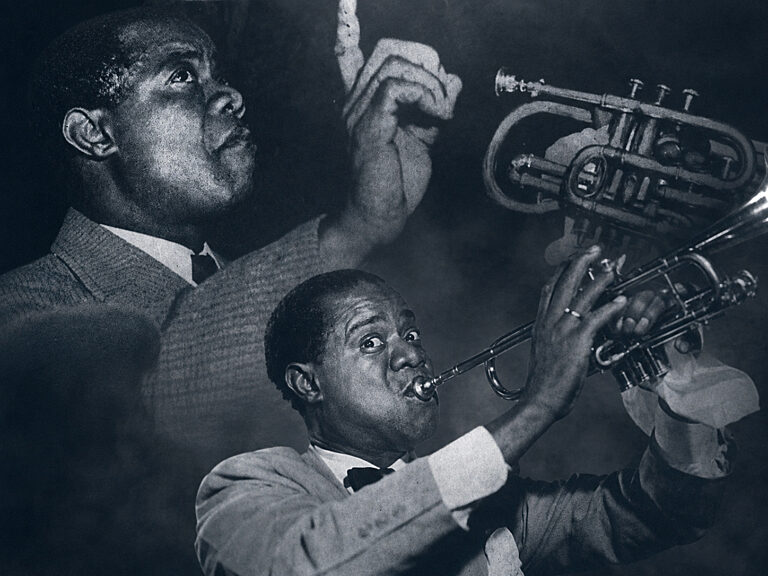
Between Armstrong’s rise and bebop’s arrival, the trumpet became jazz’s dominant voice, reshaping technique, orchestras, sound, mutes and virtuosity.

By Michel Laplace

History Repertoire Jazz Improvisation
No. 119 • 2002 Awaiting digitization

Part 2

A look at the evolution of the valved cornet and its repertoire

By Géry Dumoulin
History
Japanese painting from the 18th century Free
No. 35 • 1981 Digitized

Japanese painting from the 18th century

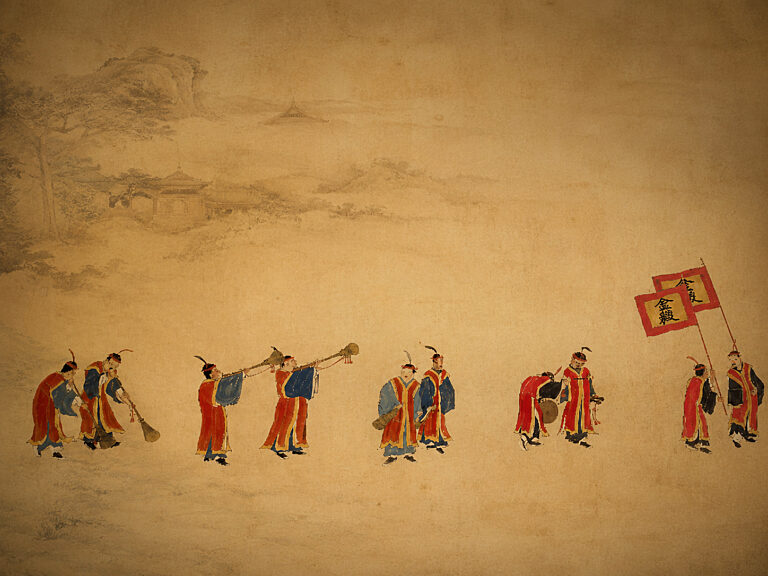
An 18th-century Okinawan scroll preserves a ceremonial procession where Chinese-derived instruments, including the rapa trumpet, marked diplomatic exchange with Japan.

By Fujio Nakayama
History Historical instruments Illustrations
A brief survey of the history of the Finnish brass music Member
No. 53 • 1986 Digitized

Special Finland

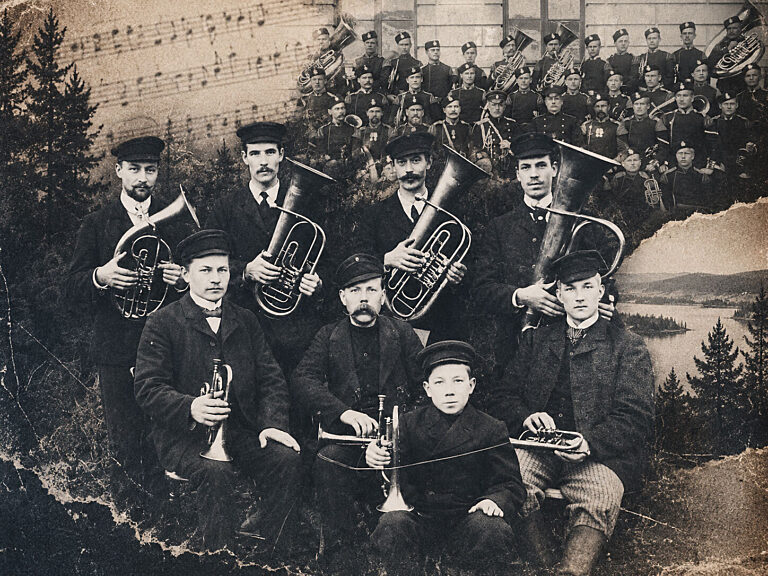
A brief survey of the history of the Finnish brass music

Finland’s brass identity grew between Russian military traditions and Western orchestral models, turning competing influences into a distinctive national voice.

By Simo Kanerva
History
Tower-watchmen and night-watchmen in Bohemia Free
No. 29 • 1980 Digitized

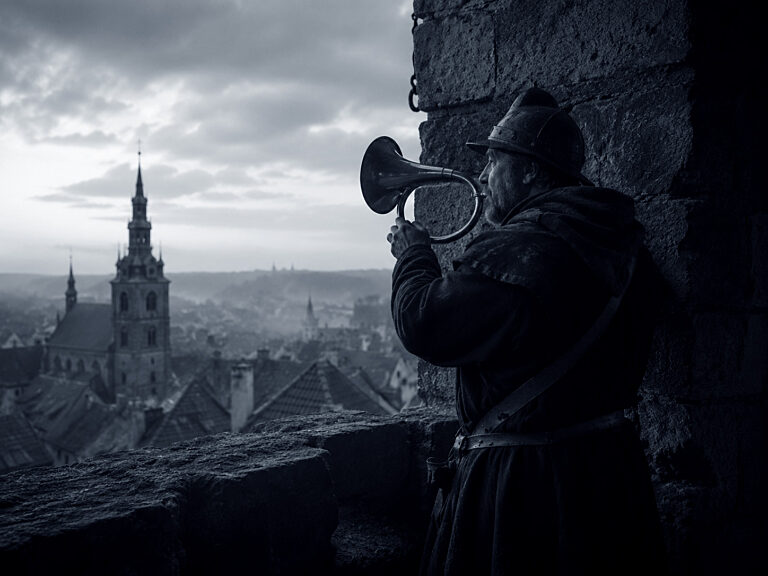
Tower-watchmen and night-watchmen in Bohemia

From Hussite suspicion of musicians to tower signals over Bohemian towns, horns and trumpets shaped civic life, danger warnings and ritual memory.

By Vaclav Hoza
History Society Sociology Historical instruments
Music in an American Frontier Communal Society Member
No. 36 • 1981 Digitized

Part 3

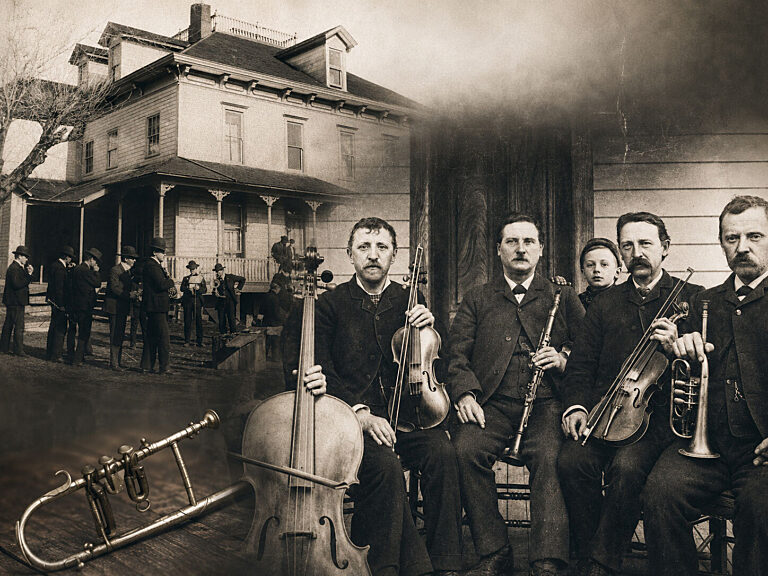
Music in an American Frontier Communal Society

Aurora Colony

Aurora’s bands, chamber groups and restored instruments show how communal faith, German heritage and American public life met in sound, from parlors to parades.

By Deborah M. Olsen

History Society Sociology Brass Ensemble Historical instruments
No. 115 • 2001 Awaiting digitization

An historical perspective of the alto trombone

By Saeki Shigeki

History
No. 66 • 1989 Awaiting digitization

Franz (Frantisek) Schollar and the Russian school of horn playing

By Vitali Bujanovsky

History
Loading…

Questions & Answers

How the Digital Edition works

What does the Digital Edition include?

The Digital Edition brings together the articles already digitized as searchable online texts—not simply as scans or PDF files—along with their original illustrations, notes, authorship, issue information, and available translations. Related-article suggestions currently include only this digitized material.

Are the digital articles identical to the originals?

We preserve the original text, language, illustrations, captions, footnotes, and editorial context as faithfully as possible. The presentation is adapted for comfortable online reading, and obvious transcription or scanning errors may be corrected. The substance and character of the published article remain unchanged.

Which languages are available?

Brass Bulletin was published in English, French, and German throughout its history. Italian and Spanish translations were added from issue No. 60 onward.

On the Italian and Spanish sites, articles from issues 1–59 are therefore shown in English by default.

How often are new articles added?

New articles are added almost daily, with approximately one complete issue digitized each week. The pace may vary depending on the preparation, image work, and editorial checking required.

Why aren’t all articles available digitally?

The complete Brass Bulletin collection contains 1,246 articles published between 1971 and 2003. The full index is already available online, allowing readers to discover every article in the collection, including those whose complete text has not yet been digitized.

Digitization began in February 2026. Each article is carefully prepared for online reading, checked, and connected to its issue, authors, subjects, and illustrations. At the current pace of digitization, the complete collection is expected to be available online by February 2028.

Why do some references mention articles that are not available yet?

References in the original articles are preserved even when the material they point to has not yet been digitized. This keeps the historical and editorial record intact. As more issues are added to the Digital Edition, an increasing number of these references will lead to articles that can be read online.

Can I suggest an article or report a transcription error?

Yes. If there is an article you would particularly like to see digitized, or if you notice a possible transcription error or missing detail, please contact us. Reader feedback helps us improve the Digital Edition and prioritize useful connections within the archive.

How can I support Brass Bulletin?

Your support helps fund the preparation, verification, and online publication of the complete collection.

Subscribe to the Digital Edition

Prefer to support us without subscribing?

Make a donation

How is the digitization progressing?

We’re gradually making the Brass Bulletin available online, article by article. You can read newly digitized articles as soon as they’re ready, even before an entire issue is complete.

Visit our Digitization Roadmap to browse recent additions and see estimated availability for upcoming issues. These estimates follow our recent pace and may change.

Search Brass Bulletin.