Explore institutional access →

History

278 articles

No. 101 • 1998 Awaiting digitization

John Smithies, trombonist & enigma

By John Humphries

History Encounters
No. 88 • 1994 Awaiting digitization

Part 2

Thomas Gschladt

An Historical Perspective of an 18th Century Trombonist

By J. Richard Raum
History
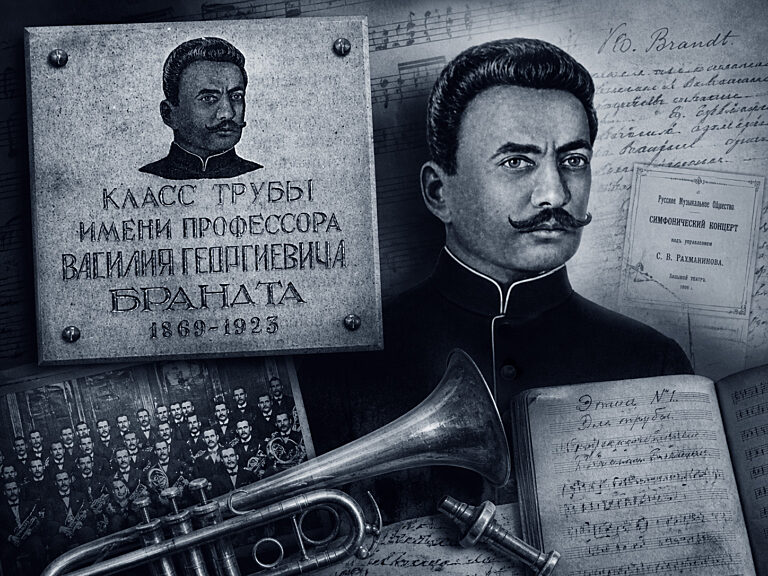
Vassily Gueorguievitch Brandt (1869–1923) Member
No. 26 • 1979 Digitized

Vassily Gueorguievitch Brandt (1869–1923)

Biography

Sélianine traces Brandt’s life and artistry, from Bolshoi virtuoso to influential pedagogue, revealing the foundations of a distinctly Russian trumpet tradition.

By Anatoly Selianin
History Teaching Russian school Sound Articulation
The Haydn Trumpet Concerto Member
No. 35 • 1981 Digitized

Part 1

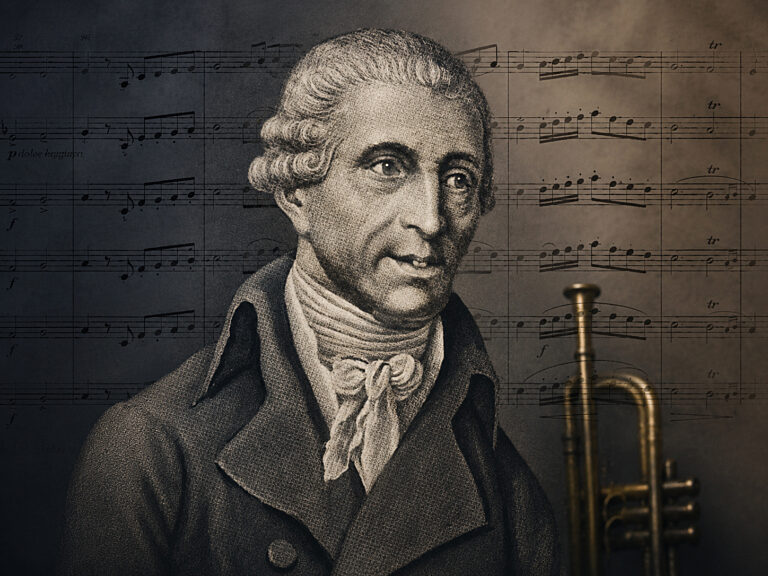
The Haydn Trumpet Concerto

As editions, instruments and traditions diverge, Haydn’s trumpet concerto becomes a lens on notation, style and the shifting meaning of performance.

By Alfred Willener
History Repertoire Interpretation Keyed trumpet Ornaments
The brass band tradition in Finland Free
No. 53 • 1986 Digitized

Special Finland

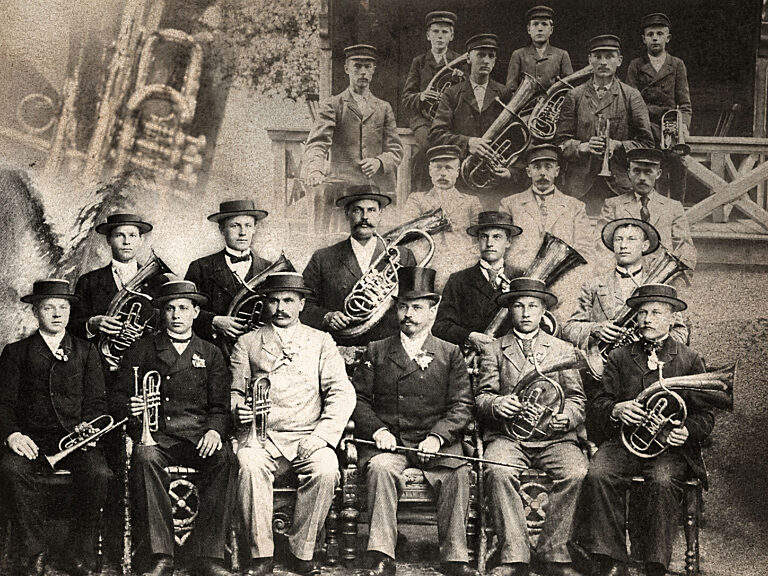
The brass band tradition in Finland

Finland’s brass-band tradition grew from imperial reform into a nationwide phenomenon, before an equally systematic transformation brought the era to an end.

By Holger Fransman
History Band Brass Ensemble
On the early history of valves and valve instruments in Germany (1814-1833) Member
No. 25 • 1979 Digitized

Part 2

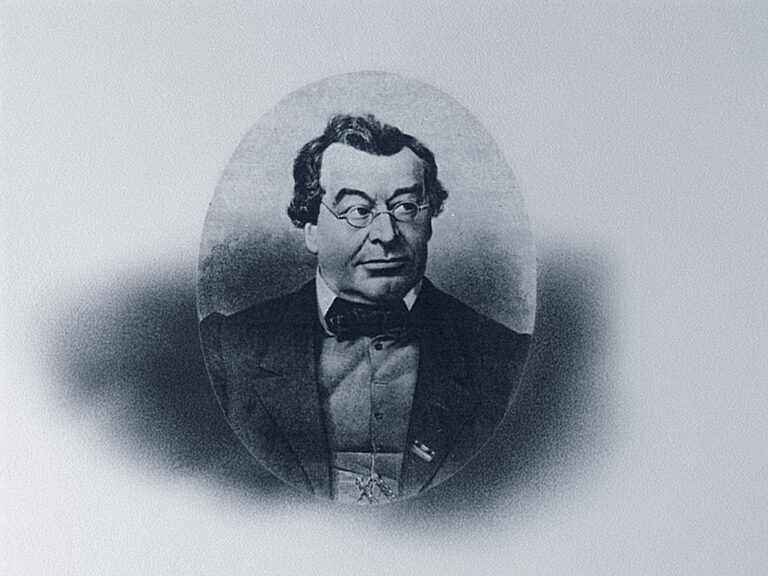
On the early history of valves and valve instruments in Germany (1814-1833)

From invention to rivalry: the early history of rotary and piston valves reveals a battle of ideas, patents, and craftsmanship that transformed brass instruments forever.

By Herbert Heyde

History Equipment Valves Instrument making Historical instruments
No. 60 • 1987 Awaiting digitization

Markneukirchen Musical Instrument Museum

Special GDR

By Jean-Pierre Mathez

History
No. 70 • 1990 Awaiting digitization

Part 2

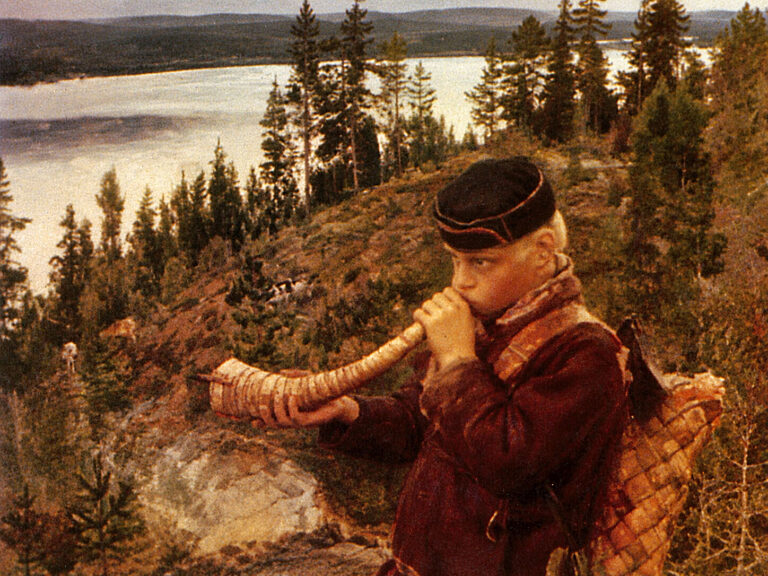
The arab Trumpet II - Brass in the Middle East

Brass in the Middle East

By Nassim Maalouf
Report History
Brass achieves academic respectability Member
No. 53 • 1986 Digitized

Special Finland

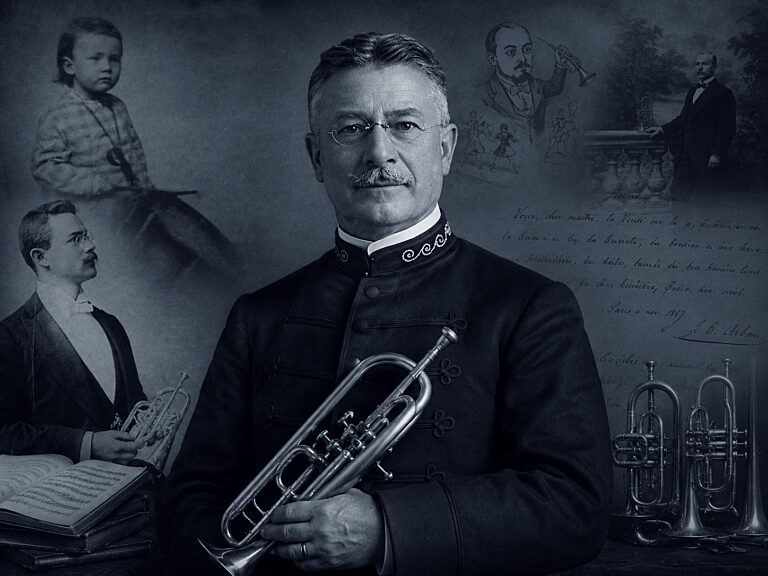
Brass achieves academic respectability

Once treated as marginal, Finland’s brass septet tradition entered academic research, challenging where folk practice ends and music history begins.

By Kauko Karjalainen
History Society Sociology Brass Ensemble
Herbert L. Clarke (1867-1945) Free
No. 18 • 1977 Digitized

Part 1

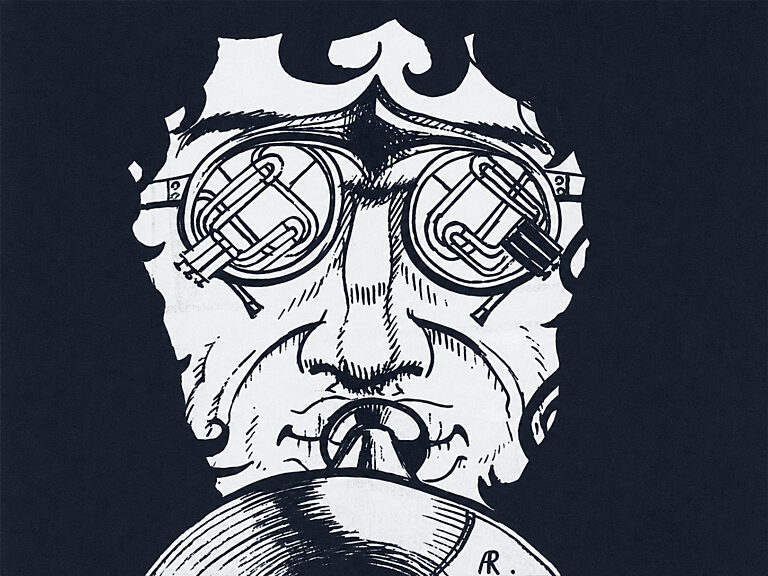
Herbert L. Clarke (1867-1945)

Boyhood Years

From forbidden beginnings to cornet legend: Herbert L. Clarke’s early years reveal a path shaped by setbacks, persistence, and decisive discoveries.

By David Hickman
History Sociology
Jazz and the Horn Member
No. 40 • 1982 Digitized

Jazz and the Horn Series • Part 1

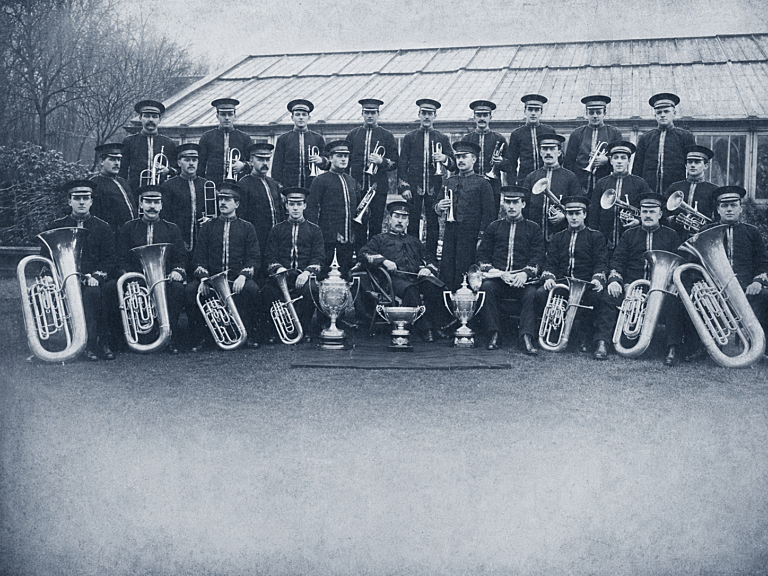
Jazz and the Horn

The horn was once considered incompatible with jazz until changing ideas of sound and musicians like John Graas quietly overturned that certainty.

By Jeffrey Agrell
Repertoire History Jazz Improvisation
What is a Brass Band? Free
No. 25 • 1979 Digitized

What is a Brass Band?

Barrie Perrins traces the 19th-century origins, instrumentation and social role of the brass band—from industrial roots to international musical life.

By Barrie Perrins

History Society Sociology Band
No. 121 • 2003 Awaiting digitization

The unpublished horn file...

By Uwe Uustalu, Uwe Bartels, Stephan Katte
History
Jean-Baptiste Arban (1825-1889) Biography Member
No. 14 • 1976 Digitized

Part 6

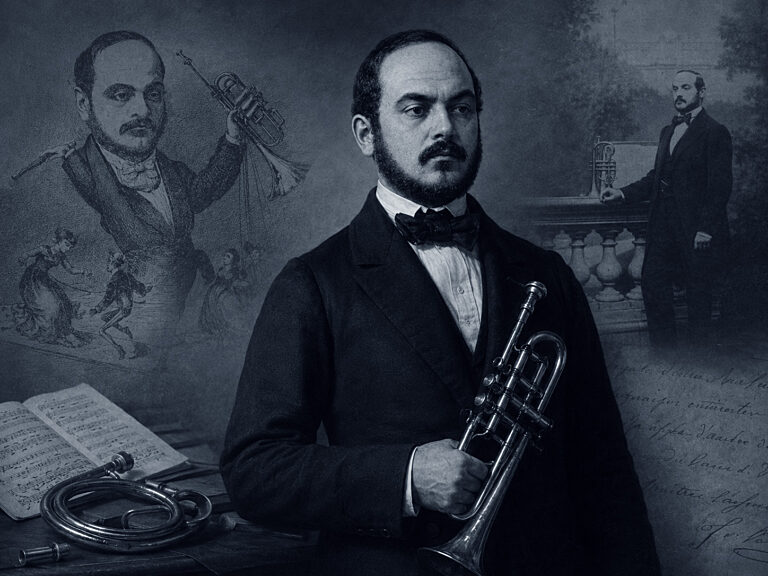
Jean-Baptiste Arban (1825-1889) Biography

The Last Years of his Life

Arban and the call for progress: inspired by Saint-Saëns, he makes a final push for a C cornet—an effort that would ultimately fail.

By Jean-Pierre Mathez

History
No. 103 • 1998 Awaiting digitization

Part 2

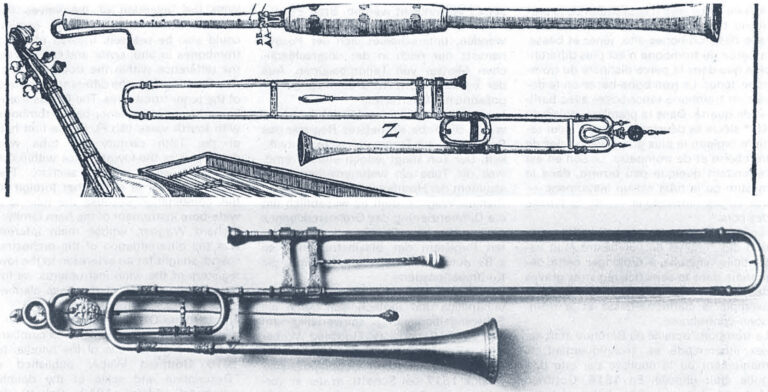
The role of the (contra)bass trombone in the Vienna sound

By Gerhard Zechmeister
History Equipment
The contrabass trombone Member
No. 22 • 1978 Digitized

Part 1

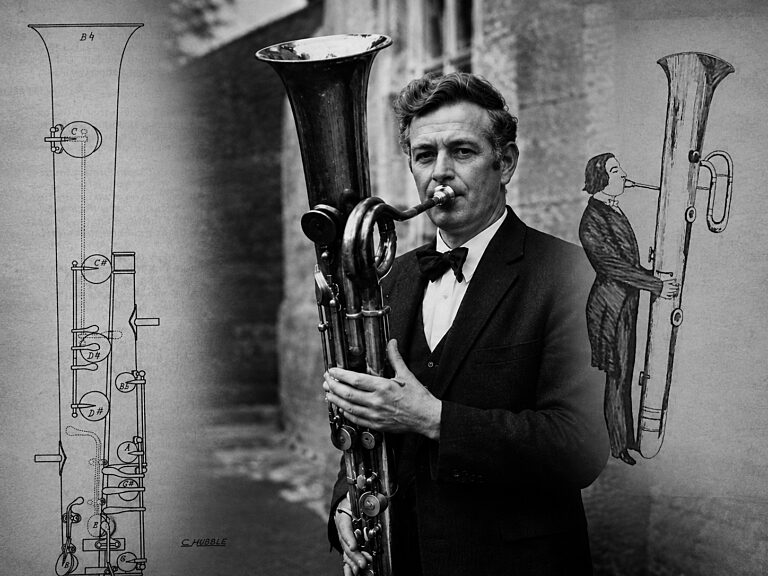
The contrabass trombone

Picture and sketches, taking particularly into account the construction principles (1973)

From Praetorius to Wagner: Heinrich Thein traces the evolution of the contrabass trombone—revealing how history, acoustics, and design shaped this powerful orchestral voice.

By Heinrich Thein

History Equipment Historical instruments Instrument making Valves
No. 69 • 1990 Awaiting digitization

Part 2

A brief survey of the historical evolution of our instruments

By Jean-Pierre Mathez
Report History
The untimely demise of the ophicleide Member
No. 43 • 1983 Digitized

The untimely demise of the ophicleide

Once central to French orchestras, the ophicleide lost its place to the tuba—a disappearance shaped as much by institutions and repertoire as by sound.

By Stephen J. Weston

Equipment History Historical instruments Instrument making Orchestral playing
The Haydn Trumpet Concerto Member
No. 36 • 1981 Digitized

Part 2

The Haydn Trumpet Concerto

André, Wobisch, Dokshitzer, Stringer and others reveal how tempo, phrasing, ornamentation and cadenzas reshape Haydn's trumpet concerto.

By Alfred Willener

History Repertoire Interpretation Articulation Ornaments Keyed trumpet
No. 123 • 2003 Awaiting digitization

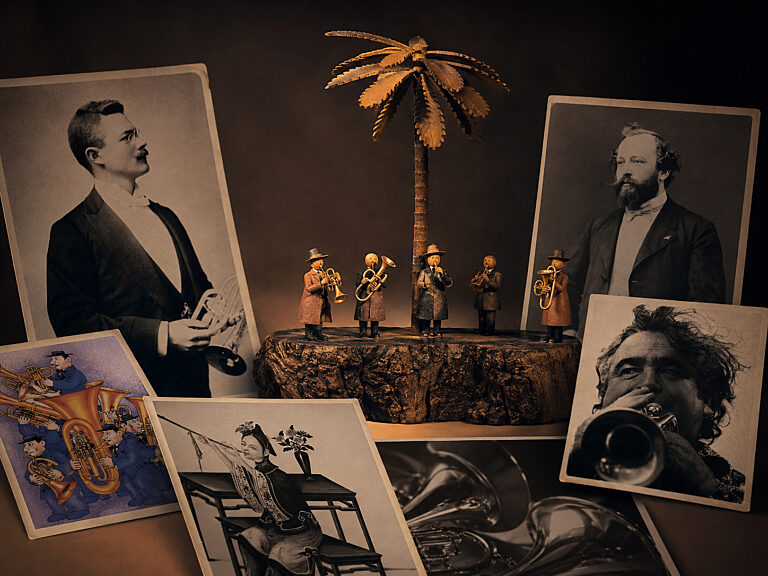
Joachim Eggert (1779-1813) - Trombone Pioneer

By Avishai Kallai
History
Editorial Free
No. 33 • 1981 Digitized

Editorial

10 Years of Brass Bulletin

Ten years after its launch, a small specialist publication reaches readers in more than sixty countries, reflecting how a shared artistic community took shape across borders.

By Jean-Pierre Mathez

History Society Ideas Sociology
No. 77 • 1992 Awaiting digitization

Brass instruments at the Gemeente-Museum in the Hague

Special Holland

By Graham Nicholson

History
No. 121 • 2003 Awaiting digitization

Part 3

The Moravian brotherhood trombone choirs: neither Moravian nor choirs

By Ken Shifrin

History
No. 84 • 1993 Awaiting digitization

The "Neatores" of the Triumphal Arch of Augustus at Susa

By Carlo Arfinengo

History
Loading…

Questions & Answers

How the Digital Edition works

What does the Digital Edition include?

The Digital Edition brings together the articles already digitized as searchable online texts—not simply as scans or PDF files—along with their original illustrations, notes, authorship, issue information, and available translations. Related-article suggestions currently include only this digitized material.

Are the digital articles identical to the originals?

We preserve the original text, language, illustrations, captions, footnotes, and editorial context as faithfully as possible. The presentation is adapted for comfortable online reading, and obvious transcription or scanning errors may be corrected. The substance and character of the published article remain unchanged.

Which languages are available?

Brass Bulletin was published in English, French, and German throughout its history. Italian and Spanish translations were added from issue No. 60 onward.

On the Italian and Spanish sites, articles from issues 1–59 are therefore shown in English by default.

How often are new articles added?

New articles are added almost daily, with approximately one complete issue digitized each week. The pace may vary depending on the preparation, image work, and editorial checking required.

Why aren’t all articles available digitally?

The complete Brass Bulletin collection contains 1,246 articles published between 1971 and 2003. The full index is already available online, allowing readers to discover every article in the collection, including those whose complete text has not yet been digitized.

Digitization began in February 2026. Each article is carefully prepared for online reading, checked, and connected to its issue, authors, subjects, and illustrations. At the current pace of digitization, the complete collection is expected to be available online by February 2028.

Why do some references mention articles that are not available yet?

References in the original articles are preserved even when the material they point to has not yet been digitized. This keeps the historical and editorial record intact. As more issues are added to the Digital Edition, an increasing number of these references will lead to articles that can be read online.

Can I suggest an article or report a transcription error?

Yes. If there is an article you would particularly like to see digitized, or if you notice a possible transcription error or missing detail, please contact us. Reader feedback helps us improve the Digital Edition and prioritize useful connections within the archive.

How can I support Brass Bulletin?

Your support helps fund the preparation, verification, and online publication of the complete collection.

Subscribe to the Digital Edition

Prefer to support us without subscribing?

Make a donation

How is the digitization progressing?

We’re gradually making the Brass Bulletin available online, article by article. You can read newly digitized articles as soon as they’re ready, even before an entire issue is complete.

Visit our Digitization Roadmap to browse recent additions and see estimated availability for upcoming issues. These estimates follow our recent pace and may change.

Search Brass Bulletin.