Explore institutional access →

Repertoire

145 articles

No. 57 • 1987 Awaiting digitization

Can jazz performance be taught?

A profile of Charlie Shoemake

By Thomas Stevens
Repertoire Teaching Jazz Ideas
Empire Brass Quintet Free
No. 33 • 1981 Digitized

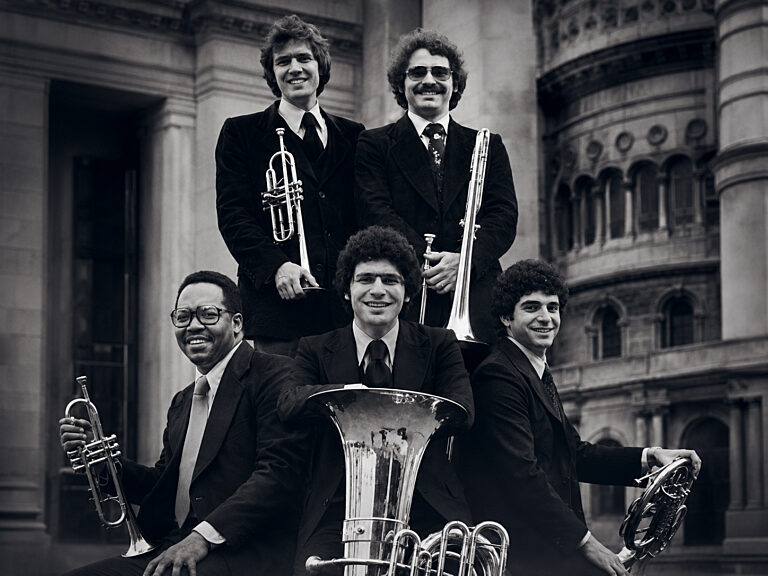
Empire Brass Quintet

Portrait in brief

From New York to Boston, five brass players built a chamber music identity rooted in Ewald, early music and a string-quartet approach to ensemble sound.

By Jean-Pierre Mathez

Encounters Repertoire Brass Ensemble Sound Contemporary Music
No. 94 • 1996 Awaiting digitization

Reflections on the tuba, teaching and music

By Roger Bobo

Equipment Teaching Repertoire
No. 62 • 1988 Awaiting digitization

Stopping technique in the Mozart horn concertos

By Thomas Müller
Technique Repertoire
Philip Jones Member
No. 27 • 1979 Digitized

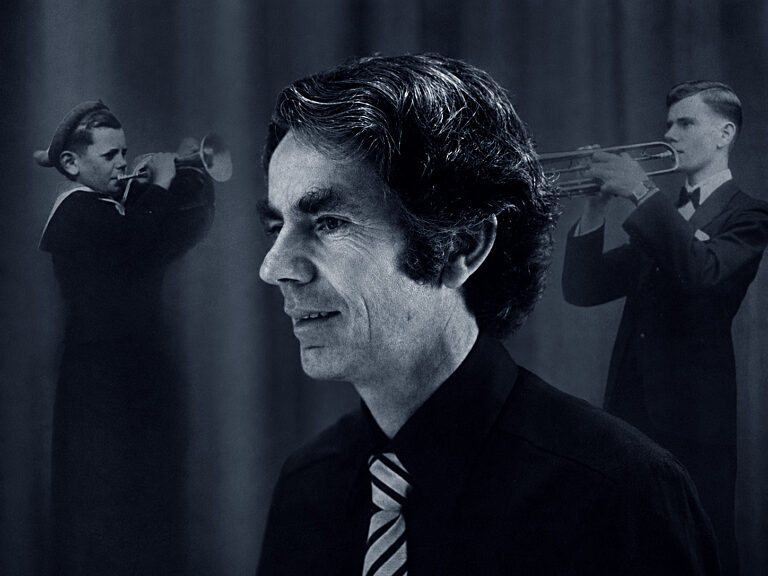
Philip Jones

Interview

From South London bands to the Philharmonia, Philip Jones recalls his musical upbringing, orchestral life and the rise of brass ensembles in post-war Britain.

By Jean-Pierre Mathez
Encounters Repertoire Brass Ensemble Orchestral playing
The Trumpet in the Works of Jean-Philippe Rameau Free
No. 35 • 1981 Digitized

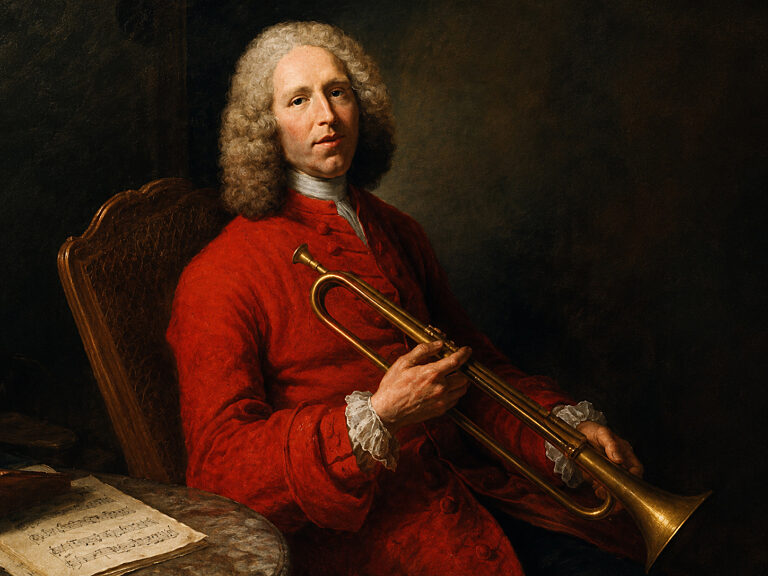
The Trumpet in the Works of Jean-Philippe Rameau

From court entertainments to operatic dances, Rameau’s trumpet writing reveals uncommon technical demands and a broader palette of Baroque brass practice.

By Albert Hiller

History Repertoire Historical instruments Interpretation
No. 57 • 1987 Awaiting digitization

Part 2

Did Bach write the "corne da caccia" part in the B minor Mass for Gottfried Reiche?

By Peter Damm
History Repertoire Historical instruments
A major chamber music work for brass? Free
No. 45 • 1984 Digitized

A major chamber music work for brass?

Quintet, by Peter Maxwell Davies

A BBC studio session turns Maxwell Davies’s brass quintet into a test of virtuosity, balance and whether brass could claim a new place in chamber music.

By Thomas Aitken

Repertoire Backstage Contemporary Music Brass Ensemble
No. 118 • 2002 Awaiting digitization

Part 4

The art of chamber music

Rehearsal technique of Spanish Brass Luur Metalls

By Spanish Brass Luur Metalls
Technique Repertoire
Russian music and musicians before 1700 Member
No. 7 • 1974 Digitized

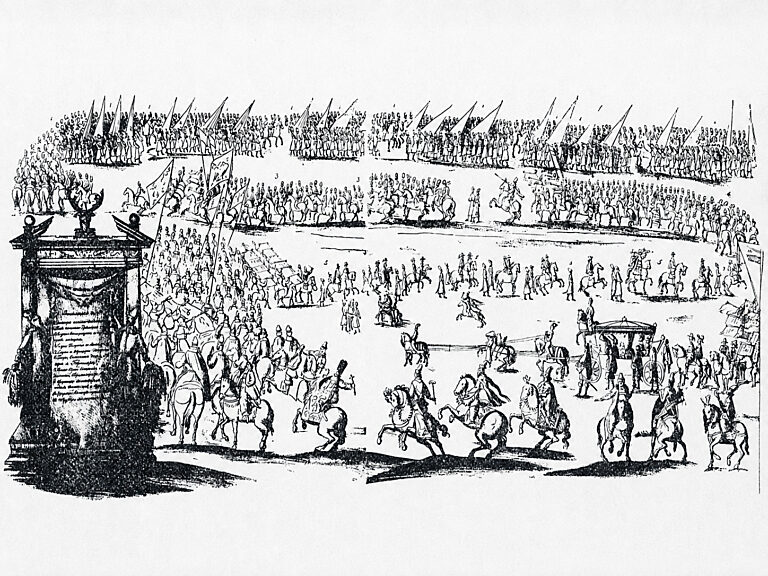
Russian music and musicians before 1700

with special regard to Brass Music

Overview of Russian music and musicians before 1700, exploring early traditions, influences and the role of brass instruments.

By Walter Salmen

History Repertoire Russian school Historical instruments
No. 94 • 1996 Awaiting digitization

Rediscovered trumpet fanfares

By Friedrich Anzenberger
History Repertoire
Which Horn for which Music? Free
No. 3 • 1972 Digitized

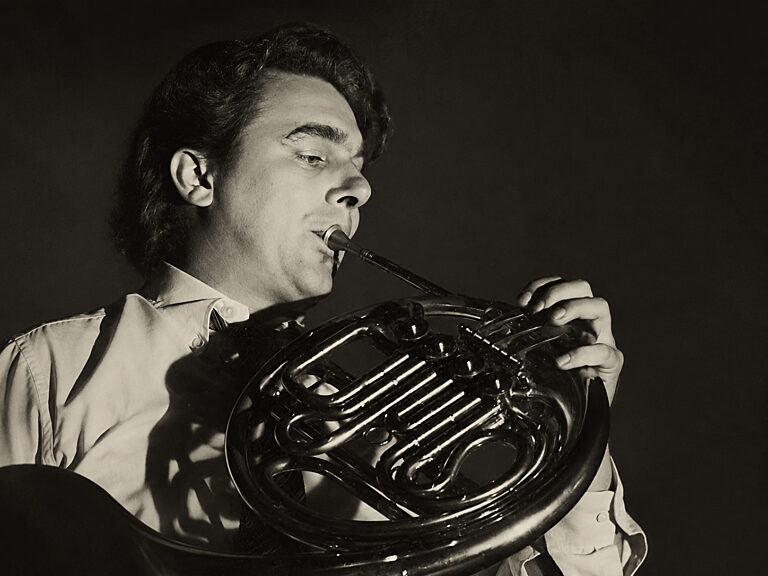
Which Horn for which Music?

Article discussing the choice of horn according to repertoire, comparing instruments, sound ideals and stylistic requirements.

By Hermann Baumann
Equipment Repertoire Historical instruments Sound Interpretation
The trombone in Maurice Ravel's Bolero Member
No. 13 • 1976 Digitized

Part 1

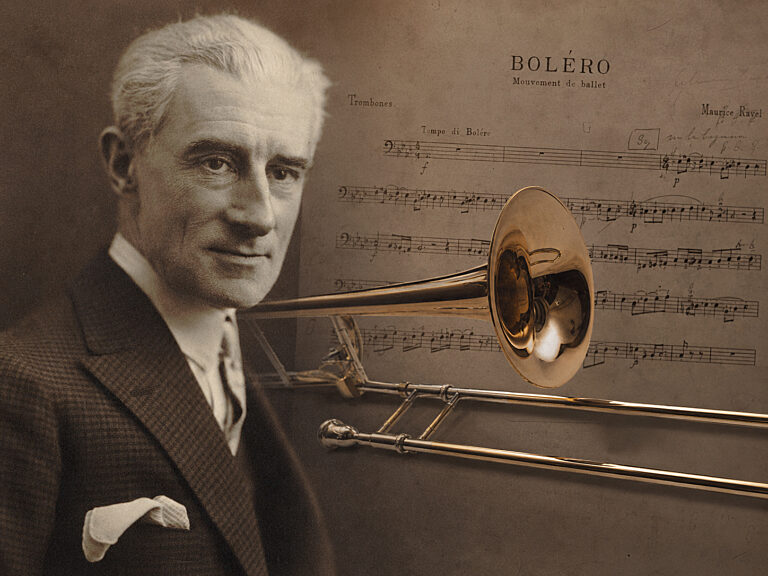
The trombone in Maurice Ravel's Bolero

How should Boléro’s trombone solo be played? After 100 performances, Jean Douay challenges conventions and argues for a more supple, controlled approach.

By Jean Douay
Repertoire Technique Interpretation Orchestral playing
The Trombone in the Sacred Works of W. A. Mozart Free
No. 46 • 1984 Digitized

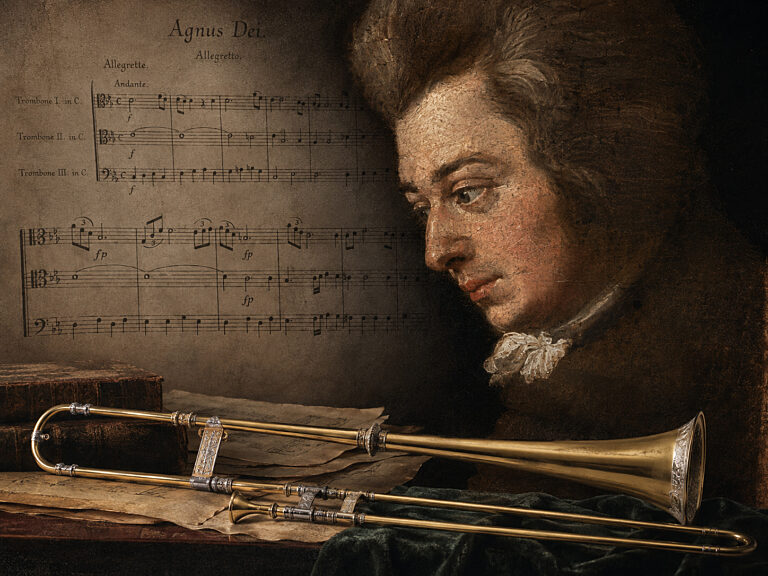
The Trombone in the Sacred Works of W. A. Mozart

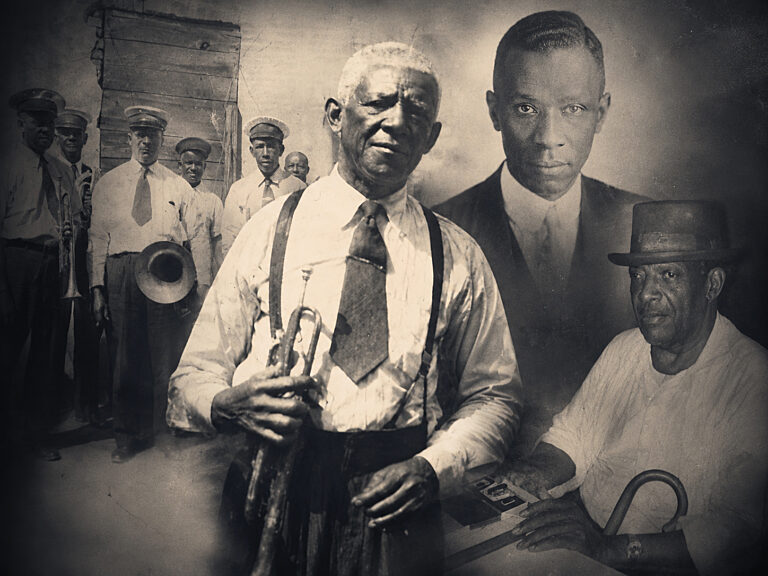
In Mozart’s sacred music, the trombone moved beyond choral reinforcement to striking solo roles that preserve the sound and practice of eighteenth-century Salzburg.

By Benny Sluchin
Repertoire History Interpretation
The Trumpet and the Cornet in Jazz and Popular Music Free
No. 42 • 1983 Digitized

Part 1

The Trumpet and the Cornet in Jazz and Popular Music

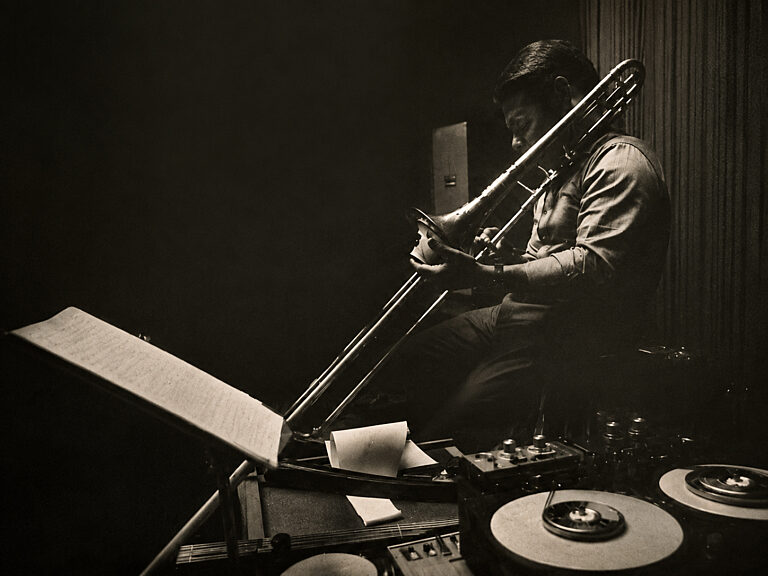
Before Louis Armstrong became the defining figure, jazz already carried competing traditions of tone, style and technique shaped by cornet players across New Orleans and beyond.

By Michel Laplace
History Repertoire Jazz Improvisation
Possibilities for development of brass instruments (1967) Member
No. 5 • 1973 Digitized

Possibilities for development of brass instruments (1967)

Experimental study by Vinko Globokar on extended techniques for brass instruments, covering microtonality, voice-instrument interaction and new sound production methods.

By Vinko Globokar

Technique Equipment Repertoire Contemporary Music Improvisation
No. 86 • 1994 Awaiting digitization

Part 2

French cornet methods published before Arban's Complete Grand Method for Cornet and Saxhorn

By Friedrich Anzenberger

History Repertoire Teaching
No. 69 • 1990 Awaiting digitization

Part 3

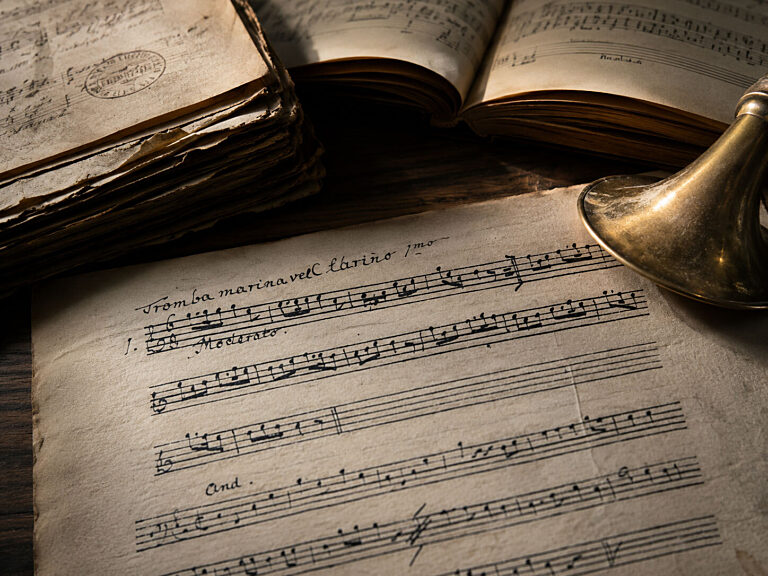
The influence of Berlioz

on contemporary 19th Century use of brass instruments

By Ernest H. Gross
History Repertoire
Unknown Treasures for Trumpet Ensembles Free
No. 38 • 1982 Digitized

Unknown Treasures for Trumpet Ensembles

Processional Music from 18th century Bavaria

Forgotten Bavarian monastery archives preserve hundreds of ceremonial trumpet works, where local tradition and practical performance survived long after their cultural world disappeared.

By Albert Hiller

Repertoire History Brass Ensemble Historical instruments Range
No. 58 • 1987 Awaiting digitization

Part 1

Jazz Improvisation

Major scalem chord-scale relationship

By Charlie Shoemake

Repertoire Teaching
No. 72 • 1990 Awaiting digitization

Part 1

The Alto Trombone

In the 18th Century Sacred Chamber Music from the Abbeys of Göttweig and Melk, Austria

By J. Richard Raum

History Repertoire
No. 83 • 1993 Awaiting digitization

Yes! We have no repertoire!

By Thomas Stevens

Repertoire
From the pen of Roger Bobo Free
No. 19 • 1977 Digitized

From the pen of Roger Bobo

A bold statement from Roger Bobo: limiting yourself to your instrument’s repertoire is musical imprisonment — true musicianship begins beyond boundaries.

By Roger Bobo

Repertoire Ideas
Member
No. 4 • 1973 Digitized

Some observation prompted by H. Baumann: Which Horn for which Music

Commentary responding to H. Baumann’s article (BB 3), offering critical observations and contributing to the ongoing debate on horn playing.

By Harold Meek

Equipment Repertoire Historical instruments Ideas
Loading…

Questions & Answers

How the Digital Edition works

What does the Digital Edition include?

The Digital Edition brings together the articles already digitized as searchable online texts—not simply as scans or PDF files—along with their original illustrations, notes, authorship, issue information, and available translations. Related-article suggestions currently include only this digitized material.

Are the digital articles identical to the originals?

We preserve the original text, language, illustrations, captions, footnotes, and editorial context as faithfully as possible. The presentation is adapted for comfortable online reading, and obvious transcription or scanning errors may be corrected. The substance and character of the published article remain unchanged.

Which languages are available?

Brass Bulletin was published in English, French, and German throughout its history. Italian and Spanish translations were added from issue No. 60 onward.

On the Italian and Spanish sites, articles from issues 1–59 are therefore shown in English by default.

How often are new articles added?

New articles are added almost daily, with approximately one complete issue digitized each week. The pace may vary depending on the preparation, image work, and editorial checking required.

Why aren’t all articles available digitally?

The complete Brass Bulletin collection contains 1,246 articles published between 1971 and 2003. The full index is already available online, allowing readers to discover every article in the collection, including those whose complete text has not yet been digitized.

Digitization began in February 2026. Each article is carefully prepared for online reading, checked, and connected to its issue, authors, subjects, and illustrations. At the current pace of digitization, the complete collection is expected to be available online by February 2028.

Why do some references mention articles that are not available yet?

References in the original articles are preserved even when the material they point to has not yet been digitized. This keeps the historical and editorial record intact. As more issues are added to the Digital Edition, an increasing number of these references will lead to articles that can be read online.

Can I suggest an article or report a transcription error?

Yes. If there is an article you would particularly like to see digitized, or if you notice a possible transcription error or missing detail, please contact us. Reader feedback helps us improve the Digital Edition and prioritize useful connections within the archive.

How can I support Brass Bulletin?

Your support helps fund the preparation, verification, and online publication of the complete collection.

Subscribe to the Digital Edition

Prefer to support us without subscribing?

Make a donation

How is the digitization progressing?

We’re gradually making the Brass Bulletin available online, article by article. You can read newly digitized articles as soon as they’re ready, even before an entire issue is complete.

Visit our Digitization Roadmap to browse recent additions and see estimated availability for upcoming issues. These estimates follow our recent pace and may change.

Search Brass Bulletin.