Explore institutional access →

3 min. read

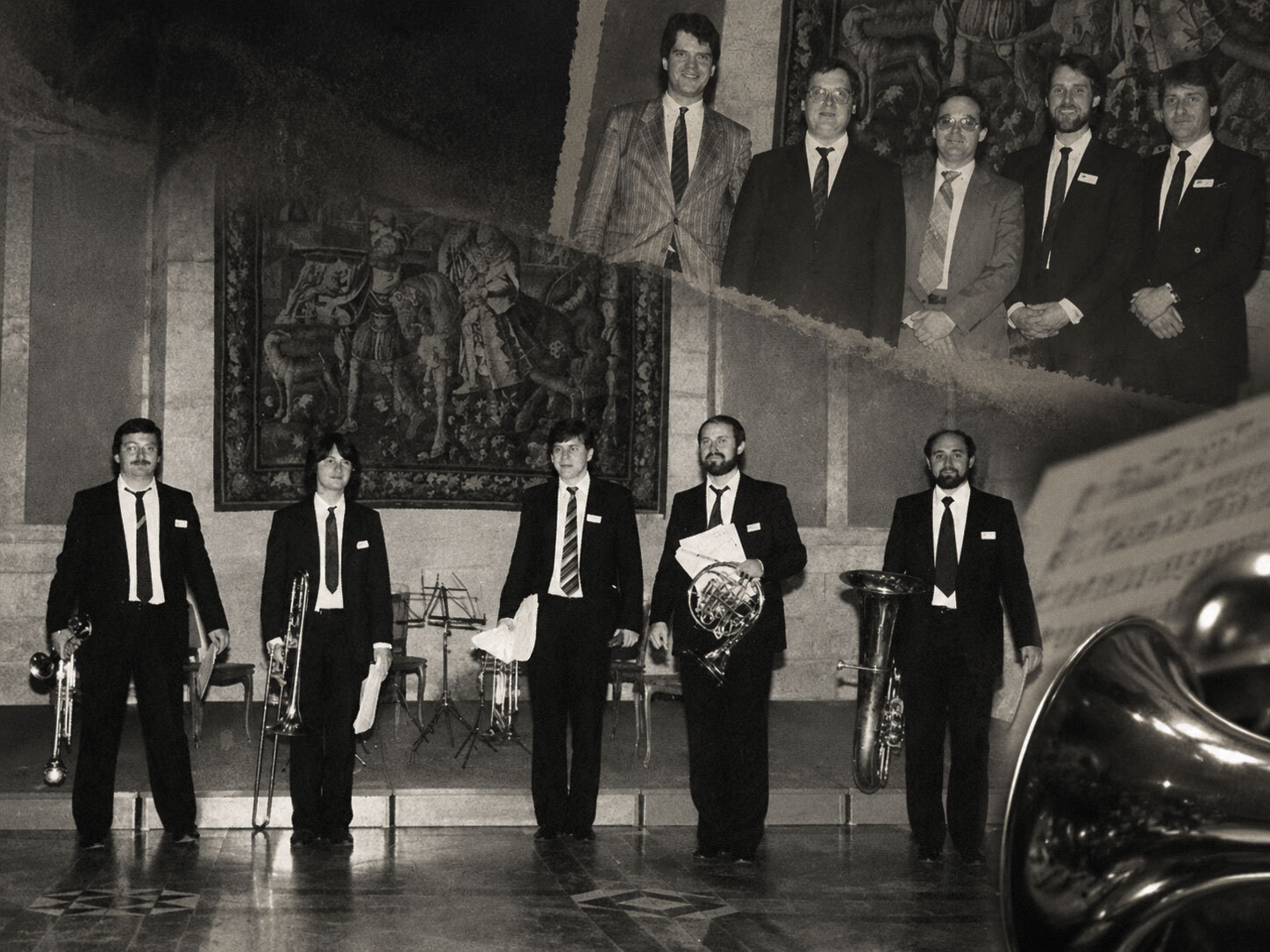
Narbonne 1986

1st International Brass Quintet Competition

Narbonne 1986

The "brass quintet" (2 trumpets, horn, trombone, tuba or bass trombone) has established itself over the last few years as the most popular chamber music combination.

The repertoire too has grown rapidly, demonstrating the increasing interest which present-day composers — including the greatest — are taking in this spectacular instrumental combination with its immense resources of sound.

The City of Narbonne in south-west France has set itself the goal of being a godfather to this combination, and of helping it to assure its letters of nobility, by staging a prestigious international competition. The first took place from 5th to 10th May 1986. For a trial run it was a huge success.

The architects of success

The idea was originated by the two trumpeters Maurice Benterfa and Bernard Soustrot, both now settled in this magnificent region after living in Lyon (Benterfa was Soustrot's first teacher; Soustrot, as you know, was one of the most representative students in Maurice André's wonderful class when he was still teaching at the Paris Conservatoire). The Narbonne authorities underwrote the project and staked a lot on its success. The Tourist Office and the Music Promotion Committee displayed impressive enthusiasm. The tremendous solidarity shown throughout the town — by industry, hoteliers and music-lovers — did the rest.

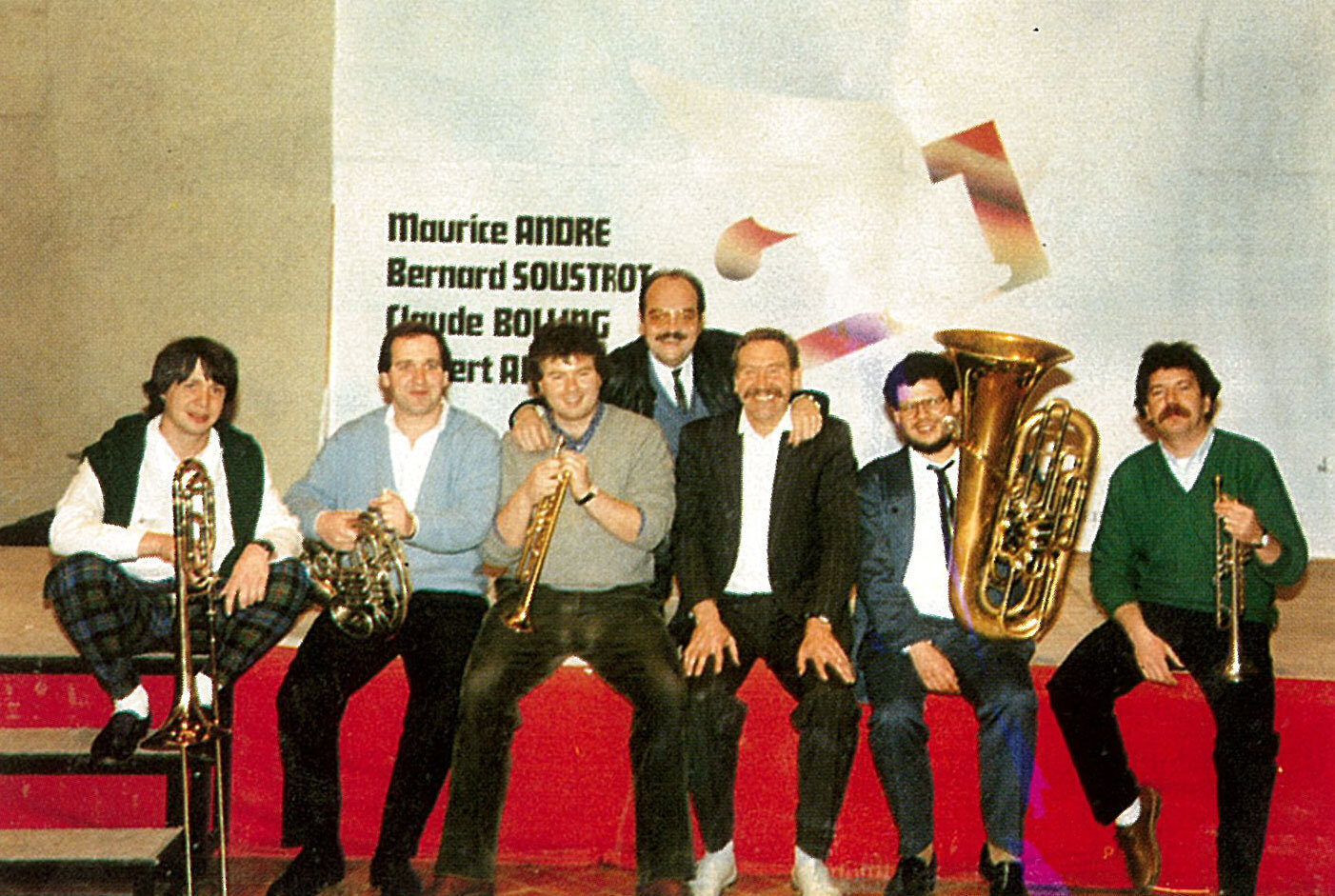
The Concert Arban (jury), heart and soul of the competition. (+ Bernard Soustrot and Jean-Pierre Mathez)
The Concert Arban (jury), heart and soul of the competition. (+ Bernard Soustrot and Jean-Pierre Mathez)

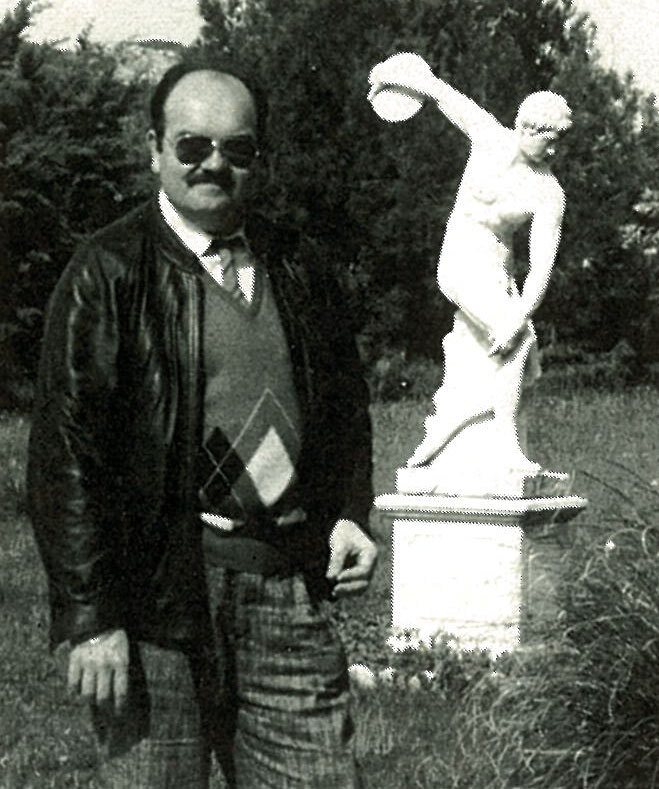
Bernard Soustrot
Bernard Soustrot

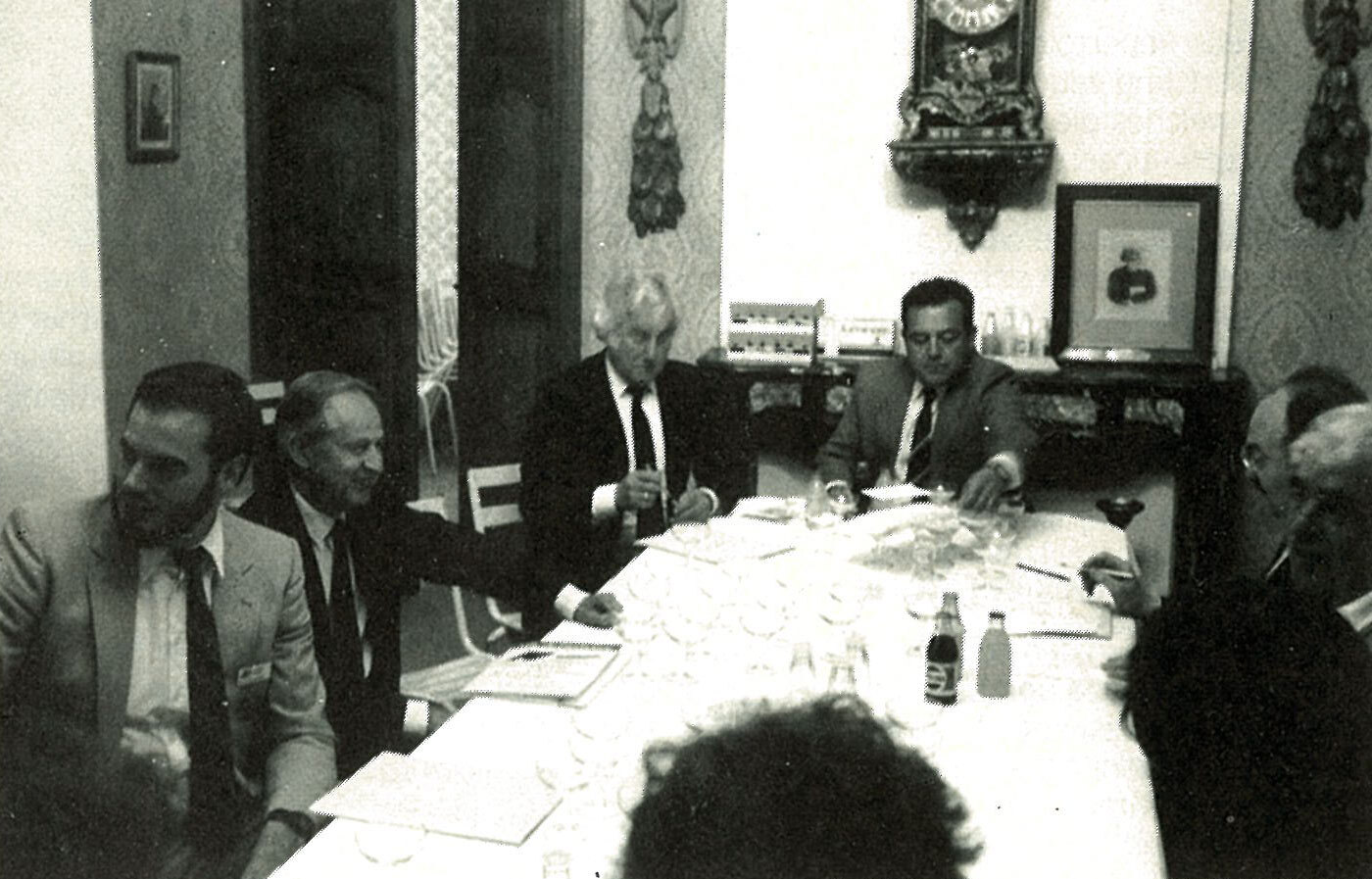
The JuryMark Evans (tuba), Marcel Landowsky (composer), Théo Mertens, Maurice Benterfa, Bernard Soustrot, Maurice André (hidden: the Concert Arban)

The Jury
Mark Evans (tuba), Marcel Landowsky (composer), Théo Mertens, Maurice Benterfa, Bernard Soustrot, Maurice André (hidden: the Concert Arban)

Programme

The International Brass Quintet Competition (which will be bi-annual — next one in 88 !) is the centrepiece of the event. This year it was intended for professional ensembles of the highest standard (from the outset the set programme was merciless). The seven quintets taking part guaranteed an exceptional and enjoyable standard in this musical test of strength. (The organisers may in future opt for two categories: "high professional standard" and "high student standard".) Various public musical events clustered round the competition — concerts, musical workshops, instrument makers' exhibitions — helping to make Narbonne the capital of the brass world for that week.

Concerts

All the concerts, superbly balanced in content, played to full houses. On Monday 5th May Bernard Soustrot, Michel Bes, Maurice Benterfa and François-Henri Houbart (organ) sounded a brilliant overture to this brass week from the organ loft in the amazing cathedral. The next day the Claude Bolling Big Band filled the Palais du Travail.

On 7th May it was the turn of the Concert Arban (the brass quintet consisting of Thierry Caens and Jean-Paul Leroy (trumpets), Eric Vernier (horn), Yves Favre (trombone) and Michel Godard (tuba)) to display their musicality. It was also a challenge as this group was responsible for the competition programmes and served as jury. The candidates listened with rapt attention to this ensemble which had "judged" them and whose average age was the same as their own. Everyone agreed on the Arban quintet's triumph.

Appeal

To simplify applications for ensembles interested in the 1988 competition, BRASS BULLETIN appeals now to all brass quintets who would like to be kept up to date on preparations and programmes when they are known.

Send us the name of your quintet, the name of the organiser and the names of the players right away. We will set up a special information file. Address: BRASS BULLETIN, c.p., CH-1630 Bulle, Switzerland.

Finally, on 9th May Maurice André, as great as ever, in superb form, rounded off the event in dazzling style. What is there left to say about Maurice André? Only that he does not cease to amaze us with the ever greater subtlety of his performances and with his total technical mastery; only that we are increasingly moved by hearing him risk his all to make his musical message even more sublime.

Workshops, exhibitions

Taking advantage of the magnificent historical surroundings, the organisers set up a workshop with the Concert Arban and an instrument makers' exhibition (Courtois, Couesnon, Selmer and Yamaha) and specialist shops (Degironde from St. Etienne and Feeling Musique from Paris).
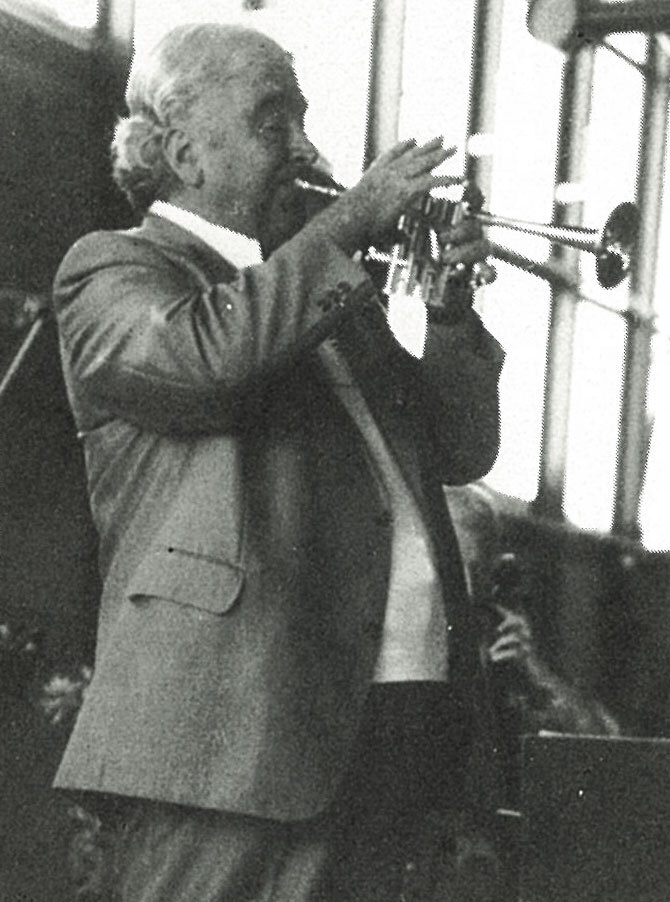
Maurice André, a sublime and friendly presence in Narbonne

Maurice André, a sublime and friendly presence in Narbonne

Competition results

1st prize
Anonymous Brass Quintet of Budapest
(see pages [...] )

3rd equal:
International Brass Quintet (FRG)
Opera Brass Quintet (Hungary)

The jury's choice was determined by the musicians' awareness of really playing "chamber music" and, of course, by the quality of their performance.

The prizes consisted of considerable sums of money, recording a compact disc and setting up a concert tour.
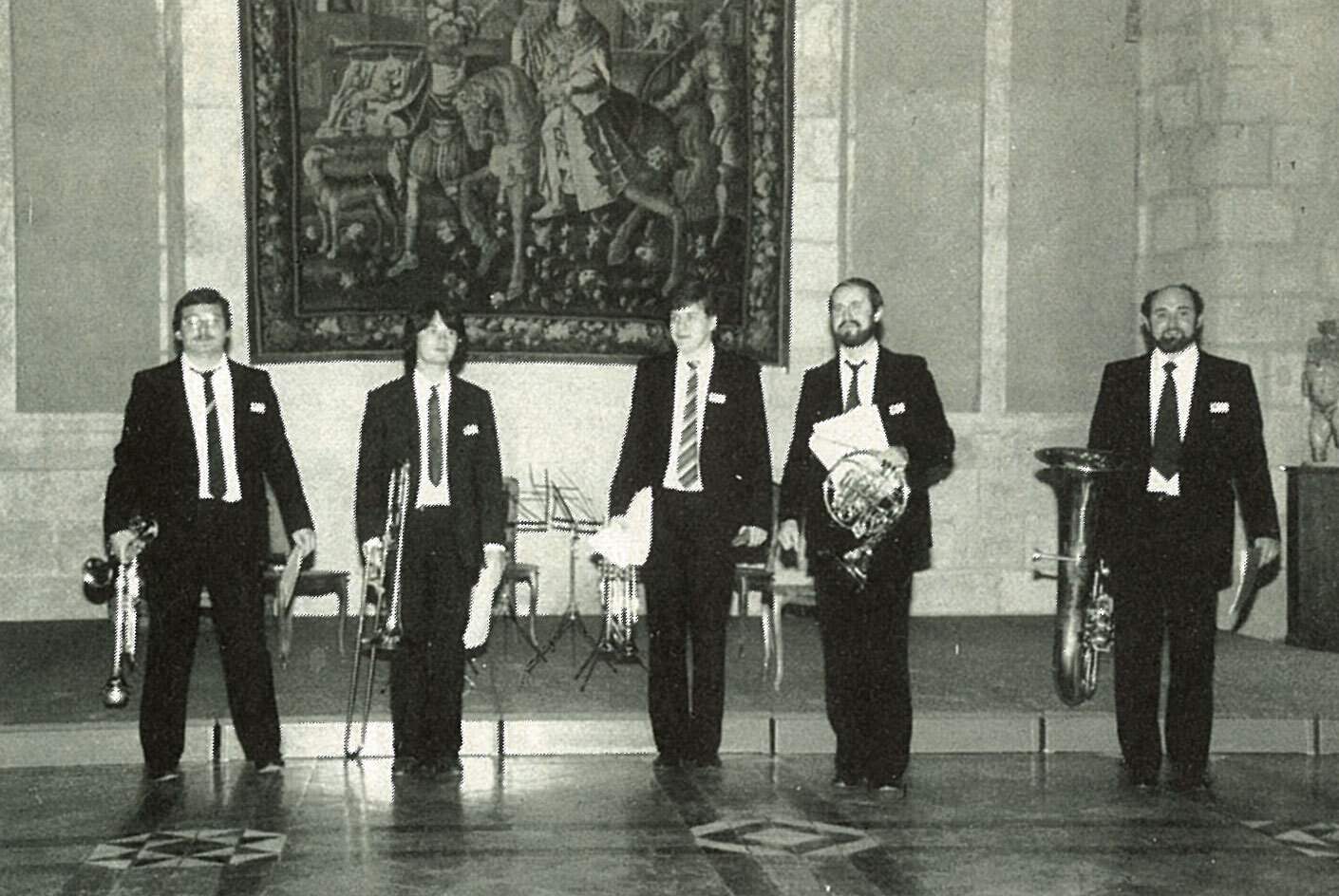
The Budapest Opera Orchestra Brass Quintet
The Budapest Opera Orchestra Brass Quintet

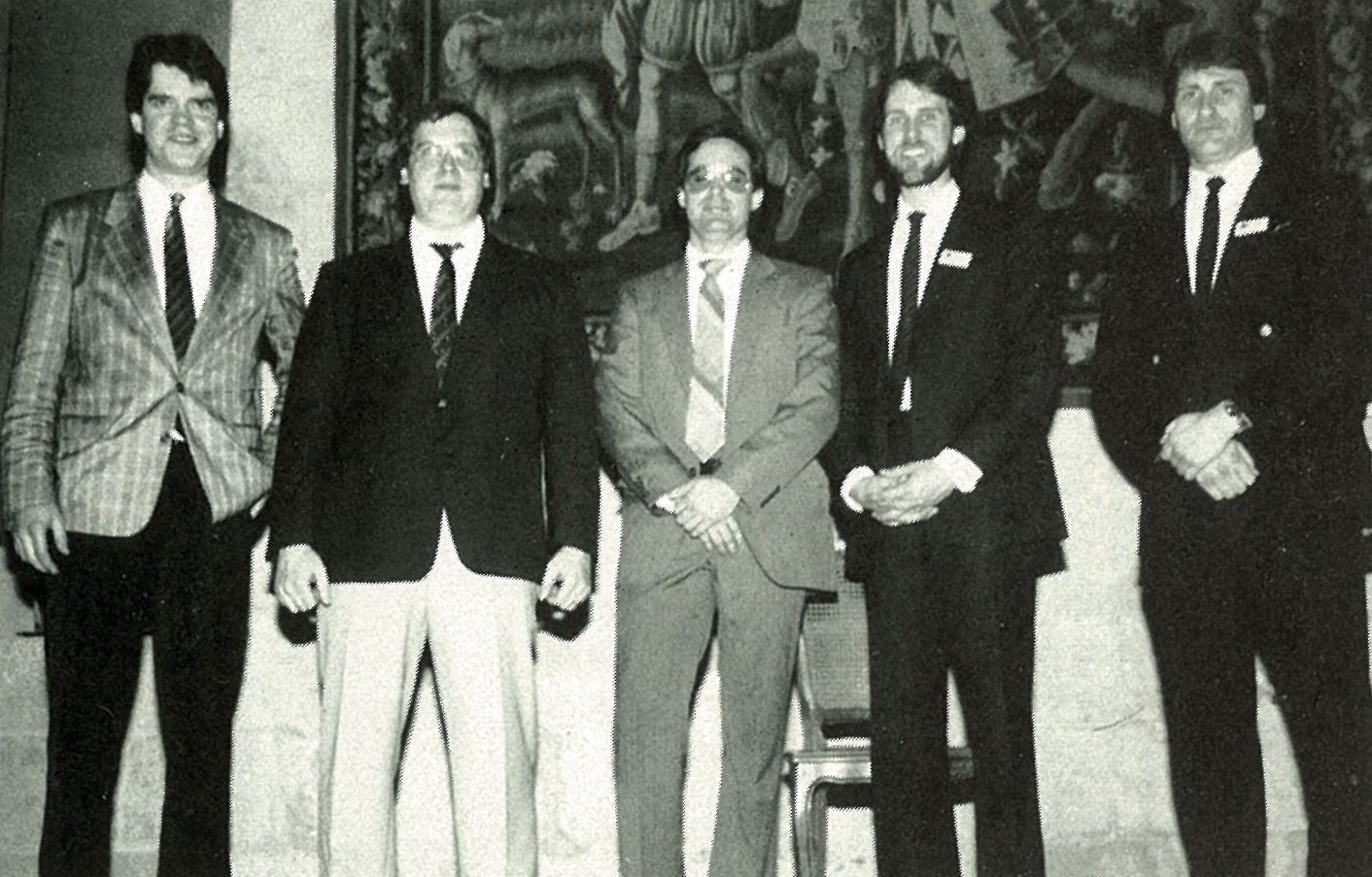
International Brass Quintet

International Brass Quintet

Future prospects

Bernard Soustrot will continue (after this success he has little option !) to provide confident guardianship for the destiny of this event, so valuable in promoting brass. The competition is to become bi-annual, to return in 1988 (at the same time of year).

A wider programme (and the presence of Maurice André already assured) will make Narbonne a privileged meeting place for brass lovers and for all enthusiastic musicians.

Brass Bulletin 55, III / 1986 pages 33–37

All content is protected by copyright © Brass Bulletin 1986–2026

Share this article

Facebook LinkedIn
Loading…

Questions & Answers

How the Digital Edition works

What does the Digital Edition include?

The Digital Edition brings together the articles already digitized as searchable online texts—not simply as scans or PDF files—along with their original illustrations, notes, authorship, issue information, and available translations. Related-article suggestions currently include only this digitized material.

Are the digital articles identical to the originals?

We preserve the original text, language, illustrations, captions, footnotes, and editorial context as faithfully as possible. The presentation is adapted for comfortable online reading, and obvious transcription or scanning errors may be corrected. The substance and character of the published article remain unchanged.

Which languages are available?

Brass Bulletin was published in English, French, and German throughout its history. Italian and Spanish translations were added from issue No. 60 onward.

On the Italian and Spanish sites, articles from issues 1–59 are therefore shown in English by default.

How often are new articles added?

New articles are added almost daily, with approximately one complete issue digitized each week. The pace may vary depending on the preparation, image work, and editorial checking required.

Why aren’t all articles available digitally?

The complete Brass Bulletin collection contains 1,246 articles published between 1971 and 2003. The full index is already available online, allowing readers to discover every article in the collection, including those whose complete text has not yet been digitized.

Digitization began in February 2026. Each article is carefully prepared for online reading, checked, and connected to its issue, authors, subjects, and illustrations. At the current pace of digitization, the complete collection is expected to be available online by February 2028.

Why do some references mention articles that are not available yet?

References in the original articles are preserved even when the material they point to has not yet been digitized. This keeps the historical and editorial record intact. As more issues are added to the Digital Edition, an increasing number of these references will lead to articles that can be read online.

Can I suggest an article or report a transcription error?

Yes. If there is an article you would particularly like to see digitized, or if you notice a possible transcription error or missing detail, please contact us. Reader feedback helps us improve the Digital Edition and prioritize useful connections within the archive.

How can I support Brass Bulletin?

Your support helps fund the preparation, verification, and online publication of the complete collection.

Subscribe to the Digital Edition

Prefer to support us without subscribing?

Make a donation

How is the digitization progressing?

We’re gradually making the Brass Bulletin available online, article by article. You can read newly digitized articles as soon as they’re ready, even before an entire issue is complete.

Visit our Digitization Roadmap to browse recent additions and see estimated availability for upcoming issues. These estimates follow our recent pace and may change.

Search Brass Bulletin.