Rendete Brass Bulletin disponibile nella vostra università, nel vostro conservatorio o nella vostra biblioteca Scoprite l’accesso istituzionale

3 min di lettura

Narbonne 1986

1st International Brass Quintet Competition

Narbonne 1986

The "brass quintet" (2 trumpets, horn, trombone, tuba or bass trombone) has established itself over the last few years as the most popular chamber music combination.

The repertoire too has grown rapidly, demonstrating the increasing interest which present-day composers — including the greatest — are taking in this spectacular instrumental combination with its immense resources of sound.

The City of Narbonne in south-west France has set itself the goal of being a godfather to this combination, and of helping it to assure its letters of nobility, by staging a prestigious international competition. The first took place from 5th to 10th May 1986. For a trial run it was a huge success.

The architects of success

The idea was originated by the two trumpeters Maurice Benterfa and Bernard Soustrot, both now settled in this magnificent region after living in Lyon (Benterfa was Soustrot's first teacher; Soustrot, as you know, was one of the most representative students in Maurice André's wonderful class when he was still teaching at the Paris Conservatoire). The Narbonne authorities underwrote the project and staked a lot on its success. The Tourist Office and the Music Promotion Committee displayed impressive enthusiasm. The tremendous solidarity shown throughout the town — by industry, hoteliers and music-lovers — did the rest.

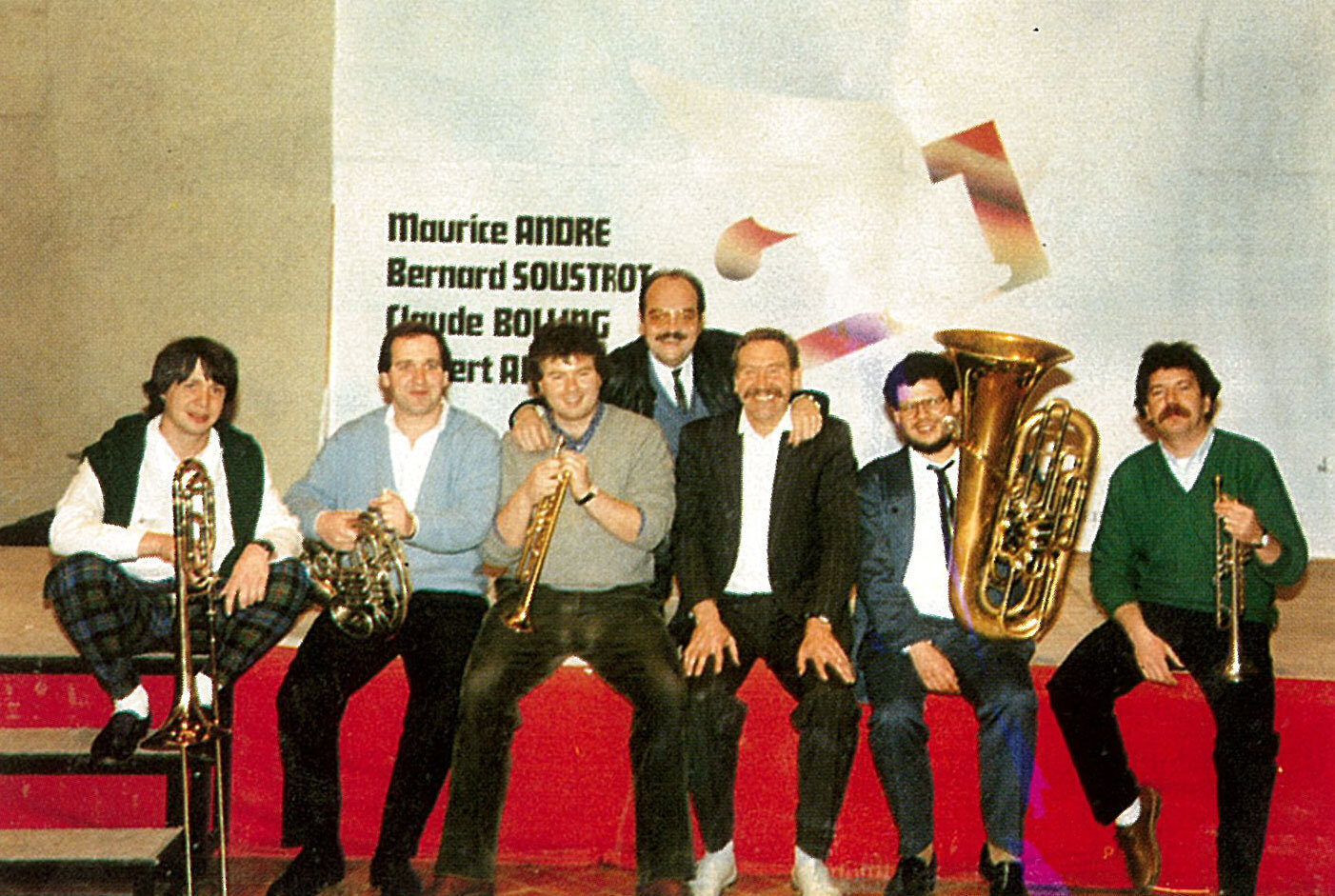
The Concert Arban (jury), heart and soul of the competition. (+ Bernard Soustrot and Jean-Pierre Mathez)
The Concert Arban (jury), heart and soul of the competition. (+ Bernard Soustrot and Jean-Pierre Mathez)

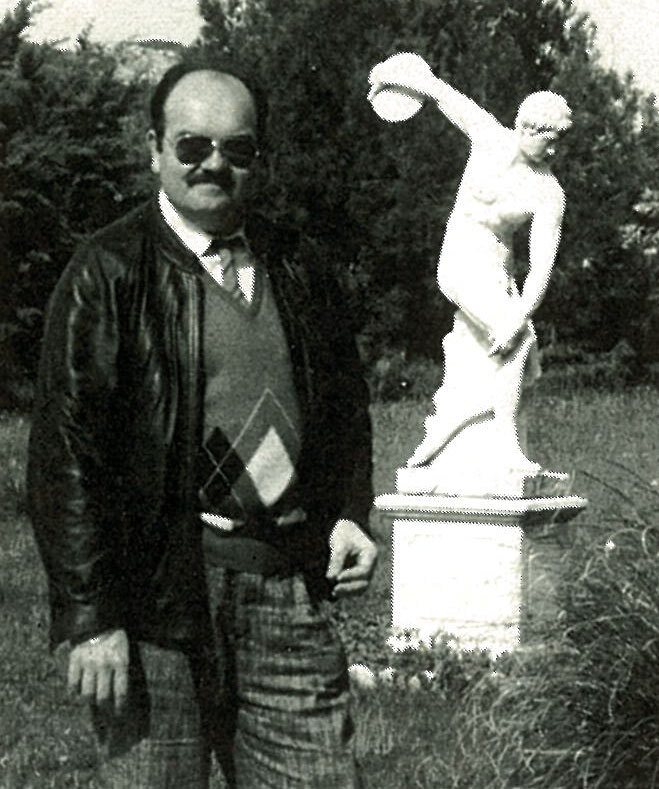
Bernard Soustrot
Bernard Soustrot

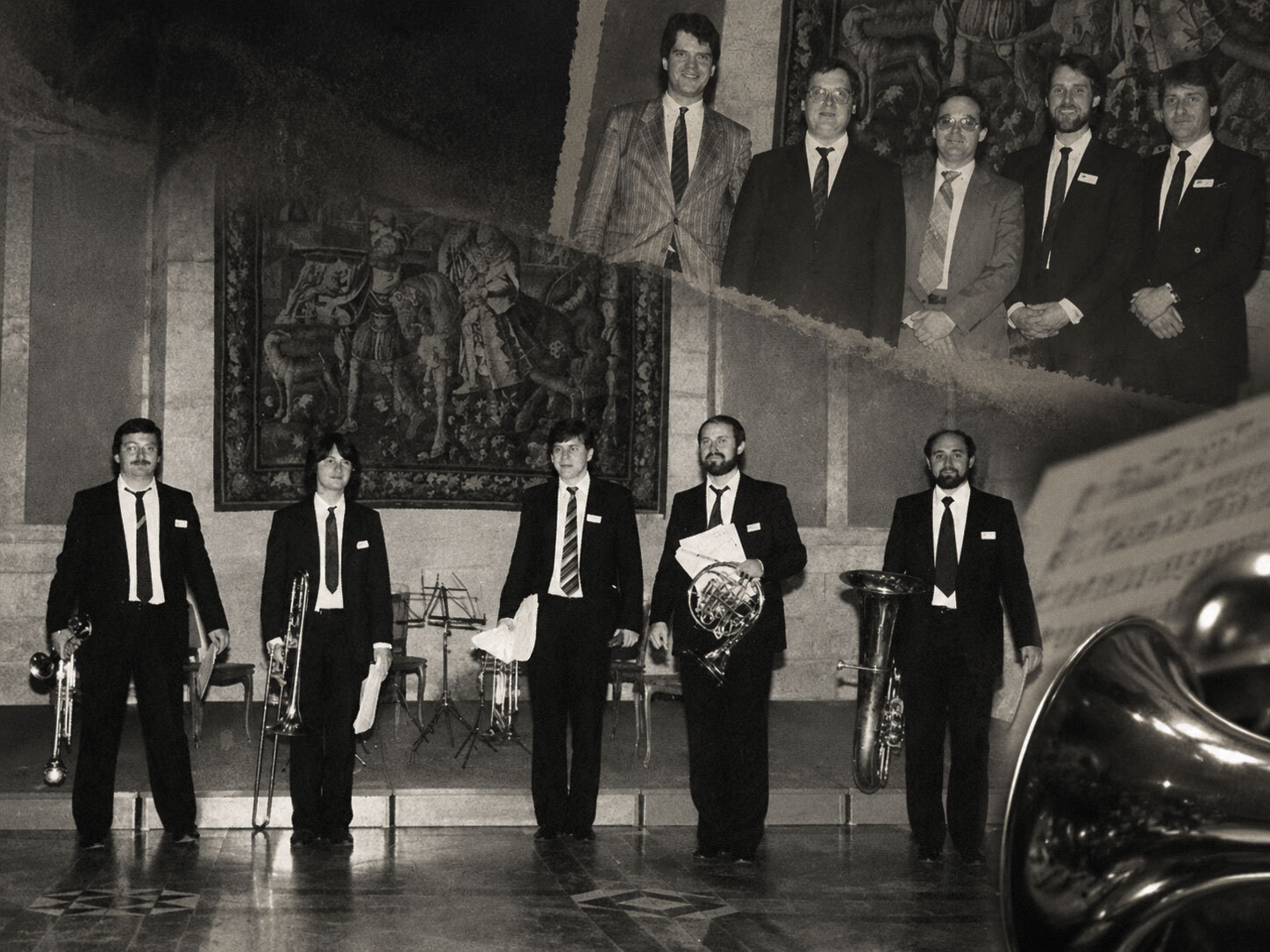
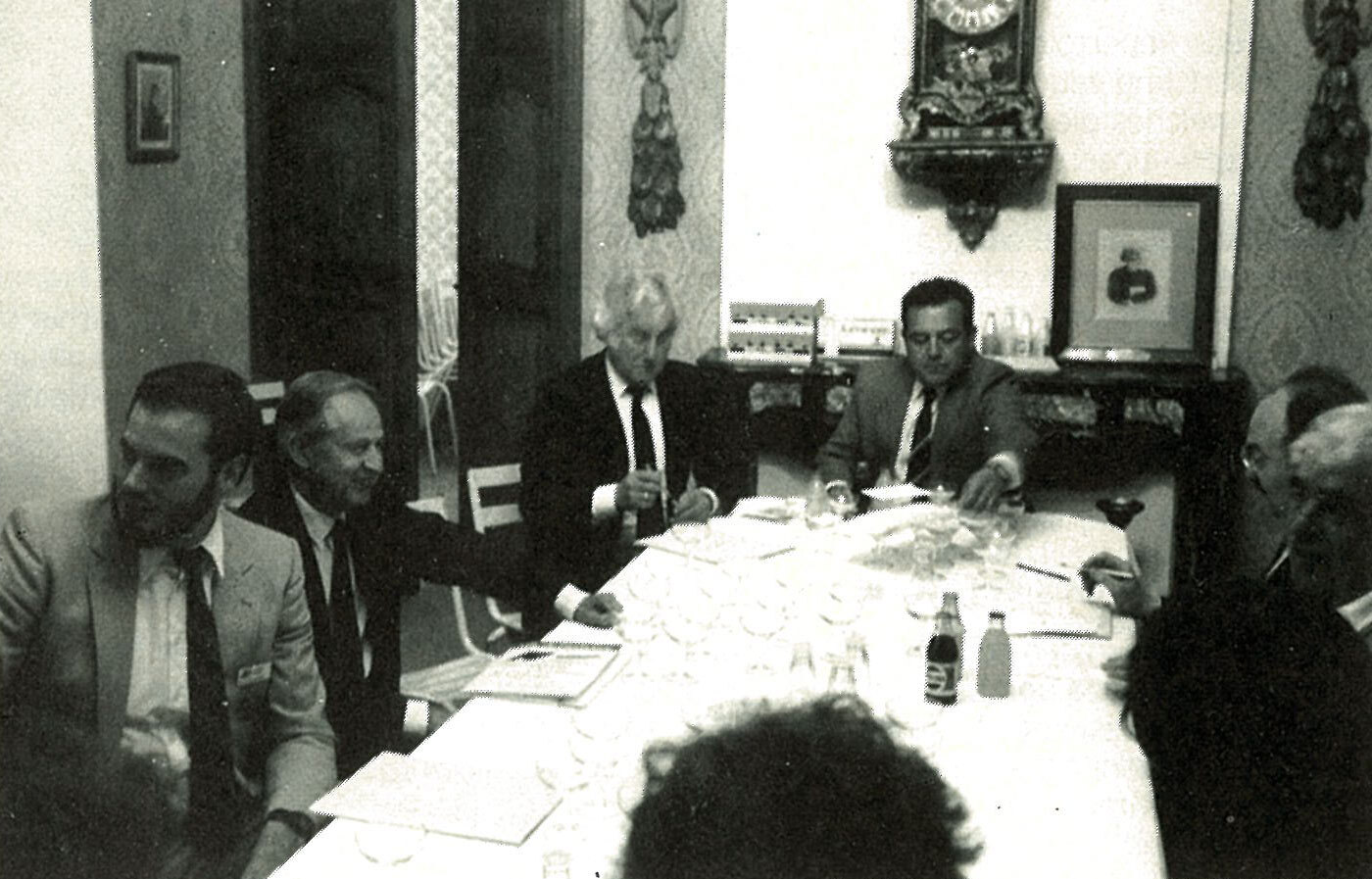
The JuryMark Evans (tuba), Marcel Landowsky (composer), Théo Mertens, Maurice Benterfa, Bernard Soustrot, Maurice André (hidden: the Concert Arban)

The Jury
Mark Evans (tuba), Marcel Landowsky (composer), Théo Mertens, Maurice Benterfa, Bernard Soustrot, Maurice André (hidden: the Concert Arban)

Programme

The International Brass Quintet Competition (which will be bi-annual — next one in 88 !) is the centrepiece of the event. This year it was intended for professional ensembles of the highest standard (from the outset the set programme was merciless). The seven quintets taking part guaranteed an exceptional and enjoyable standard in this musical test of strength. (The organisers may in future opt for two categories: "high professional standard" and "high student standard".) Various public musical events clustered round the competition — concerts, musical workshops, instrument makers' exhibitions — helping to make Narbonne the capital of the brass world for that week.

Concerts

All the concerts, superbly balanced in content, played to full houses. On Monday 5th May Bernard Soustrot, Michel Bes, Maurice Benterfa and François-Henri Houbart (organ) sounded a brilliant overture to this brass week from the organ loft in the amazing cathedral. The next day the Claude Bolling Big Band filled the Palais du Travail.

On 7th May it was the turn of the Concert Arban (the brass quintet consisting of Thierry Caens and Jean-Paul Leroy (trumpets), Eric Vernier (horn), Yves Favre (trombone) and Michel Godard (tuba)) to display their musicality. It was also a challenge as this group was responsible for the competition programmes and served as jury. The candidates listened with rapt attention to this ensemble which had "judged" them and whose average age was the same as their own. Everyone agreed on the Arban quintet's triumph.

Appeal

To simplify applications for ensembles interested in the 1988 competition, BRASS BULLETIN appeals now to all brass quintets who would like to be kept up to date on preparations and programmes when they are known.

Send us the name of your quintet, the name of the organiser and the names of the players right away. We will set up a special information file. Address: BRASS BULLETIN, c.p., CH-1630 Bulle, Switzerland.

Finally, on 9th May Maurice André, as great as ever, in superb form, rounded off the event in dazzling style. What is there left to say about Maurice André? Only that he does not cease to amaze us with the ever greater subtlety of his performances and with his total technical mastery; only that we are increasingly moved by hearing him risk his all to make his musical message even more sublime.

Workshops, exhibitions

Taking advantage of the magnificent historical surroundings, the organisers set up a workshop with the Concert Arban and an instrument makers' exhibition (Courtois, Couesnon, Selmer and Yamaha) and specialist shops (Degironde from St. Etienne and Feeling Musique from Paris).
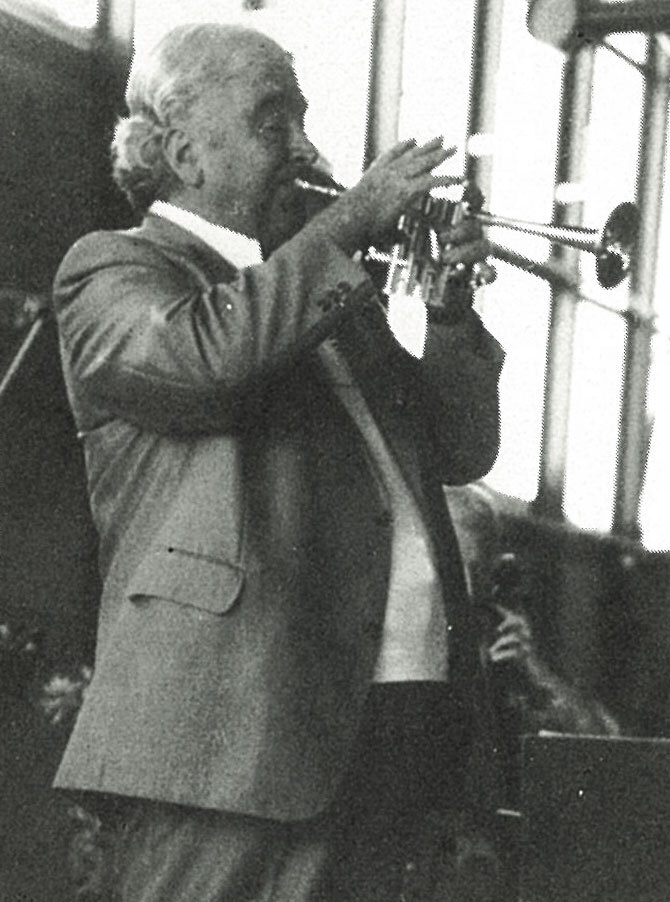
Maurice André, a sublime and friendly presence in Narbonne

Maurice André, a sublime and friendly presence in Narbonne

Competition results

1st prize
Anonymous Brass Quintet of Budapest
(see pages [...] )

3rd equal:
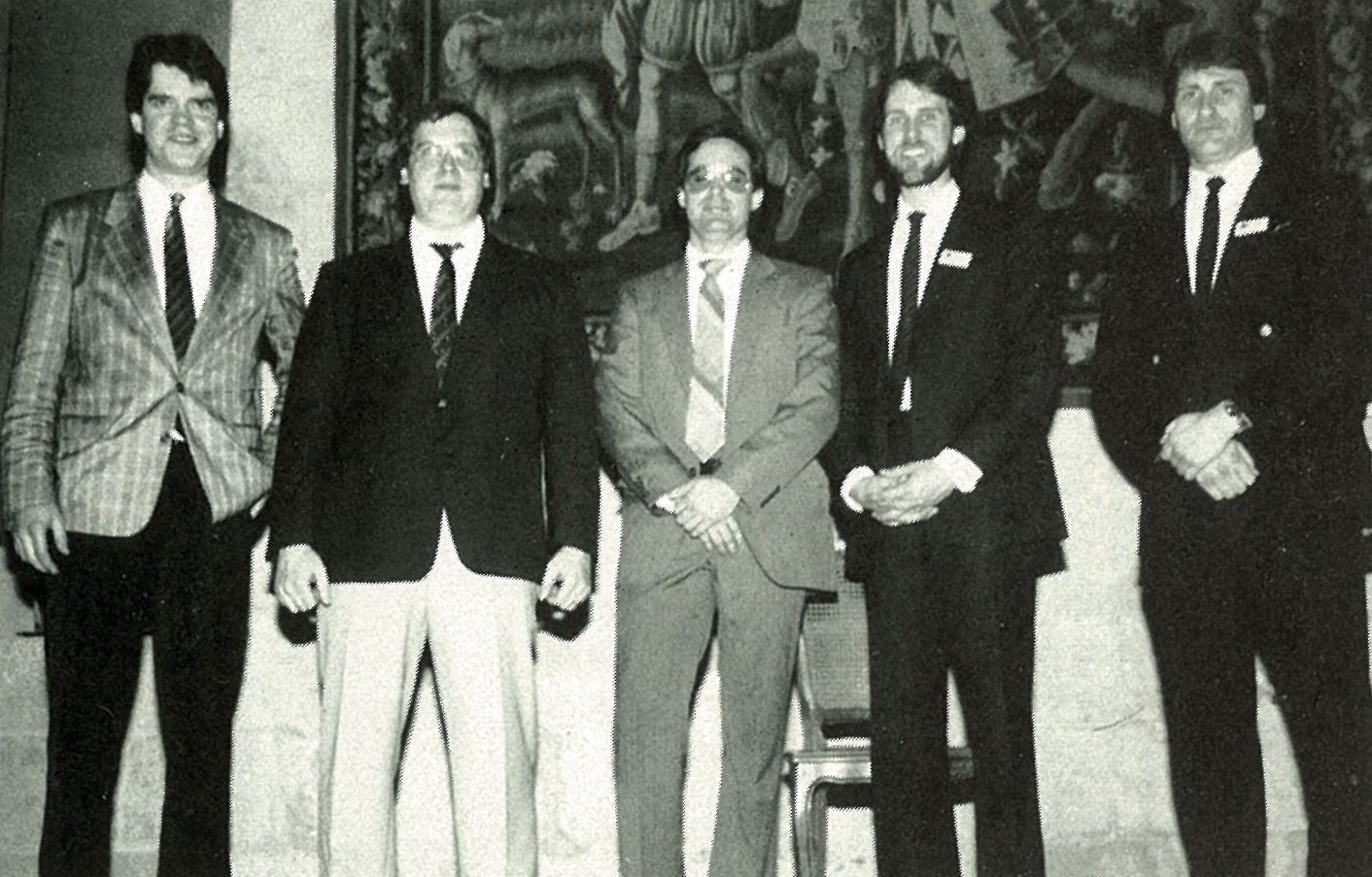
International Brass Quintet (FRG)
Opera Brass Quintet (Hungary)

The jury's choice was determined by the musicians' awareness of really playing "chamber music" and, of course, by the quality of their performance.

The prizes consisted of considerable sums of money, recording a compact disc and setting up a concert tour.
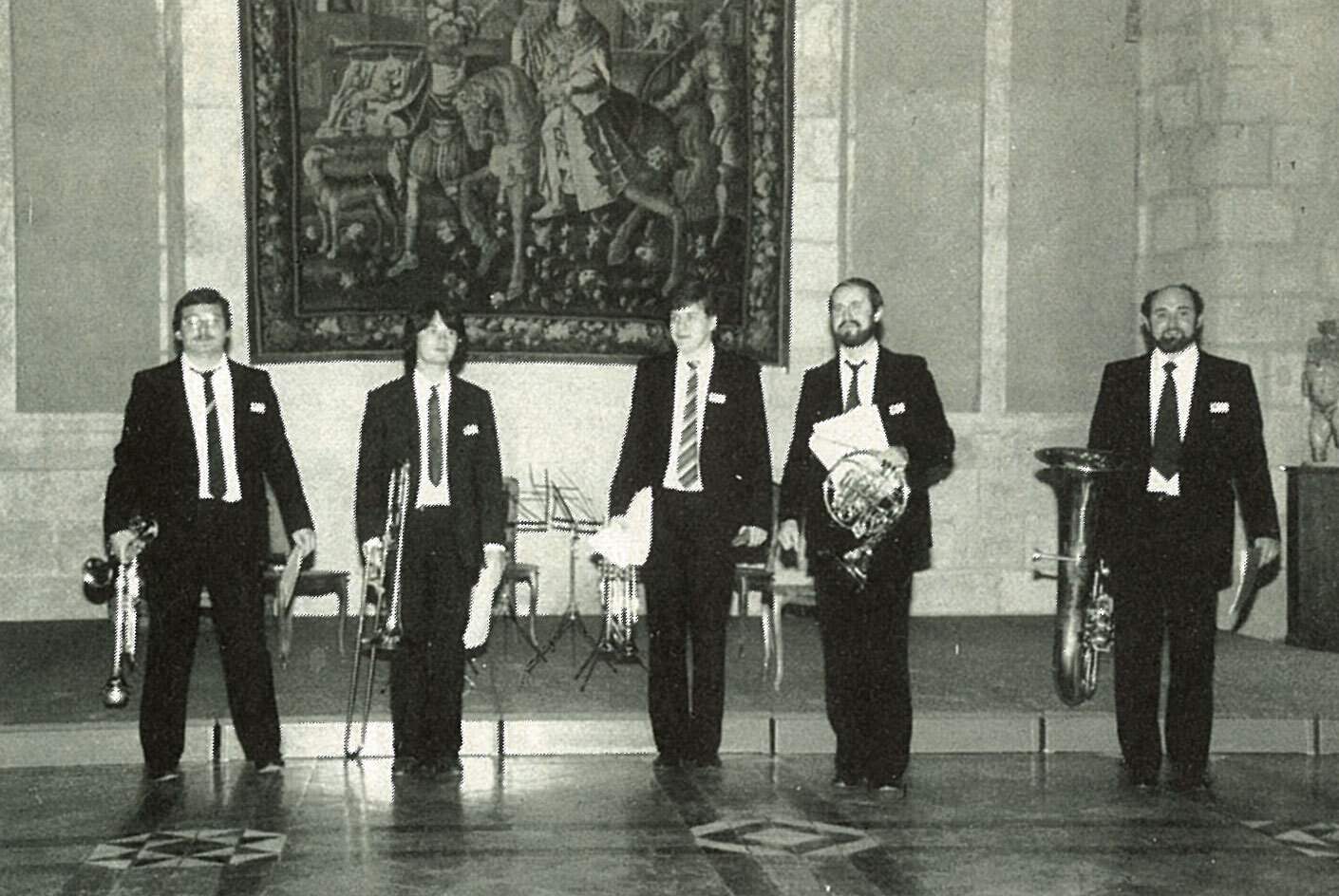
The Budapest Opera Orchestra Brass Quintet
The Budapest Opera Orchestra Brass Quintet

International Brass Quintet

International Brass Quintet

Future prospects

Bernard Soustrot will continue (after this success he has little option !) to provide confident guardianship for the destiny of this event, so valuable in promoting brass. The competition is to become bi-annual, to return in 1988 (at the same time of year).

A wider programme (and the presence of Maurice André already assured) will make Narbonne a privileged meeting place for brass lovers and for all enthusiastic musicians.

Brass Bulletin 55, III / 1986 pagine 33–37

Tutti i contenuti sono protetti dal diritto d’autore © Brass Bulletin 1986–2026

Condividi questo articolo

Facebook LinkedIn
Loading…

Domande e risposte

Come funziona l’edizione digitale

Che cosa comprende l’edizione digitale?

L’edizione digitale riunisce gli articoli già digitalizzati sotto forma di testi leggibili e ricercabili online — non semplicemente come scansioni o file PDF — insieme alle illustrazioni originali, alle note, agli autori, alle informazioni sul numero della rivista e alle traduzioni disponibili. I suggerimenti di articoli correlati comprendono attualmente solo questo materiale digitalizzato.

Gli articoli digitali sono identici agli originali?

Conserviamo il più fedelmente possibile il testo originale, la lingua, le illustrazioni, le didascalie, le note e il contesto editoriale. La presentazione viene adattata per una lettura confortevole online e gli evidenti errori di trascrizione o scansione possono essere corretti. Il contenuto e il carattere dell’articolo pubblicato rimangono invariati.

Quali lingue sono disponibili?

Brass Bulletin è stato pubblicato in inglese, francese e tedesco nel corso di tutta la sua storia. Le traduzioni italiane e spagnole sono state aggiunte a partire dal numero 60. Sui siti italiano e spagnolo, gli articoli dei numeri da 1 a 59 vengono quindi mostrati in inglese per impostazione predefinita.

Con quale frequenza vengono aggiunti nuovi articoli?

Nuovi articoli vengono aggiunti quasi ogni giorno, con circa un numero completo digitalizzato ogni settimana. Il ritmo può variare in base al lavoro di preparazione, elaborazione delle immagini e verifica editoriale necessario.

Perché non tutti gli articoli sono disponibili in formato digitale?

La collezione completa di Brass Bulletin comprende 1.246 articoli pubblicati tra il 1971 e il 2003. L’indice completo è già disponibile online e consente di scoprire tutti gli articoli della collezione, compresi quelli il cui testo integrale non è ancora stato digitalizzato.

La digitalizzazione è iniziata nel febbraio 2026. Ogni articolo viene accuratamente preparato per la lettura online, verificato e collegato al relativo numero, agli autori, agli argomenti e alle illustrazioni. Al ritmo attuale di digitalizzazione, la collezione completa dovrebbe essere disponibile online entro febbraio 2028.

Perché alcuni riferimenti citano articoli che non sono ancora disponibili?

I riferimenti presenti negli articoli originali vengono conservati anche quando il materiale a cui rimandano non è ancora stato digitalizzato. In questo modo si preserva l’integrità storica ed editoriale della rivista. Man mano che nuovi numeri vengono aggiunti all’edizione digitale, un numero crescente di questi riferimenti condurrà ad articoli leggibili online.

Posso suggerire un articolo o segnalare un errore di trascrizione?

Sì. Se desiderate che un determinato articolo venga digitalizzato, oppure se notate un possibile errore di trascrizione o un’informazione mancante, contattateci. I riscontri dei lettori ci aiutano a migliorare l’edizione digitale e a stabilire priorità utili all’interno dell’archivio.

Come posso sostenere Brass Bulletin?

Il vostro sostegno contribuisce a finanziare la preparazione, la verifica e la pubblicazione online dell’intera collezione.

Abbonati all’Edizione digitale

Preferite sostenerci senza abbonarvi?

Fate una donazione

Come procede la digitalizzazione?

Stiamo rendendo Brass Bulletin disponibile online gradualmente, articolo per articolo. Potete leggere gli articoli appena digitalizzati non appena sono pronti, anche prima che un intero numero sia completato.

Consultate il nostro calendario di digitalizzazione per scoprire le ultime aggiunte e le date di disponibilità stimate dei prossimi numeri. Le stime si basano sul nostro ritmo recente e possono cambiare.

Cerca in Brass Bulletin.