Ofrezca Brass Bulletin en su universidad, conservatorio o biblioteca Descubra el acceso institucional

3 min de lectura

Narbonne 1986

1st International Brass Quintet Competition

Narbonne 1986

The "brass quintet" (2 trumpets, horn, trombone, tuba or bass trombone) has established itself over the last few years as the most popular chamber music combination.

The repertoire too has grown rapidly, demonstrating the increasing interest which present-day composers — including the greatest — are taking in this spectacular instrumental combination with its immense resources of sound.

The City of Narbonne in south-west France has set itself the goal of being a godfather to this combination, and of helping it to assure its letters of nobility, by staging a prestigious international competition. The first took place from 5th to 10th May 1986. For a trial run it was a huge success.

The architects of success

The idea was originated by the two trumpeters Maurice Benterfa and Bernard Soustrot, both now settled in this magnificent region after living in Lyon (Benterfa was Soustrot's first teacher; Soustrot, as you know, was one of the most representative students in Maurice André's wonderful class when he was still teaching at the Paris Conservatoire). The Narbonne authorities underwrote the project and staked a lot on its success. The Tourist Office and the Music Promotion Committee displayed impressive enthusiasm. The tremendous solidarity shown throughout the town — by industry, hoteliers and music-lovers — did the rest.

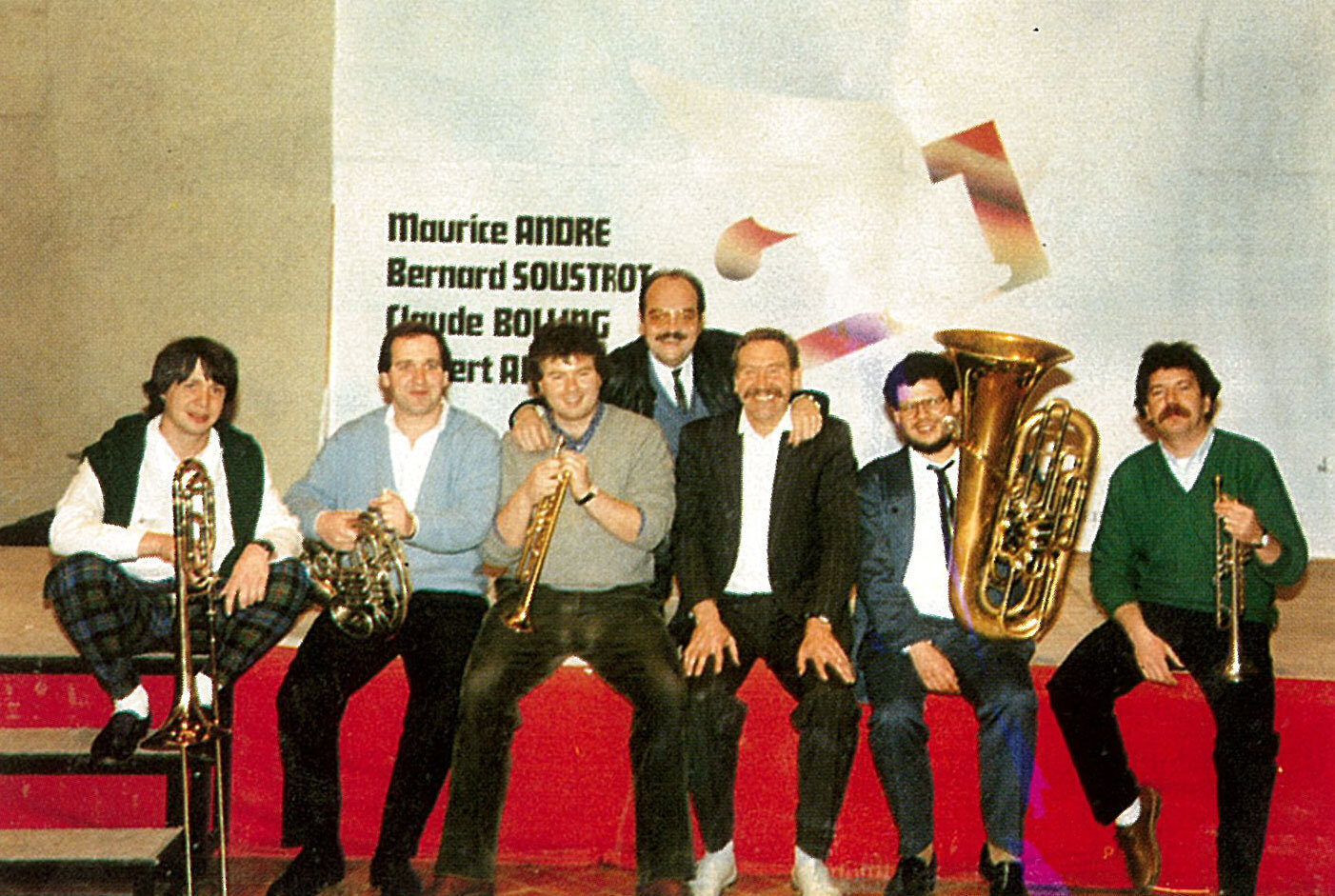
The Concert Arban (jury), heart and soul of the competition. (+ Bernard Soustrot and Jean-Pierre Mathez)
The Concert Arban (jury), heart and soul of the competition. (+ Bernard Soustrot and Jean-Pierre Mathez)

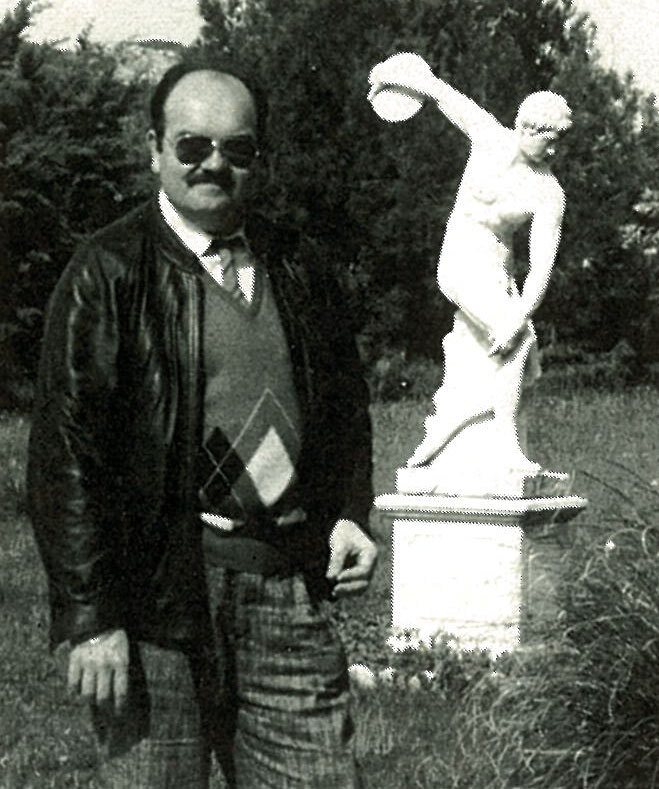
Bernard Soustrot
Bernard Soustrot

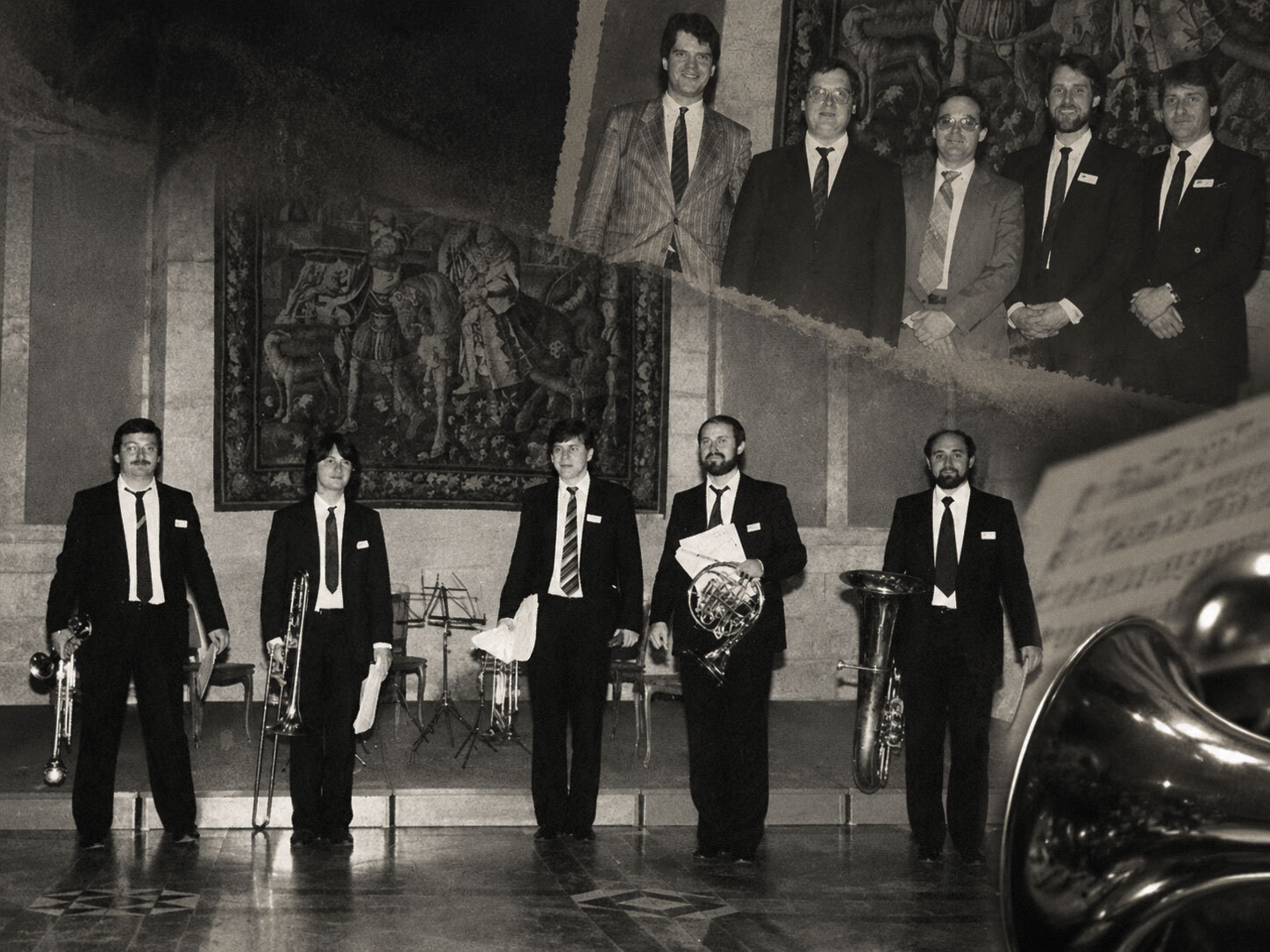
The JuryMark Evans (tuba), Marcel Landowsky (composer), Théo Mertens, Maurice Benterfa, Bernard Soustrot, Maurice André (hidden: the Concert Arban)

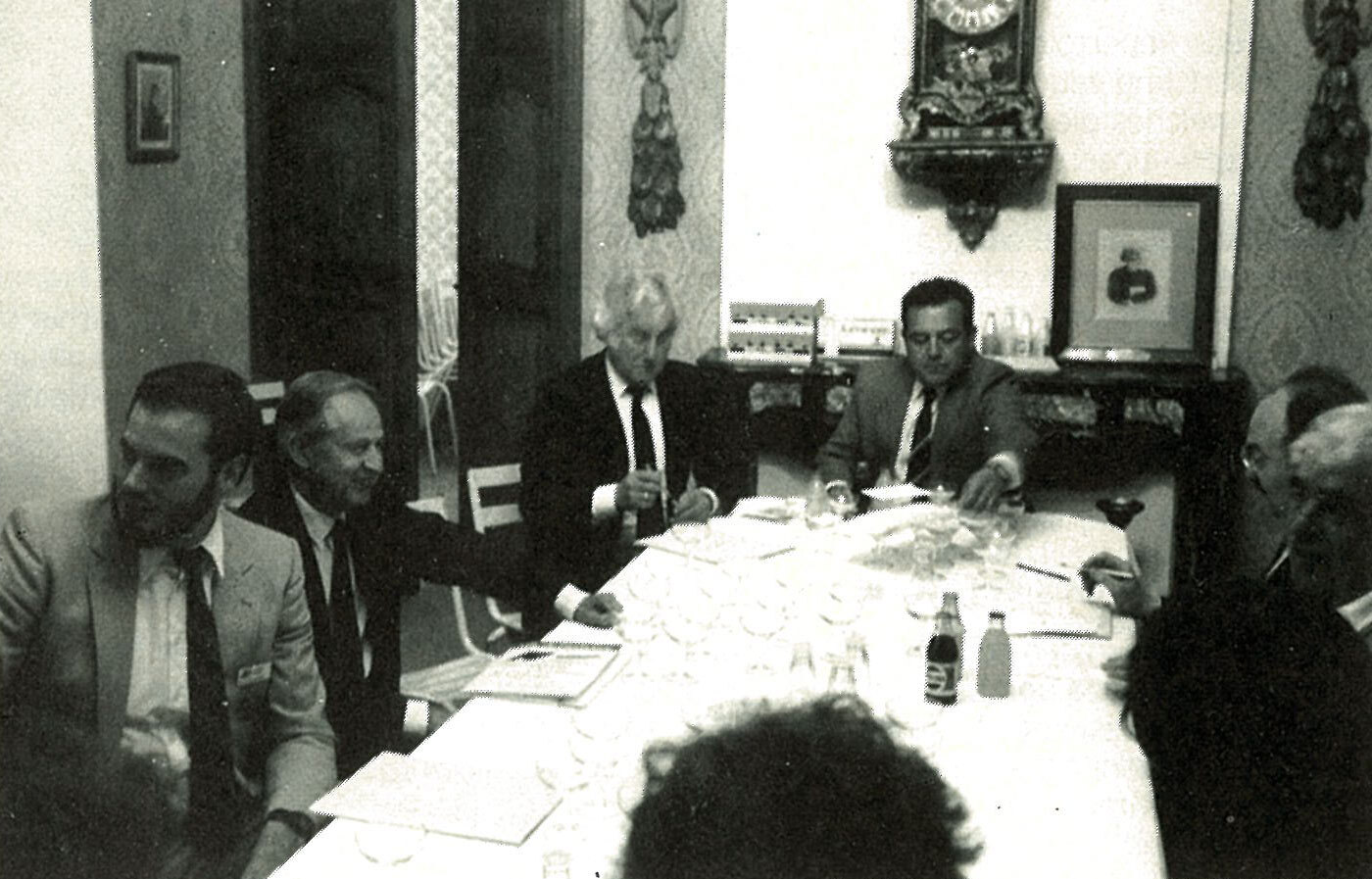
The Jury
Mark Evans (tuba), Marcel Landowsky (composer), Théo Mertens, Maurice Benterfa, Bernard Soustrot, Maurice André (hidden: the Concert Arban)

Programme

The International Brass Quintet Competition (which will be bi-annual — next one in 88 !) is the centrepiece of the event. This year it was intended for professional ensembles of the highest standard (from the outset the set programme was merciless). The seven quintets taking part guaranteed an exceptional and enjoyable standard in this musical test of strength. (The organisers may in future opt for two categories: "high professional standard" and "high student standard".) Various public musical events clustered round the competition — concerts, musical workshops, instrument makers' exhibitions — helping to make Narbonne the capital of the brass world for that week.

Concerts

All the concerts, superbly balanced in content, played to full houses. On Monday 5th May Bernard Soustrot, Michel Bes, Maurice Benterfa and François-Henri Houbart (organ) sounded a brilliant overture to this brass week from the organ loft in the amazing cathedral. The next day the Claude Bolling Big Band filled the Palais du Travail.

On 7th May it was the turn of the Concert Arban (the brass quintet consisting of Thierry Caens and Jean-Paul Leroy (trumpets), Eric Vernier (horn), Yves Favre (trombone) and Michel Godard (tuba)) to display their musicality. It was also a challenge as this group was responsible for the competition programmes and served as jury. The candidates listened with rapt attention to this ensemble which had "judged" them and whose average age was the same as their own. Everyone agreed on the Arban quintet's triumph.

Appeal

To simplify applications for ensembles interested in the 1988 competition, BRASS BULLETIN appeals now to all brass quintets who would like to be kept up to date on preparations and programmes when they are known.

Send us the name of your quintet, the name of the organiser and the names of the players right away. We will set up a special information file. Address: BRASS BULLETIN, c.p., CH-1630 Bulle, Switzerland.

Finally, on 9th May Maurice André, as great as ever, in superb form, rounded off the event in dazzling style. What is there left to say about Maurice André? Only that he does not cease to amaze us with the ever greater subtlety of his performances and with his total technical mastery; only that we are increasingly moved by hearing him risk his all to make his musical message even more sublime.

Workshops, exhibitions

Taking advantage of the magnificent historical surroundings, the organisers set up a workshop with the Concert Arban and an instrument makers' exhibition (Courtois, Couesnon, Selmer and Yamaha) and specialist shops (Degironde from St. Etienne and Feeling Musique from Paris).
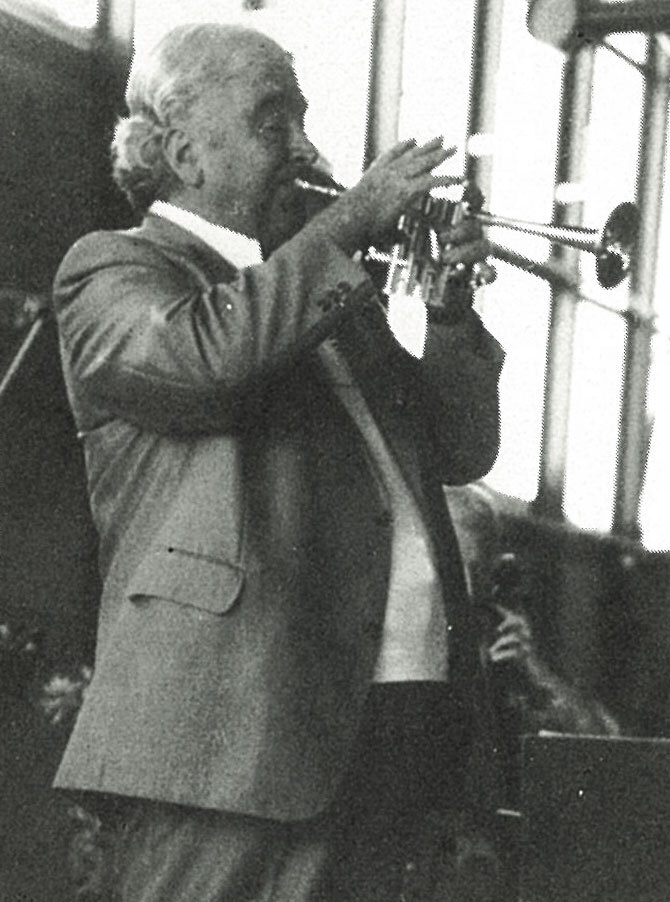
Maurice André, a sublime and friendly presence in Narbonne

Maurice André, a sublime and friendly presence in Narbonne

Competition results

1st prize
Anonymous Brass Quintet of Budapest
(see pages [...] )

3rd equal:
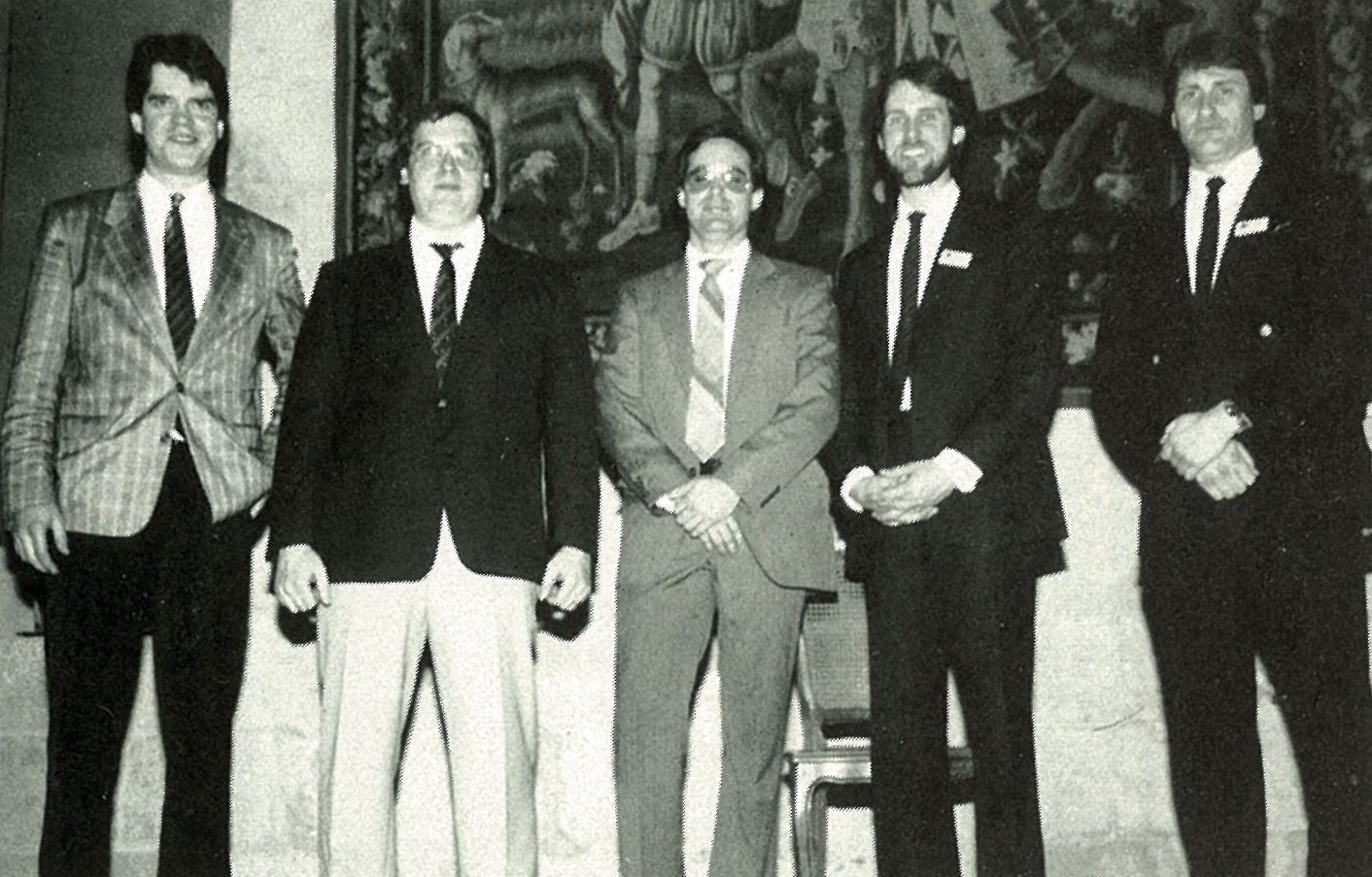
International Brass Quintet (FRG)
Opera Brass Quintet (Hungary)

The jury's choice was determined by the musicians' awareness of really playing "chamber music" and, of course, by the quality of their performance.

The prizes consisted of considerable sums of money, recording a compact disc and setting up a concert tour.
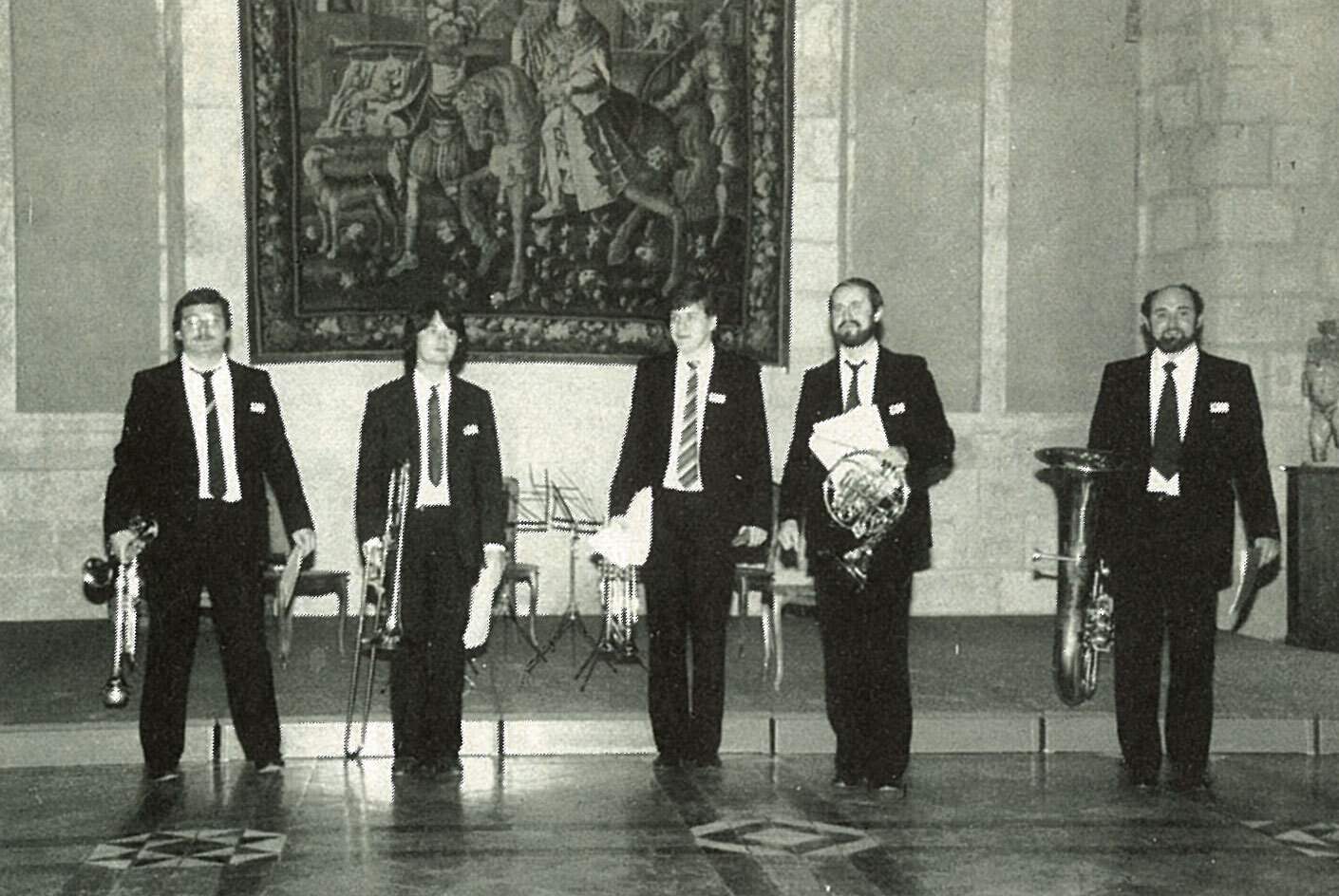
The Budapest Opera Orchestra Brass Quintet
The Budapest Opera Orchestra Brass Quintet

International Brass Quintet

International Brass Quintet

Future prospects

Bernard Soustrot will continue (after this success he has little option !) to provide confident guardianship for the destiny of this event, so valuable in promoting brass. The competition is to become bi-annual, to return in 1988 (at the same time of year).

A wider programme (and the presence of Maurice André already assured) will make Narbonne a privileged meeting place for brass lovers and for all enthusiastic musicians.

Brass Bulletin 55, III / 1986 páginas 33–37

Todo el contenido está protegido por derechos de autor © Brass Bulletin 1986–2026

Compartir este artículo

Facebook LinkedIn
Cargando…

Preguntas y respuestas

Cómo funciona la edición digital

¿Qué incluye la edición digital?

La edición digital reúne los artículos ya digitalizados como textos legibles y consultables en línea —no simplemente como escaneos o archivos PDF— junto con sus ilustraciones originales, notas, autoría, información del número y traducciones disponibles. Las sugerencias de artículos relacionados incluyen actualmente solo este material digitalizado.

¿Los artículos digitales son idénticos a los originales?

Conservamos con la mayor fidelidad posible el texto original, el idioma, las ilustraciones, los pies de imagen, las notas y el contexto editorial. La presentación se adapta para facilitar la lectura en línea y pueden corregirse errores evidentes de transcripción o escaneado. El contenido y el carácter del artículo publicado permanecen inalterados.

¿Qué idiomas están disponibles?

Brass Bulletin se publicó en inglés, francés y alemán a lo largo de toda su historia. Las traducciones al italiano y al español se añadieron a partir del número 60. Por este motivo, en los sitios italiano y español los artículos de los números 1 a 59 se muestran en inglés de forma predeterminada.

¿Con qué frecuencia se añaden nuevos artículos?

Se añaden nuevos artículos casi a diario, con aproximadamente un número completo digitalizado cada semana. El ritmo puede variar según el trabajo de preparación, tratamiento de imágenes y revisión editorial necesario.

¿Por qué no están disponibles todos los artículos en formato digital?

La colección completa de Brass Bulletin contiene 1.246 artículos publicados entre 1971 y 2003. El índice completo ya está disponible en línea y permite descubrir todos los artículos de la colección, incluidos aquellos cuyo texto íntegro todavía no ha sido digitalizado.

La digitalización comenzó en febrero de 2026. Cada artículo se prepara cuidadosamente para la lectura en línea, se revisa y se vincula con su número, sus autores, sus temas y sus ilustraciones. Al ritmo actual de digitalización, se prevé que la colección completa esté disponible en línea en febrero de 2028.

¿Por qué algunas referencias mencionan artículos que todavía no están disponibles?

Las referencias de los artículos originales se conservan aunque el material al que remiten aún no haya sido digitalizado. De este modo se mantiene intacto el contexto histórico y editorial. A medida que se incorporen más números a la edición digital, un número creciente de estas referencias conducirá a artículos que podrán leerse en línea.

¿Puedo sugerir un artículo o informar de un error de transcripción?

Sí. Si hay algún artículo que le gustaría especialmente ver digitalizado, o si detecta un posible error de transcripción o algún dato que falta, póngase en contacto con nosotros. Los comentarios de los lectores nos ayudan a mejorar la edición digital y a establecer prioridades útiles dentro del archivo.

¿Cómo puedo apoyar a Brass Bulletin?

Su apoyo ayuda a financiar la preparación, verificación y publicación en línea de la colección completa.

Suscríbase a la Edición Digital

¿Prefiere apoyarnos sin suscribirse?

Haga una donación

¿Cómo avanza la digitalización?

Estamos poniendo Brass Bulletin a disposición de los lectores en línea, artículo por artículo. Pueden leer los artículos recién digitalizados en cuanto estén listos, incluso antes de que se complete un número entero.

Consulten nuestro calendario de digitalización para descubrir las últimas novedades y las fechas estimadas de disponibilidad de los próximos números. Estas estimaciones se basan en nuestro ritmo reciente y pueden cambiar.

Busca en Brass Bulletin.