3 min. read
Some ways of improving the development of the lips in brass players
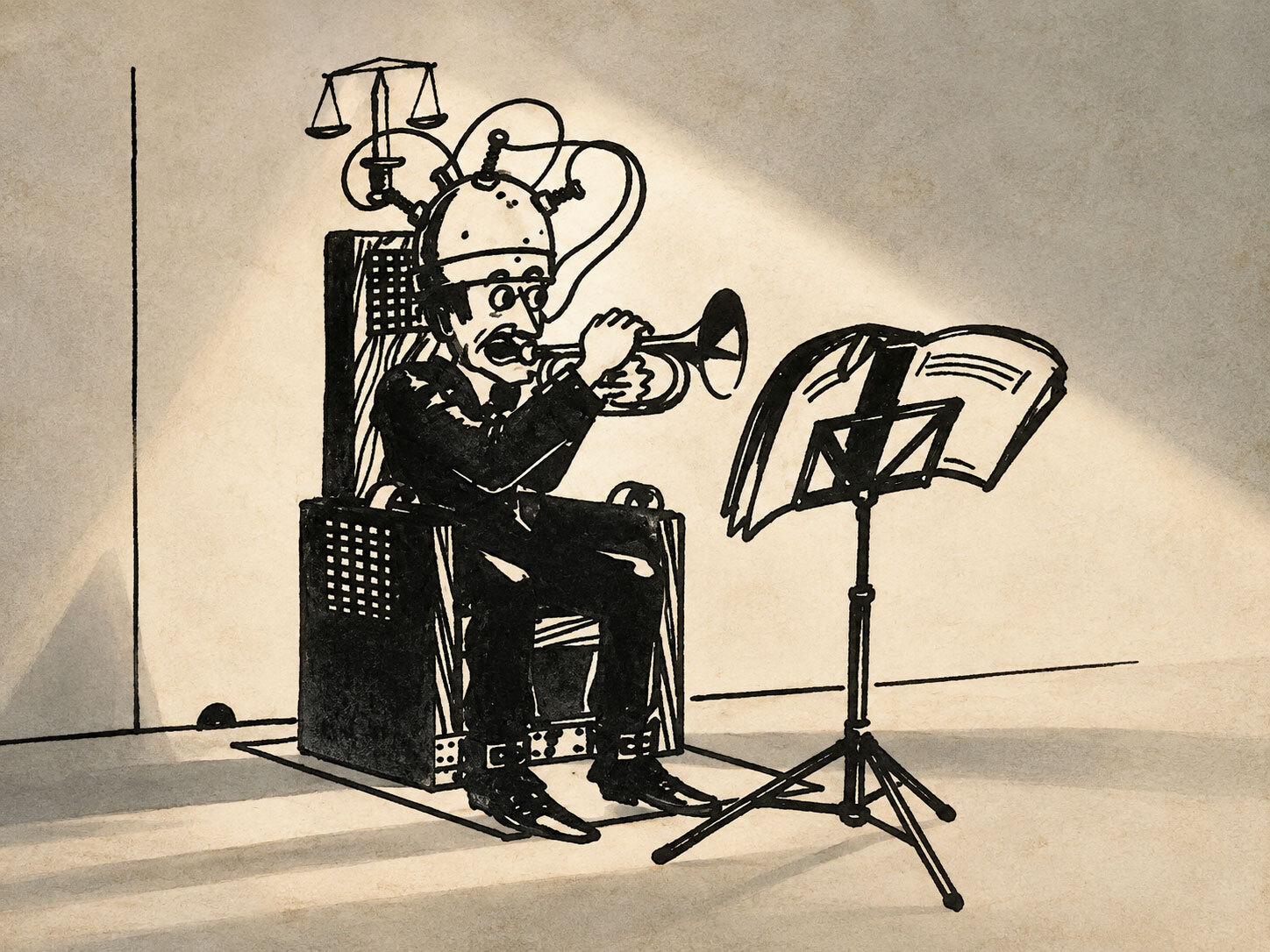
In playing and teaching brass instruments one of the most important problems is that of the player’s lips (position, development of strength and endurance, maintaining the necessary degree of “fitness”); mastering the instrument depends to a large extent of finding a successful solution to it. These are the most important factors in the development of the lips (although by no means the only ones) and they demand individual attention in view of their importance and complexity. This article is devoted to just one of these factors — the development of strength and endurance in the brass player’s lips.
Everyone connected with brass playing is aware of the heavy physical load placed on the muscles around the player’s mouth during performance, whereas they carry out their natural functions (opening and closing the mouth, facial expressions) without any significant effort. Overcoming this discrepancy in the physical “fitness” of the lips takes a great deal of time and in many cases is never completed. Everyone is aware of the traditional method of developing the strength and endurance of the lips by practising.
Using the achievements of modern science and technology, however, combined with the traditional method, can considerably accelerate and improve this process. This combination of methods has been used for a long time, and to good effect, in sport. Musicians, on the other hand, are notably reluctant to use technical means to solve their problems although the methodology of training first-class sportsmen has much in common with that of training professional brass players.
The idea of using the experience derived from sport to develop greater physical fitness in some of the muscles around the mouth by means of special medical equipment was given to me by Dr. Vladimir L’vovich Naydin, head of the rehabilitation section of the “N.N. Burdenko” Institute of Neurosurgery in the USSR Academy of Medical Sciences. He recommended the Soviet-produced low-frequency therapy device Amplipul’s-4 for electric stimulation of these muscles.
The first steps in the use of this equipment for this purpose were taken in 1979 at the Odessa “October Revolution” sanatorium under the supervision of Prof. A.E. Shterengerts. He devised a method of using the Amplipul’s-4 for our special purpose as well as a package of measures for the development of these muscles, extending to electro-acupuncture of the trigeminal nerve and to special massage.
Brass Bulletin 48, IV / 1984 pages 17–19
All content is protected by copyright © Brass Bulletin 1984–2026