Explore institutional access →

Complete articles index

Browse Brass Bulletin articles published since 1971. Search by topic, subject, instrument, author, series or issue, with new material added as the digital edition grows.

No. 100 • 1997 Awaiting digitization

Quintette Magnifica, flowers in the Bell!

By Jean-Pierre Mathez

Encounters
No. 63 • 1988 Awaiting digitization

Stockholm Chamber Brass

1st Prize, Narbonne 1988

By Jean-Pierre Mathez
Report Encounters Competition
Why pretend to be Mozart? Member
No. 12 • 1975 Digitized

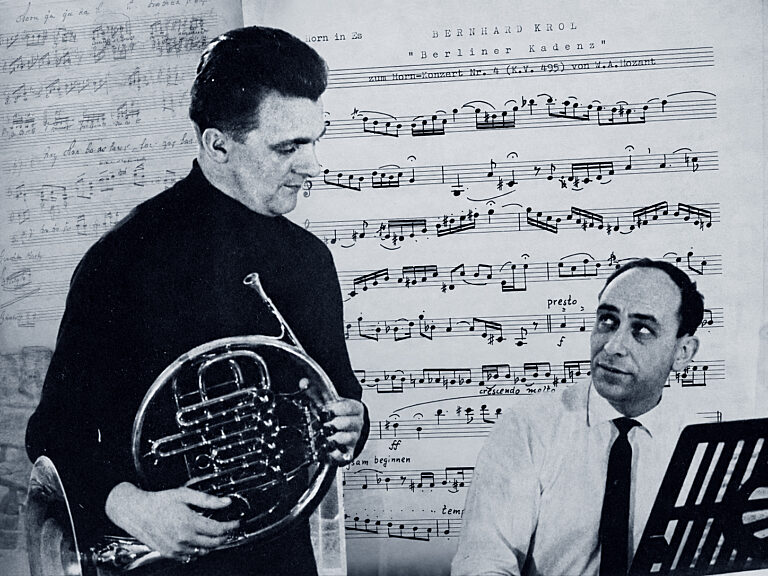
Why pretend to be Mozart?

The concerto’s cadenza: copy of style — or bold but true?

Should a cadenza imitate the past—or speak in today’s voice? Bernhard Krol questions the tradition of stylistic imitation and argues for cadenzas that bridge past and present with authenticity.

By Bernhard Krol
Repertoire Ideas Interpretation
Contemporary Hungarian Brass Music Free
No. 26 • 1979 Digitized

Contemporary Hungarian Brass Music

From early decline to recent revival, Hungarian brass emerges through pedagogy, competitions and new chamber works, with Varasdy outlining key figures and shifting ensemble practices.

By Frigyes Varasdy

Repertoire Teaching Contemporary Music
No. 94 • 1996 Awaiting digitization

Horn models in high E flat

By Engelberg Schmid

Technique
No. 79 • 1992 Awaiting digitization

Vicente Lopez

Heir apparent

By Jean-Pierre Mathez
Encounters
The alto trombone and contemporary concepts of trombone timbre Member
No. 28 • 1979 Digitized

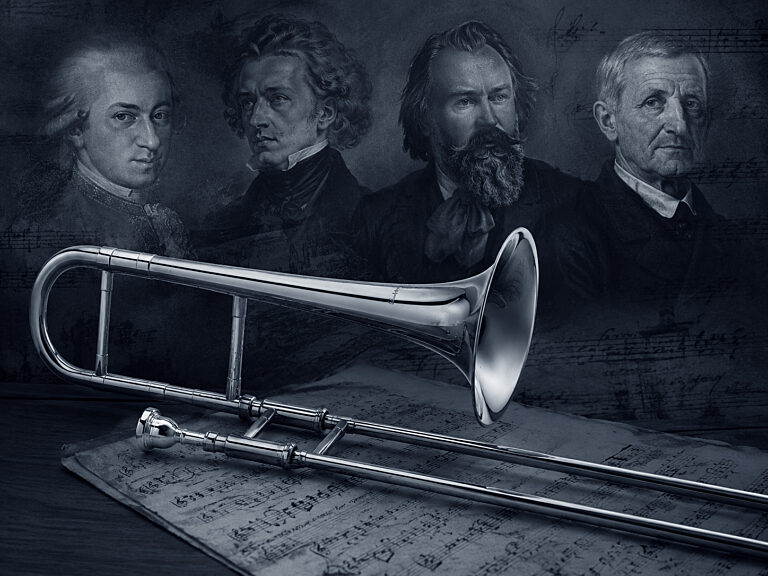
The alto trombone and contemporary concepts of trombone timbre

Alto trombone timbre from Vienna to Brahms, orchestral balance, period practice, and why bright brass sounds gradually disappeared.

By William E. Runyan
Repertoire Equipment Historical instruments Sound Interpretation
Overlays and bonding Free
No. 49 • 1985 Digitized

Overlays and bonding

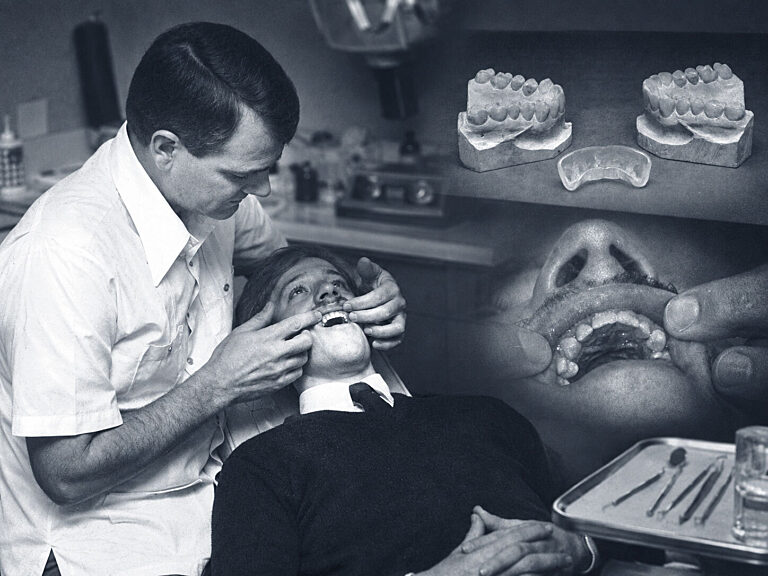
New dental aids for brass players

A trumpeter’s dental experiments in the 1980s turned teeth, mouthpiece pressure and embouchure into an unexpected field of collaboration with dentistry.

By Jeffrey Agrell

Health Technique Teeth Endurance Range
No. 96 • 1996 Awaiting digitization

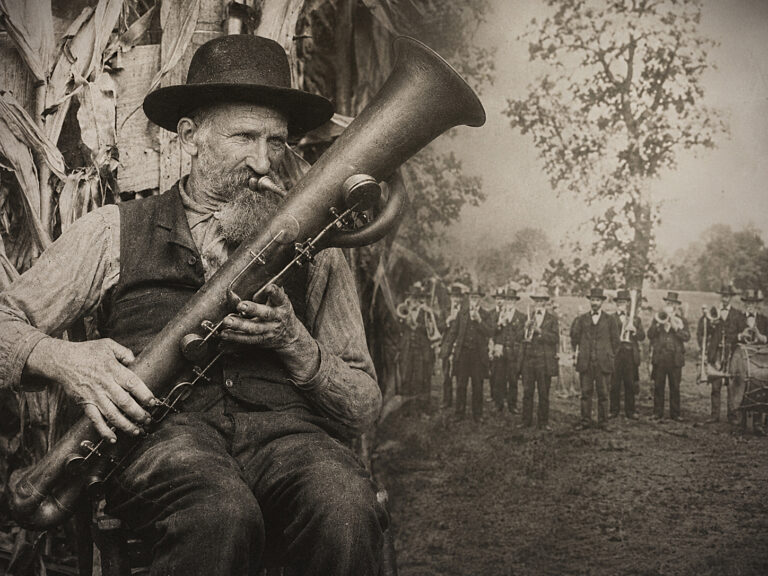
The Lake Placid International Trumpet Seminar

By James Thompson
Report Event
Music in an American Frontier Communal Society Member
No. 34 • 1981 Digitized

Part 1

Music in an American Frontier Communal Society

Aurora Colony

In a German communal settlement on the Oregon frontier, bands, choirs and original compositions shaped daily life as strongly as faith, work and education.

By Deborah M. Olsen
History Society Sociology Brass Ensemble Historical instruments
The untimely demise of the ophicleide Member
No. 43 • 1983 Digitized

The untimely demise of the ophicleide

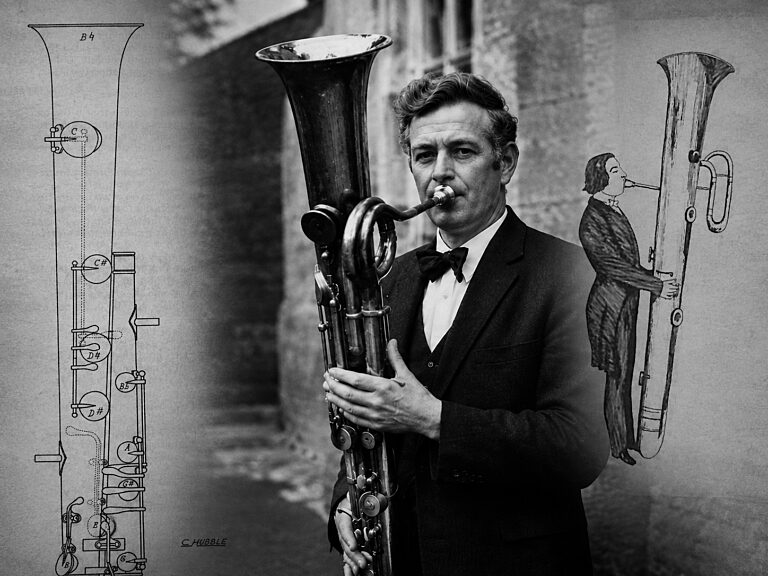
Once central to French orchestras, the ophicleide lost its place to the tuba—a disappearance shaped as much by institutions and repertoire as by sound.

By Stephen J. Weston

Equipment History Historical instruments Instrument making Orchestral playing
No. 71 • 1990 Awaiting digitization

Part 3

The arab Trumpet III (end) - The Art of Improvisation

The Art of Improvisation

By Nassim Maalouf

Report History
No. 77 • 1992 Awaiting digitization

Dutch Horn Society 1982-1992

Special Holland

By Louise Schepel

Report
The Eyes
No. 60 • 1987 Awaiting digitization

Brass Techniques Series • Part 7

The Eyes

By Jean-Pierre Mathez

Technique
No. 88 • 1994 Awaiting digitization

History of brasses in Bulgaria

By Vassil Todorov

Report History
No. 102 • 1998 Awaiting digitization

Part 11

Dental Clinic for Wind Players

Median space method

By Toshio Nemoto

Health Teeth
No. 90 • 1995 Awaiting digitization

Editorial

By Jean-Pierre Mathez

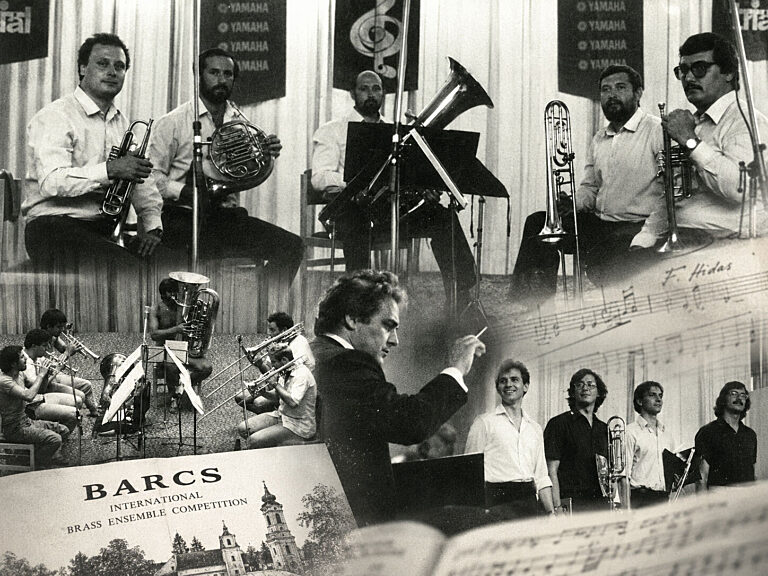
Barcs 1984 Free
No. 48 • 1984 Digitized

Special Hungary

Barcs 1984

First International Brass Ensemble Competition

A small Hungarian town became a testing ground for brass chamber music, where young ensembles showed how quickly the discipline was coming of age.

By Jean-Pierre Mathez

Competition Report Brass Ensemble
No. 79 • 1992 Awaiting digitization

Dung Chen

A brief look at the long trumpet of Tibet

By Brian Pertl

Report Equipment
No. 77 • 1992 Awaiting digitization

Part 1

The 18th Century Trombone

Rumors of its death were premature

By J. Richard Raum

History
No. 71 • 1990 Awaiting digitization

Part 1

Tubes - Tritones - Theses

By Patrice Sciortino

Equipment Ideas
No. 68 • 1989 Awaiting digitization

Madrid Expomusica 1989

By Jean-Pierre Mathez

Report
No. 106 • 1999 Awaiting digitization

Fernand Lelong, half a century of tuba in France

By Jeremy Mathez

Encounters
No. 85 • 1994 Awaiting digitization

Part 5

DSA - Digital analysis of intonation and sound

Hearing

By Robert Meissner

Technique Acoustics
Loading…

Questions & Answers

How the Digital Edition works

What does the Digital Edition include?

The Digital Edition brings together the articles already digitized as searchable online texts—not simply as scans or PDF files—along with their original illustrations, notes, authorship, issue information, and available translations. Related-article suggestions currently include only this digitized material.

Are the digital articles identical to the originals?

We preserve the original text, language, illustrations, captions, footnotes, and editorial context as faithfully as possible. The presentation is adapted for comfortable online reading, and obvious transcription or scanning errors may be corrected. The substance and character of the published article remain unchanged.

Which languages are available?

Brass Bulletin was published in English, French, and German throughout its history. Italian and Spanish translations were added from issue No. 60 onward.

On the Italian and Spanish sites, articles from issues 1–59 are therefore shown in English by default.

How often are new articles added?

New articles are added almost daily, with approximately one complete issue digitized each week. The pace may vary depending on the preparation, image work, and editorial checking required.

Why aren’t all articles available digitally?

The complete Brass Bulletin collection contains 1,246 articles published between 1971 and 2003. The full index is already available online, allowing readers to discover every article in the collection, including those whose complete text has not yet been digitized.

Digitization began in February 2026. Each article is carefully prepared for online reading, checked, and connected to its issue, authors, subjects, and illustrations. At the current pace of digitization, the complete collection is expected to be available online by February 2028.

Why do some references mention articles that are not available yet?

References in the original articles are preserved even when the material they point to has not yet been digitized. This keeps the historical and editorial record intact. As more issues are added to the Digital Edition, an increasing number of these references will lead to articles that can be read online.

Can I suggest an article or report a transcription error?

Yes. If there is an article you would particularly like to see digitized, or if you notice a possible transcription error or missing detail, please contact us. Reader feedback helps us improve the Digital Edition and prioritize useful connections within the archive.

How can I support Brass Bulletin?

Your support helps fund the preparation, verification, and online publication of the complete collection.

Subscribe to the Digital Edition

Prefer to support us without subscribing?

Make a donation

How is the digitization progressing?

We’re gradually making the Brass Bulletin available online, article by article. You can read newly digitized articles as soon as they’re ready, even before an entire issue is complete.

Visit our Digitization Roadmap to browse recent additions and see estimated availability for upcoming issues. These estimates follow our recent pace and may change.

Search Brass Bulletin.