Explore institutional access →

Complete articles index

Browse Brass Bulletin articles published since 1971. Search by topic, subject, instrument, author, series or issue, with new material added as the digital edition grows.
Listening Member
No. 38 • 1982 Digitized

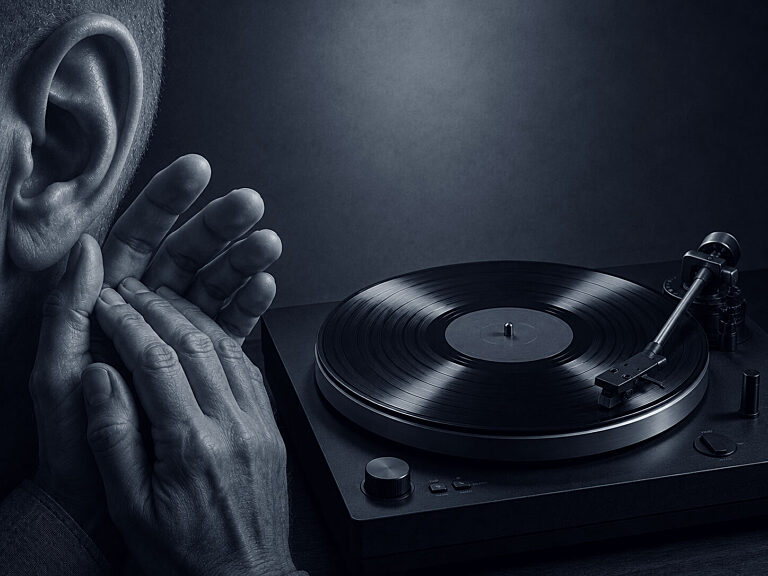
Listening

Musical listening begins where judgment ends, as Jeffrey Agrell questions habits of criticism, recordings and expectation that shape every performance.

By Jeffrey Agrell

Society Sociology Mental approach Ideas
No. 117 • 2002 Awaiting digitization

Quotables

By Thomas Stevens

Backstage
No. 92 • 1995 Awaiting digitization

New Thein Bass Trombone Innovations

By Ben van Dijk

Equipment
No. 74 • 1991 Awaiting digitization

Bruno Schneider

Tale of a tall talent

By Jean-Pierre Mathez
Encounters
Fundamental trombone performance technique Member
No. 49 • 1985 Digitized

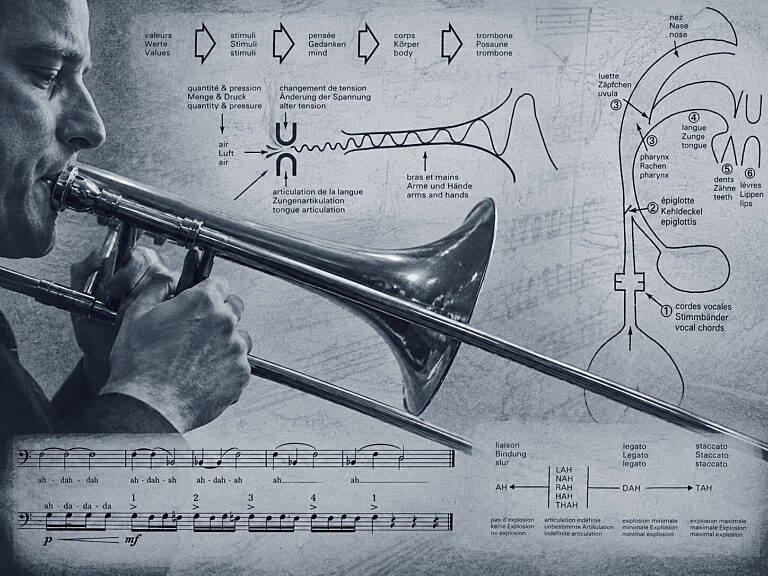
Fundamental trombone performance technique

Teaching and application

Technique becomes musicianship when breathing, vibration, resonance, articulation and slide movement cease to be separate skills and begin working as one.

By William F. Cramer

Technique Teaching Breathing Sound Articulation
No. 107 • 1999 Awaiting digitization

Editorial

By Jean-Pierre Mathez

The universal trumpet of Gabriele Cassone
No. 115 • 2001 Awaiting digitization

The universal trumpet of Gabriele Cassone

Baroque instruments, Berio and neglected Italian music meet in Cassone’s unusually broad conception of what a modern trumpeter can be.

By Jean-Pierre Mathez

Encounters Historical instruments Contemporary Music
No. 93 • 1996 Awaiting digitization

A 349 year old horn made by Michael Nagel in Graz

By Friedrich Körner

History Equipment
No. 66 • 1989 Awaiting digitization

Part 1

Does Jazz still have a soul?

By Michel Laplace
Society Jazz
Johann Ernst Altenburg (1736-1801) Member
No. 46 • 1984 Digitized

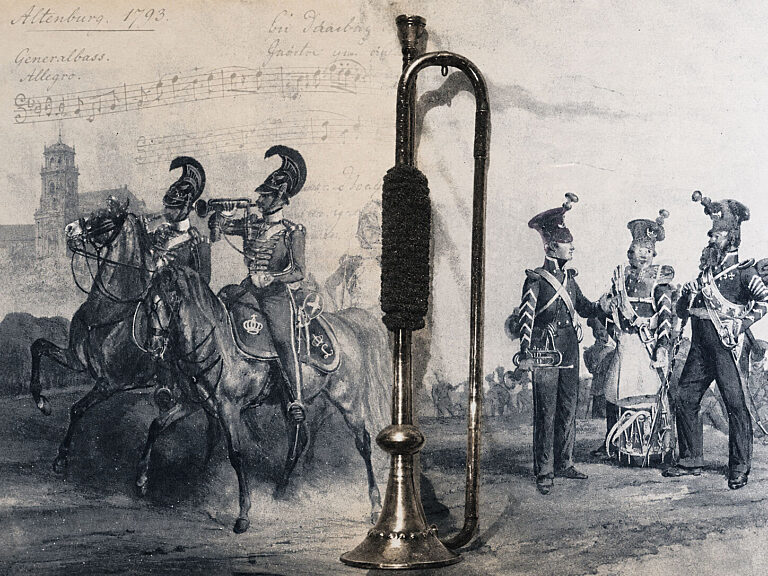
Johann Ernst Altenburg (1736-1801)

The last representative of the heroic art of the trumpeter and drummer

A trumpeter caught between a fading guild tradition and a changing musical world left a 1795 treatise that became an essential witness to a disappearing art.

By Arno Werner
History
The Leningrad School of Horn Playing Member
No. 27 • 1979 Digitized

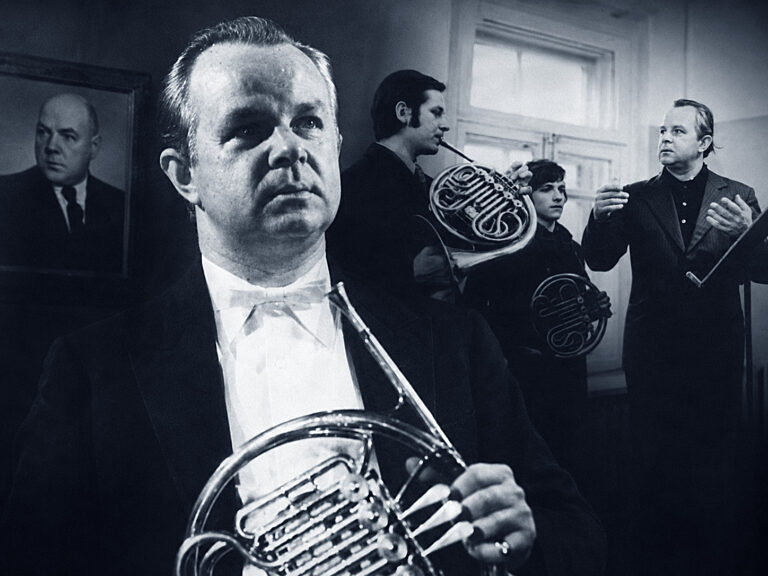
The Leningrad School of Horn Playing

From St. Petersburg to the Soviet era, generations of horn players shaped a distinctive approach to sound, interpretation, and orchestral playing.

By Frøydis Ree Wekre
History Teaching Russian school Interpretation Sound
Mikhail Innokentiévitch Tabakov (1877-1958) Member
No. 22 • 1978 Digitized

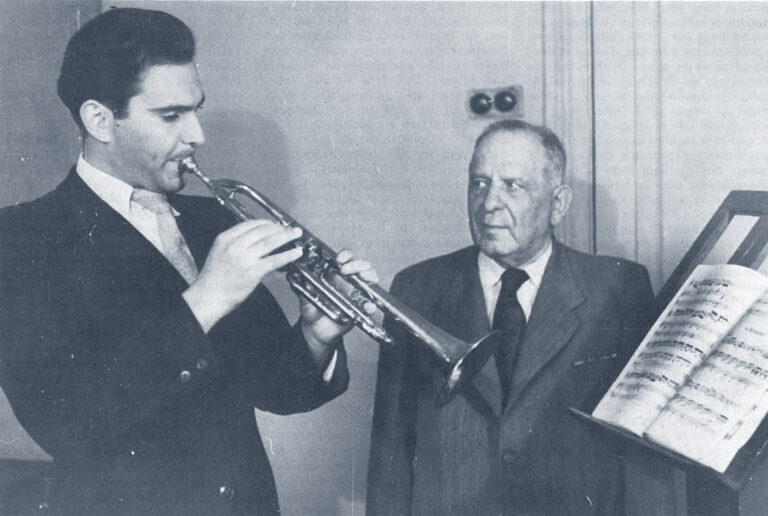
Mikhail Innokentiévitch Tabakov (1877-1958)

Founder of the Soviet trumpet school

A towering figure of trumpet history: Tabakov shaped generations—including the legendary Timofei Dokchitzer—and laid the foundations of the Soviet trumpet school.

By G. Orvid, S. Riaouzov
History Teaching Russian school Sound Interpretation
Hygienics of the teeth Free
No. 19 • 1977 Digitized

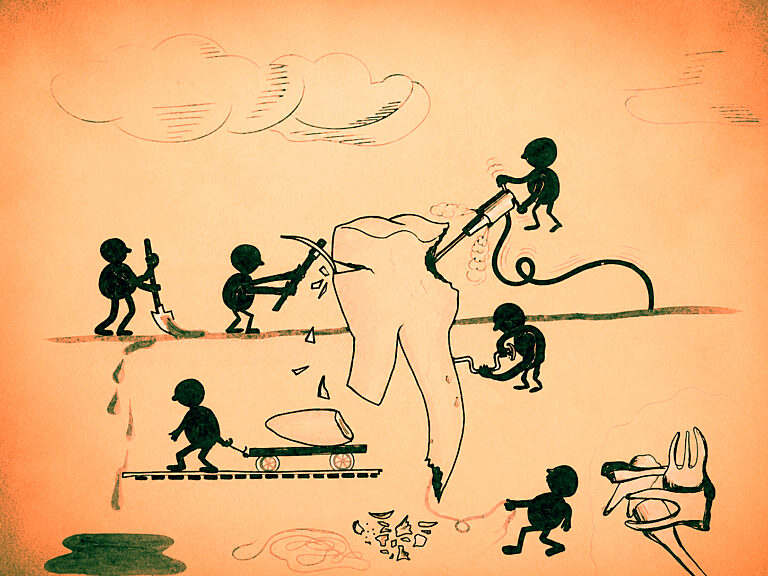
Hygienics of the teeth

Your embouchure starts with your teeth. This essential guide reveals why gum health—not just cavities—determines a brass player’s long-term sound and control.

By Michel G. Corti

Health Teeth
No. 78 • 1992 Awaiting digitization

Jan Hasenöhrl. Trumpet in freedom

Special Czechoslovakia

By Jean-Pierre Mathez

Encounters
No. 90 • 1995 Awaiting digitization

Georges Barboteu

An inspired and poetic hornist

By André Cazalet

Encounters
No. 64 • 1988 Awaiting digitization

Our journey to the USSR

Special USSR

By Jean-Pierre Mathez
Report
The Unusual Trumpet in the Nürnberg Transport Museum Free
No. 52 • 1985 Digitized

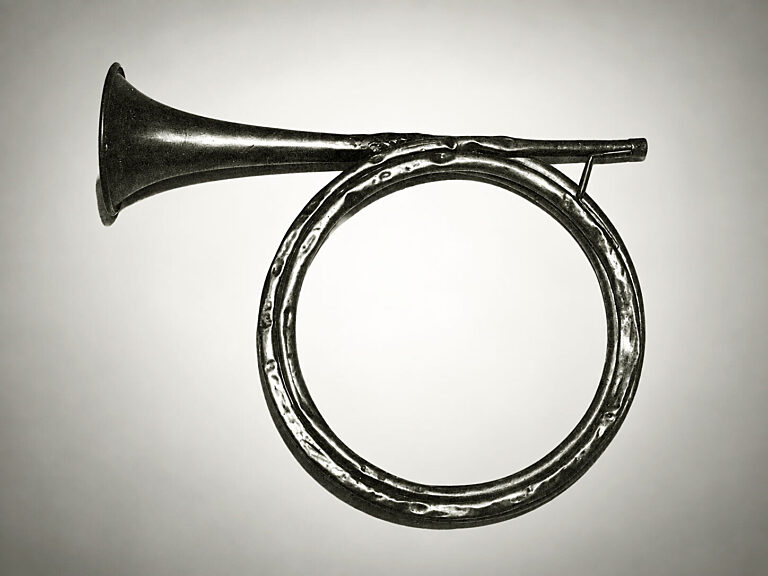
The Unusual Trumpet in the Nürnberg Transport Museum

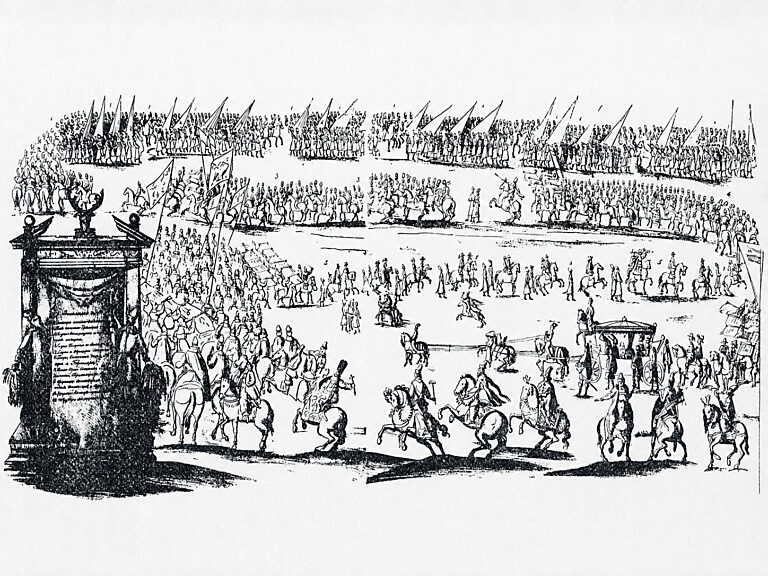
A mysterious three-coil trumpet in Nuremberg defies familiar instrument types, with no maker, date or clear explanation of how it entered a postal collection.

By Albert Hiller
Equipment Historical instruments
Russian music and musicians before 1700 Member
No. 7 • 1974 Digitized

Russian music and musicians before 1700

with special regard to Brass Music

Overview of Russian music and musicians before 1700, exploring early traditions, influences and the role of brass instruments.

By Walter Salmen

History Repertoire Russian school Historical instruments
No. 88 • 1994 Awaiting digitization

Editorial

By Jean-Pierre Mathez

No. 106 • 1999 Awaiting digitization

James Thatcher, the horn of Hollywood

By Jeremy Mathez, Robert L. Watt
Encounters
What is a Brass Band? Free
No. 25 • 1979 Digitized

What is a Brass Band?

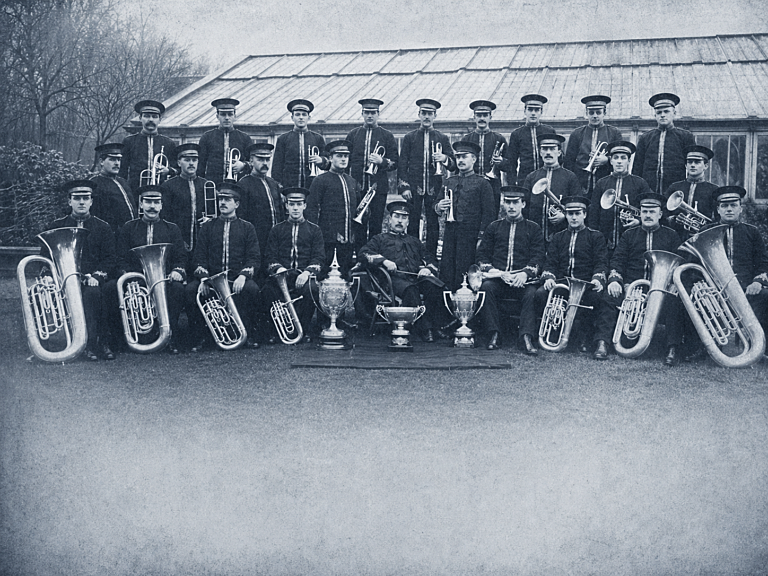
Barrie Perrins traces the 19th-century origins, instrumentation and social role of the brass band—from industrial roots to international musical life.

By Barrie Perrins

History Society Sociology Band
No. 123 • 2003 Awaiting digitization

René Spada - “So why couldn’t it be done better?”

By Jean-Pierre Mathez

Equipment
No. 114 • 2001 Awaiting digitization

Part 2

The art of chamber music

By Jean-Pierre Mathez

Technique Repertoire
No. 73 • 1991 Awaiting digitization

Bremen, city open to music

By Jean-Pierre Mathez

History
Loading…

Questions & Answers

How the Digital Edition works

What does the Digital Edition include?

The Digital Edition brings together the articles already digitized as searchable online texts—not simply as scans or PDF files—along with their original illustrations, notes, authorship, issue information, and available translations. Related-article suggestions currently include only this digitized material.

Are the digital articles identical to the originals?

We preserve the original text, language, illustrations, captions, footnotes, and editorial context as faithfully as possible. The presentation is adapted for comfortable online reading, and obvious transcription or scanning errors may be corrected. The substance and character of the published article remain unchanged.

Which languages are available?

Brass Bulletin was published in English, French, and German throughout its history. Italian and Spanish translations were added from issue No. 60 onward.

On the Italian and Spanish sites, articles from issues 1–59 are therefore shown in English by default.

How often are new articles added?

New articles are added almost daily, with approximately one complete issue digitized each week. The pace may vary depending on the preparation, image work, and editorial checking required.

Why aren’t all articles available digitally?

The complete Brass Bulletin collection contains 1,246 articles published between 1971 and 2003. The full index is already available online, allowing readers to discover every article in the collection, including those whose complete text has not yet been digitized.

Digitization began in February 2026. Each article is carefully prepared for online reading, checked, and connected to its issue, authors, subjects, and illustrations. At the current pace of digitization, the complete collection is expected to be available online by February 2028.

Why do some references mention articles that are not available yet?

References in the original articles are preserved even when the material they point to has not yet been digitized. This keeps the historical and editorial record intact. As more issues are added to the Digital Edition, an increasing number of these references will lead to articles that can be read online.

Can I suggest an article or report a transcription error?

Yes. If there is an article you would particularly like to see digitized, or if you notice a possible transcription error or missing detail, please contact us. Reader feedback helps us improve the Digital Edition and prioritize useful connections within the archive.

How can I support Brass Bulletin?

Your support helps fund the preparation, verification, and online publication of the complete collection.

Subscribe to the Digital Edition

Prefer to support us without subscribing?

Make a donation

How is the digitization progressing?

We’re gradually making the Brass Bulletin available online, article by article. You can read newly digitized articles as soon as they’re ready, even before an entire issue is complete.

Visit our Digitization Roadmap to browse recent additions and see estimated availability for upcoming issues. These estimates follow our recent pace and may change.

Search Brass Bulletin.