Explore institutional access →

Complete articles index

Browse Brass Bulletin articles published since 1971. Search by topic, subject, instrument, author, series or issue, with new material added as the digital edition grows.
Mantzaros Philharmonic Society Free
No. 46 • 1984 Digitized

Mantzaros Philharmonic Society

Corfou, Greece

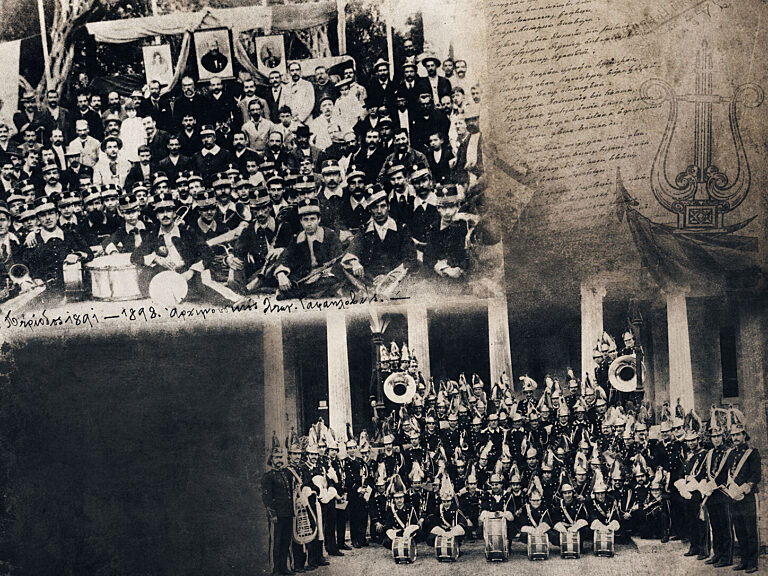
A Corfu musical society founded in 1890 connects European influence, amateur tradition and a trumpet school that trained some 1,200 players.

By Gerassimos Ioannides
Report Band
Editorial Free
No. 11 • 1975 Digitized

Editorial

A magazine for all brass players? Jean-Pierre Mathez tackles the challenge—and invites musicians to actively shape Brass Bulletin.

By Jean-Pierre Mathez

No. 114 • 2001 Awaiting digitization

Francis Orval, A heart for the horn

By Jean-Pierre Mathez

Encounters
No. 91 • 1995 Awaiting digitization

Editorial

By Jean-Pierre Mathez

No. 116 • 2001 Awaiting digitization

Jens Lindemann, lips of gold...

By Jean-Pierre Mathez

Encounters
No. 59 • 1987 Awaiting digitization

Aubertin, Brass instrument makers

Louis Aubertin, last representative of this family of makers

By Jean-Pierre Mathez

Equipment
Editorial Free
No. 51 • 1985 Digitized

Editorial

A museum, a factory, a familiar instrument: Jean-Pierre Mathez turns ordinary encounters with brass into a reflection on the bond between player and voice.

By Jean-Pierre Mathez

Society Ideas
No. 76 • 1991 Awaiting digitization

Black - Hill

Brass mouthpiece makers

By Claudio Roditi

Equipment
No. 78 • 1992 Awaiting digitization

Editorial

By Jean-Pierre Mathez

Herpes labialis (lip sores) Free
No. 34 • 1981 Digitized

Herpes labialis (lip sores)

A brass players' affliction

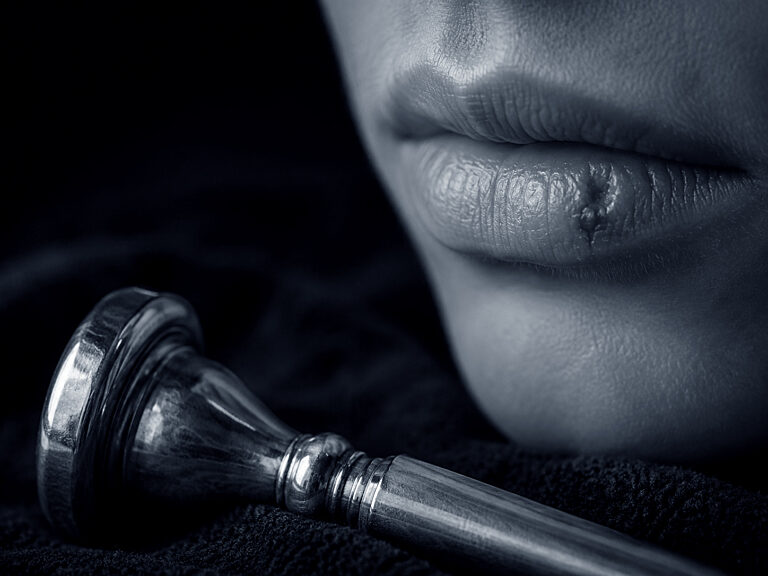
For brass players, a common lip condition can mean weeks away from the instrument, linking embouchure, health habits and recurring interruptions.

By Uwe Schwandt

Health Nerves Lips
Free
No. 23 • 1978 Digitized

Václav F. Cerveny (1819-1896)

Famous instrument maker

A pioneer of brass design: V. F. Červený shaped modern wind instruments—challenging Adolphe Sax and defining the rich sound of the Austrian school.

By Vaclav Hoza

History Instrument Makers Instrument making Valves Historical instruments
No. 77 • 1992 Awaiting digitization

Peter Masseurs. You are not supposed to play like a Russian... You are a Dutchman!

Special Holland

By Willem Ouwerkerk

Encounters
No. 108 • 1999 Awaiting digitization

Paxman Bros Ltd, the force of destiny

By Jeremy Mathez

Equipment
No. 99 • 1997 Awaiting digitization

Brasses in Hungary today

With Zoltan Kodaly (1882-1967), Hungary developed a popular musical culture of exceptional quality, a climate that was particularly favorable to brasses

By Istán Péter Farkas
Report
Musical Piracy Free
No. 41 • 1983 Digitized

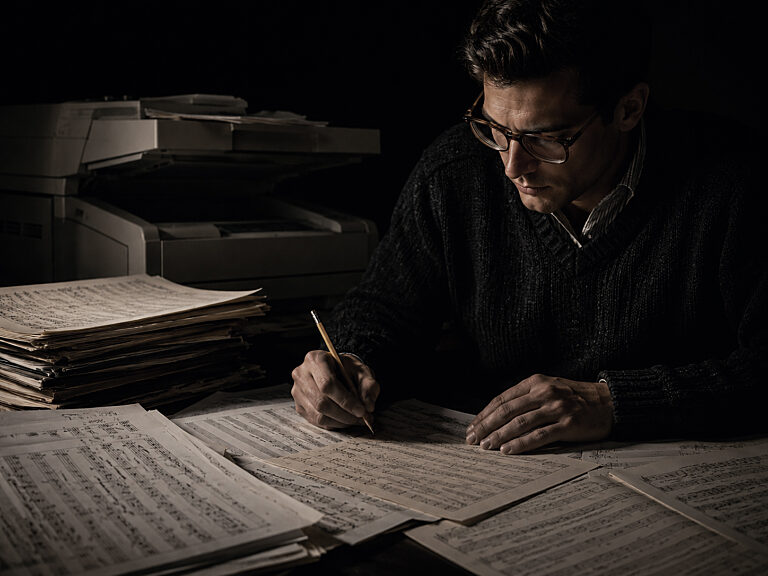
Musical Piracy

Plagiarism, Photocopying

Long before digital piracy, publishers and performers were already confronting plagiarism, photocopying and blurred artistic ownership across the brass world.

By Jean-Pierre Mathez

Society Professional life Sociology Ideas
Editorial Free
No. 9 • 1974 Digitized

Editorial

Editorial introducing a research series on Jean-Baptiste Arban, inviting readers to rediscover the man behind the famous method and his historical context.

By Jean-Pierre Mathez

No. 66 • 1989 Awaiting digitization

Editorial

By Jean-Pierre Mathez

Viktor Venglowski Free
No. 34 • 1981 Digitized

Viktor Venglowski

Musician and Teacher

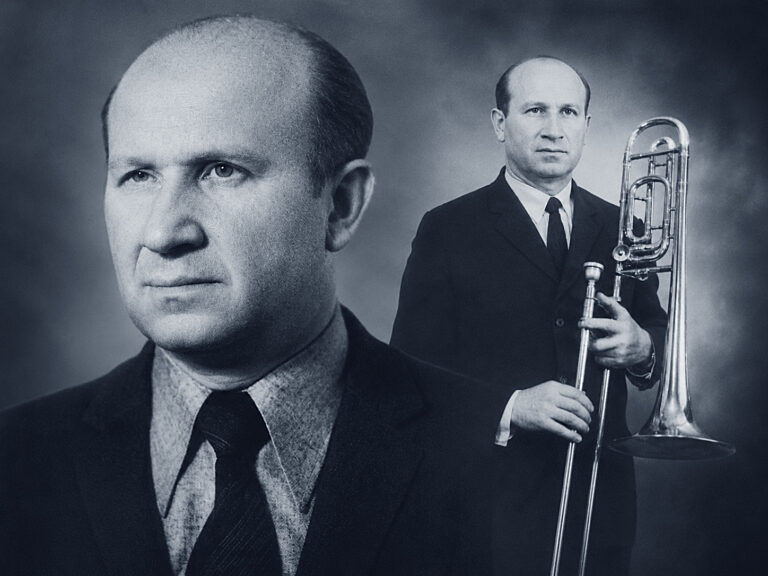
From the Leningrad Philharmonic to the Conservatoire, one trombonist shaped repertoire, ensembles and generations of players across the Soviet Union.

By Sergej Gorovoj
Encounters Teaching Russian school Orchestral playing Brass Ensemble
Some ways of improving the development of the lips in brass players Member
No. 48 • 1984 Digitized

Some ways of improving the development of the lips in brass players

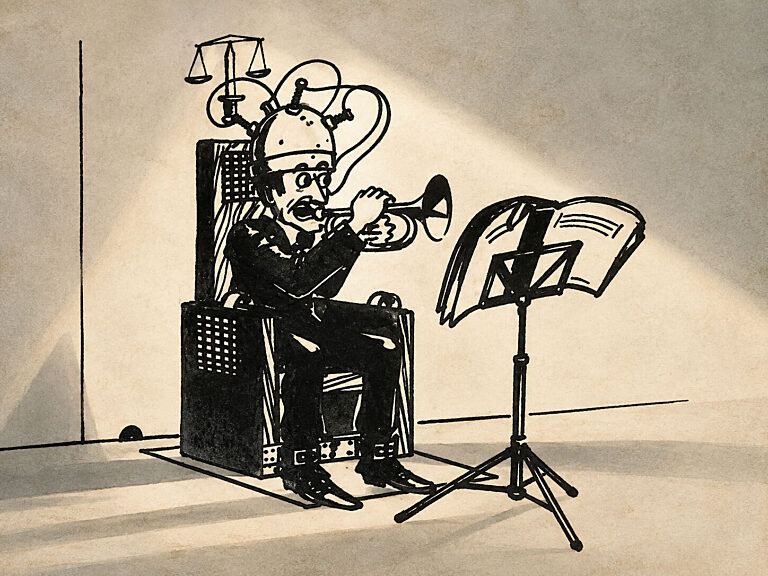
Brass players borrow from sports medicine as Soviet electrical stimulation, acupuncture and massage test new ways to build endurance and restore overworked lips.

By Sergej Gorovoj
Technique Health Research Lips Endurance
Why pretend to be Mozart? Free
No. 14 • 1976 Digitized

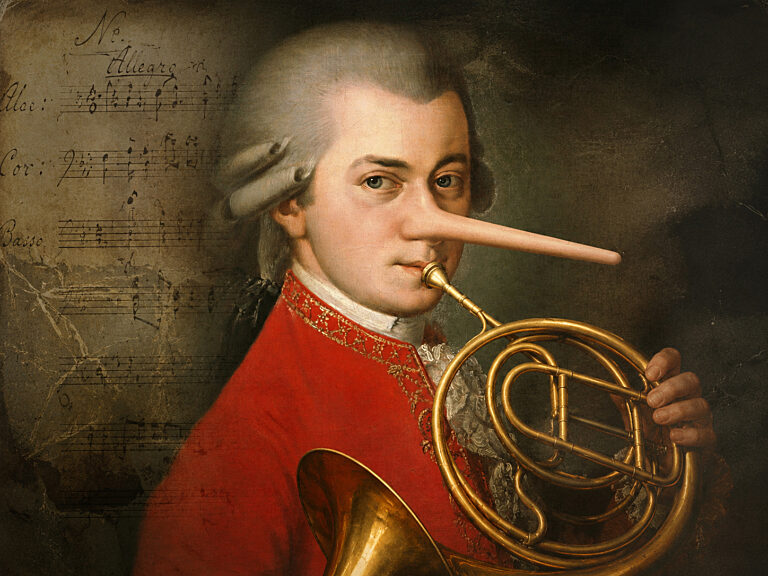
Why pretend to be Mozart?

Reply to Bernhard Krol

Should a cadenza imitate Mozart? Peter Damm argues for stylistic fidelity without imitation—at the heart of a debate with Bernhard Krol.

By Peter Damm

Repertoire Interpretation Ornaments Ideas
No. 70 • 1990 Awaiting digitization

Neruda's Concerto for Horn (or trumpet)

By Edward H. Tarr

Repertoire
No. 77 • 1992 Awaiting digitization

Brass instruments at the Gemeente-Museum in the Hague

Special Holland

By Graham Nicholson

History
No. 90 • 1995 Awaiting digitization

Steven Mead

Mister Euphonium

By Jean-Pierre Mathez

Encounters
No. 69 • 1990 Awaiting digitization

Part 1

The arab Trumpet I - Brass in the middle East

Brass in the Middle East

By Nassim Maalouf

Report History
Loading…

Questions & Answers

How the Digital Edition works

What does the Digital Edition include?

The Digital Edition brings together the articles already digitized as searchable online texts—not simply as scans or PDF files—along with their original illustrations, notes, authorship, issue information, and available translations. Related-article suggestions currently include only this digitized material.

Are the digital articles identical to the originals?

We preserve the original text, language, illustrations, captions, footnotes, and editorial context as faithfully as possible. The presentation is adapted for comfortable online reading, and obvious transcription or scanning errors may be corrected. The substance and character of the published article remain unchanged.

Which languages are available?

Brass Bulletin was published in English, French, and German throughout its history. Italian and Spanish translations were added from issue No. 60 onward.

On the Italian and Spanish sites, articles from issues 1–59 are therefore shown in English by default.

How often are new articles added?

New articles are added almost daily, with approximately one complete issue digitized each week. The pace may vary depending on the preparation, image work, and editorial checking required.

Why aren’t all articles available digitally?

The complete Brass Bulletin collection contains 1,246 articles published between 1971 and 2003. The full index is already available online, allowing readers to discover every article in the collection, including those whose complete text has not yet been digitized.

Digitization began in February 2026. Each article is carefully prepared for online reading, checked, and connected to its issue, authors, subjects, and illustrations. At the current pace of digitization, the complete collection is expected to be available online by February 2028.

Why do some references mention articles that are not available yet?

References in the original articles are preserved even when the material they point to has not yet been digitized. This keeps the historical and editorial record intact. As more issues are added to the Digital Edition, an increasing number of these references will lead to articles that can be read online.

Can I suggest an article or report a transcription error?

Yes. If there is an article you would particularly like to see digitized, or if you notice a possible transcription error or missing detail, please contact us. Reader feedback helps us improve the Digital Edition and prioritize useful connections within the archive.

How can I support Brass Bulletin?

Your support helps fund the preparation, verification, and online publication of the complete collection.

Subscribe to the Digital Edition

Prefer to support us without subscribing?

Make a donation

How is the digitization progressing?

We’re gradually making the Brass Bulletin available online, article by article. You can read newly digitized articles as soon as they’re ready, even before an entire issue is complete.

Visit our Digitization Roadmap to browse recent additions and see estimated availability for upcoming issues. These estimates follow our recent pace and may change.

Search Brass Bulletin.