Explore institutional access →

History

278 articles

No. 93 • 1996 Awaiting digitization

A 349 year old horn made by Michael Nagel in Graz

By Friedrich Körner
History Equipment
Russian music and musicians before 1700 Member
No. 7 • 1974 Digitized

Russian music and musicians before 1700

with special regard to Brass Music

Overview of Russian music and musicians before 1700, exploring early traditions, influences and the role of brass instruments.

By Walter Salmen

History Repertoire Russian school Historical instruments
No. 94 • 1996 Awaiting digitization

Rediscovered trumpet fanfares

By Friedrich Anzenberger

History Repertoire
My collection of historical brass instruments and drums Free
No. 5 • 1973 Digitized

My collection of historical brass instruments and drums

Presentation of a private collection of historical brass instruments and drums, offering insights into their construction, variety and historical context.

By Wilhelm Bernoulli

History Equipment Historical instruments
No. 123 • 2003 Awaiting digitization

The youthful history of brass in China

By Dai Zhonghui

History
No. 78 • 1992 Awaiting digitization

Past and Present of Brass in Czechoslovakia

Special Czechoslovakia

By Helena Havlikova

Report History
No. 102 • 1998 Awaiting digitization

The Streitwieser collection of brass instruments at the Kremsegg Castle

By Friedrich Anzenberger

Report History
Drollery in the medieval representation of musical subjects Free
No. 9 • 1974 Digitized

Drollery in the medieval representation of musical subjects

Study of medieval drolleries in musical imagery, exploring humorous and symbolic representations of musicians and instruments in Gothic art.

By Franz Georg Von Glasenapp
History Illustrations
On the Crumhorn Member
No. 48 • 1984 Digitized

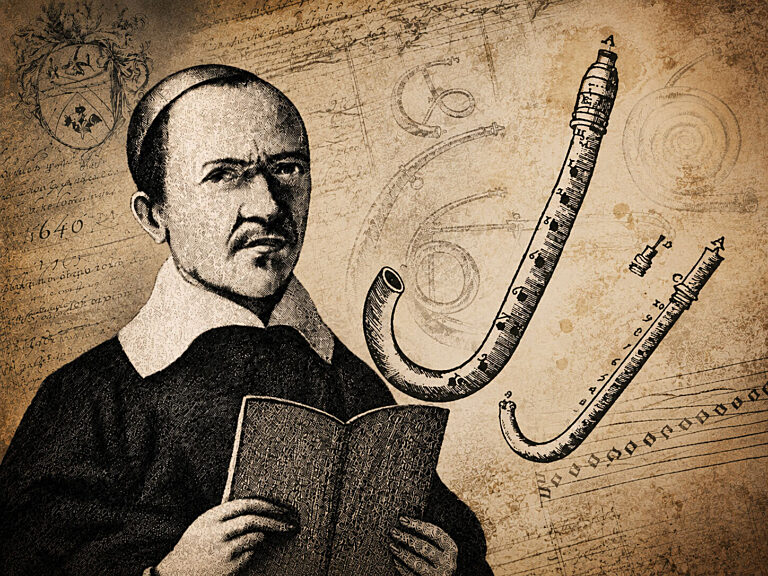
On the Crumhorn

From Pierre Trichet’s Traité des Instruments de Musique (c. 1640)

A seventeenth-century crumhorn leads from Roman lituus and alpine horns to reeds, finger holes and keys, exposing an unexpected family of curved instruments.

By Pierre Trichet

History Equipment Historical instruments
No. 85 • 1994 Awaiting digitization

The New Langwill Index

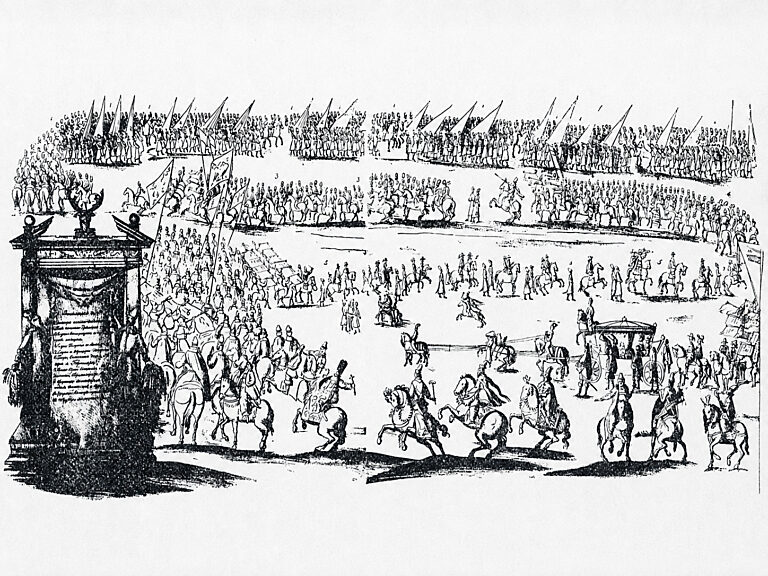
By Jean-Pierre Mathez
History
Five generations of mouthpiece specialists Member
No. 29 • 1980 Digitized

Five generations of mouthpiece specialists

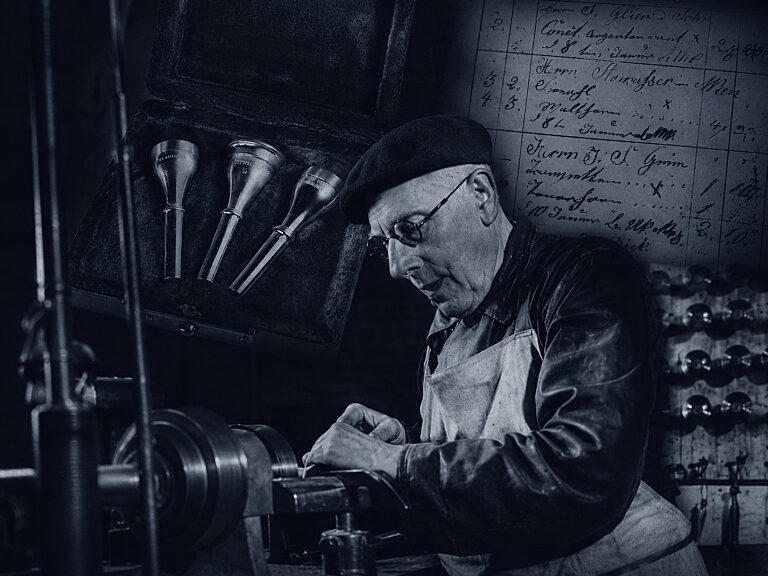
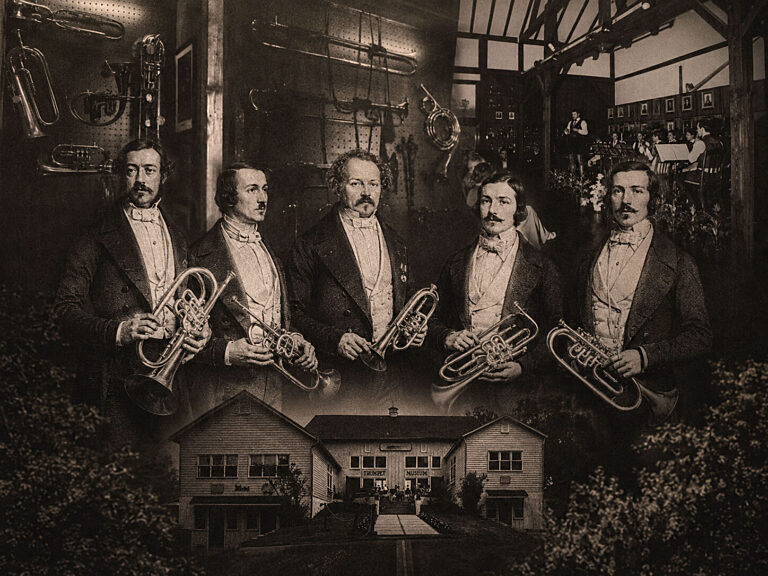
From Höchstädt to Markneukirchen and beyond, five generations of Schmidts shaped brass mouthpiece design through craft, anatomy and evolving orchestral demands.

By Werner Christoph Schmidt
History Instrument Makers Mouthpiece Instrument making
The Streitwieser Foundation Historic Trumpet Museum Free
No. 39 • 1982 Digitized

The Streitwieser Foundation Historic Trumpet Museum

A private collection built through one musician's lifelong search became an unexpected center for brass history, where every instrument carries a story beyond its display.

By Sue Scott
History Equipment Historical instruments
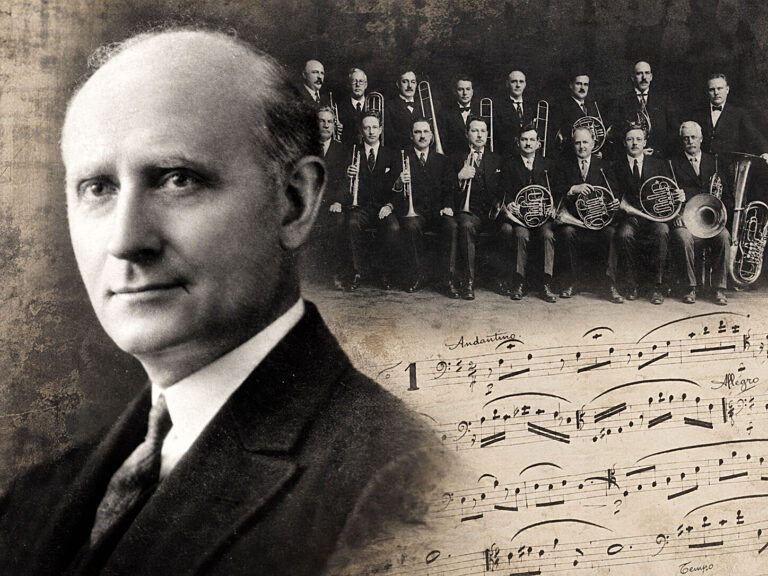
Joannès Rochut (1881-1952) Member
No. 50 • 1985 Digitized

Joannès Rochut (1881-1952)

Trombonist of the Boston symphony Orchestra

Behind a cornerstone of trombone teaching lies Rochut’s path between Paris and Boston, lost manuscripts, orchestral life and the enduring Bordogni legacy.

By David Fetter
History
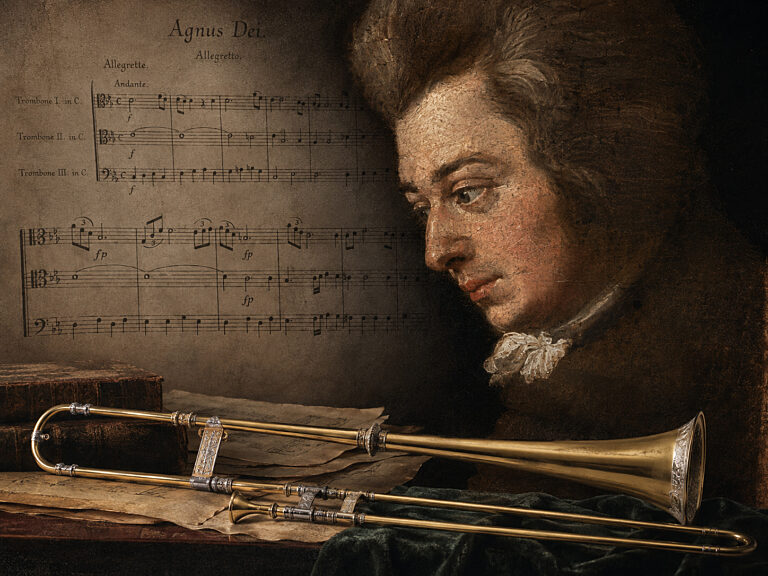
The Trombone in the Sacred Works of W. A. Mozart Free
No. 46 • 1984 Digitized

The Trombone in the Sacred Works of W. A. Mozart

In Mozart’s sacred music, the trombone moved beyond choral reinforcement to striking solo roles that preserve the sound and practice of eighteenth-century Salzburg.

By Benny Sluchin

Repertoire History Interpretation
No. 98 • 1997 Awaiting digitization

From the bombardon to the Vienna concert tuba

The Vienna tuba has been part of the "Vienna sound" and the Vienna Opera (Vienna Philharmonic) for 160 years

By Gerhard Zechmeister

History Equipment
No. 78 • 1992 Awaiting digitization

Part 2

The 18th Century Trombone

Rumors of its Death were Premature

By J. Richard Raum

History
No. 70 • 1990 Awaiting digitization

The church concert

Story of a discovery

By Johann-Michael Künne

History
No. 101 • 1998 Awaiting digitization

Brass in Britain from the earliest times

By John Humphries

History
No. 104 • 1998 Awaiting digitization

Part 1

Valencia: the natural horn

By Josep Antoni Alberola I Verdu
History
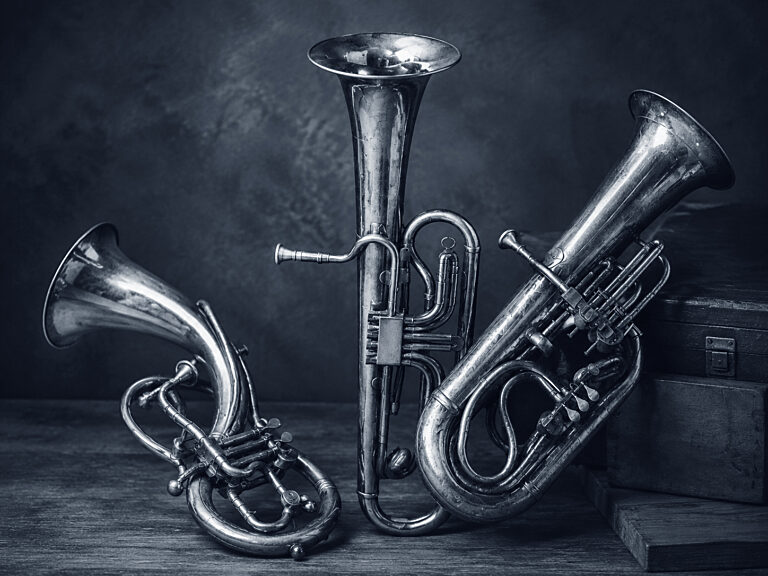
The Euphonium in America Member
No. 35 • 1981 Digitized

The Euphonium in America

A Short History

Euphonium terminology, bore sizes, and band instrumentation shifted across Europe and America, from Sax and Conn to Gilmore, Sousa, and Fennell.

By Robert Reifsnyder
History Equipment Historical instruments Instrument making Valves
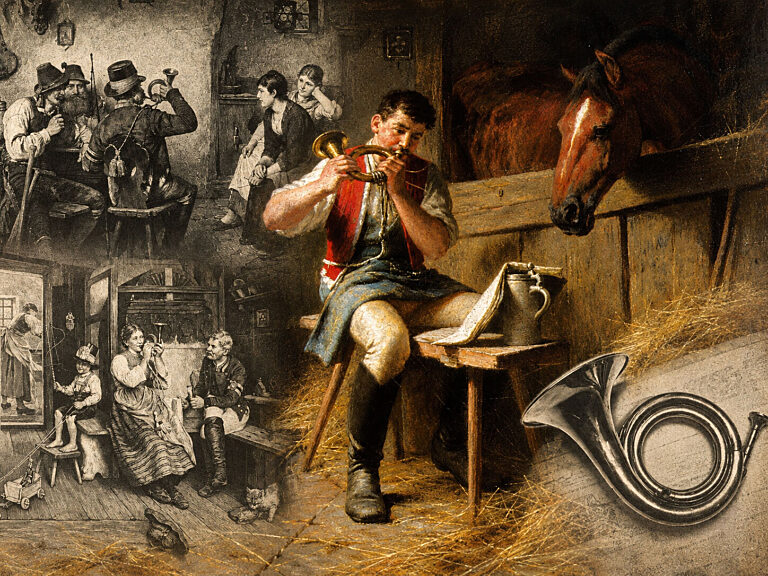
The posthorn of the 19th-century Royal Post Office in the service of folk music Member
No. 50 • 1985 Digitized

The posthorn of the 19th-century Royal Post Office in the service of folk music

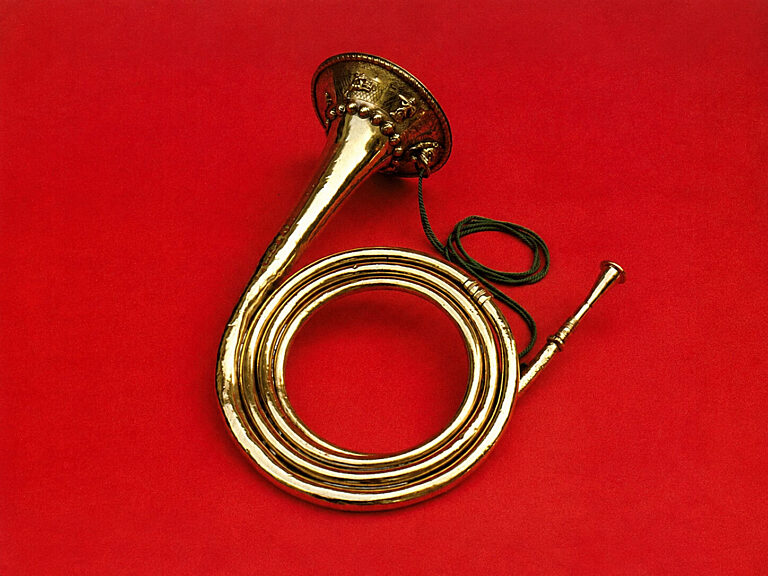
Once a tool of postal signalling, the posthorn became part of Bavaria’s popular musical life, caught between official regulation, practical invention and folk tradition.

By Albert Hiller
History Equipment Historical instruments
The Trumpet and the Cornet in Jazz and Popular Music Free
No. 42 • 1983 Digitized

Part 1

The Trumpet and the Cornet in Jazz and Popular Music

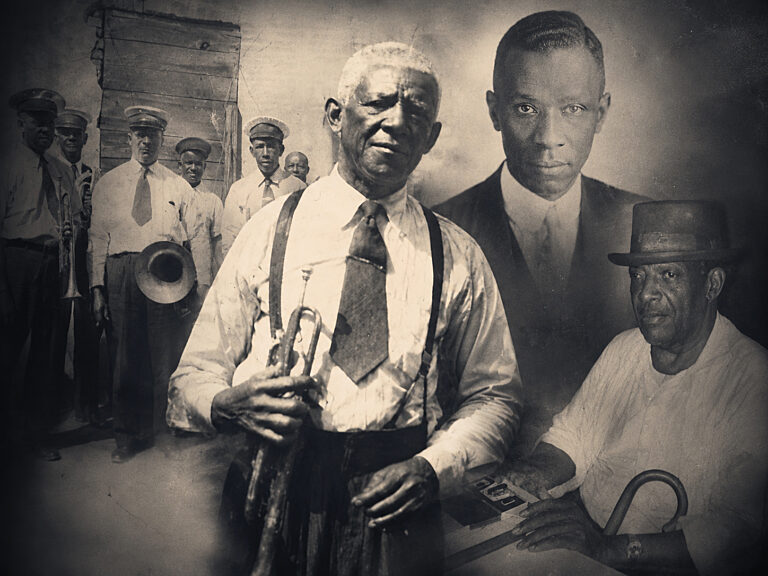
Before Louis Armstrong became the defining figure, jazz already carried competing traditions of tone, style and technique shaped by cornet players across New Orleans and beyond.

By Michel Laplace
History Repertoire Jazz Improvisation
The most beautiful instruments of the National and Military Museums Free
No. 48 • 1984 Digitized

Special Hungary

The most beautiful instruments of the National and Military Museums

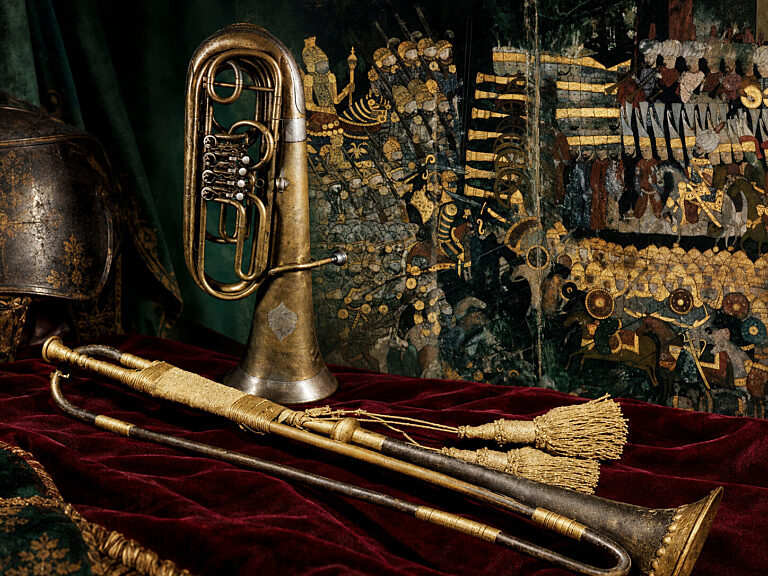
Budapest’s museum collections bring together Roman and Baroque trumpets, ceremonial instruments and military imagery, preserving sounds and symbols across centuries.

By Jean-Pierre Mathez
History Equipment Historical instruments Illustrations
The Coiled Hunting Instrument by J. W. Haas Member
No. 54 • 1986 Digitized

The Coiled Hunting Instrument by J. W. Haas

Bad Säckingen Trumpet Museum

A rare instrument made in 1688 blurs the boundary between horn and trumpet, while its maker’s mark raises an unresolved question about the Haas family.

By Edward H. Tarr

History Historical instruments
Loading…

Questions & Answers

How the Digital Edition works

What does the Digital Edition include?

The Digital Edition brings together the articles already digitized as searchable online texts—not simply as scans or PDF files—along with their original illustrations, notes, authorship, issue information, and available translations. Related-article suggestions currently include only this digitized material.

Are the digital articles identical to the originals?

We preserve the original text, language, illustrations, captions, footnotes, and editorial context as faithfully as possible. The presentation is adapted for comfortable online reading, and obvious transcription or scanning errors may be corrected. The substance and character of the published article remain unchanged.

Which languages are available?

Brass Bulletin was published in English, French, and German throughout its history. Italian and Spanish translations were added from issue No. 60 onward.

On the Italian and Spanish sites, articles from issues 1–59 are therefore shown in English by default.

How often are new articles added?

New articles are added almost daily, with approximately one complete issue digitized each week. The pace may vary depending on the preparation, image work, and editorial checking required.

Why aren’t all articles available digitally?

The complete Brass Bulletin collection contains 1,246 articles published between 1971 and 2003. The full index is already available online, allowing readers to discover every article in the collection, including those whose complete text has not yet been digitized.

Digitization began in February 2026. Each article is carefully prepared for online reading, checked, and connected to its issue, authors, subjects, and illustrations. At the current pace of digitization, the complete collection is expected to be available online by February 2028.

Why do some references mention articles that are not available yet?

References in the original articles are preserved even when the material they point to has not yet been digitized. This keeps the historical and editorial record intact. As more issues are added to the Digital Edition, an increasing number of these references will lead to articles that can be read online.

Can I suggest an article or report a transcription error?

Yes. If there is an article you would particularly like to see digitized, or if you notice a possible transcription error or missing detail, please contact us. Reader feedback helps us improve the Digital Edition and prioritize useful connections within the archive.

How can I support Brass Bulletin?

Your support helps fund the preparation, verification, and online publication of the complete collection.

Subscribe to the Digital Edition

Prefer to support us without subscribing?

Make a donation

How is the digitization progressing?

We’re gradually making the Brass Bulletin available online, article by article. You can read newly digitized articles as soon as they’re ready, even before an entire issue is complete.

Visit our Digitization Roadmap to browse recent additions and see estimated availability for upcoming issues. These estimates follow our recent pace and may change.

Search Brass Bulletin.