Explore institutional access →

Approach

91 articles available online
Editorial Free
No. 52 • 1985 Digitized

Editorial

Instrumental technique meets personal reflection as Jean-Pierre Mathez argues that artistic growth depends less on definitive answers than curiosity, exchange and individual paths.

By Jean-Pierre Mathez

Technique Mental approach Ideas
Editorial Free
No. 32 • 1980 Digitized

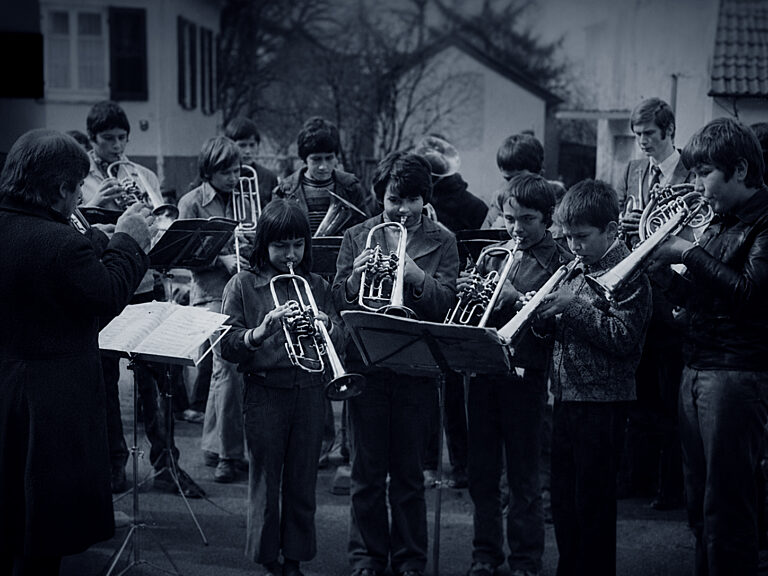
Editorial

Progress by Stages

Between technical routine and lived experience, musical growth emerges through setbacks, observation and the gradual shaping of an individual voice.

By Jean-Pierre Mathez
Teaching Health Nerves Interpretation Ideas
Working with the Posaunenchor Free
No. 34 • 1981 Digitized

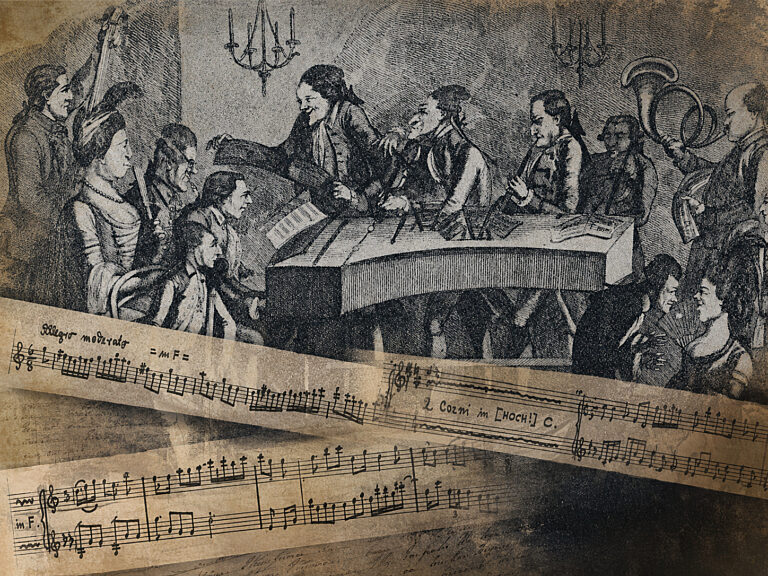
Working with the Posaunenchor

From Württemberg youth groups to mass brass gatherings in Ulm, a community tradition links faith, education and amateur brass playing across generations.

By Max Sommerhalder
Teaching Society Brass Ensemble Sociology Improvisation Band
Impossible? Member
No. 10 • 1975 Digitized

Impossible?

Kurt Janetzky challenges the notion of the “impossible” in brass playing, arguing that technical limits evolve and that demanding repertoire—past or present—should never be dismissed as unplayable.

By Kurt Janetzky
Repertoire Technique Interpretation Ideas
Editorial Free
No. 40 • 1982 Digitized

Editorial

As costs rose and ambitions grew, an editorial from 1983 captures the fragile balance between sustaining an international brass journal and preserving its vision.

By Jean-Pierre Mathez

Professional life Society Sociology Ideas
Drollery in the medieval representation of musical subjects Free
No. 9 • 1974 Digitized

Drollery in the medieval representation of musical subjects

Study of medieval drolleries in musical imagery, exploring humorous and symbolic representations of musicians and instruments in Gothic art.

By Franz Georg Von Glasenapp

History Illustrations
Loading…

Questions & Answers

How the Digital Edition works

What does the Digital Edition include?

The Digital Edition brings together the articles already digitized as searchable online texts—not simply as scans or PDF files—along with their original illustrations, notes, authorship, issue information, and available translations. Related-article suggestions currently include only this digitized material.

Are the digital articles identical to the originals?

We preserve the original text, language, illustrations, captions, footnotes, and editorial context as faithfully as possible. The presentation is adapted for comfortable online reading, and obvious transcription or scanning errors may be corrected. The substance and character of the published article remain unchanged.

Which languages are available?

Brass Bulletin was published in English, French, and German throughout its history. Italian and Spanish translations were added from issue No. 60 onward.

On the Italian and Spanish sites, articles from issues 1–59 are therefore shown in English by default.

How often are new articles added?

New articles are added almost daily, with approximately one complete issue digitized each week. The pace may vary depending on the preparation, image work, and editorial checking required.

Why aren’t all articles available digitally?

The complete Brass Bulletin collection contains 1,246 articles published between 1971 and 2003. The full index is already available online, allowing readers to discover every article in the collection, including those whose complete text has not yet been digitized.

Digitization began in February 2026. Each article is carefully prepared for online reading, checked, and connected to its issue, authors, subjects, and illustrations. At the current pace of digitization, the complete collection is expected to be available online by February 2028.

Why do some references mention articles that are not available yet?

References in the original articles are preserved even when the material they point to has not yet been digitized. This keeps the historical and editorial record intact. As more issues are added to the Digital Edition, an increasing number of these references will lead to articles that can be read online.

Can I suggest an article or report a transcription error?

Yes. If there is an article you would particularly like to see digitized, or if you notice a possible transcription error or missing detail, please contact us. Reader feedback helps us improve the Digital Edition and prioritize useful connections within the archive.

How can I support Brass Bulletin?

Your support helps fund the preparation, verification, and online publication of the complete collection.

Subscribe to the Digital Edition

Prefer to support us without subscribing?

Make a donation

How is the digitization progressing?

We’re gradually making the Brass Bulletin available online, article by article. You can read newly digitized articles as soon as they’re ready, even before an entire issue is complete.

Visit our Digitization Roadmap to browse recent additions and see estimated availability for upcoming issues. These estimates follow our recent pace and may change.

Search Brass Bulletin.