Explore institutional access Explore institutional access

3 min. read

Impossible?
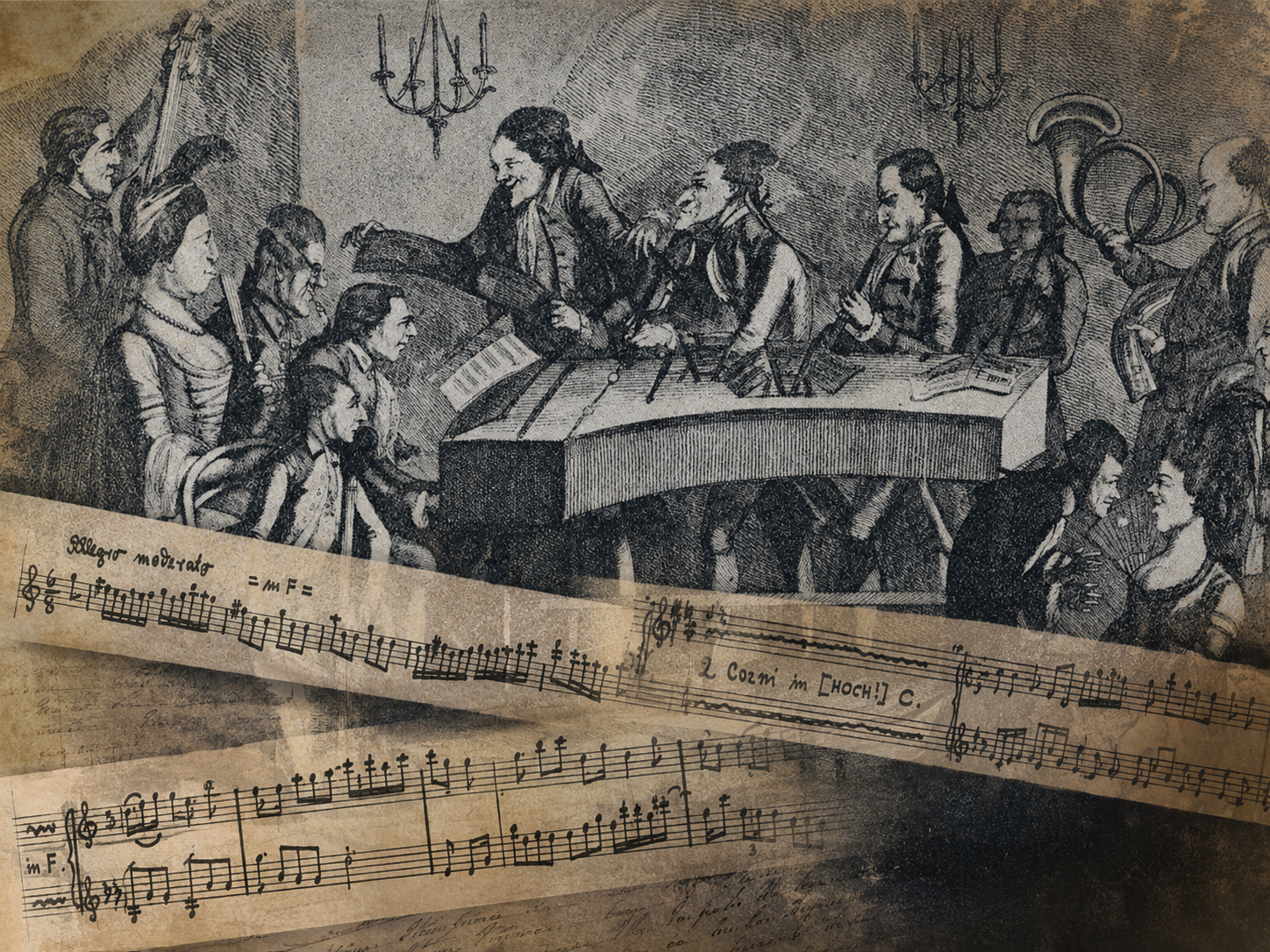
Kurt Janetzky challenges the notion of the “impossible” in brass playing, arguing that technical limits evolve and that demanding repertoire—past or present—should never be dismissed as unplayable.
Impossible?

When medieval architects and craftsmen created the exquisite figures and decorations for their cathedrals, they did so with all their skill and love, giving their very best, not asking where these works of art would be placed: in the front for everybody to admire, or in a dark corner or high up on the tower for no human eye to see. They could not know that one day, by helicopter and telephoto lens the undifferentiated beauty of all their creations would be revealed to mankind as a shining example of the highest artistical conception.

No doubt this same attitude was to be found with musicians of bygone centuries, but exemplary conscientiousness and that high sense of duty towards art and its works have become rather rare in the course of the last century. Our oldest brass players’ generation of today will certainly testify that already in their younger days these qualities were disappearing. There is f.i. a remark by Richard Strauss, made when conducting «Don Juan» in 1890, stating that «fifty notes more or less do not count really». «Only colour counts» said those who used to whisk more or less elegantly over troublesome or — in their eyes — unimportant tutti passages.

It did not seem to matter much if some brass instrument squeaked or missed, as happened to a conscientious elderly trumpeter in the «Alpensinfonie» at the dreaded «climb to the top»: Richard Strauss who conducted himself, patted the crushed veteran good-naturedly on the back, saying: «Ah well, this time we didn’t make the top!...» Yet Strauss could make quite cutting remarks as well: one day a somewhat conceited virtuoso advised Strauss to alter an «utterly impossible» passage or to explain at least how it was meant or should be played. Strauss answered: «The passage is meant as it is written. And how it should be played, my dear Herr Professor, will surely and shortly be shown to you by one of your more talented pupils. Until then you can leave out what seems impossible to you — but mind, we should never consider anything impossible. I think it should sound as I wrote it and I cannot alter anything, not even one note.»

Continue reading

Access the full Digital Edition.

Brass Bulletin 10, I / 1975 pages 35–41

All content is protected by copyright © Brass Bulletin 1975–2026

Share this article

Facebook LinkedIn
Loading…

Questions & Answers

How the Digital Edition works

What does the Digital Edition include?

The Digital Edition brings together the articles already digitized as searchable online texts—not simply as scans or PDF files—along with their original illustrations, notes, authorship, issue information, and available translations. Related-article suggestions currently include only this digitized material.

Are the digital articles identical to the originals?

We preserve the original text, language, illustrations, captions, footnotes, and editorial context as faithfully as possible. The presentation is adapted for comfortable online reading, and obvious transcription or scanning errors may be corrected. The substance and character of the published article remain unchanged.

Which languages are available?

Brass Bulletin was published in English, French, and German throughout its history. Italian and Spanish translations were added from issue No. 60 onward.

On the Italian and Spanish sites, articles from issues 1–59 are therefore shown in English by default.

How often are new articles added?

New articles are added almost daily, with approximately one complete issue digitized each week. The pace may vary depending on the preparation, image work, and editorial checking required.

Why aren’t all articles available digitally?

The complete Brass Bulletin collection contains 1,246 articles published between 1971 and 2003. The full index is already available online, allowing readers to discover every article in the collection, including those whose complete text has not yet been digitized.

Digitization began in February 2026. Each article is carefully prepared for online reading, checked, and connected to its issue, authors, subjects, and illustrations. At the current pace of digitization, the complete collection is expected to be available online by February 2028.

Why do some references mention articles that are not available yet?

References in the original articles are preserved even when the material they point to has not yet been digitized. This keeps the historical and editorial record intact. As more issues are added to the Digital Edition, an increasing number of these references will lead to articles that can be read online.

Can I suggest an article or report a transcription error?

Yes. If there is an article you would particularly like to see digitized, or if you notice a possible transcription error or missing detail, please contact us. Reader feedback helps us improve the Digital Edition and prioritize useful connections within the archive.

How can I support Brass Bulletin?

Your support helps fund the preparation, verification, and online publication of the complete collection.

Subscribe to the Digital Edition

Prefer to support us without subscribing?

Make a donation

Search Brass Bulletin.