Discoveries for brass players, once a month. Join our free newsletter →

4 min. read

This article is for subscribers.

19th Century Brass Instruments at the Shrine to Music Museum
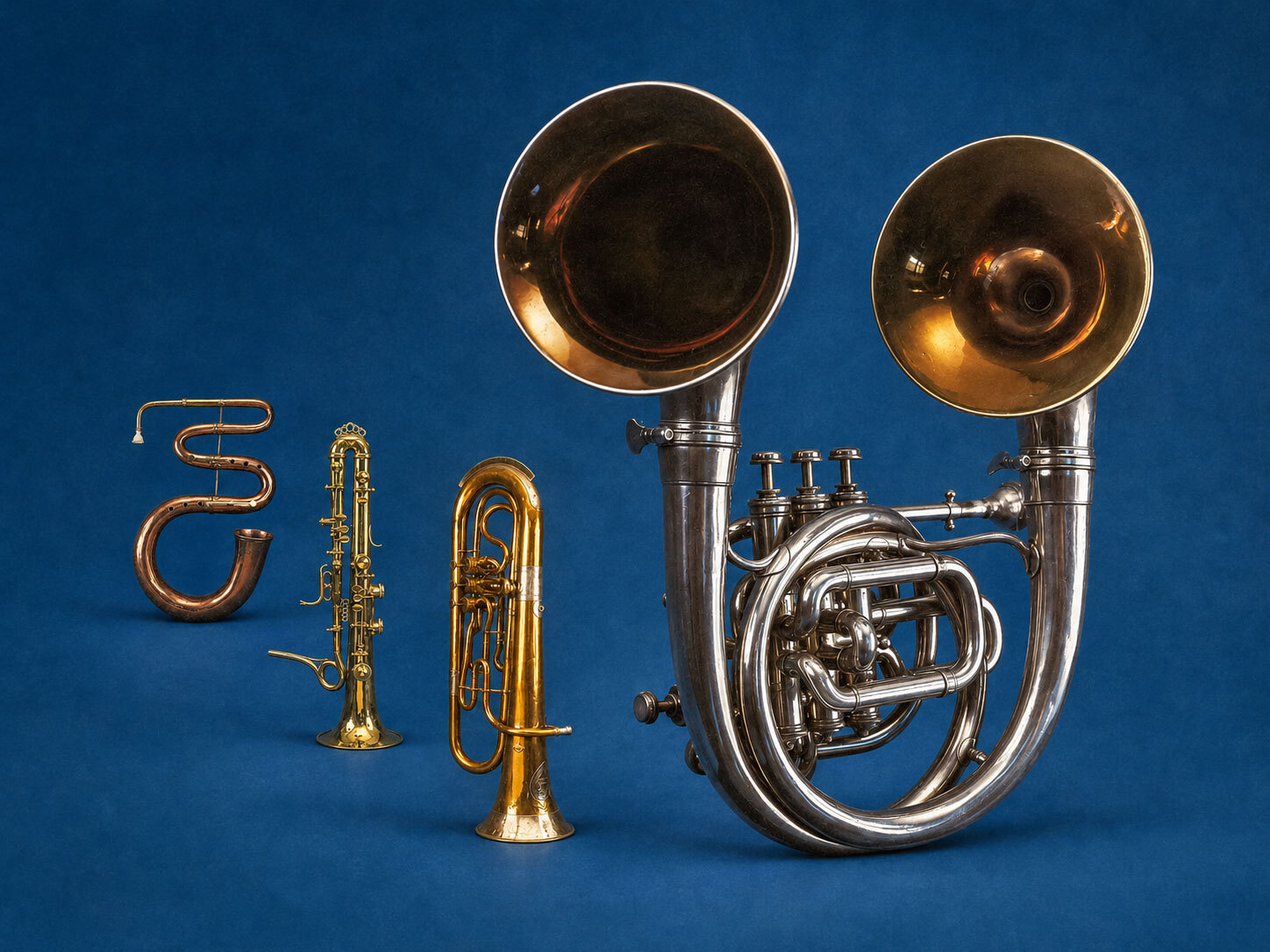
The Shrine to Music Museum’s collection of more than 1,500 nineteenth-century brass instruments includes European and American examples, from serpents to echo cornets.
19th Century Brass Instruments at the Shrine to Music Museum

The Shrine to Music Museum and its holdings of 17th- and 18th-century brass instruments were presented in a previous issue of BRASS BULLETIN. In this sequel, a representative sampling of the Museum’s collection of more than 1500 19th-century European and American brass instruments will be presented.

Color photographs by Simon Spicer, Educational Media Center, University of South Dakota, Vermillion, SD, USA. Black-and-white photographs by Gary M. Stewart, Shrine to Music Museum.

Some, but not all, of the Museum’s 19th-century brass instruments have been cataloged, studied, and published. Among the dissertations and theses previously cited are studies of the Museum’s keyed brass, trombones, baritones, euphoniums, E-flat tubas, alto horns, and British brass. Current projects include the cataloging of American cornets and trumpets as well as more than 300 instruments produced by the C. G. Conn Company of Elkhart, Indiana, from 1876 to the present.

A small group of the Museum’s brass instruments are regularly played in a unique ensemble known as The Golden Age of Bands 1860-1915 (see photo 1). It is America’s only active collegiate ensemble devoted to the authentic re-creation of instrumental music played in the United States between the years of the American Civil War and World War I. Original music and period instruments are used, including Albert system clarinets and conical bore brasses. The instruments are all built in high pitch, just less than a half step above today’s A=440.
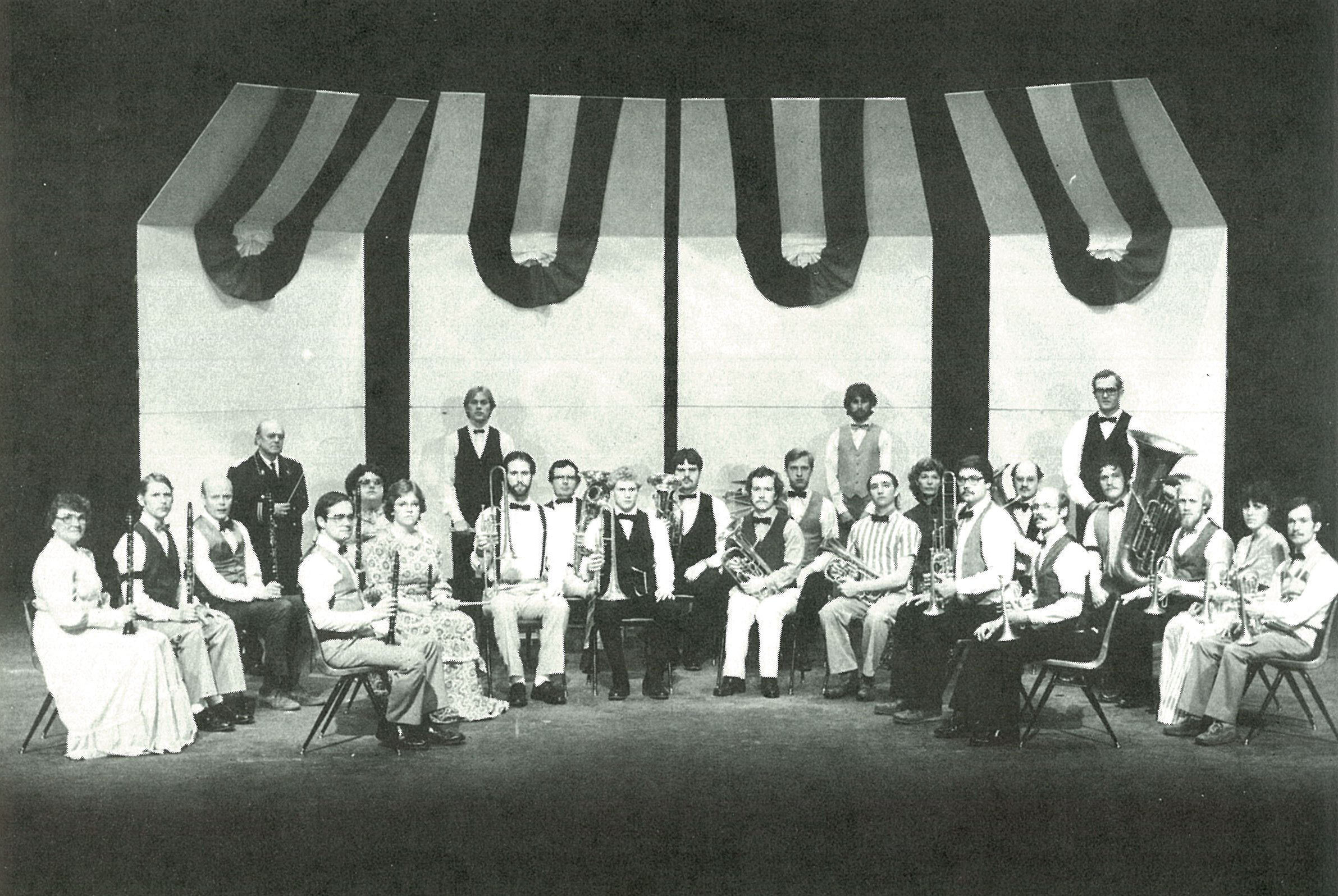
Photo 1.The Golden Age of Bands 1860-1915 at the University of South Dakota.

Photo 1.
The Golden Age of Bands 1860-1915 at the University of South Dakota.

Representative of the numerous outstanding 19th-century brass instruments at The Shrine to Music Museum are the following examples:

EUROPEAN INSTRUMENTS

Slide trumpet

No. 418. Slide trumpet by Charles Pace, London, ca. 1834-1849. Engraved on bell: CHAS. PACE/MAKER/49 King St./Westminster. Bell garland and portions of tubing decorated in relief with leaves, acorns, roses, clover, military flags and associated paraphernalia, as well as musical instruments such as military brasses, clarinets, and a schellenbaum. Original, fitted case veneered with birdseye maple. Four crooks, two shanks, and mouthpiece. Overall length 58 cm. Bell diameter 11 cm. Charles Pace worked at 49 King Street from 1834-1849 (photo 2).
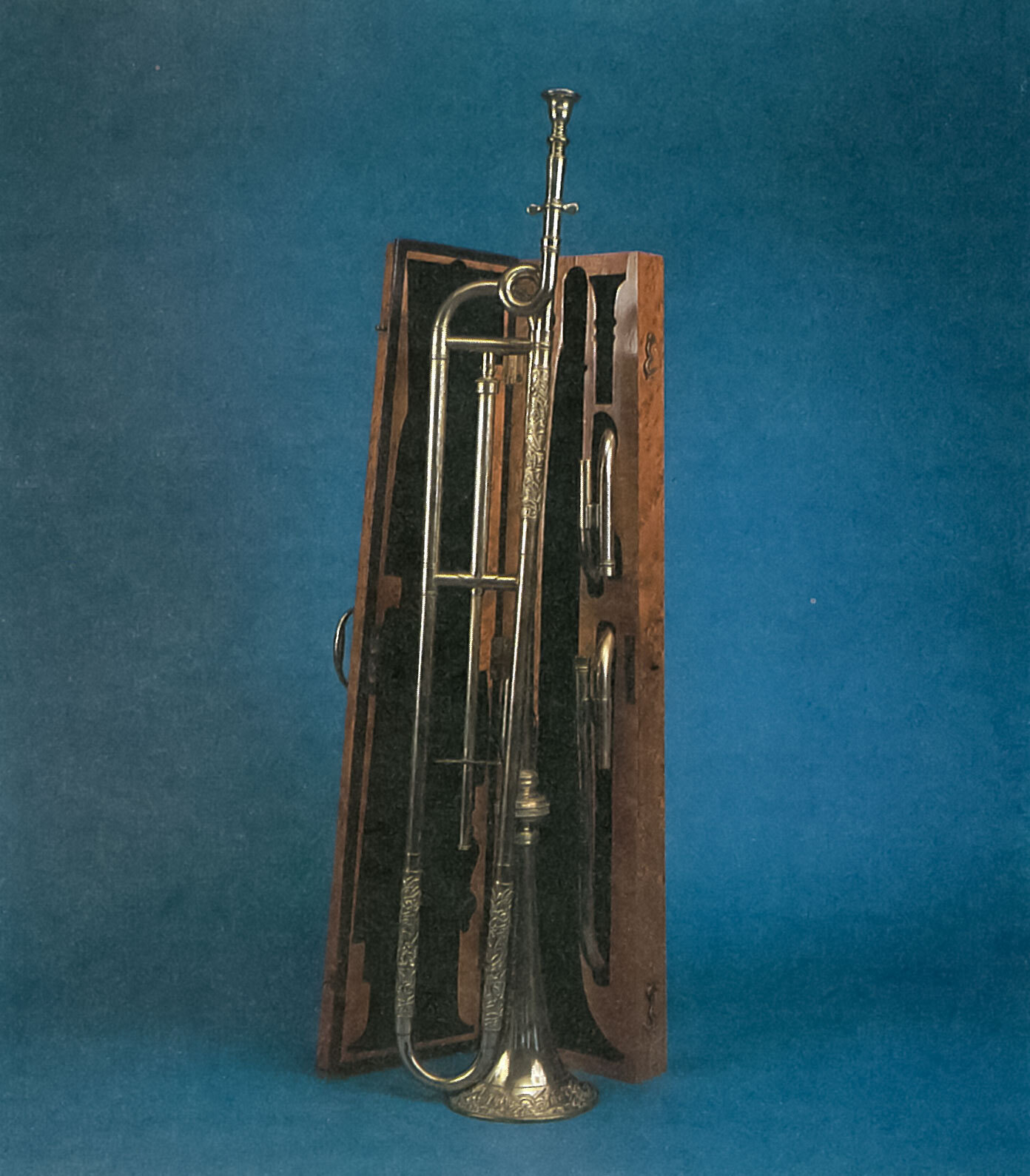
Photo 2.No. 418. Slide trumpet by Charles Pace, London, ca. 1834-1849.

Photo 2.
No. 418. Slide trumpet by Charles Pace, London, ca. 1834-1849.

Keyed brass

No. 2677. Serpent, unsigned, England, ca. 1825-1830. Copper body in four sections, with brass trim. Four flat brass keys. Finger holes bushed with brass. Offset bell. Height of body 71,5 cm. Bell diameter 11,2 cm. Few copper serpents, which were designed for outdoor use by the military, survive. Bibliography: Gary M. Stewart, “Keyed Brass Instruments in the Arne B. Larson Collection”, The Shrine to Music Museum Catalog of the Collections, Vol. I, André P. Larson, ed. (Vermillion, SD: The Shrine to Music Museum Foundation, 1980), p. 7 (photo 3).
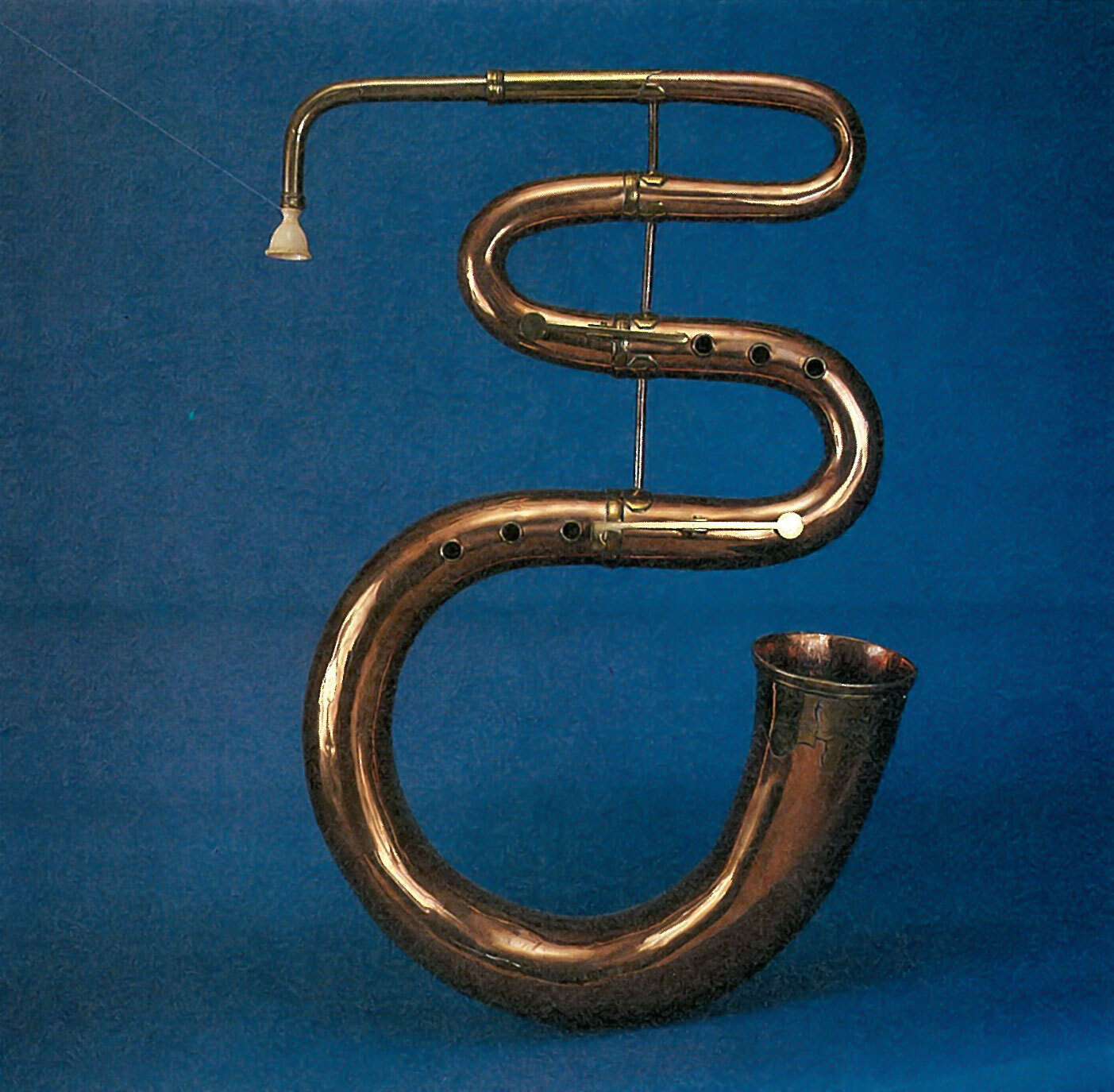
Photo 3.No. 2677. Serpent, unsigned, England, ca. 1825-1830.

Photo 3.
No. 2677. Serpent, unsigned, England, ca. 1825-1830.

No. 2889. Upright serpent (Russian bassoon) by François Sautermeister & Louis Müller, Lyons, France, ca. 1830-1840. Stamped on all joints: Vᵉ Sautermeister/&/Muller/a Lyon. Painted, dragon-head bell. Maple with brass trim. Three brass keys and original ivory mouthpiece. Overall height 98,3 cm. Müller, Sautermeister’s nephew, continued the business after his uncle’s death in 1830 (photo 4).

This article is for subscribers.

CHF 5.00 per month · Cancel auto-renewal anytime.

Enjoy unlimited access to all digitized Brass Bulletin articles.

Brass Bulletin 61, I / 1988 pages 50–59

All content is protected by copyright © Brass Bulletin 1988–2026

Share this article

Facebook LinkedIn
Loading…

Questions & Answers

How the Digital Edition works

What does the Digital Edition include?

The Digital Edition brings together the articles already digitized as searchable online texts—not simply as scans or PDF files—along with their original illustrations, notes, authorship, issue information, and available translations. Related-article suggestions currently include only this digitized material.

Are the digital articles identical to the originals?

We preserve the original text, language, illustrations, captions, footnotes, and editorial context as faithfully as possible. The presentation is adapted for comfortable online reading, and obvious transcription or scanning errors may be corrected. The substance and character of the published article remain unchanged.

Which languages are available?

Brass Bulletin was published in English, French, and German throughout its history. Italian and Spanish translations were added from issue No. 60 onward.

On the Italian and Spanish sites, articles from issues 1–59 are therefore shown in English by default.

How often are new articles added?

New articles are added almost daily, with approximately one complete issue digitized each week. The pace may vary depending on the preparation, image work, and editorial checking required.

Why aren’t all articles available digitally?

The complete Brass Bulletin collection contains 1,246 articles published between 1971 and 2003. The full index is already available online, allowing readers to discover every article in the collection, including those whose complete text has not yet been digitized.

Digitization began in February 2026. Each article is carefully prepared for online reading, checked, and connected to its issue, authors, subjects, and illustrations. At the current pace of digitization, the complete collection is expected to be available online by February 2028.

Why do some references mention articles that are not available yet?

References in the original articles are preserved even when the material they point to has not yet been digitized. This keeps the historical and editorial record intact. As more issues are added to the Digital Edition, an increasing number of these references will lead to articles that can be read online.

Can I suggest an article or report a transcription error?

Yes. If there is an article you would particularly like to see digitized, or if you notice a possible transcription error or missing detail, please contact us. Reader feedback helps us improve the Digital Edition and prioritize useful connections within the archive.

How can I support Brass Bulletin?

Your support helps fund the preparation, verification, and online publication of the complete collection.

Subscribe to the Digital Edition

Prefer to support us without subscribing?

Make a donation

How is the digitization progressing?

We’re gradually making the Brass Bulletin available online, article by article. You can read newly digitized articles as soon as they’re ready, even before an entire issue is complete.

Visit our Digitization Roadmap to browse recent additions and see estimated availability for upcoming issues. These estimates follow our recent pace and may change.

Search Brass Bulletin.