
Explore institutional access →

Research

9 articles

Points and areas of corrosion in brass instruments Member
No. 54 • 1986 Digitized

Points and areas of corrosion in brass instruments

Red spots on brass instruments were often blamed on players and poor maintenance, yet the causes of premature corrosion may lie in manufacturing and surface treatments.

By Karl Hachenberg
Equipment Research Instrument making
The Trumpets in the Hungarian National Museum in Budapest Free
No. 48 • 1984 Digitized

Special Hungary

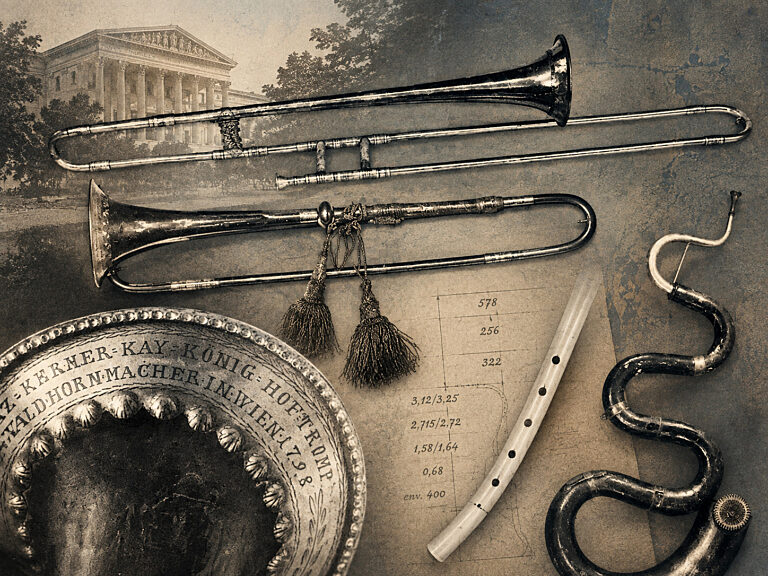
The Trumpets in the Hungarian National Museum in Budapest

Four little-known trumpets in Budapest open a window onto Viennese makers, historical construction, pitch and the fragile survival of museum instruments.

By Leo Kappel

Equipment Research Historical instruments Instrument making
Oscillatory Mechanism of the Glotis in Horn Playing Member
No. 41 • 1983 Digitized

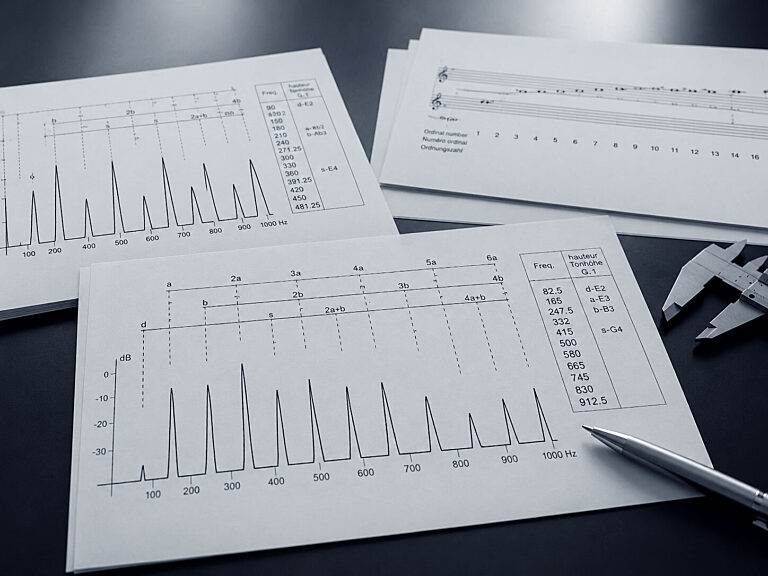
Oscillatory Mechanism of the Glotis in Horn Playing

A horn note may begin before it is heard, as subtle vocal-fold oscillations appear to prepare the airflow that the lips will ultimately shape.

By Philippe-Henri Dejonker, Francis Orval, R. Miller, R. Sneppe
Technique Research Breathing Articulation Sound
Playing and singing simultaneously on brass instruments Member
No. 37 • 1982 Digitized

Part 3

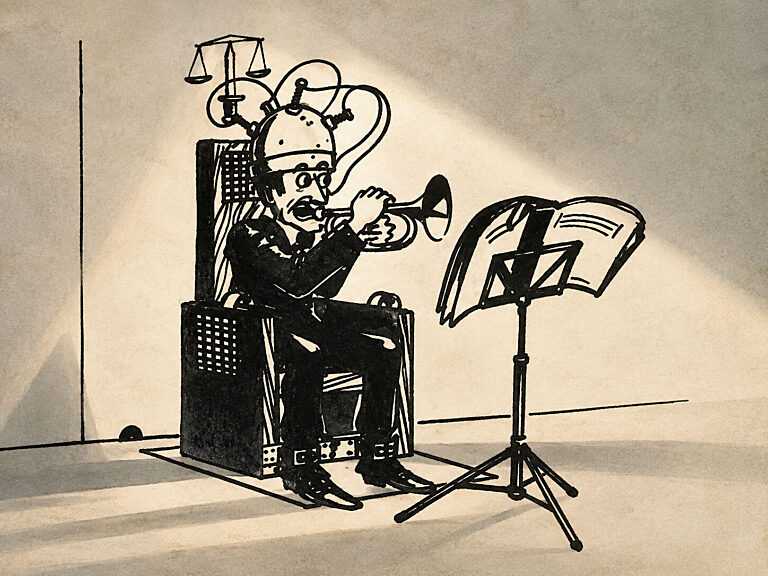
Playing and singing simultaneously on brass instruments

From Weber's Concertino to Berlioz's chord writing, acoustic principles explain how combination tones emerge from simultaneous playing and singing on brass.

By Benny Sluchin
Research Acoustics Sound Intonation Contemporary Music
Some ways of improving the development of the lips in brass players Member
No. 48 • 1984 Digitized

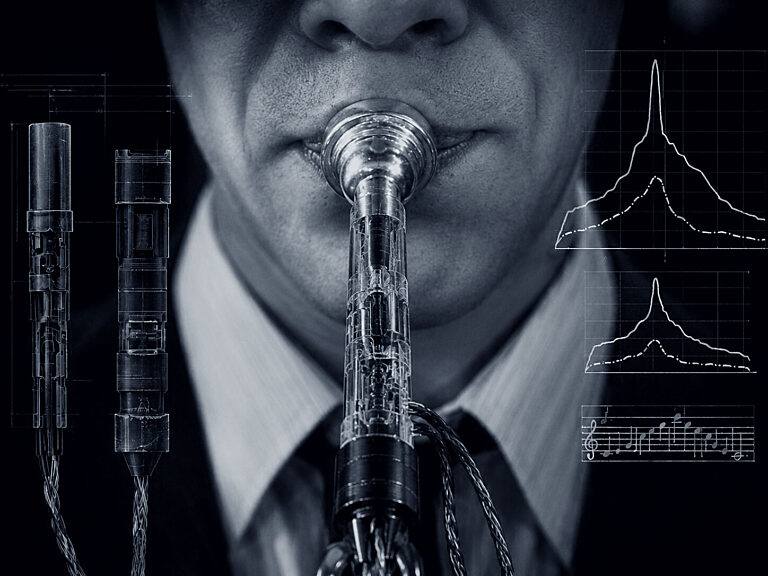
Some ways of improving the development of the lips in brass players

Brass players borrow from sports medicine as Soviet electrical stimulation, acupuncture and massage test new ways to build endurance and restore overworked lips.

By Sergej Gorovoj
Technique Health Research Lips Endurance
The Measurement of Mouthpiece Pressure Member
No. 37 • 1982 Digitized

The Measurement of Mouthpiece Pressure

Objective measurements on trumpet players challenge common beliefs about mouthpiece pressure, showing stable individual patterns across pitch, dynamics and playing level.

By P. Kenny, John Davies
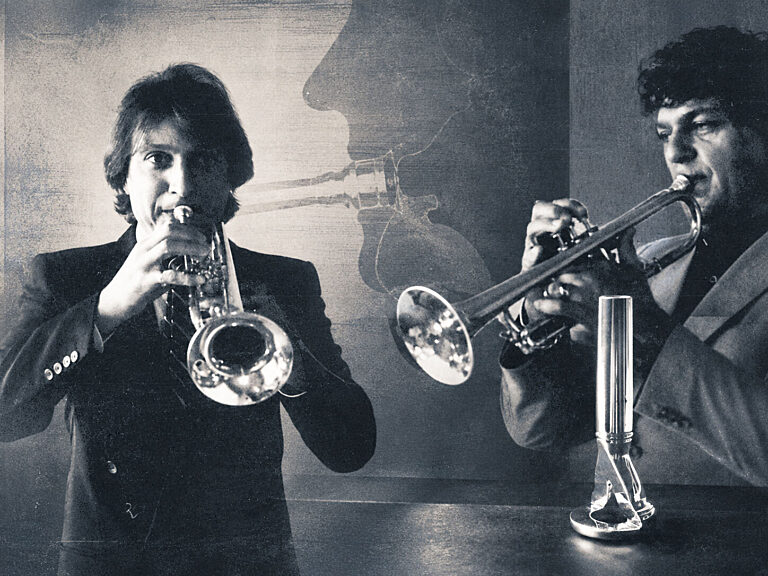
Technique Research Mouthpiece Lips Range
Science in the service of music Member
No. 47 • 1984 Digitized

Science in the service of music

Interview with René Périnelli

Where trumpet teaching once relied on intuition, René Périnelli and Jean-Jacques Greffin brought physiology, medical imaging and science into daily practice.

By Jean-Pierre Mathez
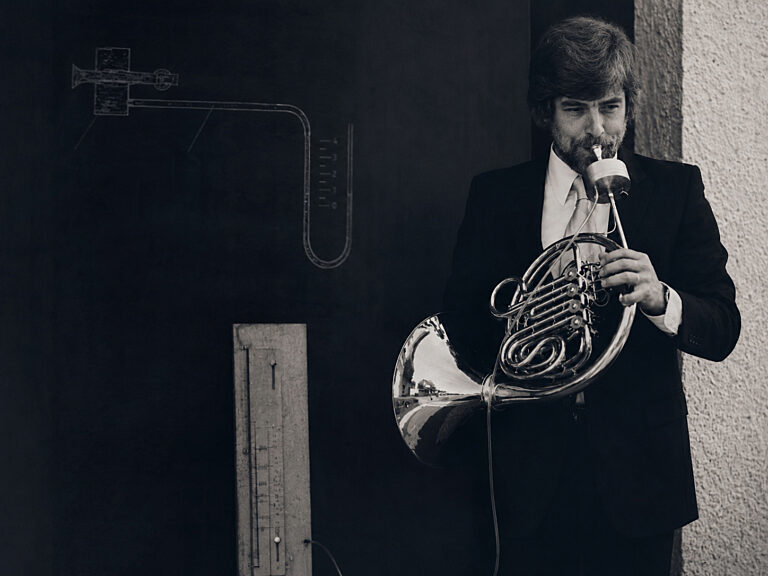
Teaching Research Breathing Tongue Mouthpiece
Mouthpiece pressure in Horn Playing Member
No. 40 • 1982 Digitized

Mouthpiece pressure in Horn Playing

Graduation project in technical method

Long before sensors entered the practice room, one horn student measured embouchure pressure by hand, challenging assumptions that still shape brass pedagogy.

By Edgar Bürger
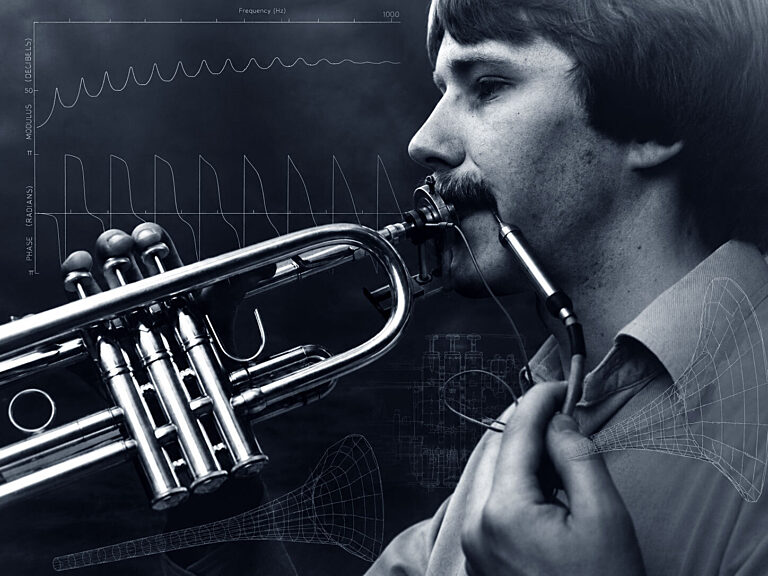
Technique Research Mouthpiece Range Endurance
Brass instrument research at Surrey University Member
No. 36 • 1981 Digitized

Brass instrument research at Surrey University

Acoustics, materials, bore design, and player perception meet in Surrey research linking laboratory measurements with the realities of brass performance.

By John Goodwin

Acoustics Research Instrument making Intonation Sound
Loading…

Questions & Answers

How the Digital Edition works

What does the Digital Edition include?

The Digital Edition brings together the articles already digitized as searchable online texts—not simply as scans or PDF files—along with their original illustrations, notes, authorship, issue information, and available translations. Related-article suggestions currently include only this digitized material.

Are the digital articles identical to the originals?

We preserve the original text, language, illustrations, captions, footnotes, and editorial context as faithfully as possible. The presentation is adapted for comfortable online reading, and obvious transcription or scanning errors may be corrected. The substance and character of the published article remain unchanged.

Which languages are available?

Brass Bulletin was published in English, French, and German throughout its history. Italian and Spanish translations were added from issue No. 60 onward.

On the Italian and Spanish sites, articles from issues 1–59 are therefore shown in English by default.

How often are new articles added?

New articles are added almost daily, with approximately one complete issue digitized each week. The pace may vary depending on the preparation, image work, and editorial checking required.

Why aren’t all articles available digitally?

The complete Brass Bulletin collection contains 1,246 articles published between 1971 and 2003. The full index is already available online, allowing readers to discover every article in the collection, including those whose complete text has not yet been digitized.

Digitization began in February 2026. Each article is carefully prepared for online reading, checked, and connected to its issue, authors, subjects, and illustrations. At the current pace of digitization, the complete collection is expected to be available online by February 2028.

Why do some references mention articles that are not available yet?

References in the original articles are preserved even when the material they point to has not yet been digitized. This keeps the historical and editorial record intact. As more issues are added to the Digital Edition, an increasing number of these references will lead to articles that can be read online.

Can I suggest an article or report a transcription error?

Yes. If there is an article you would particularly like to see digitized, or if you notice a possible transcription error or missing detail, please contact us. Reader feedback helps us improve the Digital Edition and prioritize useful connections within the archive.

How can I support Brass Bulletin?

Your support helps fund the preparation, verification, and online publication of the complete collection.

Subscribe to the Digital Edition

Prefer to support us without subscribing?

Make a donation

How is the digitization progressing?

We’re gradually making the Brass Bulletin available online, article by article. You can read newly digitized articles as soon as they’re ready, even before an entire issue is complete.

Visit our Digitization Roadmap to browse recent additions and see estimated availability for upcoming issues. These estimates follow our recent pace and may change.

Search Brass Bulletin.