Discoveries for brass players, once a month. Join our free newsletter →

Trombone

All articles related to Trombone

No. 86 • 1994 Awaiting digitization

Making mute handling easier

By Benny Sluchin

Technique Equipment
No. 112 • 2000 Awaiting digitization

Michel Becquet

Born to be a musician, born to play trombone

By Jean-Pierre Mathez
Encounters
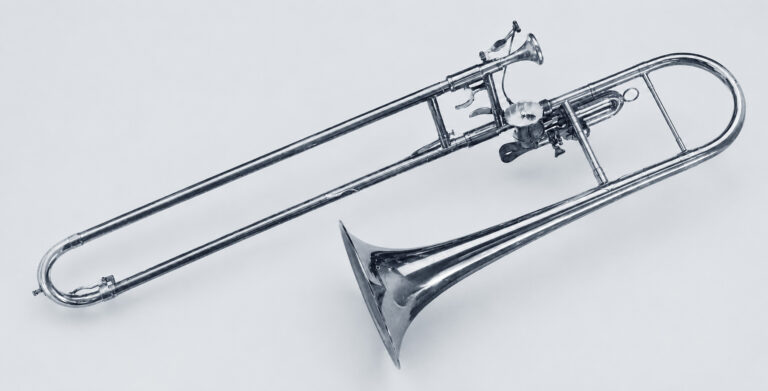
Alto Trombone - New Modell Free
No. 40 • 1982 Digitized

Alto Trombone - New Modell

A forgotten solution to Baroque virtuosity meets modern orchestral demands, where historical ideals and practical performance no longer follow the same path.

By Heinrich Thein, Max Thein
Instrument Makers Equipment
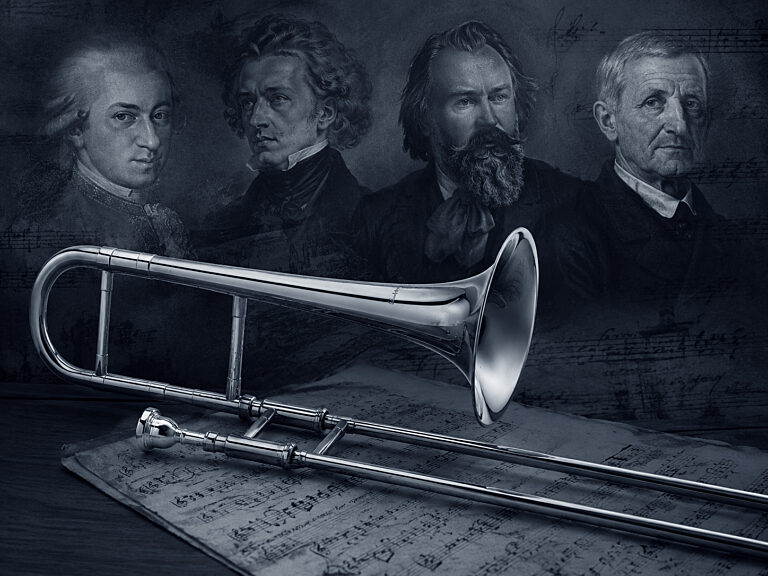
The alto trombone and contemporary concepts of trombone timbre
No. 28 • 1979 Digitized

The alto trombone and contemporary concepts of trombone timbre

Alto trombone timbre from Vienna to Brahms, orchestral balance, period practice, and why bright brass sounds gradually disappeared.

By William E. Runyan
Repertoire Equipment Historical instruments Sound Interpretation
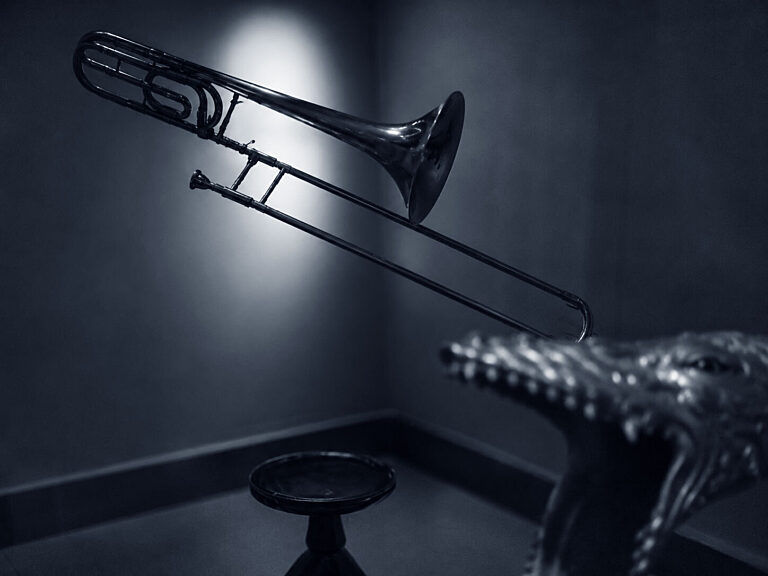
Thoughts on the Bass Trombone Free
No. 39 • 1982 Digitized

Thoughts on the Bass Trombone

Long before modern standards took hold, bass trombones existed in many forms, raising questions that still shape orchestral writing and performance today.

By Jean Gotthold

Technique Equipment Valves Mouthpiece Orchestral playing
No. 117 • 2002 Awaiting digitization

Accidents and good luck-ingredients for a happy career

An autobiographical narrative by trombonist David Purser of England

By David Purser

Encounters
No. 111 • 2000 Awaiting digitization

Enrique Crespo - seducer and musician in one

By Jean-Pierre Mathez

Encounters
No. 75 • 1991 Awaiting digitization

Sigismund Neukomm (1778-1858) and the trombone

By Raymond Lapie

Repertoire
Free
No. 21 • 1978 Digitized

Emory Brace Remington

A Profile

“The trombone must sing.” Ralph Sauer profiles Emory Remington—legendary teacher whose vocal approach shaped generations and redefined brass pedagogy.

By Ralf Sauer

Teaching Encounters Sound American school Articulation
The trombone in Jazz and Popular Music
No. 52 • 1985 Digitized

Part 3

The trombone in Jazz and Popular Music

Pluralism of expression since 1945

Bebop, cool jazz, free jazz and neo-classicism transformed the trombone after 1945, as new players, techniques and instruments pushed its boundaries.

By Michel Laplace

History Technique Jazz
No. 64 • 1988 Awaiting digitization

Geneva 1988 - Trombone Competition

Prizes: 1st Jonas Bylund, 2nd Steven Witser, 3rd Joël Vaïsse

By Jean-Pierre Mathez

Report Competition
No. 106 • 1999 Awaiting digitization

Slokar Quartet ... since 25 years

By Jean-Pierre Mathez

Encounters
No. 70 • 1990 Awaiting digitization

André Lafosse (1890-1975)

Master of Trombone

By Jean Douay

Encounters
No. 74 • 1991 Awaiting digitization

Part 3

The Alto trombone

In the 18th Century Sacred Chamber Music from the Abbeys of Göttweig and Melk, Austria

By J. Richard Raum

History Repertoire
The trombone: changing times, changing slide positions
No. 11 • 1975 Digitized

The trombone: changing times, changing slide positions

Did trombonists always use seven positions? Heinrich Huber reveals how history, theory and early music reshaped the slide.

By Heinrich Huber

Technique History Historical instruments Intonation
No. 120 • 2002 Awaiting digitization

Part 2

The solo trombone of the bohemian baroque

By Ken Shifrin

History
No. 98 • 1997 Awaiting digitization

Interview with Harold Nash

A half century with the trombone on the British music scene

By Simon Hogg

Encounters
No. 119 • 2002 Awaiting digitization

International Competition for Trombone Branimir Slokar

2002, Grenchen (Switzerland)

By Jeremy Mathez
Competition
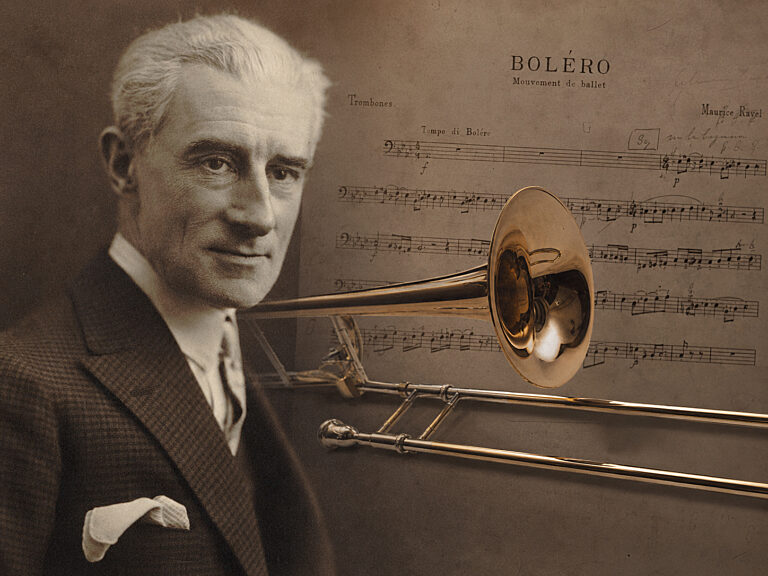
The trombone in Maurice Ravel's Boléro Free
No. 19 • 1977 Digitized

Part 2

The trombone in Maurice Ravel's Boléro

Boléro as ordeal: Jean Douay reveals stage fright, pressure, and the weight of the final solo—where one moment can elevate or undermine the entire orchestra.

By Jean Douay

Repertoire Orchestral playing Interpretation
No. 62 • 1988 Awaiting digitization

Tokyo Trombone Quartet

By Kenji Tamiya

Encounters
No. 79 • 1992 Awaiting digitization

Trombone Quartets

By Benny Sluchin

Report Repertoire
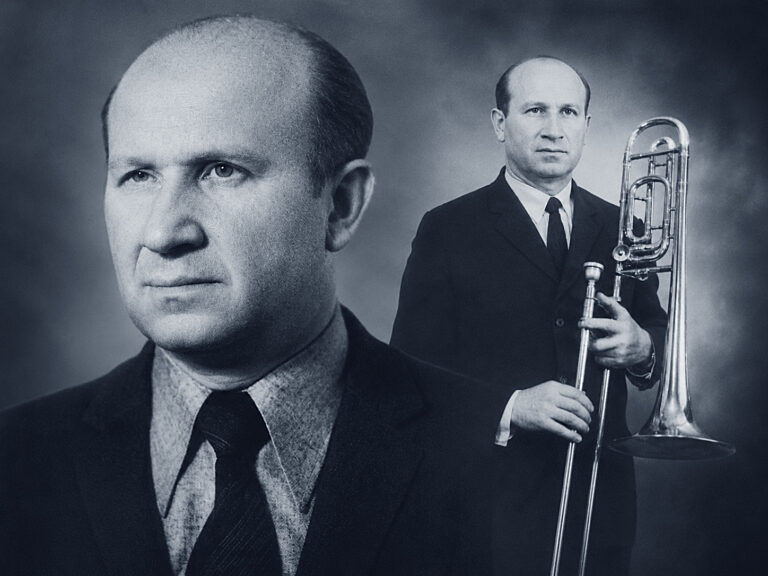
Viktor Venglowski Free
No. 34 • 1981 Digitized

Viktor Venglowski

Musician and Teacher

From the Leningrad Philharmonic to the Conservatoire, one trombonist shaped repertoire, ensembles and generations of players across the Soviet Union.

By Sergej Gorovoj

Encounters Teaching Russian school Orchestral playing Brass Ensemble
Lip vibration characteristics
No. 7 • 1974 Digitized

Lip vibration characteristics

of the trombone embouchure in performance

Study of lip vibration in trombone performance, analyzing embouchure behavior and its impact on sound production and control.

By Leno Lloyd
Technique Teaching Sound Range
Interview with Miles Anderson Free
No. 26 • 1979 Digitized

Interview with Miles Anderson

Jean-Pierre Mathez traces Miles Anderson’s path from early training to orchestral and freelance work, expanding on the tension between livelihood and artistic pursuit.

By Jean-Pierre Mathez

Encounters Professional life Freelance Solo playing Contemporary Music
Loading…

Questions & Answers

How the Digital Edition works

What does the Digital Edition include?

The Digital Edition brings together the articles already digitized as searchable online texts—not simply as scans or PDF files—along with their original illustrations, notes, authorship, issue information, and available translations. Related-article suggestions currently include only this digitized material.

Are the digital articles identical to the originals?

We preserve the original text, language, illustrations, captions, footnotes, and editorial context as faithfully as possible. The presentation is adapted for comfortable online reading, and obvious transcription or scanning errors may be corrected. The substance and character of the published article remain unchanged.

Which languages are available?

Brass Bulletin was published in English, French, and German throughout its history. Italian and Spanish translations were added from issue No. 60 onward.

On the Italian and Spanish sites, articles from issues 1–59 are therefore shown in English by default.

How often are new articles added?

New articles are added almost daily, with approximately one complete issue digitized each week. The pace may vary depending on the preparation, image work, and editorial checking required.

Why aren’t all articles available digitally?

The complete Brass Bulletin collection contains 1,246 articles published between 1971 and 2003. The full index is already available online, allowing readers to discover every article in the collection, including those whose complete text has not yet been digitized.

Digitization began in February 2026. Each article is carefully prepared for online reading, checked, and connected to its issue, authors, subjects, and illustrations. At the current pace of digitization, the complete collection is expected to be available online by February 2028.

Why do some references mention articles that are not available yet?

References in the original articles are preserved even when the material they point to has not yet been digitized. This keeps the historical and editorial record intact. As more issues are added to the Digital Edition, an increasing number of these references will lead to articles that can be read online.

Can I suggest an article or report a transcription error?

Yes. If there is an article you would particularly like to see digitized, or if you notice a possible transcription error or missing detail, please contact us. Reader feedback helps us improve the Digital Edition and prioritize useful connections within the archive.

How can I support Brass Bulletin?

Your support helps fund the preparation, verification, and online publication of the complete collection.

Subscribe to the Digital Edition

Prefer to support us without subscribing?

Make a donation

How is the digitization progressing?

We’re gradually making the Brass Bulletin available online, article by article. You can read newly digitized articles as soon as they’re ready, even before an entire issue is complete.

Visit our Digitization Roadmap to browse recent additions and see estimated availability for upcoming issues. These estimates follow our recent pace and may change.

Search Brass Bulletin.