Discoveries for brass players, once a month. Join our free newsletter →

Trombone

All articles related to Trombone

No. 119 • 2002 Awaiting digitization

Part 1

The solo trombone of the bohemian baroque

By Ken Shifrin

History
No. 91 • 1995 Awaiting digitization

Branimir Slokar, development of a new trombone

By Jean-Pierre Mathez

Encounters Equipment
Low register development for the trombone
No. 13 • 1976 Digitized

Low register development for the trombone

Should you really drop the jaw for low notes? James Fulkerson challenges this idea and proposes a more stable approach to extend the low register.

By James Fulkerson
Technique Range Sound
The trombone in Maurice Ravel's Bolero
No. 13 • 1976 Digitized

Part 1

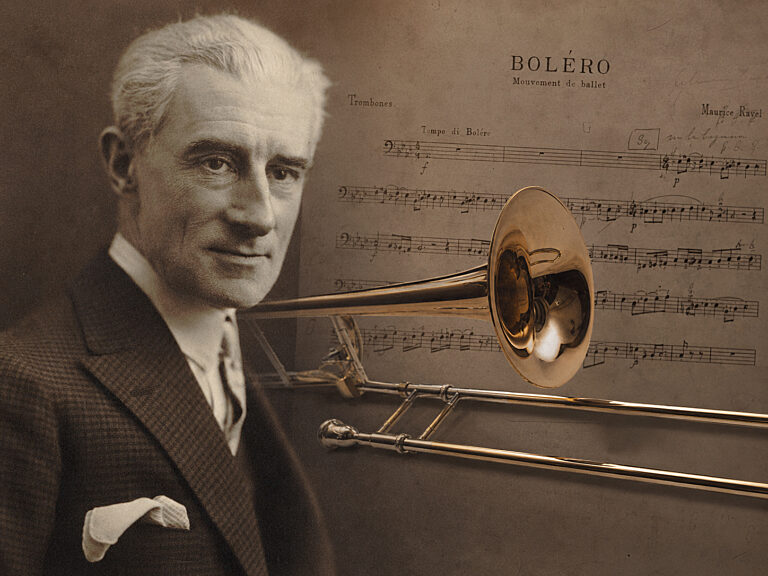
The trombone in Maurice Ravel's Bolero

How should Boléro’s trombone solo be played? After 100 performances, Jean Douay challenges conventions and argues for a more supple, controlled approach.

By Jean Douay

Repertoire Technique Interpretation Orchestral playing
No. 66 • 1989 Awaiting digitization

In search of a new trombone

By Branimir Slokar

Equipment
Free
No. 7 • 1974 Digitized

International Competition of Geneva CIEM 1973

Trombone

Report on the 1973 Geneva International Competition (CIEM) for trombone, covering performances, participants and artistic standards.

By Roland Schnorhk
Competition Report
The trombone in Jazz and Popular Music
No. 51 • 1985 Digitized

Part 2

The trombone in Jazz and Popular Music

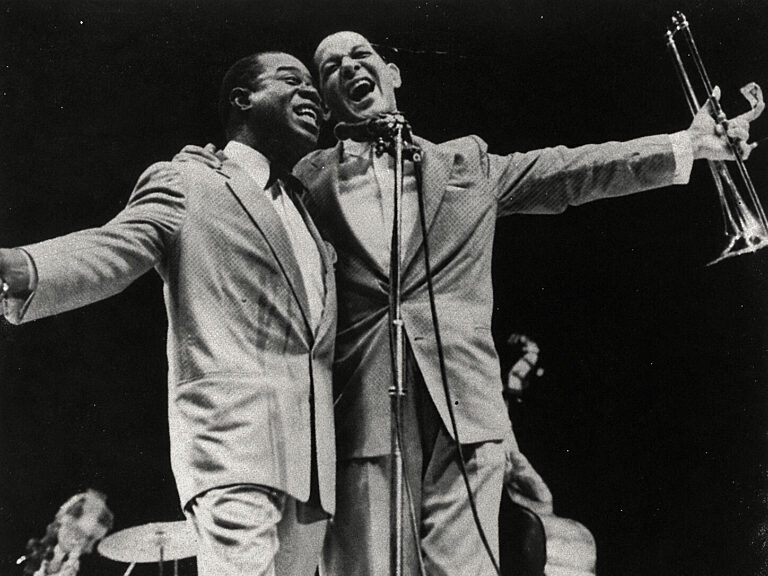
The classical Armstrong period (1927-1945)

Jazz trombone changed rapidly between 1927 and 1945, as Armstrong’s influence, big-band playing and new techniques transformed both its language and sound.

By Michel Laplace

History Jazz
No. 115 • 2001 Awaiting digitization

An historical perspective of the alto trombone

By Saeki Shigeki

History
No. 99 • 1997 Awaiting digitization

Schubertian Trombones

By J. Richard Raum

History
No. 121 • 2003 Awaiting digitization

Part 3

The Moravian brotherhood trombone choirs: neither Moravian nor choirs

By Ken Shifrin

History
No. 92 • 1995 Awaiting digitization

Munich 1995

International ARD Trombone Competition

By Jean-Pierre Mathez
Competition
Akim Alexeyevich Kozlov
No. 40 • 1982 Digitized

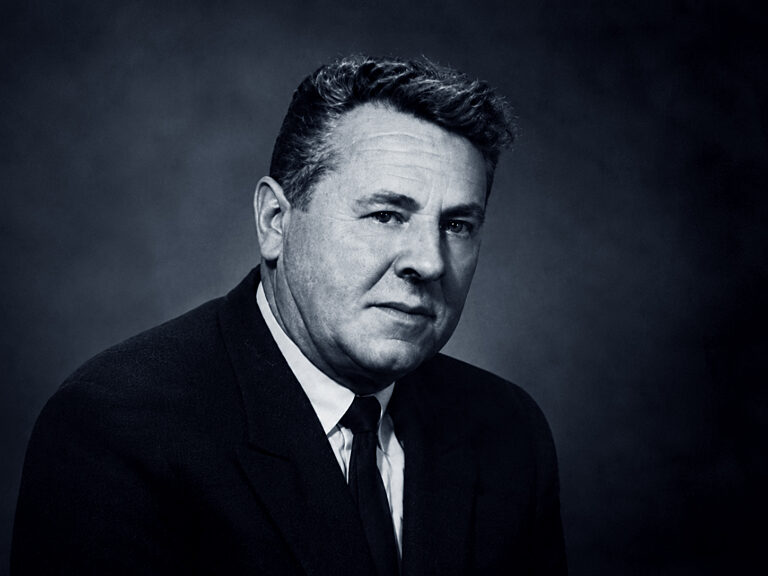
Akim Alexeyevich Kozlov

A Trombone Artist

Behind decades of orchestral excellence, one trombonist shaped a school of playing whose influence reached far beyond Leningrad and the concert hall.

By Anatoly Barantsev

Encounters Teaching Russian school Orchestral playing Intonation
No. 113 • 2001 Awaiting digitization

Roland Schnorhk, Orchestral Soloist

By Jean-Pierre Mathez

Encounters
No. 108 • 1999 Awaiting digitization

Guebwiller 1999

International competition for tenor trombone and bass trombone

By Michio Sugihara
Competition
The Polyphonic Trombone Free
No. 45 • 1984 Digitized

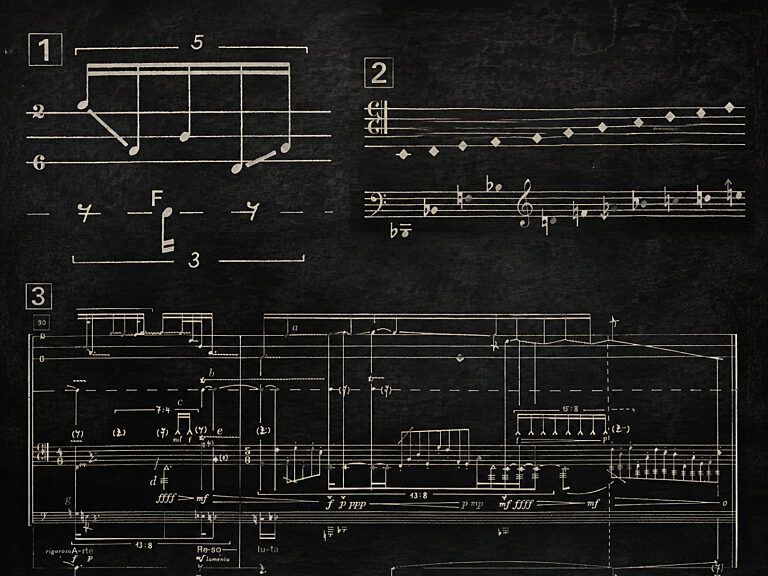
The Polyphonic Trombone

A suggested notation system

When trombone slide, overtones, breath and valves become independent musical voices, conventional notation reaches its limits and a new system becomes necessary.

By Klaus-K. Hübler

Repertoire Technique Contemporary Music
No. 97 • 1997 Awaiting digitization

Great, but forgotten trombonists: some biographical sketches

By David M. Guion

Report
No. 123 • 2003 Awaiting digitization

Joachim Eggert (1779-1813) - Trombone Pioneer

By Avishai Kallai

History
No. 76 • 1991 Awaiting digitization

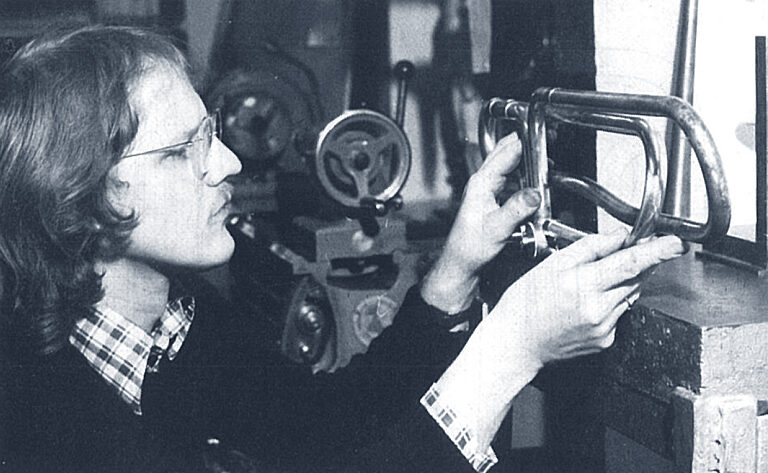
Bob Brookmeyer

What note do you want to play ?

By Willem Ouwerkerk
Encounters
The contrabass trombone
No. 23 • 1978 Digitized

Part 2

The contrabass trombone

Picture and sketches, taking particularly into account the construction principles (1973)

Inside the workshop of innovation: Heinrich Thein reveals how rethinking every detail—from valves to bell—transforms the contrabass trombone into a modern orchestral instrument

By Heinrich Thein

Equipment Instrument making Valves Intonation
No. 71 • 1990 Awaiting digitization

Dany Bonvin

Trombone in the blood

By Jean-Pierre Mathez

Encounters
No. 105 • 1999 Awaiting digitization

Part 1

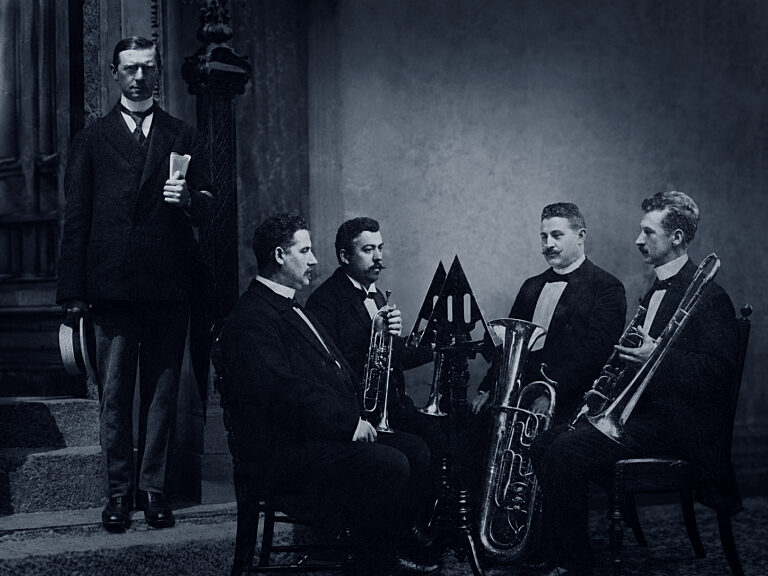
The trombone according to orchestration treatises (France 1700-1914)

By Raymond Lapie
History
Anton Hansen (1877-1947)
No. 29 • 1980 Digitized

Part 3

Anton Hansen (1877-1947)

Father of trombone playing in Scandinavia

From Sibelius to Paris, Anton Hansen’s later career links Scandinavian trombone playing with French repertoire, teaching, and orchestral reform.

By Per Gade

History Teaching French school Orchestral playing
No. 93 • 1996 Awaiting digitization

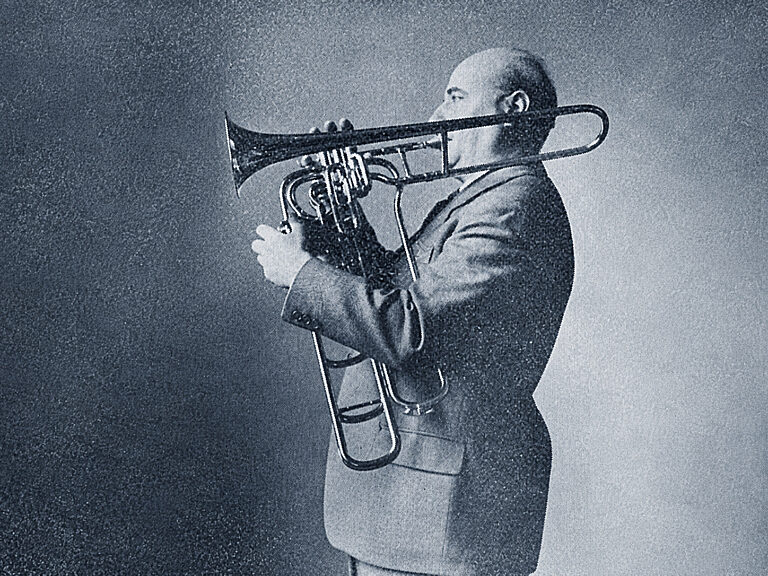
Joseph Alessi

A dream career

By Heinz Fadle
Encounters
The trombone with 6 independent valves
No. 5 • 1973 Digitized

The trombone with 6 independent valves

Technical analysis of the trombone with six independent valves, examining its mechanics, extended range and potential for new repertoire.

By Edmond Leloir

Equipment Instrument Makers History Valves Instrument making Historical instruments
Loading…

Questions & Answers

How the Digital Edition works

What does the Digital Edition include?

The Digital Edition brings together the articles already digitized as searchable online texts—not simply as scans or PDF files—along with their original illustrations, notes, authorship, issue information, and available translations. Related-article suggestions currently include only this digitized material.

Are the digital articles identical to the originals?

We preserve the original text, language, illustrations, captions, footnotes, and editorial context as faithfully as possible. The presentation is adapted for comfortable online reading, and obvious transcription or scanning errors may be corrected. The substance and character of the published article remain unchanged.

Which languages are available?

Brass Bulletin was published in English, French, and German throughout its history. Italian and Spanish translations were added from issue No. 60 onward.

On the Italian and Spanish sites, articles from issues 1–59 are therefore shown in English by default.

How often are new articles added?

New articles are added almost daily, with approximately one complete issue digitized each week. The pace may vary depending on the preparation, image work, and editorial checking required.

Why aren’t all articles available digitally?

The complete Brass Bulletin collection contains 1,246 articles published between 1971 and 2003. The full index is already available online, allowing readers to discover every article in the collection, including those whose complete text has not yet been digitized.

Digitization began in February 2026. Each article is carefully prepared for online reading, checked, and connected to its issue, authors, subjects, and illustrations. At the current pace of digitization, the complete collection is expected to be available online by February 2028.

Why do some references mention articles that are not available yet?

References in the original articles are preserved even when the material they point to has not yet been digitized. This keeps the historical and editorial record intact. As more issues are added to the Digital Edition, an increasing number of these references will lead to articles that can be read online.

Can I suggest an article or report a transcription error?

Yes. If there is an article you would particularly like to see digitized, or if you notice a possible transcription error or missing detail, please contact us. Reader feedback helps us improve the Digital Edition and prioritize useful connections within the archive.

How can I support Brass Bulletin?

Your support helps fund the preparation, verification, and online publication of the complete collection.

Subscribe to the Digital Edition

Prefer to support us without subscribing?

Make a donation

How is the digitization progressing?

We’re gradually making the Brass Bulletin available online, article by article. You can read newly digitized articles as soon as they’re ready, even before an entire issue is complete.

Visit our Digitization Roadmap to browse recent additions and see estimated availability for upcoming issues. These estimates follow our recent pace and may change.

Search Brass Bulletin.