Trumpet and Cornet • Jazz and Popular Music
Michel Laplace
Brass Bulletin No. 42–47 · 1983–1984
-
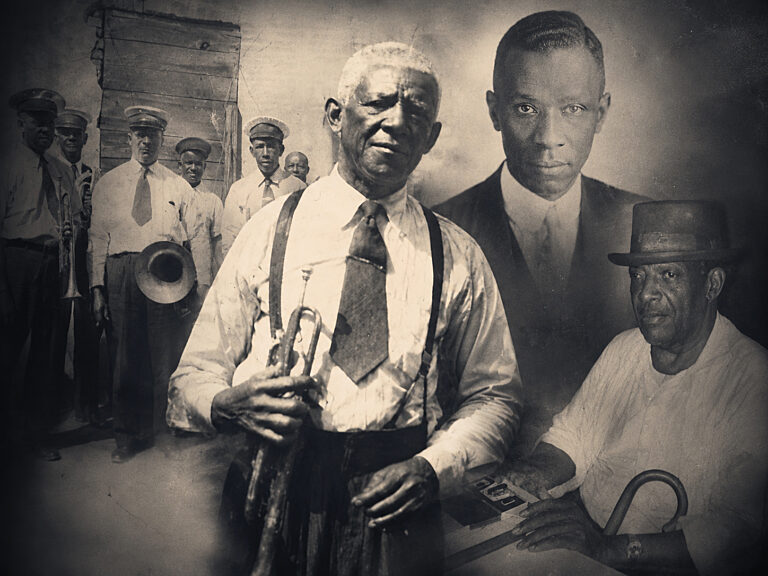
Part 1
The Trumpet and the Cornet in Jazz and Popular Music
Brass Bulletin No. 42 · 1983 · pp. 16–30
Before Louis Armstrong became the defining figure, jazz already carried competing traditions of tone, style and technique shaped by cornet players across New Orleans and beyond.
Read the article → -
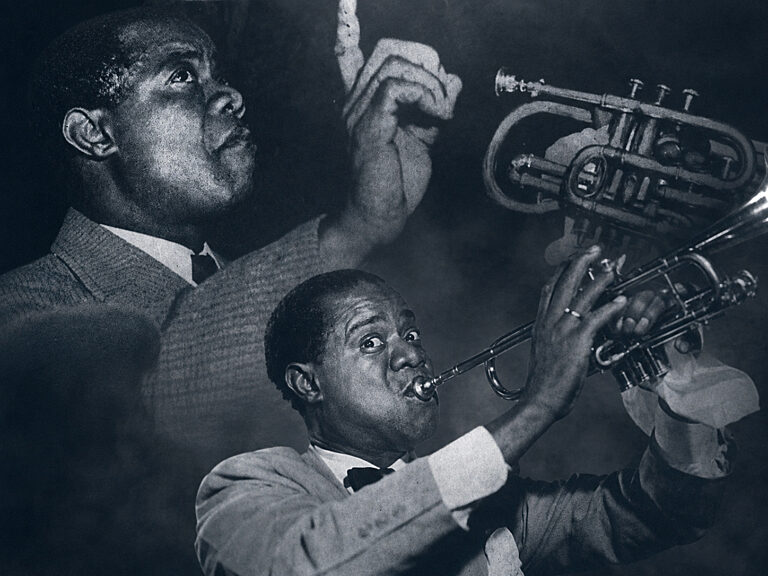
Part 2
The Trumpet and the Cornet in Jazz and Popular Music
The “Classical” Period 1927-1945 — The Golden Age of the Trumpet
Brass Bulletin No. 43 · 1983 · pp. 44–65
Between Armstrong’s rise and bebop’s arrival, the trumpet became jazz’s dominant voice, reshaping technique, orchestras, sound, mutes and virtuosity.
Read the article → -
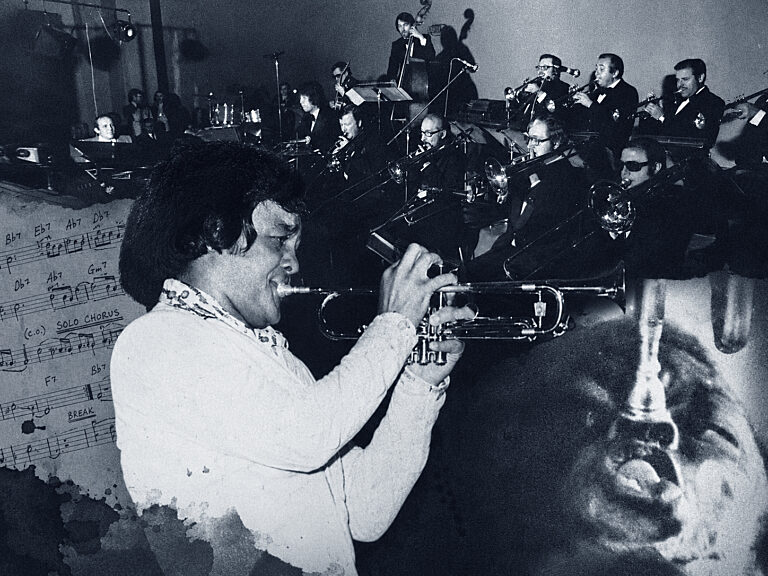
Part 3
The Trumpet and the Cornet in Jazz and Popular Music
The pluralism of the so-called “modern” forms (1945 to the present)
Brass Bulletin No. 44 · 1983 · pp. 64–60
Bebop, Miles Davis and the rise of the flugelhorn mark a postwar jazz landscape in which trumpet playing splintered into competing sounds and ideals.
Read the article → -
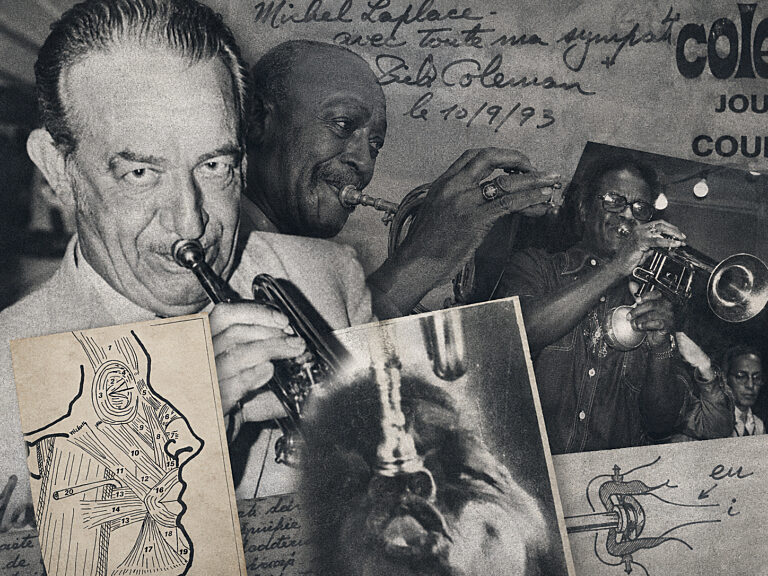
Part 4
The Trumpet and the Cornet in Jazz and Popular Music
The instrument for jazz
Brass Bulletin No. 45 · 1984 · pp. 38–44
Jazz trumpet playing balances equipment, embouchure and articulation, as changing sound ideals reshape mouthpieces, technique and the physical approach to playing.
Read the article → -
Part 5
The Trumpet and the Cornet in Jazz and in Popular Music
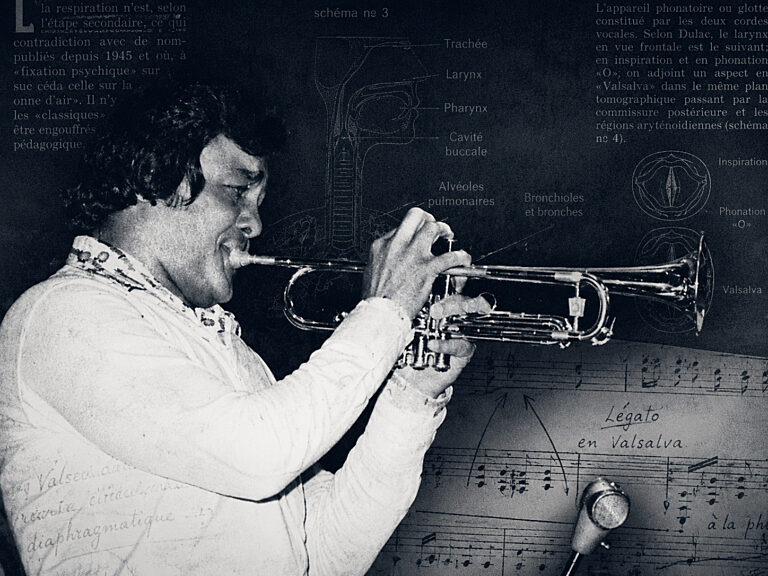
Breathing
Brass Bulletin No. 46 · 1984 · pp. 23–30
Breathing, Valsalva, mouthpiece position and daily practice collide with received wisdom as trumpet technique is reconsidered from the body outward.
Read the article → -
Part 6
The Trumpet and the Cornet in Jazz and Popular Music
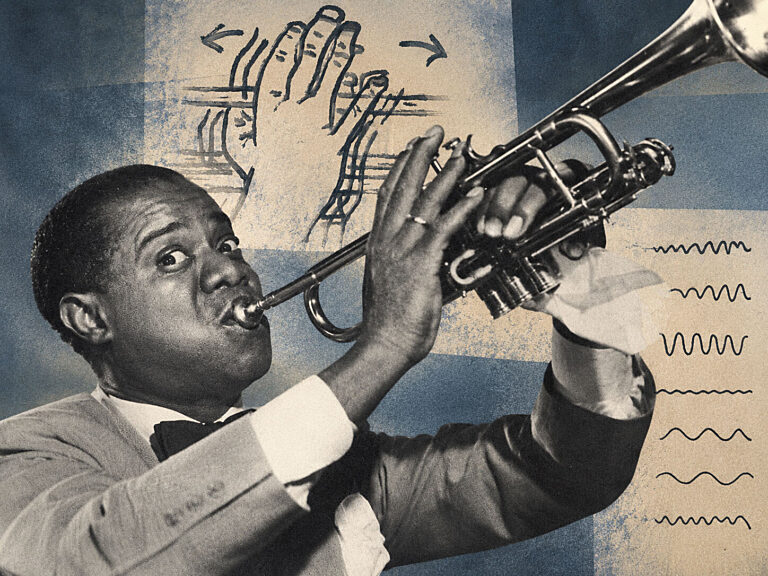
Special jazz techniques
Brass Bulletin No. 47 · 1984 · pp. 39–45
Vibrato, half-valves, growls and shakes lead to a larger argument: jazz transformed trumpet technique, yet its contribution remained strikingly undervalued.
Read the article →