Discoveries for brass players, once a month. Join our free newsletter →

1 min. read

This article is free.

Editorial

Homage to James Stamp

Editorial

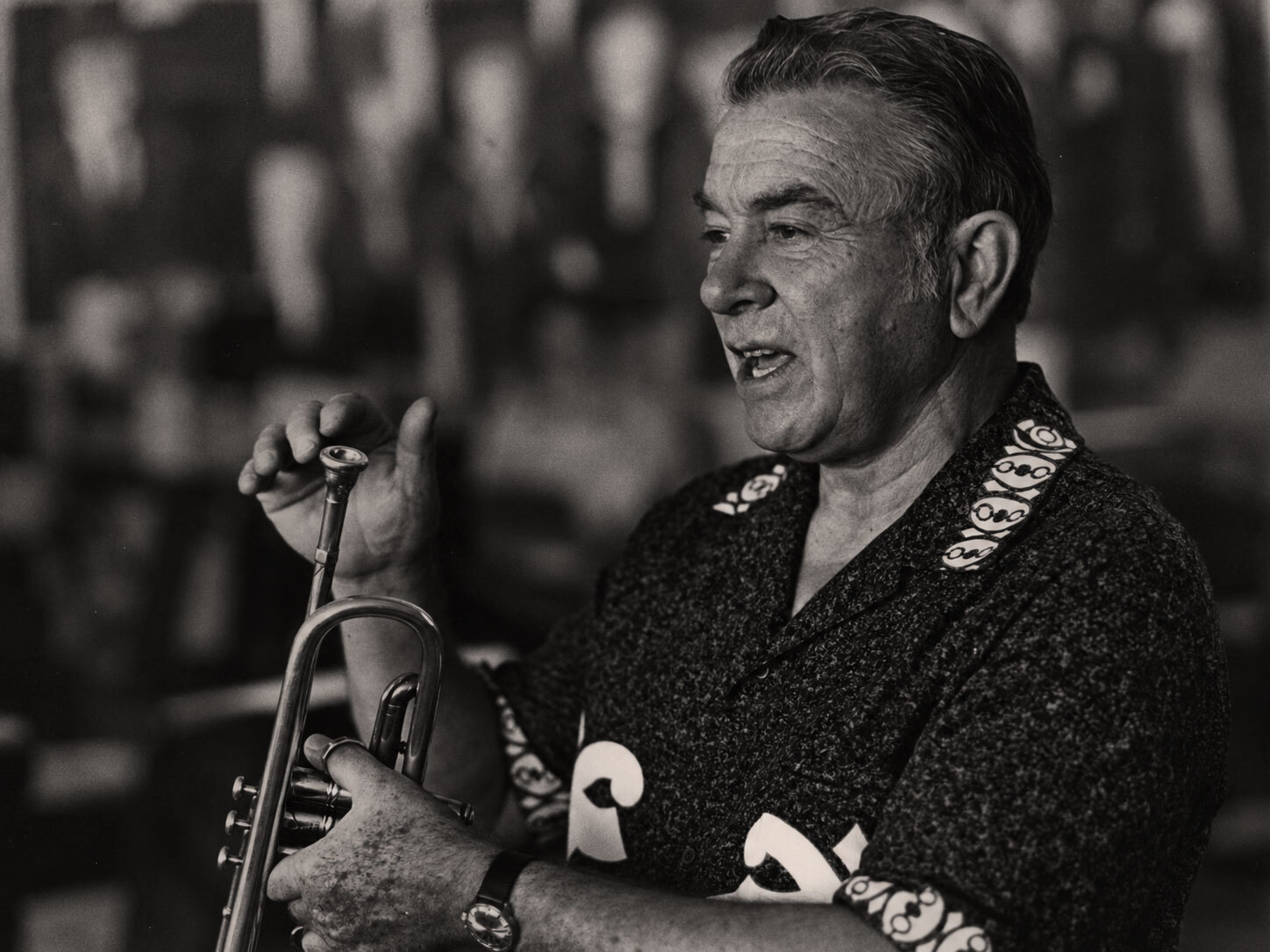
James Stamp (1904-1985)

James Stamp went into hospital in Los Angeles in mid-December 1985. There, weary of its 81 years, his heart beat out its final diminuendo. And so fell silent the voice of one of the few (and too few) wise men the brass world has had the privilege of knowing in recent years.

What kind of wisdom was this? What was it like?

Jimmy Stamp could devote his complete attention to any musician who asked for it. He saw at once those elements which enabled him to make a profound diagnosis, essential for starting or continuing the education or reeducation of the player before him. He had the art of being able to establish a direct, true and constructive relationship, beyond time and beyond all selective appreciation.

Jimmy had that exceptional power to free a human being, whatever his age, education, social or professional position, and to enable him to bare himself so that the hope of improvement might be fruitfully reborn.

What more can we say about this profoundly good, honest, strong and tender man?

His main preoccupation was to help (in a way he viewed with the greatest modesty) to bring relief to those who brought their problems to him, or to develop the still hidden potential of a talented musician.

He disliked the negative and disturbing undercurrents which constantly upset human relations. He avoided them like the plague. The faceless crowd, the competitive spirit did not inspire him. He knew that basic values are transmitted only in an atmosphere of quiet intimacy through the emanations of love and respect which arise between those who share each other's confidence.

He had attained that degree of wisdom where every detail reveals the universal, where modesty (regained) makes it possible to avoid errors rooted in habit.

Jimmy was a bringer of internal peace. Unfortunately what he brought us brass players is not measurable in concrete terms. The thread of his message will continue, albeit unrecognized, to run through the fabric of our musical and instrumental culture.

Jean-Pierre Mathez

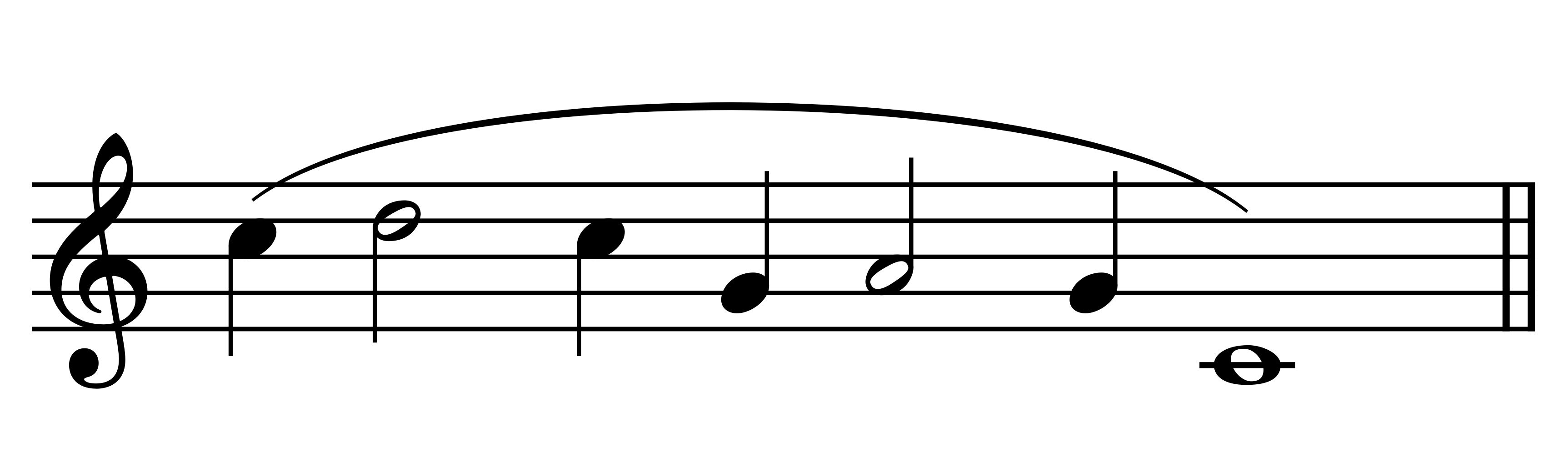
“Hymn to Stamp” (Do Ré Do Sol La Sol Do)

“Hymn to Stamp” (Do Ré Do Sol La Sol Do)


On December 22, 1985, James Stamp passed away in a Whittier, California, hospital, at the age of eighty-one.

Mr. Stamp will be remembered as one of the most influential brass teachers of his time, his work as a pedagogue being known and respected throughout the world as the result of his personal appearances and publications.

In point of fact it could be said that he had three careers. He retired as principal trumpeter with the Minneapolis Symphony in 1947, whereupon he moved to Hollywood, California, to pursue a new life as a freelance studio musician. Finally, at an age when most trumpet players consider total retirement, he elected to assume a full time teaching career.

We have lost James Stamp, but his legacy, like that of other great teachers, will live on through the work of his students for generations to come. Indeed every time we hear what the Swedish virtuoso Haken Hardenberger calls the “Hymn to Stamp” (Do Ré Do Sol La Sol Do) we will smile warmly in fond rememberance of the “old man”, and what he has meant to all of us.

Thomas Stevens

Brass Bulletin 53, I / 1986 pages 3–5

All content is protected by copyright © Brass Bulletin 1986–2026

Share this article

Facebook LinkedIn
Loading…

Questions & Answers

How the Digital Edition works

What does the Digital Edition include?

The Digital Edition brings together the articles already digitized as searchable online texts—not simply as scans or PDF files—along with their original illustrations, notes, authorship, issue information, and available translations. Related-article suggestions currently include only this digitized material.

Are the digital articles identical to the originals?

We preserve the original text, language, illustrations, captions, footnotes, and editorial context as faithfully as possible. The presentation is adapted for comfortable online reading, and obvious transcription or scanning errors may be corrected. The substance and character of the published article remain unchanged.

Which languages are available?

Brass Bulletin was published in English, French, and German throughout its history. Italian and Spanish translations were added from issue No. 60 onward.

On the Italian and Spanish sites, articles from issues 1–59 are therefore shown in English by default.

How often are new articles added?

New articles are added almost daily, with approximately one complete issue digitized each week. The pace may vary depending on the preparation, image work, and editorial checking required.

Why aren’t all articles available digitally?

The complete Brass Bulletin collection contains 1,246 articles published between 1971 and 2003. The full index is already available online, allowing readers to discover every article in the collection, including those whose complete text has not yet been digitized.

Digitization began in February 2026. Each article is carefully prepared for online reading, checked, and connected to its issue, authors, subjects, and illustrations. At the current pace of digitization, the complete collection is expected to be available online by February 2028.

Why do some references mention articles that are not available yet?

References in the original articles are preserved even when the material they point to has not yet been digitized. This keeps the historical and editorial record intact. As more issues are added to the Digital Edition, an increasing number of these references will lead to articles that can be read online.

Can I suggest an article or report a transcription error?

Yes. If there is an article you would particularly like to see digitized, or if you notice a possible transcription error or missing detail, please contact us. Reader feedback helps us improve the Digital Edition and prioritize useful connections within the archive.

How can I support Brass Bulletin?

Your support helps fund the preparation, verification, and online publication of the complete collection.

Subscribe to the Digital Edition

Prefer to support us without subscribing?

Make a donation

How is the digitization progressing?

We’re gradually making the Brass Bulletin available online, article by article. You can read newly digitized articles as soon as they’re ready, even before an entire issue is complete.

Visit our Digitization Roadmap to browse recent additions and see estimated availability for upcoming issues. These estimates follow our recent pace and may change.

Search Brass Bulletin.