Ofrezca Brass Bulletin en su universidad, conservatorio o biblioteca Descubra el acceso institucional

1 min de lectura

Editorial

Homage to James Stamp

Editorial

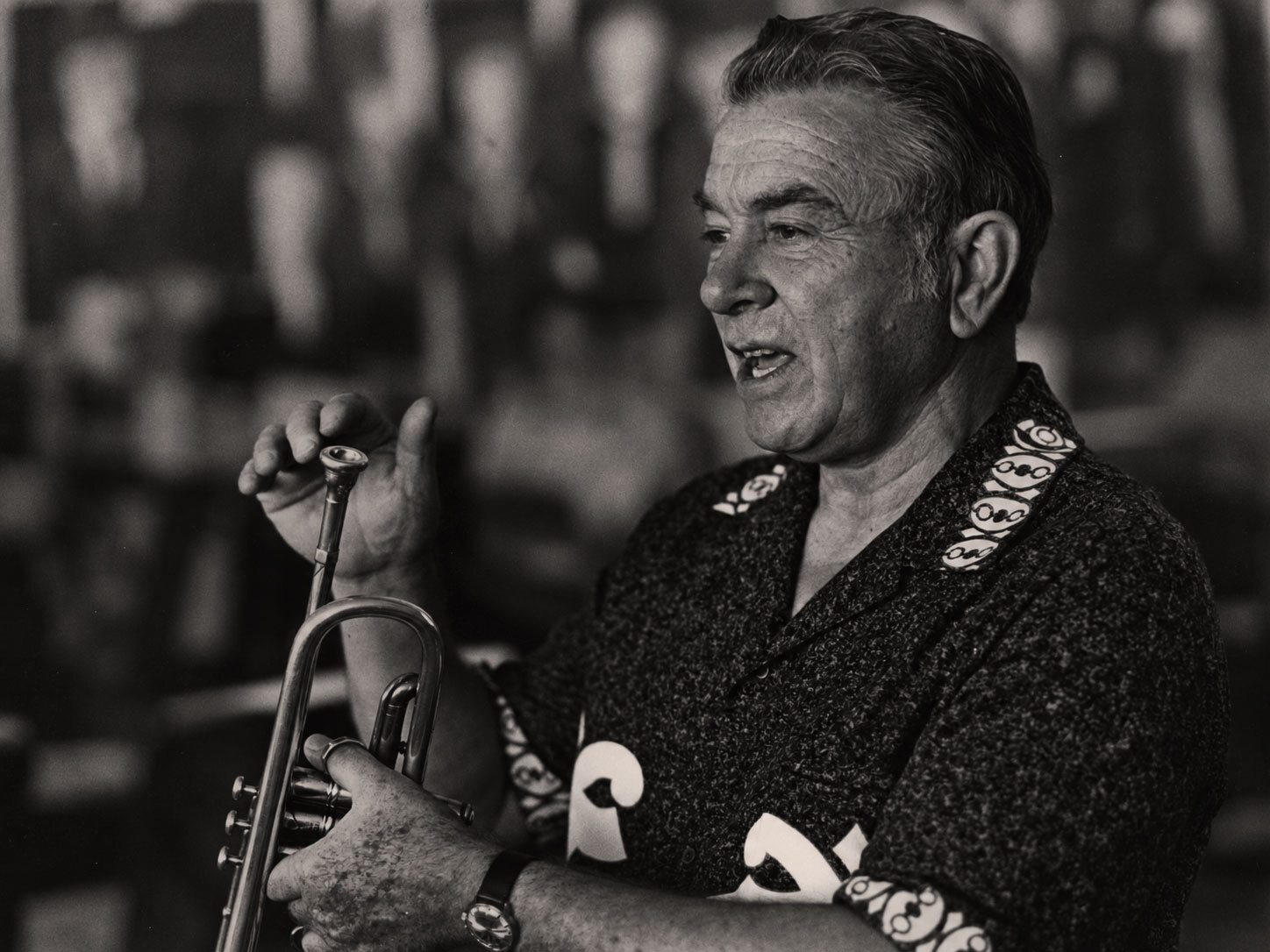
James Stamp (1904-1985)

James Stamp went into hospital in Los Angeles in mid-December 1985. There, weary of its 81 years, his heart beat out its final diminuendo. And so fell silent the voice of one of the few (and too few) wise men the brass world has had the privilege of knowing in recent years.

What kind of wisdom was this? What was it like?

Jimmy Stamp could devote his complete attention to any musician who asked for it. He saw at once those elements which enabled him to make a profound diagnosis, essential for starting or continuing the education or reeducation of the player before him. He had the art of being able to establish a direct, true and constructive relationship, beyond time and beyond all selective appreciation.

Jimmy had that exceptional power to free a human being, whatever his age, education, social or professional position, and to enable him to bare himself so that the hope of improvement might be fruitfully reborn.

What more can we say about this profoundly good, honest, strong and tender man?

His main preoccupation was to help (in a way he viewed with the greatest modesty) to bring relief to those who brought their problems to him, or to develop the still hidden potential of a talented musician.

He disliked the negative and disturbing undercurrents which constantly upset human relations. He avoided them like the plague. The faceless crowd, the competitive spirit did not inspire him. He knew that basic values are transmitted only in an atmosphere of quiet intimacy through the emanations of love and respect which arise between those who share each other's confidence.

He had attained that degree of wisdom where every detail reveals the universal, where modesty (regained) makes it possible to avoid errors rooted in habit.

Jimmy was a bringer of internal peace. Unfortunately what he brought us brass players is not measurable in concrete terms. The thread of his message will continue, albeit unrecognized, to run through the fabric of our musical and instrumental culture.

Jean-Pierre Mathez

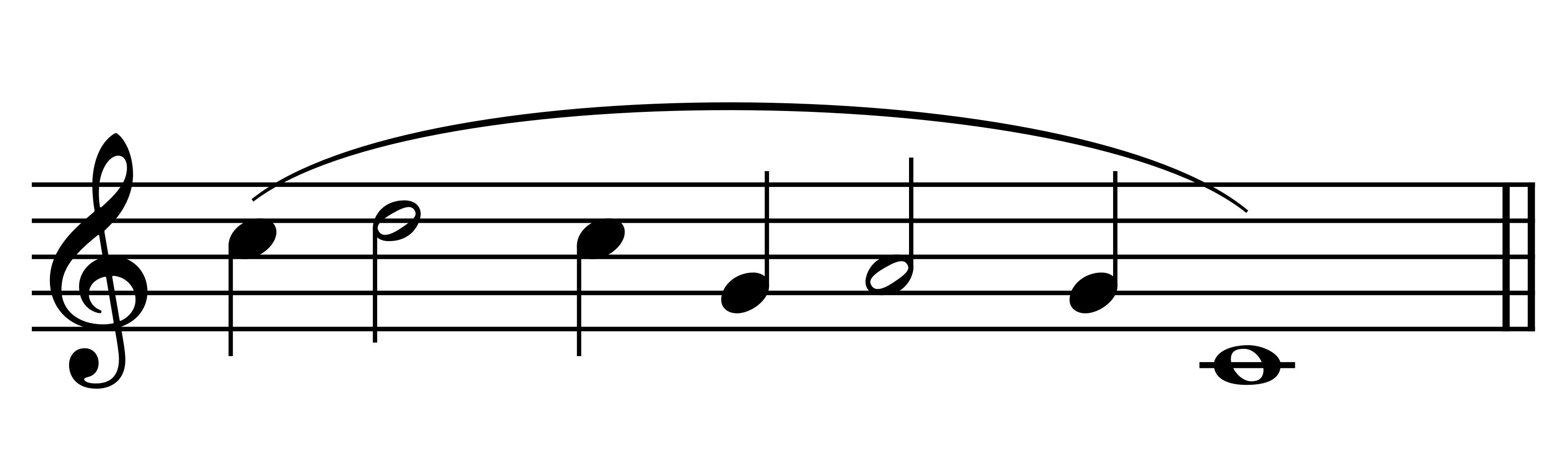
“Hymn to Stamp” (Do Ré Do Sol La Sol Do)

“Hymn to Stamp” (Do Ré Do Sol La Sol Do)


On December 22, 1985, James Stamp passed away in a Whittier, California, hospital, at the age of eighty-one.

Mr. Stamp will be remembered as one of the most influential brass teachers of his time, his work as a pedagogue being known and respected throughout the world as the result of his personal appearances and publications.

In point of fact it could be said that he had three careers. He retired as principal trumpeter with the Minneapolis Symphony in 1947, whereupon he moved to Hollywood, California, to pursue a new life as a freelance studio musician. Finally, at an age when most trumpet players consider total retirement, he elected to assume a full time teaching career.

We have lost James Stamp, but his legacy, like that of other great teachers, will live on through the work of his students for generations to come. Indeed every time we hear what the Swedish virtuoso Haken Hardenberger calls the “Hymn to Stamp” (Do Ré Do Sol La Sol Do) we will smile warmly in fond rememberance of the “old man”, and what he has meant to all of us.

Thomas Stevens

Brass Bulletin 53, I / 1986 páginas 3–5

Todo el contenido está protegido por derechos de autor © Brass Bulletin 1986–2026

Compartir este artículo

Facebook LinkedIn
Cargando…

Preguntas y respuestas

Cómo funciona la edición digital

¿Qué incluye la edición digital?

La edición digital reúne los artículos ya digitalizados como textos legibles y consultables en línea —no simplemente como escaneos o archivos PDF— junto con sus ilustraciones originales, notas, autoría, información del número y traducciones disponibles. Las sugerencias de artículos relacionados incluyen actualmente solo este material digitalizado.

¿Los artículos digitales son idénticos a los originales?

Conservamos con la mayor fidelidad posible el texto original, el idioma, las ilustraciones, los pies de imagen, las notas y el contexto editorial. La presentación se adapta para facilitar la lectura en línea y pueden corregirse errores evidentes de transcripción o escaneado. El contenido y el carácter del artículo publicado permanecen inalterados.

¿Qué idiomas están disponibles?

Brass Bulletin se publicó en inglés, francés y alemán a lo largo de toda su historia. Las traducciones al italiano y al español se añadieron a partir del número 60. Por este motivo, en los sitios italiano y español los artículos de los números 1 a 59 se muestran en inglés de forma predeterminada.

¿Con qué frecuencia se añaden nuevos artículos?

Se añaden nuevos artículos casi a diario, con aproximadamente un número completo digitalizado cada semana. El ritmo puede variar según el trabajo de preparación, tratamiento de imágenes y revisión editorial necesario.

¿Por qué no están disponibles todos los artículos en formato digital?

La colección completa de Brass Bulletin contiene 1.246 artículos publicados entre 1971 y 2003. El índice completo ya está disponible en línea y permite descubrir todos los artículos de la colección, incluidos aquellos cuyo texto íntegro todavía no ha sido digitalizado.

La digitalización comenzó en febrero de 2026. Cada artículo se prepara cuidadosamente para la lectura en línea, se revisa y se vincula con su número, sus autores, sus temas y sus ilustraciones. Al ritmo actual de digitalización, se prevé que la colección completa esté disponible en línea en febrero de 2028.

¿Por qué algunas referencias mencionan artículos que todavía no están disponibles?

Las referencias de los artículos originales se conservan aunque el material al que remiten aún no haya sido digitalizado. De este modo se mantiene intacto el contexto histórico y editorial. A medida que se incorporen más números a la edición digital, un número creciente de estas referencias conducirá a artículos que podrán leerse en línea.

¿Puedo sugerir un artículo o informar de un error de transcripción?

Sí. Si hay algún artículo que le gustaría especialmente ver digitalizado, o si detecta un posible error de transcripción o algún dato que falta, póngase en contacto con nosotros. Los comentarios de los lectores nos ayudan a mejorar la edición digital y a establecer prioridades útiles dentro del archivo.

¿Cómo puedo apoyar a Brass Bulletin?

Su apoyo ayuda a financiar la preparación, verificación y publicación en línea de la colección completa.

Suscríbase a la Edición Digital

¿Prefiere apoyarnos sin suscribirse?

Haga una donación

¿Cómo avanza la digitalización?

Estamos poniendo Brass Bulletin a disposición de los lectores en línea, artículo por artículo. Pueden leer los artículos recién digitalizados en cuanto estén listos, incluso antes de que se complete un número entero.

Consulten nuestro calendario de digitalización para descubrir las últimas novedades y las fechas estimadas de disponibilidad de los próximos números. Estas estimaciones se basan en nuestro ritmo reciente y pueden cambiar.

Busca en Brass Bulletin.