Explore institutional access Explore institutional access

8 min. read

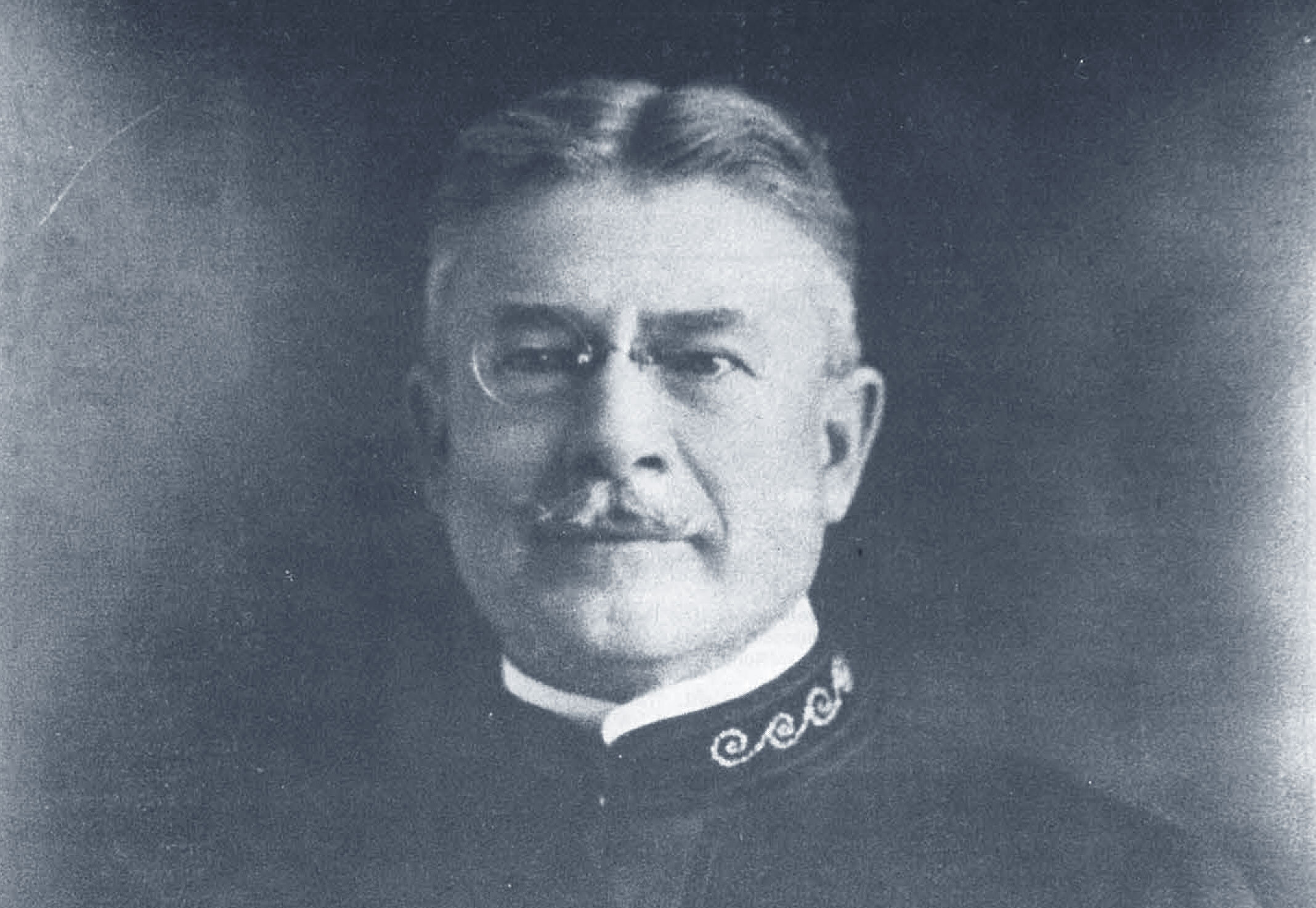
Herbert L. Clarke (1867-1945)

Crucial Years
Part 2

By David Hickman

From illness and doubt to early triumph: Clarke’s “crucial years” reveal a fragile path—where talent, chance, and setbacks nearly drove a future legend away from music.
Herbert L. Clarke (1867-1945)

In the last issue of the Brass Bulletin it was revealed that Herbert Clarke began the study of the cornet as a boy and had dreams of being able to play in a band. After joining the Queen's Own Regimental Band of Toronto, Canada at the age of twelve, his pleasures for sports led him to join a boys' football team during which time he contracted a serious chest cold which confined him to the house from December to April. The cornet issued to him by the Queen's Own Band was called in and his position was replaced. After Herbert’s illness he was allowed to practice the old family alto horn for a few minutes each day. This helped strengthen his lungs, and he developed great breath control which formed the foundation of his great power and endurance. He again started playing Ed's cornet and worked in the office of a wholesale drug establishment for four dollars per week in order to save enough money to afford his own cornet.

Ed became leader of a road show orchestra and hired Herbert as cornetist because, at the last minute, the regular cornetist quit and was not going to travel with the orchestra. At age fifteen, Herbert left for Buffalo with brothers Ed and Ern to play a summer's engagement before starting to travel around the country playing one-night engagements. After one month with the orchestra, Herbert returned home, homesick and disheartened about the music profession, and re-joined the Queen's Own Band and eventually moved up to second chair.

Herbert Clarke graduated from high school in June of 1884. After living for four years in Toronto, the Clarke family moved back to Indianapolis, save Will, the oldest son, who had a good job in a department store. In Indianapolis, Herbert heard a young cornetist from Delphi, Indiana who played in the Opera House in Indianapolis. This young man, with whom Clarke became great friends and with whom he also played in Sousa's band, was Walter B. Rogers. As boys, Rogers and Clarke often played duets and parades together and also formed the Schubert Brass Quartet in which Walter and Herbert played cornet, Ed played alto horn, and Ernest played trombone. The quartet played several jobs around town and Herbert began to study the viola in order to play in the family string quartet. Rogers, an excellent violinist who graduated from the Cincinnati Conservatory, gave viola lessons to Herbert.

Continue reading

Access the full Digital Edition.

Brass Bulletin 19, III / 1977 pages 19–26

All content is protected by copyright © Brass Bulletin 1977–2026

Share this article

Facebook LinkedIn
Loading…

Questions & Answers

How the Digital Edition works

What does the Digital Edition include?

The Digital Edition brings together the articles already digitized as searchable online texts—not simply as scans or PDF files—along with their original illustrations, notes, authorship, issue information, and available translations. Related-article suggestions currently include only this digitized material.

Are the digital articles identical to the originals?

We preserve the original text, language, illustrations, captions, footnotes, and editorial context as faithfully as possible. The presentation is adapted for comfortable online reading, and obvious transcription or scanning errors may be corrected. The substance and character of the published article remain unchanged.

Which languages are available?

Brass Bulletin was published in English, French, and German throughout its history. Italian and Spanish translations were added from issue No. 60 onward.

On the Italian and Spanish sites, articles from issues 1–59 are therefore shown in English by default.

How often are new articles added?

New articles are added almost daily, with approximately one complete issue digitized each week. The pace may vary depending on the preparation, image work, and editorial checking required.

Why aren’t all articles available digitally?

The complete Brass Bulletin collection contains 1,246 articles published between 1971 and 2003. The full index is already available online, allowing readers to discover every article in the collection, including those whose complete text has not yet been digitized.

Digitization began in February 2026. Each article is carefully prepared for online reading, checked, and connected to its issue, authors, subjects, and illustrations. At the current pace of digitization, the complete collection is expected to be available online by February 2028.

Why do some references mention articles that are not available yet?

References in the original articles are preserved even when the material they point to has not yet been digitized. This keeps the historical and editorial record intact. As more issues are added to the Digital Edition, an increasing number of these references will lead to articles that can be read online.

Can I suggest an article or report a transcription error?

Yes. If there is an article you would particularly like to see digitized, or if you notice a possible transcription error or missing detail, please contact us. Reader feedback helps us improve the Digital Edition and prioritize useful connections within the archive.

How can I support Brass Bulletin?

Your support helps fund the preparation, verification, and online publication of the complete collection.

Subscribe to the Digital Edition

Prefer to support us without subscribing?

Make a donation

Search Brass Bulletin.