7 min. read
Herbert L. Clarke (1867-1945)
Early professional years
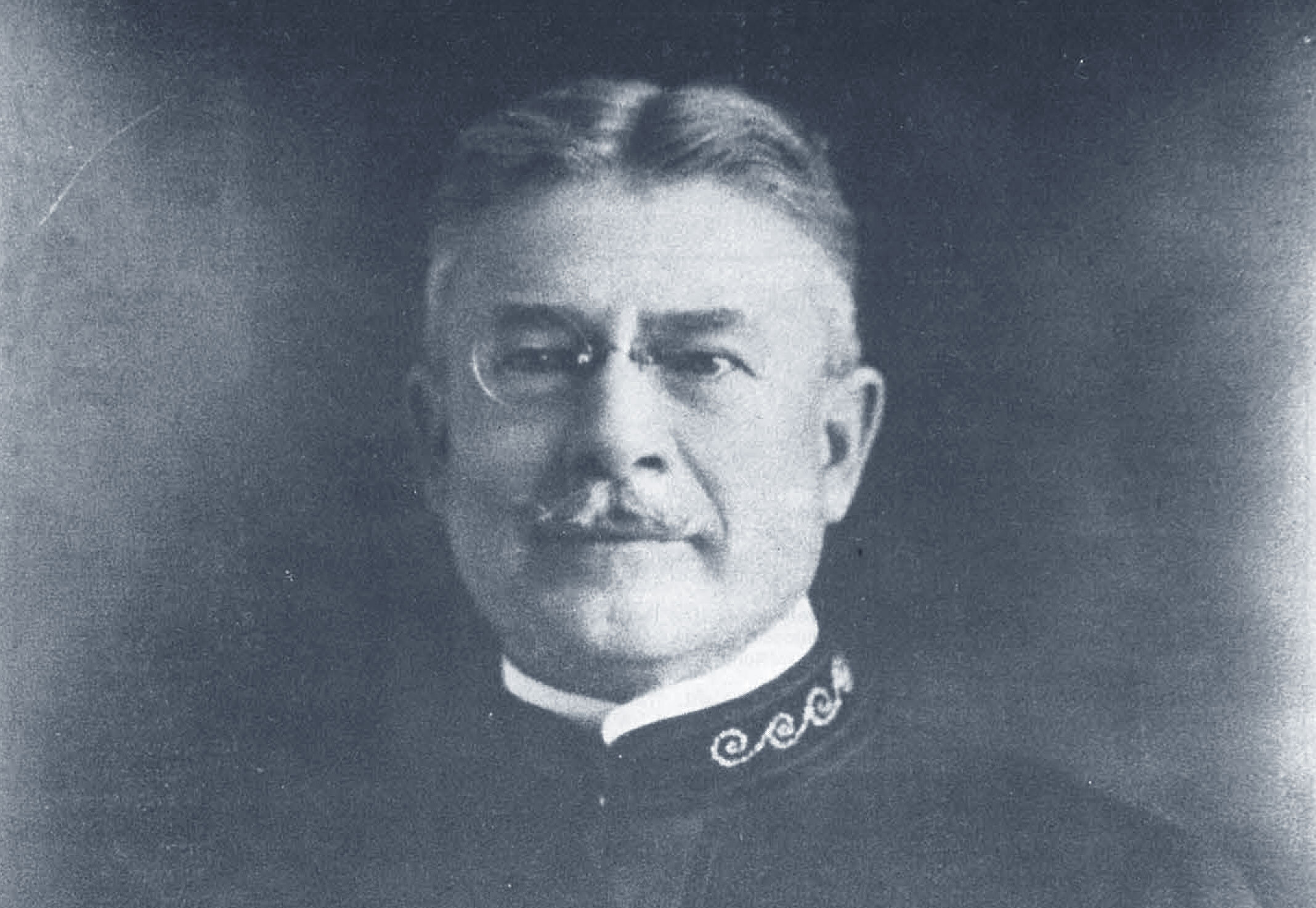
From the past two issues of the Brass Bulletin the early life of Herbert L. Clarke, famous bandmaster and cornetist, unfolded as it was shown that Clarke became a skilled cornetist and viola player by the time he graduated from high school in Toronto.
Playing viola in the opera house and cornet in town bands, Clarke had ambitions of becoming a great cornet soloist like Levy, Emerson, Bent, or Liberati. After winning a cornet contest in Indiana at the age of nineteen, feeling confident and proud, he returned to the opera house only to find that his position as the viola player was one to be replaced by the piano.
After an unsuccessful strike and a subsequent disastrous tour with the newly-formed Alliance Orchestra and Swiss Bell Ringers, Herbert took his father's advice to move to Rochester, New York where his parents then lived and try his luck in business.
In Rochester, Clarke was unable to find any work in a reputable business. After weeks of failing to find a job, the itch to return to music led him to play viola in the Academy of Music Theatre, a variety show of the highest order, and to play cornet in the Theatre band outside the auditorium before each performance.
Even though Herbert played two shows per day (on viola) at three hours each and one hour outside on cornet before each show, he still managed to find time to practice the cornet in a serious manner. He began developing his tonguing so that he might acquire the technique necessary to become a great cornet soloist.
Even while he walked he would practice single tonguing — four notes per step and 32 steps per breath. Triple tonguing was next — "Tu Tu Ku" — two triplets per step, and also "K" attacks only — four per step. This, he claimed, gave him his foundation for correct and even tonguing.
Brothers Ed and Ern moved to Rochester shortly after Herbert. Ed joined the Theatre Orchestra on violin and Ern had the confidence to go to New York City at the age of 21 and audition for Patrick Sarsfield Gilmore's famed band. Ern was accepted and thus began his career as a great trombonist.
Brass Bulletin 21, I / 1978 pages 27–32
All content is protected by copyright © Brass Bulletin 1978–2026