Contexto musical
90 artículos disponibles en línea
 Miembro
Parte 6
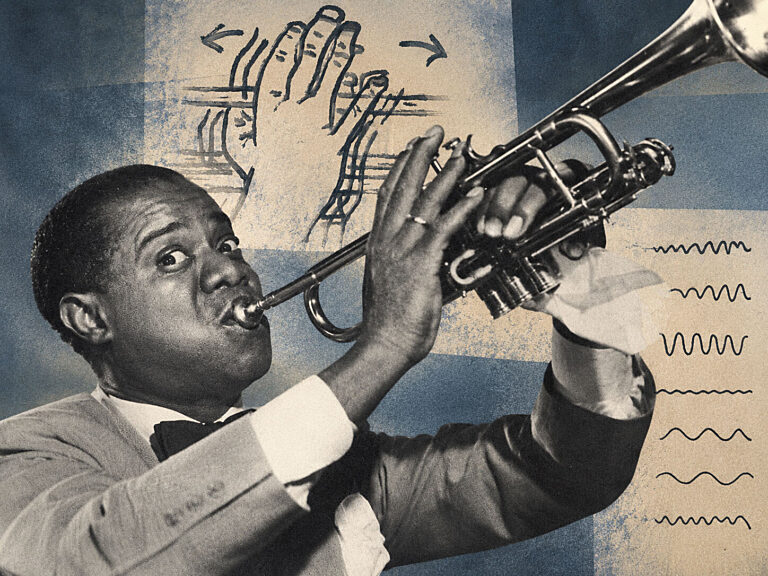
The Trumpet and the Cornet in Jazz and Popular Music
Special jazz techniques
Vibrato, half-valves, growls and shakes lead to a larger argument: jazz transformed trumpet technique, yet its contribution remained strikingly undervalued.
Por Michel Laplace
 Gratuito
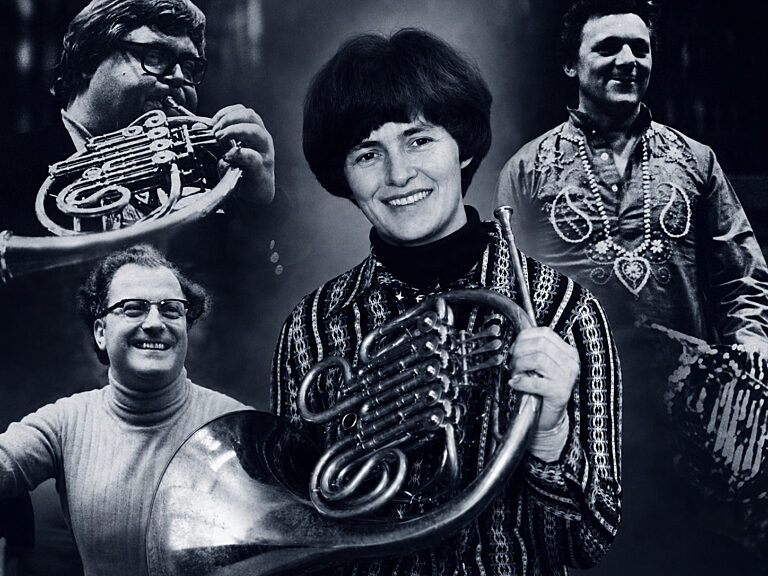
The first european horn symposium
A week in Trossingen brought leading horn players, Mozart debates, natural-horn controversies and lasting friendships at a landmark European gathering.
Por Jeffrey Agrell
 Miembro
Parte 3
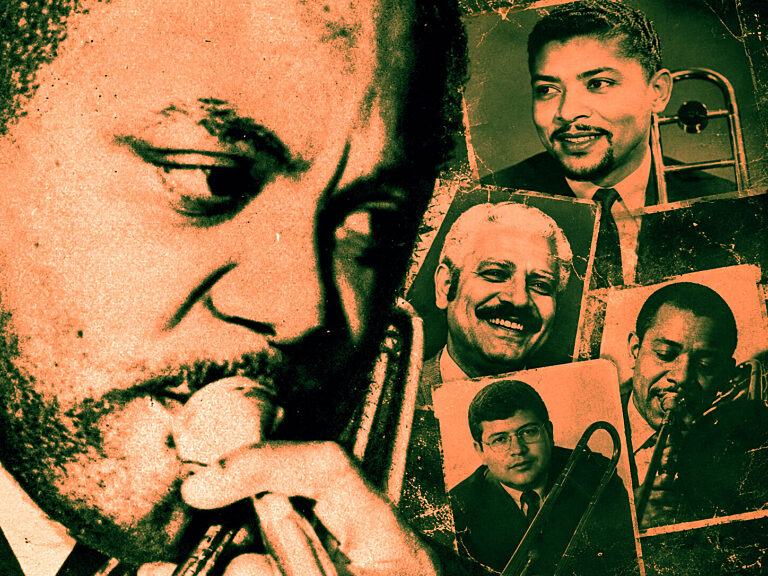
The trombone in Jazz and Popular Music
Pluralism of expression since 1945
Bebop, cool jazz, free jazz and neo-classicism transformed the trombone after 1945, as new players, techniques and instruments pushed its boundaries.
Por Michel Laplace
 Gratuito
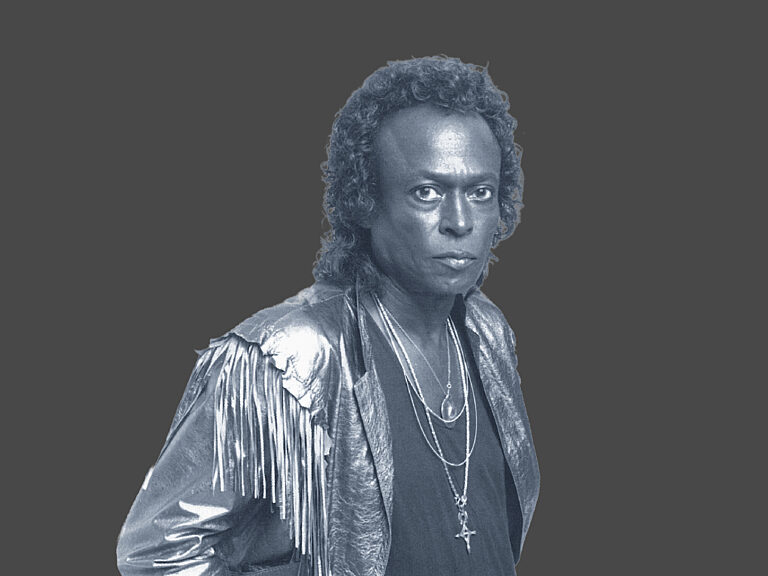
Miles Davis
Encuentro a través de la cocina
Verduras, caballos y un Ferrari rodean a un Miles Davis lejos del escenario, entre vida cotidiana, música, provocación y una feroz necesidad de independencia.
Por Robert L. Watt
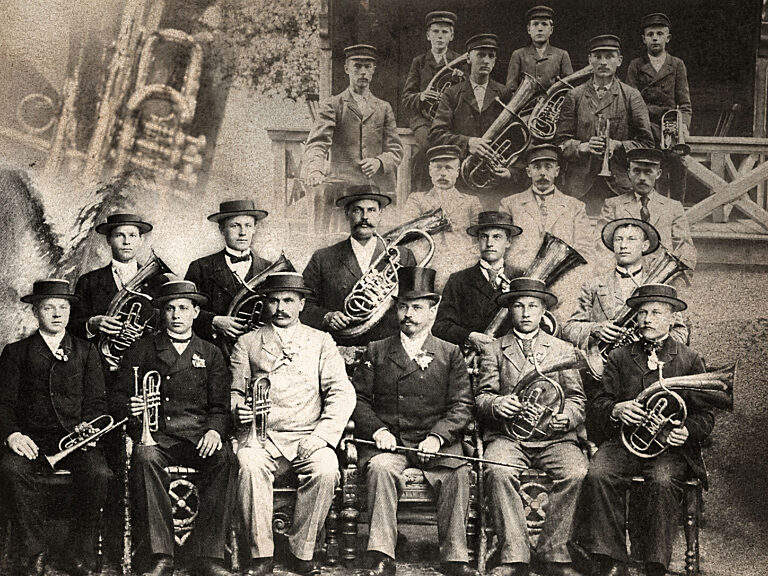
Reflections on the brass player
Why do brass players so often resist new music? Vinko Globokar dismantles schools, routines, and traditions—and calls for a freer musical mindset.
Por Vinko Globokar
 Gratuito
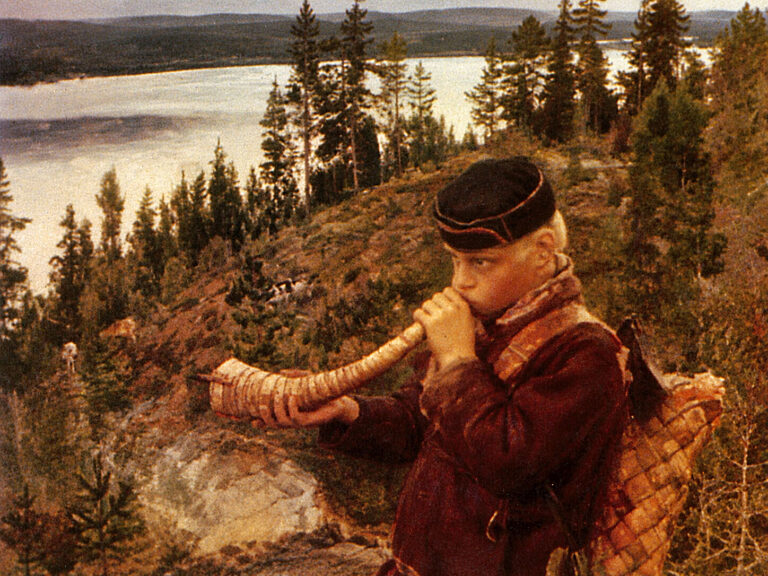
Special Finland
The brass band tradition in Finland
Finland’s brass-band tradition grew from imperial reform into a nationwide phenomenon, before an equally systematic transformation brought the era to an end.
Por Holger Fransman
 Miembro
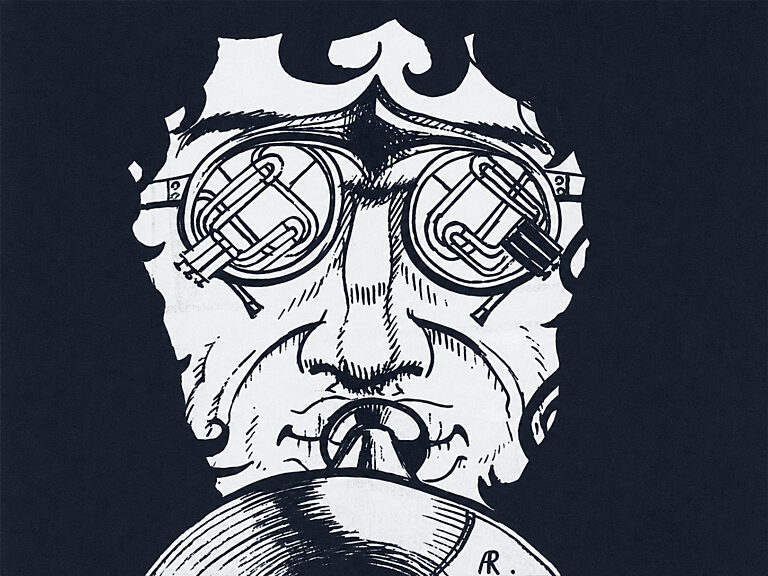
Special Finland
Brass achieves academic respectability
Once treated as marginal, Finland’s brass septet tradition entered academic research, challenging where folk practice ends and music history begins.
Por Kauko Karjalainen
Amboise, France, 3rd National Brass Band Competition
Por Benny Sluchin
 Miembro
Serie El jazz y la trompa • Parte 1
Jazz and the Horn
The horn was once considered incompatible with jazz until changing ideas of sound and musicians like John Graas quietly overturned that certainty.
Por Jeffrey Agrell
 Gratuito
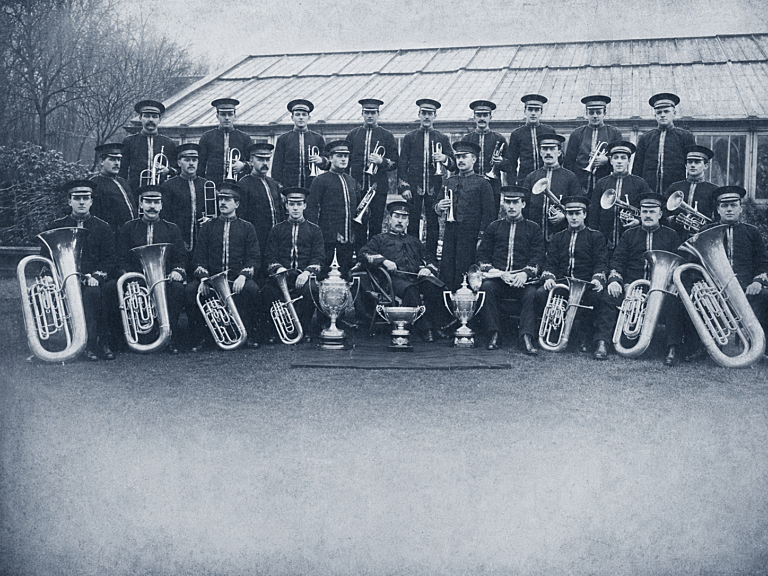
What is a Brass Band?
Barrie Perrins traces the 19th-century origins, instrumentation and social role of the brass band—from industrial roots to international musical life.
Por Barrie Perrins
 Gratuito
Special Hungary
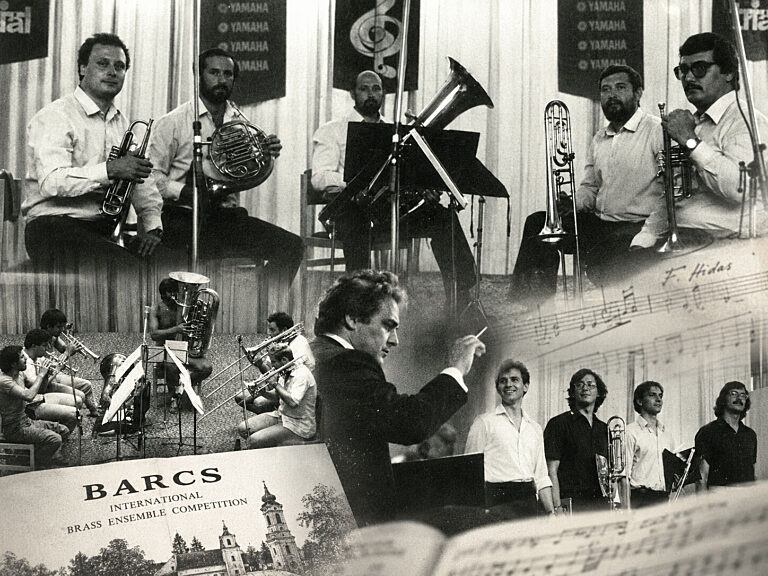
Barcs 1984
First International Brass Ensemble Competition
A small Hungarian town became a testing ground for brass chamber music, where young ensembles showed how quickly the discipline was coming of age.
Por Jean-Pierre Mathez
Miembro
Serie El jazz y la trompa • Parte 3
Jazz and the Horn
Getting started
For the classically trained horn player, jazz replaces the security of the printed page with listening, swing and improvisation—and a different kind of discipline.
Por Jeffrey Agrell
 Gratuito
Contemporary Hungarian Brass Music
From early decline to recent revival, Hungarian brass emerges through pedagogy, competitions and new chamber works, with Varasdy outlining key figures and shifting ensemble practices.
Por Frigyes Varasdy
 Miembro
Individuality and Uniformity in Brass Players
As international standards reshape brass playing, musical individuality risks giving way to imitation, leaving tradition, ensemble work and personal conviction at stake.
Por Hans-Joachim Drechsler
Yes or no? Beware!
Do we or do we not play transcriptions?
“Transcriptions: yes or no? Beware.” Roger Bobo challenges tubists to rethink repertoire, taste, and tradition in a bold call for musical judgment and artistic freedom.
Por Roger Bobo
 Miembro
Special Hungary
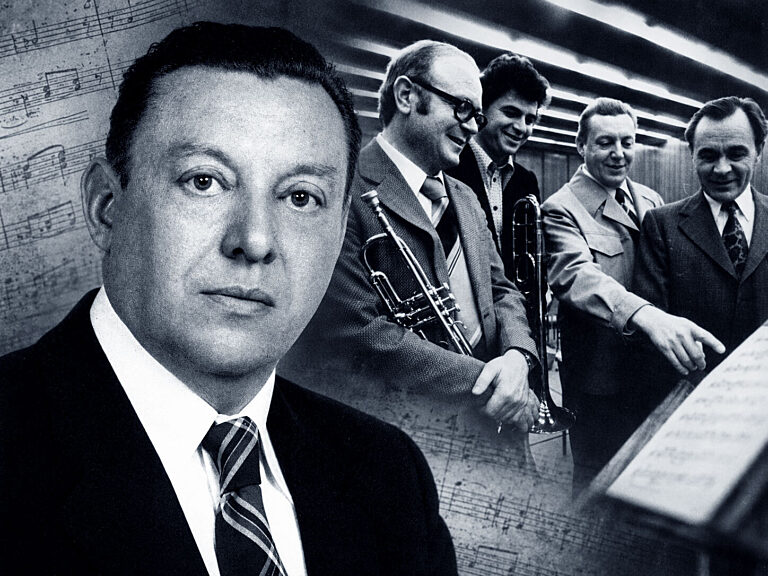
Brass Chamber Music in Hungary
Ancient horns, military signals and postwar ensembles meet in a Hungarian brass tradition shaped as much by education and composers as by performers.
Por Frigyes Varasdy
 Gratuito
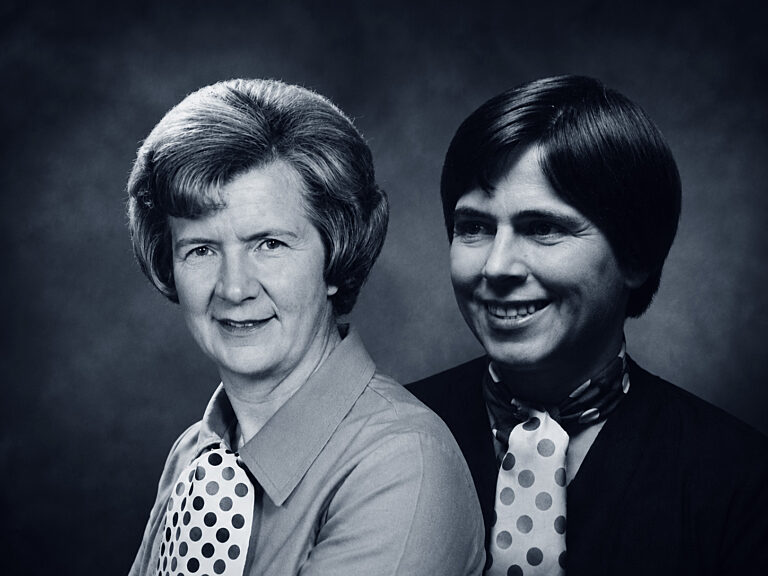
Women and brass: 3 Portraits
Barbara Stone, Betty Anderson, Kate Kaminga
Three British and Dutch conductors moved from brass band performance to leadership roles, confronting a scene still largely shaped by male traditions.
Por Markus S. Bach
 Gratuito
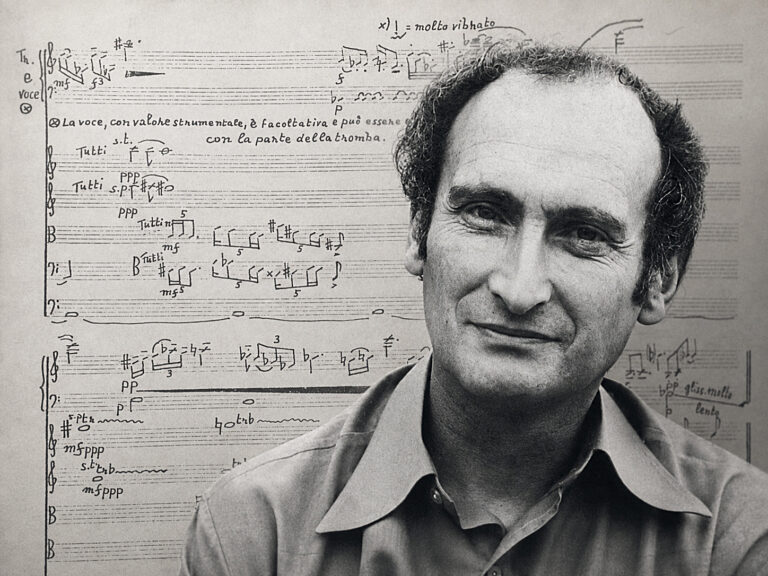
Scraps of Thoughts and Memories concerning “Passages” for trumpet and strings
Between waiting and movement, Passages reimagines soloist and orchestra—inviting exploration, listening, and the acceptance of the unexpected.
Por Victor Fenigstein
Indeterminate instrumentation
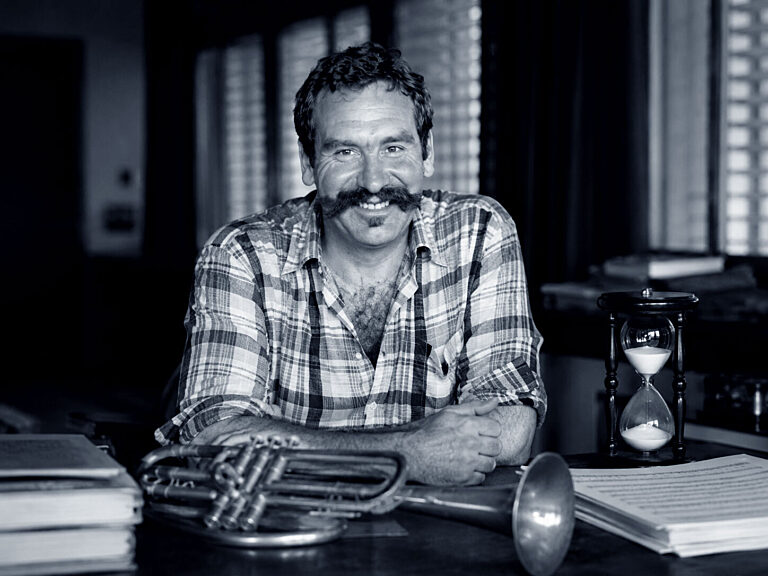
A Way of Extending Instrumental Technic
Can technique go beyond notation? James Fulkerson explores new instrumental possibilities and argues that improvisation is key to expanding both technique and musical thinking.
Por James Fulkerson
 Miembro
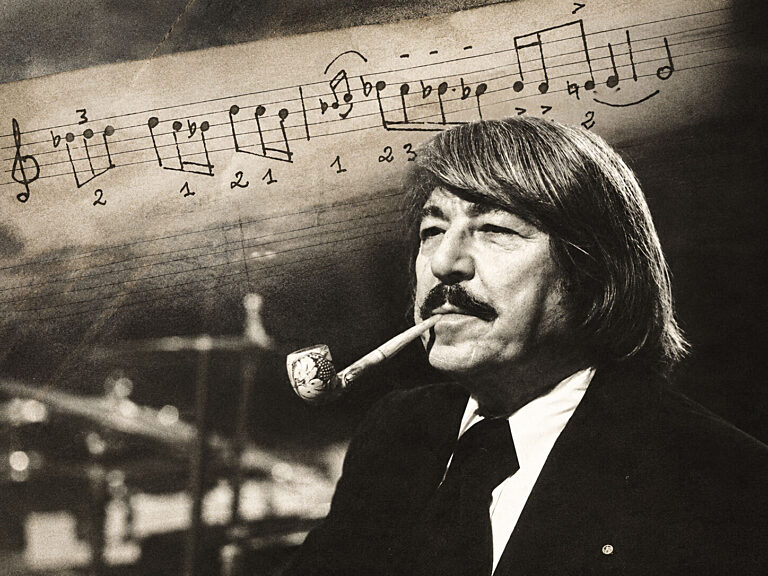
Editorial
As music becomes increasingly industrialized, Jean-Pierre Mathez argues for restoring local musical communities where composers, performers and audiences shape a shared identity.
Por Jean-Pierre Mathez
 Miembro
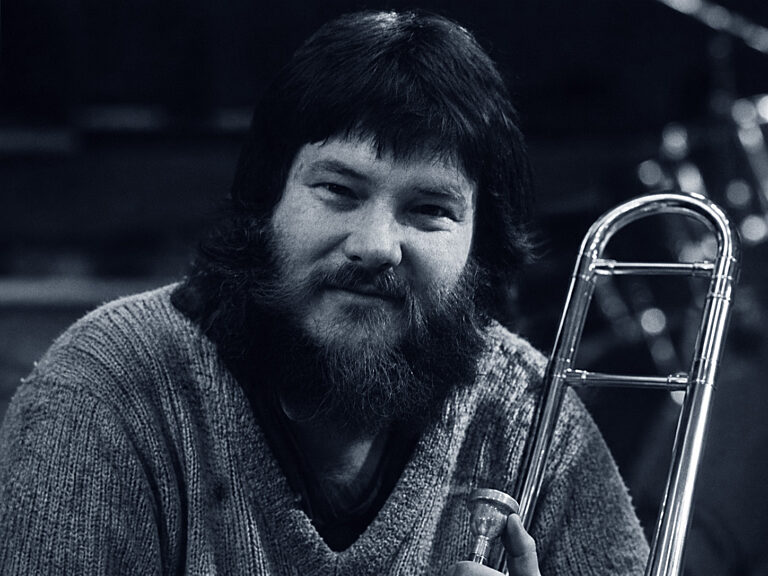
Maurice Ravel and the new trombone
Dance-band trombonists reshaped orchestral expectations in the 1920s and 30s, leaving their mark on Ravel’s Boléro and a generation of players.
Por Michel Laplace
 Gratuito
Interview with Miles Anderson
Jean-Pierre Mathez traces Miles Anderson’s path from early training to orchestral and freelance work, expanding on the tension between livelihood and artistic pursuit.
Por Jean-Pierre Mathez
Can jazz performance be taught?
A profile of Charlie Shoemake
Por Thomas Stevens
 Gratuito
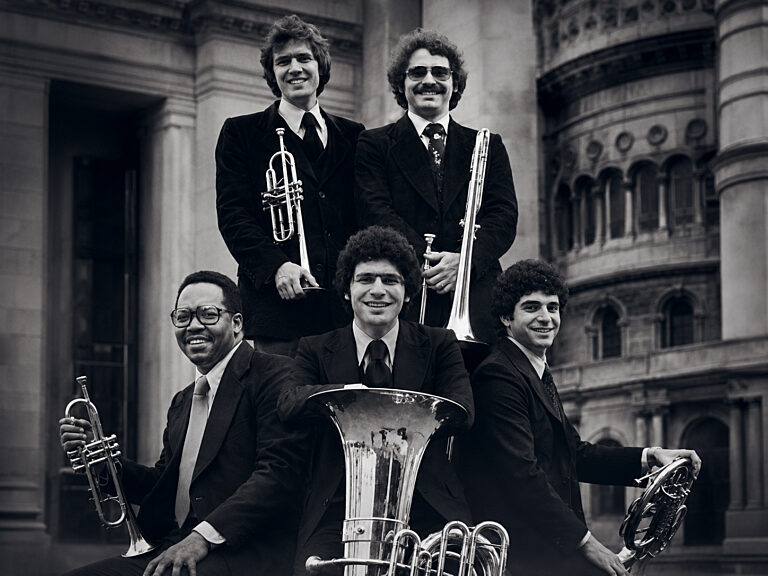
Empire Brass Quintet
Portrait in brief
From New York to Boston, five brass players built a chamber music identity rooted in Ewald, early music and a string-quartet approach to ensemble sound.
Por Jean-Pierre Mathez