Ofrezca Brass Bulletin en su universidad, conservatorio o biblioteca Descubra el acceso institucional

Jazz

31 artículos disponibles en línea
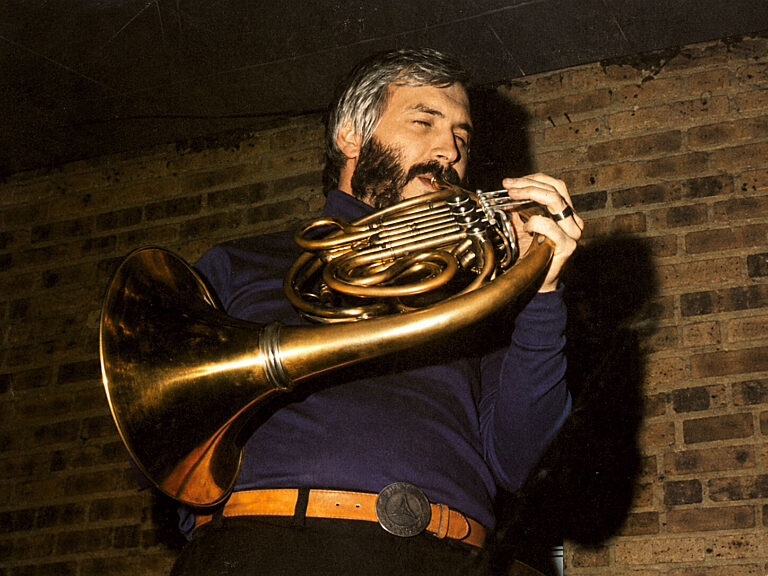
Jazz and the Horn Miembro
N.º 54 • 1986 Digitalizado

Serie El jazz y la trompa • Parte 8

Jazz and the Horn

Dale Clevenger

Principal horn of the Chicago Symphony Orchestra, Dale Clevenger spent his Tuesday evenings playing jazz, discovering a freedom that classical training alone could not provide.

Por Jeffrey Agrell
Encuentros Jazz Improvisación
From musical wallpaper to the twelve-note row Miembro
N.º 55 • 1986 Digitalizado

Parte 1

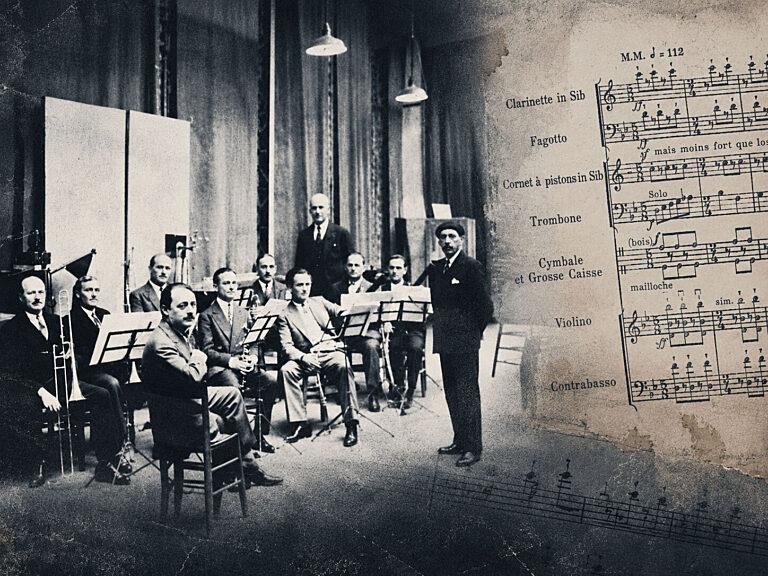
From musical wallpaper to the twelve-note row

The trombone in the chamber ensemble at the beginning of modern music (1913-1934)

Between 1913 and 1934, the trombone gained an unexpected place in chamber music as Satie, Milhaud and Stravinsky challenged orchestral traditions with jazz and new sounds.

Por Michael Struck-Schloen
Repertorio Historia Música contemporánea Jazz
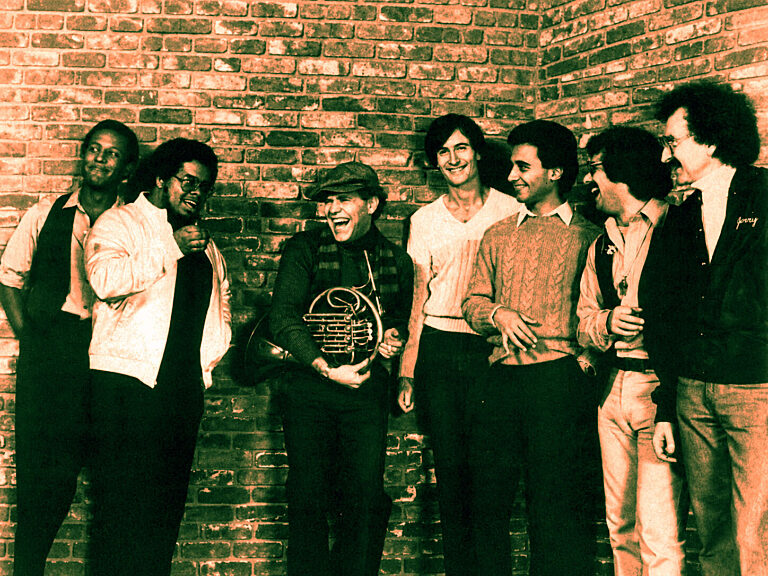
Jazz and the Horn Miembro
N.º 50 • 1985 Digitalizado

Serie El jazz y la trompa • Parte 6

Jazz and the Horn

Peter Gordon

Classically trained but drawn elsewhere, Peter Gordon made the horn at home in jazz, studios and popular music without abandoning its orchestral foundations.

Por Jeffrey Agrell
Encuentros Jazz Improvisación
Jazz and the Horn Gratuito
N.º 47 • 1984 Digitalizado

Serie El jazz y la trompa • Parte 5

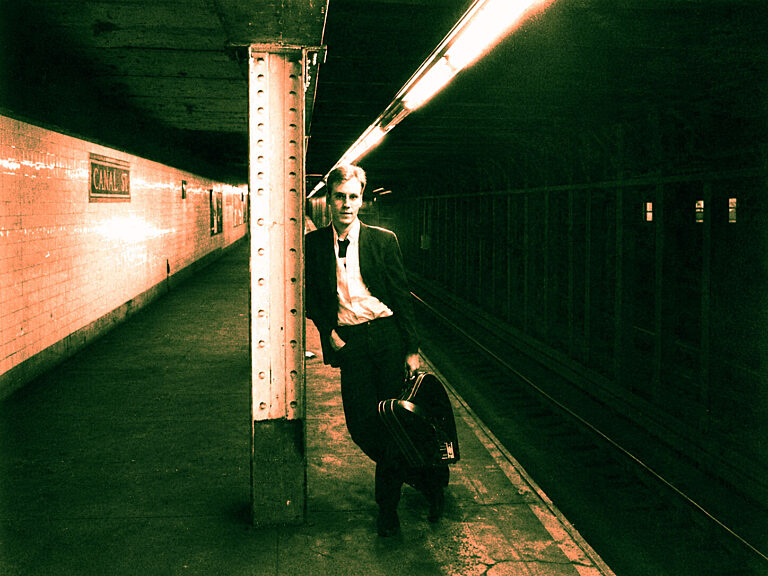
Jazz and the Horn

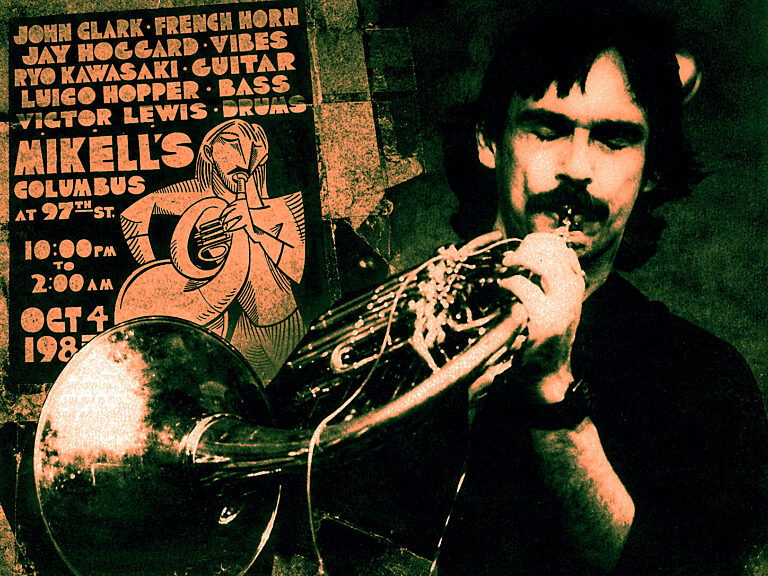
Tom Varner

Choosing jazz over the orchestral path, Tom Varner confronts the horn’s stiffness, projection and unlikely place as a front-line improvising voice.

Por Jeffrey Agrell
Encuentros Jazz Improvisación
Jazz and the Horn Miembro
N.º 52 • 1985 Digitalizado

Serie El jazz y la trompa • Parte 7

Jazz and the Horn

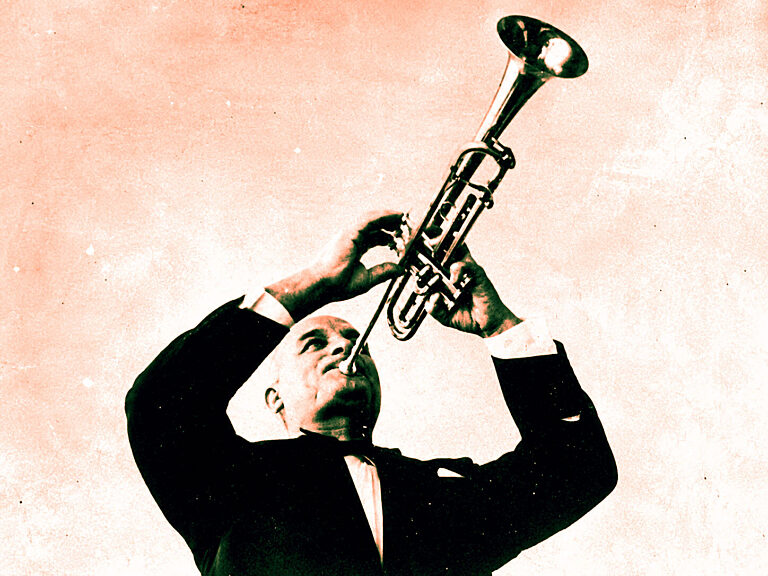
John Clark

John Clark made the horn a jazz voice on its own terms, balancing improvisation, studio realities and an instrument still fighting to escape classical expectations.

Por Jeffrey Agrell
Encuentros Técnica Jazz Improvisación
George Swift, You see who I mean? Miembro
N.º 55 • 1986 Digitalizado

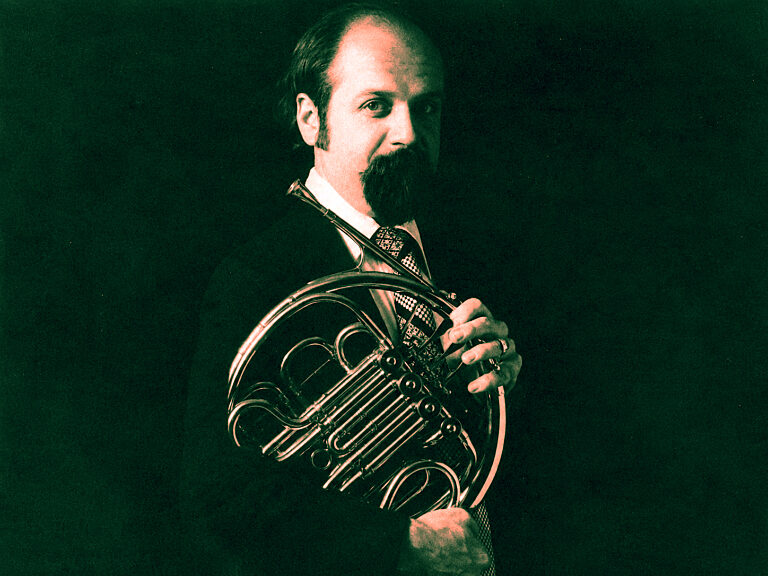
George Swift, You see who I mean?

In the 1930s, George Swift brought cornet virtuosity and jazz influences to the concert trumpet, building a remarkable reputation through just a handful of recordings.

Por Michel Laplace
Historia Jazz Interpretación solista
Jazz and the Horn Miembro
N.º 45 • 1984 Digitalizado

Serie El jazz y la trompa • Parte 4

Jazz and the Horn

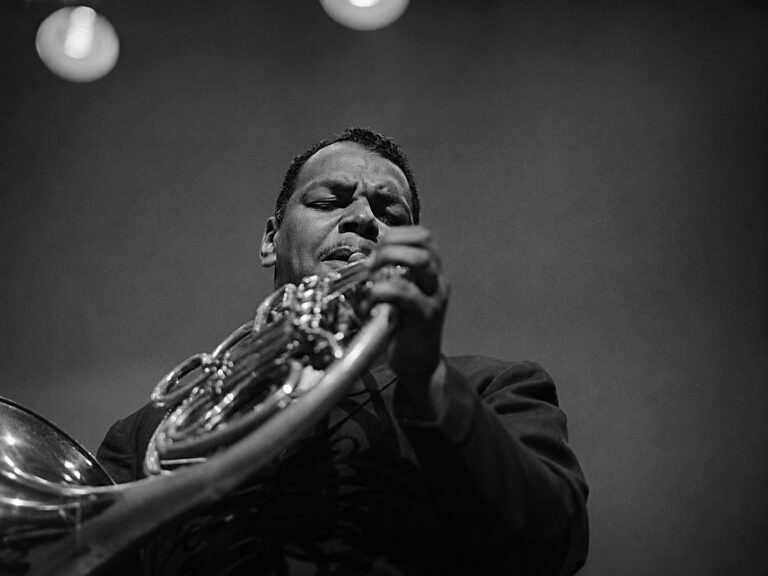
Thomas Bacon

Classical discipline meets jazz-rock freedom as Thomas Bacon confronts improvisation, stylistic crossover and the physical demands placed on the horn.

Por Jeffrey Agrell
Encuentros Improvisación Jazz
Jazz and the Horn Miembro
N.º 41 • 1983 Digitalizado

Serie El jazz y la trompa • Parte 2

Jazz and the Horn

Julius Watkins

A pioneering career, landmark recordings and collaborations with jazz legends gave the French horn a place it had never occupied before.

Por Jeffrey Agrell
Encuentros Vida profesional Jazz Improvisación Trabajo autónomo
The Trumpet and the Cornet in Jazz and Popular Music Miembro
N.º 45 • 1984 Digitalizado

Parte 4

The Trumpet and the Cornet in Jazz and Popular Music

The instrument for jazz

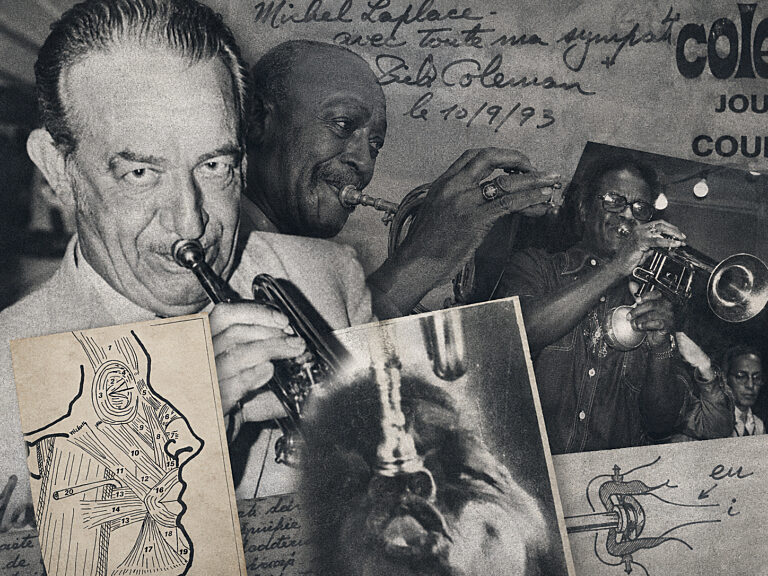
Jazz trumpet playing balances equipment, embouchure and articulation, as changing sound ideals reshape mouthpieces, technique and the physical approach to playing.

Por Michel Laplace
Historia Jazz Labios Articulación
Aimé Barelli Miembro
N.º 50 • 1985 Digitalizado

Aimé Barelli

Trumpet crooner

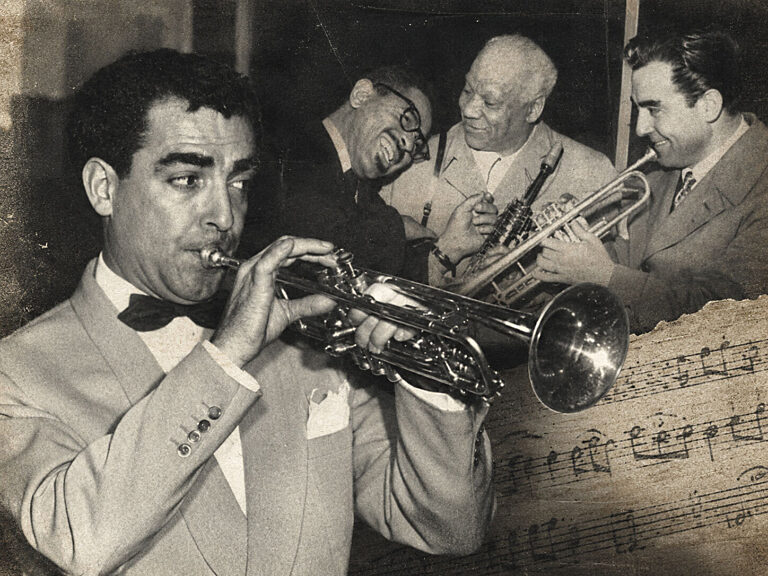
French jazz, wartime Paris and changing styles shaped a trumpeter whose playing balanced virtuosity, melody and expression across several musical worlds.

Por Michel Laplace
Historia Jazz
The Trumpet and the Cornet in Jazz and in Popular Music Miembro
N.º 46 • 1984 Digitalizado

Parte 5

The Trumpet and the Cornet in Jazz and in Popular Music

Breathing

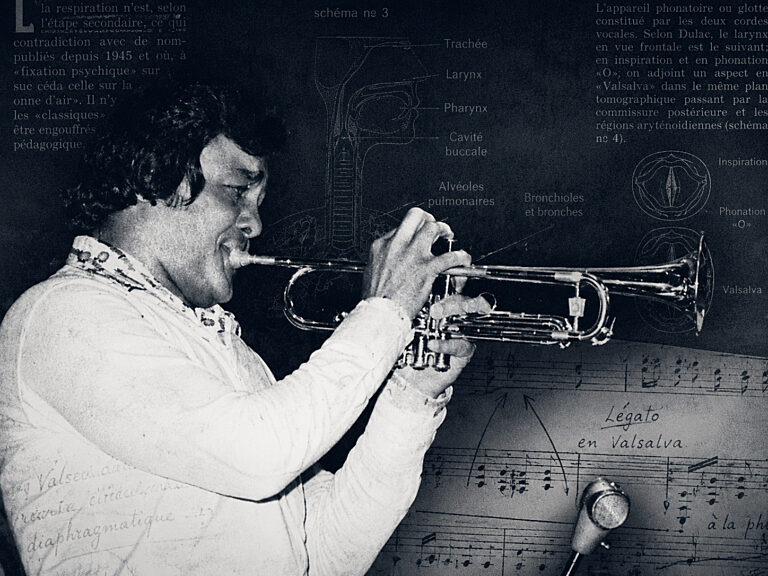
Breathing, Valsalva, mouthpiece position and daily practice collide with received wisdom as trumpet technique is reconsidered from the body outward.

Por Michel Laplace
Técnica Jazz Respiración
The trombone in Jazz and Popular Music Gratuito
N.º 50 • 1985 Digitalizado

Parte 1

The trombone in Jazz and Popular Music

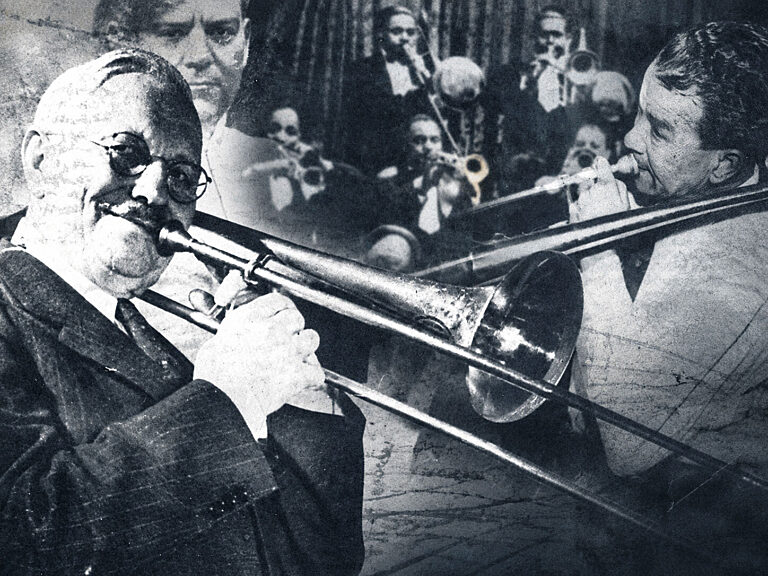
Jazz did not invent the modern trombone: early virtuosos, New Orleans players and changing techniques reveal a more complex path toward flexibility and legato.

Por Michel Laplace

Historia Técnica Jazz Articulación
N.º 67 • 1989 Pendiente de digitalización

Parte 2

Does Jazz still have a soul?

Por Michel Laplace

Sociedad Jazz
Gratuito
N.º 10 • 1975 Digitalizado

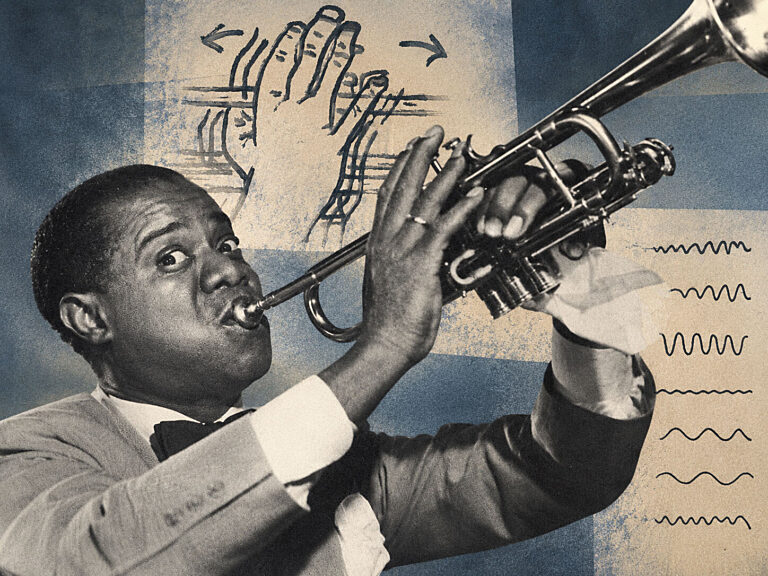
To be «Lead Trumpet» in a Jazz Orchestra

Glenn Stuart explores the demanding role of the lead trumpet in a jazz orchestra, combining leadership, endurance and musical vision to shape the sound of the entire band.

Por Glenn Stuart
Encuentros Vida profesional Jazz
The Trumpet and the Cornet in Jazz and Popular Music Miembro
N.º 47 • 1984 Digitalizado

Parte 6

The Trumpet and the Cornet in Jazz and Popular Music

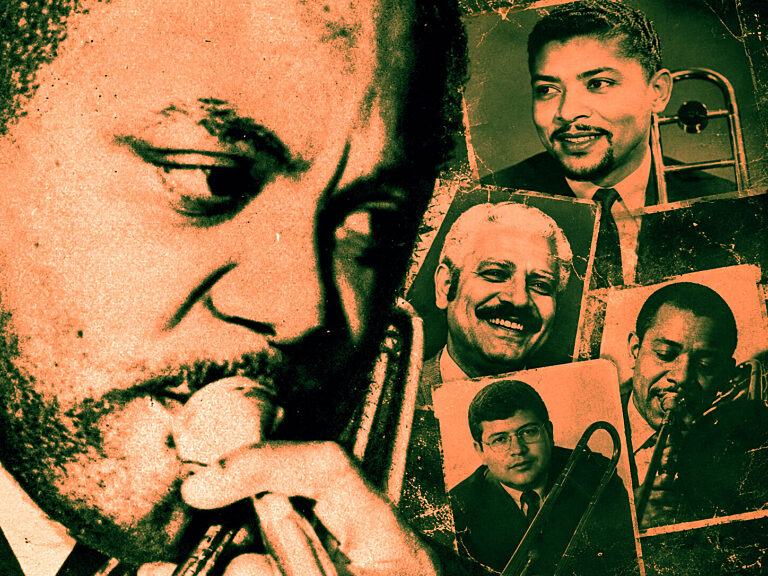
Special jazz techniques

Vibrato, half-valves, growls and shakes lead to a larger argument: jazz transformed trumpet technique, yet its contribution remained strikingly undervalued.

Por Michel Laplace
Historia Jazz Improvisación Articulación
The trombone in Jazz and Popular Music Miembro
N.º 52 • 1985 Digitalizado

Parte 3

The trombone in Jazz and Popular Music

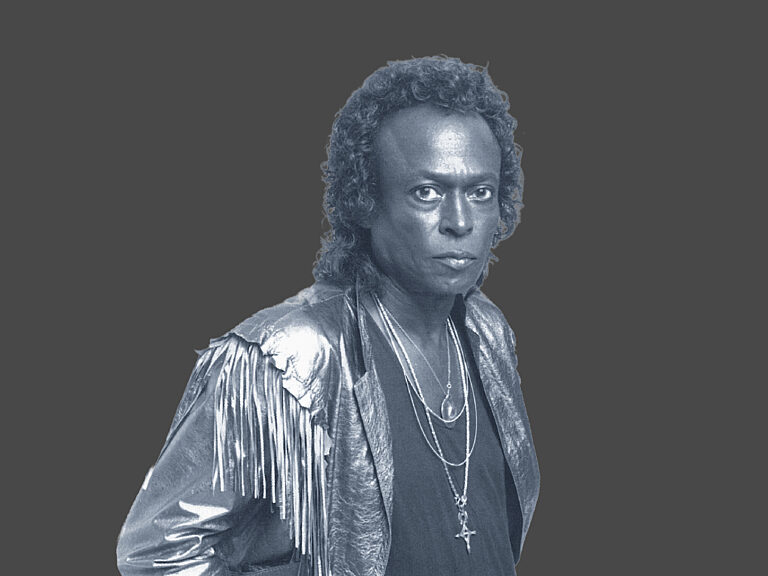
Pluralism of expression since 1945

Bebop, cool jazz, free jazz and neo-classicism transformed the trombone after 1945, as new players, techniques and instruments pushed its boundaries.

Por Michel Laplace
Historia Técnica Jazz
Miles Davis Gratuito
N.º 81 • 1993 Digitalizado

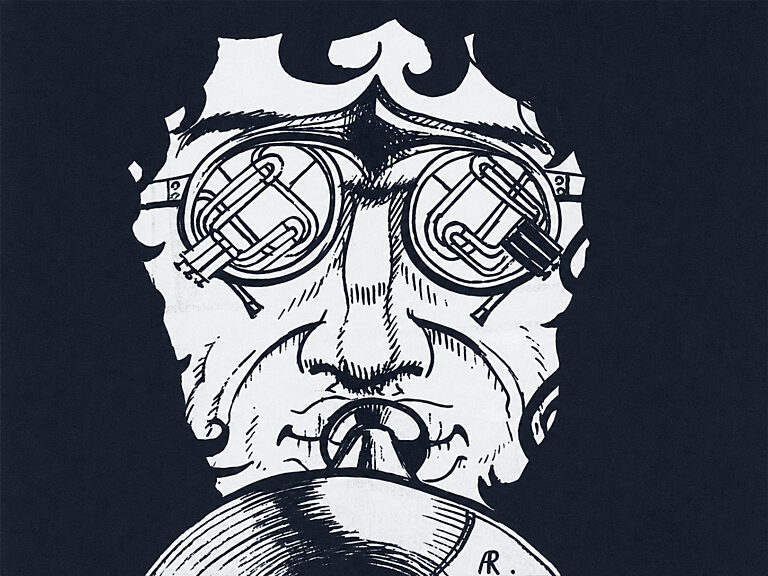
Miles Davis

Encuentro a través de la cocina

Verduras, caballos y un Ferrari rodean a un Miles Davis lejos del escenario, entre vida cotidiana, música, provocación y una feroz necesidad de independencia.

Por Robert L. Watt
Backstage Jazz
Jazz and the Horn Miembro
N.º 40 • 1982 Digitalizado

Serie El jazz y la trompa • Parte 1

Jazz and the Horn

The horn was once considered incompatible with jazz until changing ideas of sound and musicians like John Graas quietly overturned that certainty.

Por Jeffrey Agrell

Repertorio Historia Jazz Improvisación
Jazz and the Horn Miembro
N.º 42 • 1983 Digitalizado

Serie El jazz y la trompa • Parte 3

Jazz and the Horn

Getting started

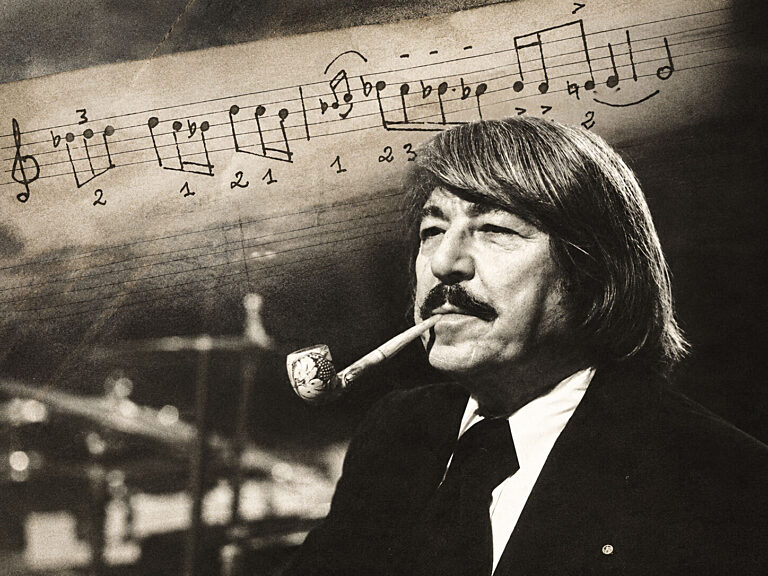
For the classically trained horn player, jazz replaces the security of the printed page with listening, swing and improvisation—and a different kind of discipline.

Por Jeffrey Agrell
Enseñanza Técnica Jazz Improvisación Articulación
Maurice Ravel and the new trombone Miembro
N.º 47 • 1984 Digitalizado

Maurice Ravel and the new trombone

Dance-band trombonists reshaped orchestral expectations in the 1920s and 30s, leaving their mark on Ravel’s Boléro and a generation of players.

Por Michel Laplace

Historia Técnica Articulación Jazz Sonido
N.º 57 • 1987 Pendiente de digitalización

Can jazz performance be taught?

A profile of Charlie Shoemake

Por Thomas Stevens

Repertorio Enseñanza Jazz Ideas
N.º 66 • 1989 Pendiente de digitalización

Parte 1

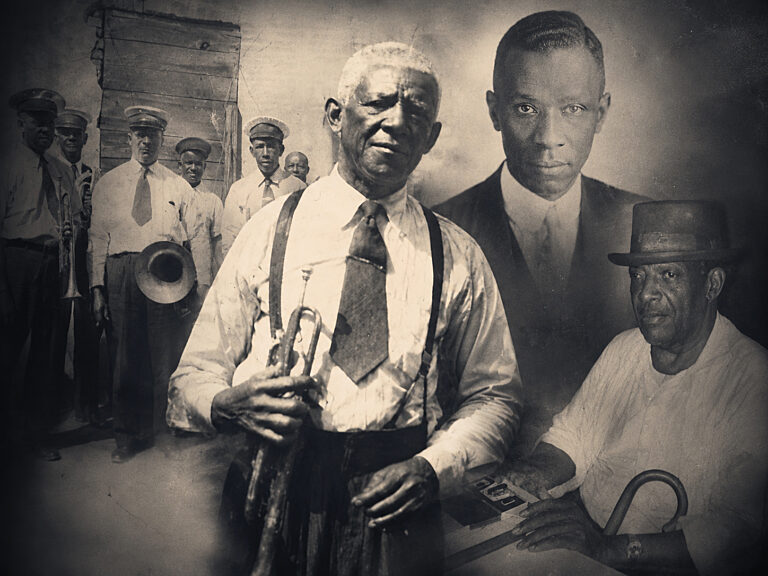
Does Jazz still have a soul?

Por Michel Laplace
Sociedad Jazz
The Trumpet and the Cornet in Jazz and Popular Music Gratuito
N.º 42 • 1983 Digitalizado

Parte 1

The Trumpet and the Cornet in Jazz and Popular Music

Before Louis Armstrong became the defining figure, jazz already carried competing traditions of tone, style and technique shaped by cornet players across New Orleans and beyond.

Por Michel Laplace
Historia Repertorio Jazz Improvisación
Harry James (1916-1983) Miembro
N.º 45 • 1984 Digitalizado

Harry James (1916-1983)

Young Man With A Horn

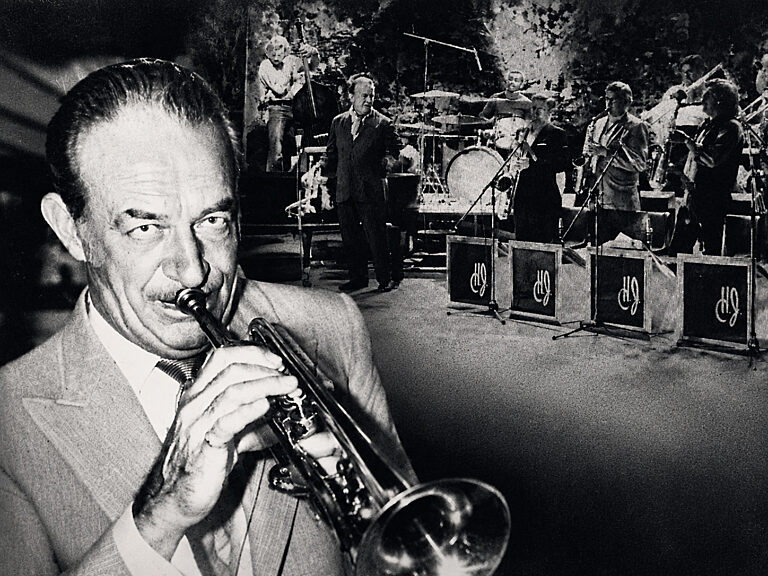
Harry James stood between jazz virtuosity and popular showmanship, turning the trumpet into a mass-audience voice without losing the respect of classical players.

Por Michel Laplace

Encuentros Historia Jazz Interpretación solista
Cargando…

Preguntas y respuestas

Cómo funciona la edición digital

¿Qué incluye la edición digital?

La edición digital reúne los artículos ya digitalizados como textos legibles y consultables en línea —no simplemente como escaneos o archivos PDF— junto con sus ilustraciones originales, notas, autoría, información del número y traducciones disponibles. Las sugerencias de artículos relacionados incluyen actualmente solo este material digitalizado.

¿Los artículos digitales son idénticos a los originales?

Conservamos con la mayor fidelidad posible el texto original, el idioma, las ilustraciones, los pies de imagen, las notas y el contexto editorial. La presentación se adapta para facilitar la lectura en línea y pueden corregirse errores evidentes de transcripción o escaneado. El contenido y el carácter del artículo publicado permanecen inalterados.

¿Qué idiomas están disponibles?

Brass Bulletin se publicó en inglés, francés y alemán a lo largo de toda su historia. Las traducciones al italiano y al español se añadieron a partir del número 60. Por este motivo, en los sitios italiano y español los artículos de los números 1 a 59 se muestran en inglés de forma predeterminada.

¿Con qué frecuencia se añaden nuevos artículos?

Se añaden nuevos artículos casi a diario, con aproximadamente un número completo digitalizado cada semana. El ritmo puede variar según el trabajo de preparación, tratamiento de imágenes y revisión editorial necesario.

¿Por qué no están disponibles todos los artículos en formato digital?

La colección completa de Brass Bulletin contiene 1.246 artículos publicados entre 1971 y 2003. El índice completo ya está disponible en línea y permite descubrir todos los artículos de la colección, incluidos aquellos cuyo texto íntegro todavía no ha sido digitalizado.

La digitalización comenzó en febrero de 2026. Cada artículo se prepara cuidadosamente para la lectura en línea, se revisa y se vincula con su número, sus autores, sus temas y sus ilustraciones. Al ritmo actual de digitalización, se prevé que la colección completa esté disponible en línea en febrero de 2028.

¿Por qué algunas referencias mencionan artículos que todavía no están disponibles?

Las referencias de los artículos originales se conservan aunque el material al que remiten aún no haya sido digitalizado. De este modo se mantiene intacto el contexto histórico y editorial. A medida que se incorporen más números a la edición digital, un número creciente de estas referencias conducirá a artículos que podrán leerse en línea.

¿Puedo sugerir un artículo o informar de un error de transcripción?

Sí. Si hay algún artículo que le gustaría especialmente ver digitalizado, o si detecta un posible error de transcripción o algún dato que falta, póngase en contacto con nosotros. Los comentarios de los lectores nos ayudan a mejorar la edición digital y a establecer prioridades útiles dentro del archivo.

¿Cómo puedo apoyar a Brass Bulletin?

Su apoyo ayuda a financiar la preparación, verificación y publicación en línea de la colección completa.

Suscríbase a la Edición Digital

¿Prefiere apoyarnos sin suscribirse?

Haga una donación

¿Cómo avanza la digitalización?

Estamos poniendo Brass Bulletin a disposición de los lectores en línea, artículo por artículo. Pueden leer los artículos recién digitalizados en cuanto estén listos, incluso antes de que se complete un número entero.

Consulten nuestro calendario de digitalización para descubrir las últimas novedades y las fechas estimadas de disponibilidad de los próximos números. Estas estimaciones se basan en nuestro ritmo reciente y pueden cambiar.

Busca en Brass Bulletin.