Las traducciones originales al español de Brass Bulletin comienzan con el n.º 60.

1 min de lectura

Special Hungary

Barcs 1984

First International Brass Ensemble Competition

Barcs 1984

It takes great determination to gather musicians from every country together for a seminar and international brass ensemble competition in a small isolated Hungarian town near the Yugoslav border.

Vendel Bauer, director of the Barcs music school, is the founder and organiser of this first meeting.

It was a success, appreciated by all the participants and recognised by the highest Hungarian musical authorities (who sent a large delegation) and by the town of Barcs, which gave great administrative and financial help.

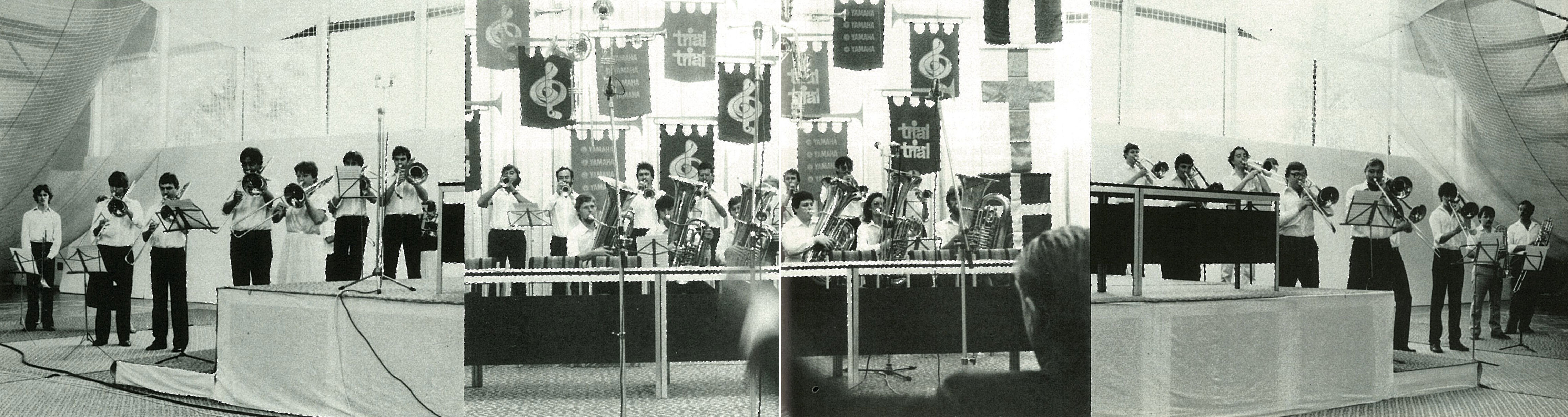
Twenty-four ensembles from eighteen countries appeared on the stage of a brand-new sports hall transformed for the occasion into a concert hall.

Barcs, a young town and until recently a simple farming village, had put on its Sunday best to greet its guests. Enthusiasm and friendliness overcame those few problems we encountered (the hotel system still has teething troubles). The excellent food and (remarkable!) local wines contributed greatly to making our stay enjoyable.

The superiority of the host country’s ensembles was clear (and logical — Hungary is systematically developing brass chamber music). It is a pity that the jury did not give places in the final round to the amazing Moscow Conservatoire quintet, coached by Leonid Chumov, or to the Gabrieli Quintet from Karlsruhe (run by the Friedrich brothers) whose musical and refined playing was quite out of the ordinary.

The final result (see box) is not, however, the most important element of these musical tournaments. The standard of all participants made clear how much the younger generation of brass musicians is accomplishing. After the competition was over one realised that brass players have gone a long way towards a mastery of chamber music such as has existed among strings players, for example, for a long time.

By developing an interesting repertoire, by establishing fruitful contacts with composers and, above all, by performing ever more sensitive and discriminating chamber music, brass players will discover an enormous cultural outlet — and a not inconsiderable source of profit. Well done, Barcs, for this pioneer work¹ — we’ll meet again in 1986 (1-14 August, with, a.o. Philip Jones) for the second edition!

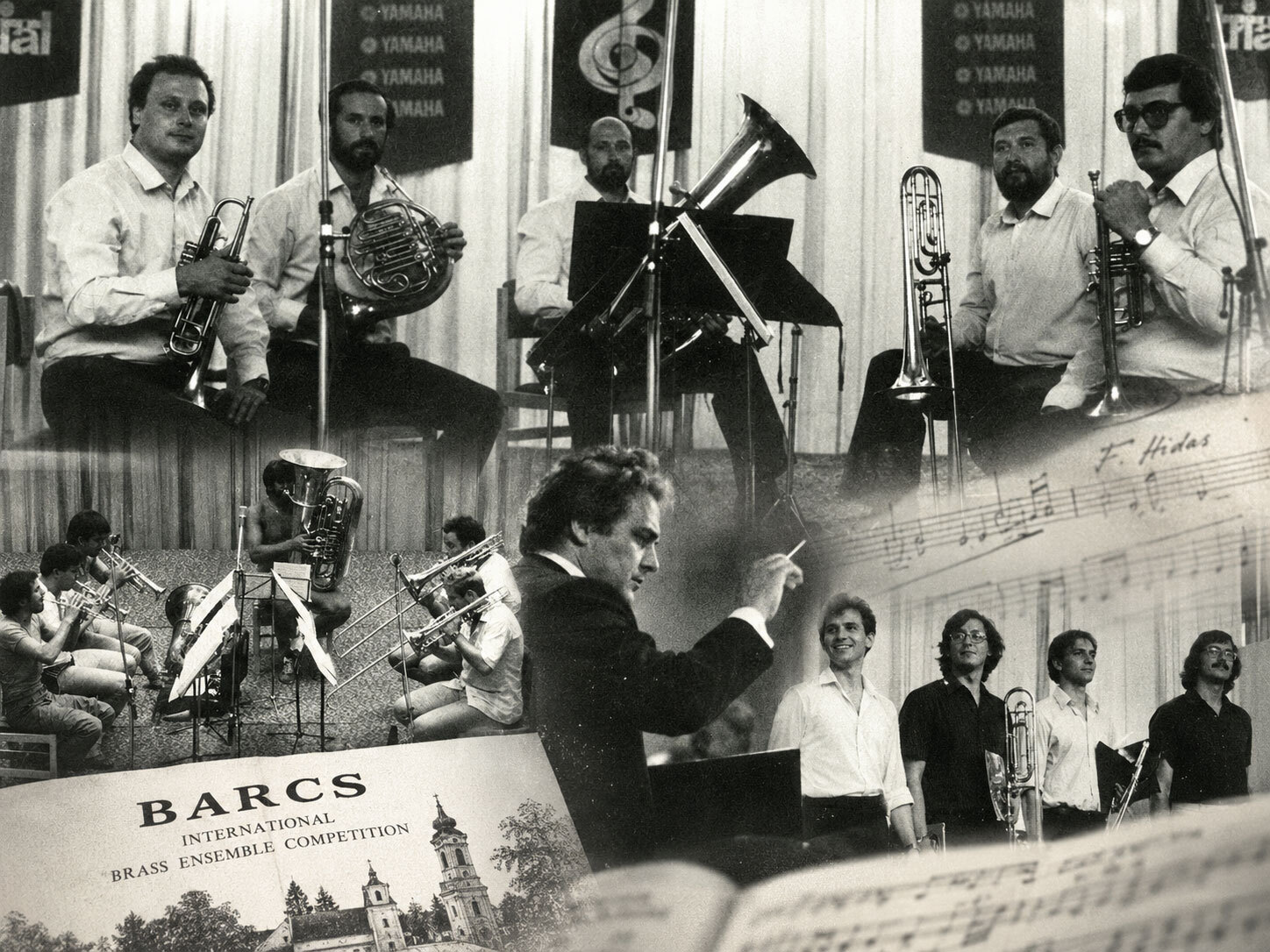
Frigyes Varasdy conducting the overture fanfare specially written by the Hungarian composer Frigyes Hidas.

Frigyes Varasdy conducting the overture fanfare specially written by the Hungarian composer Frigyes Hidas.

Competition results

1st prize:
Brass Quintet of the Budapest Opera Orchestra
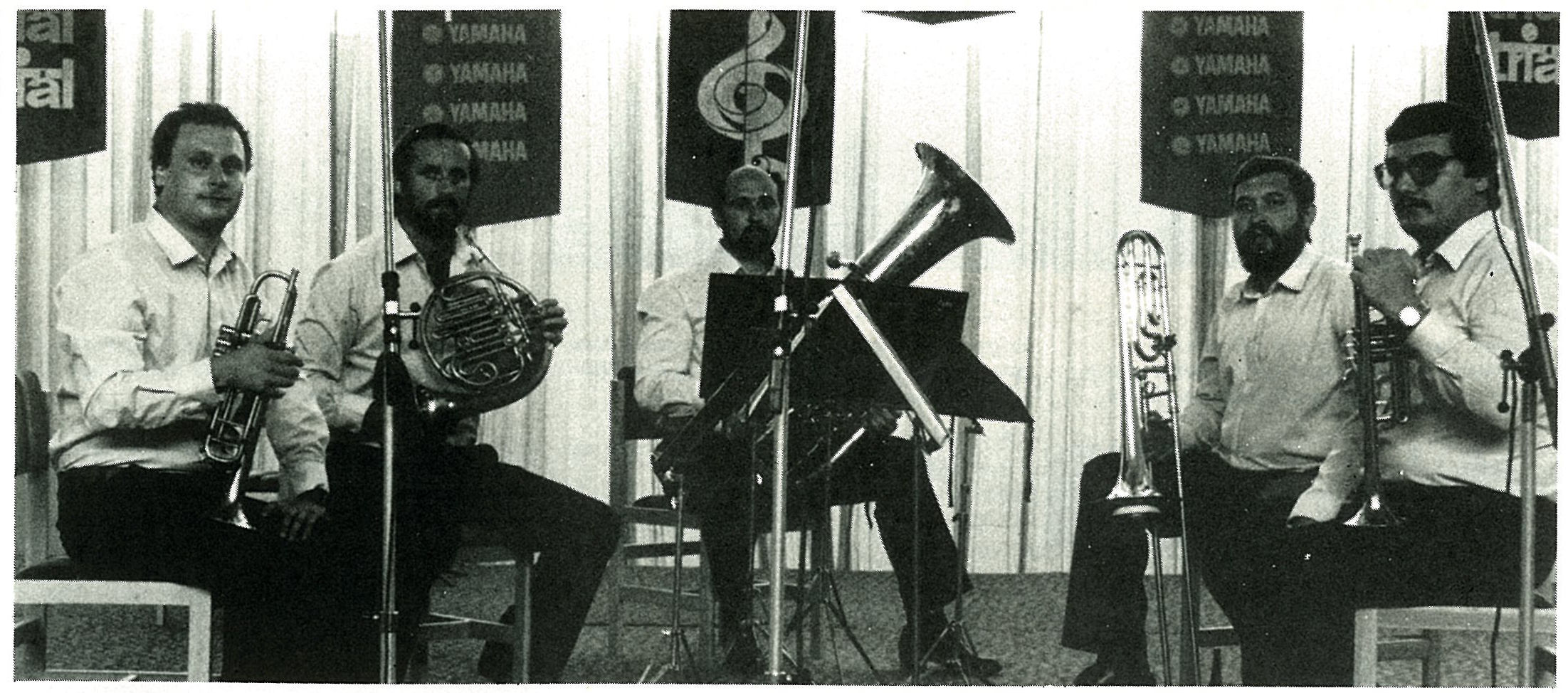
1st prize in Barcs: Budapest Opera Brass Quintet. Unquestionable mastery and impressive power.

1st prize in Barcs: Budapest Opera Brass Quintet. Unquestionable mastery and impressive power.

2nd prize:
Horn Quartet of the Budapest Music Academy
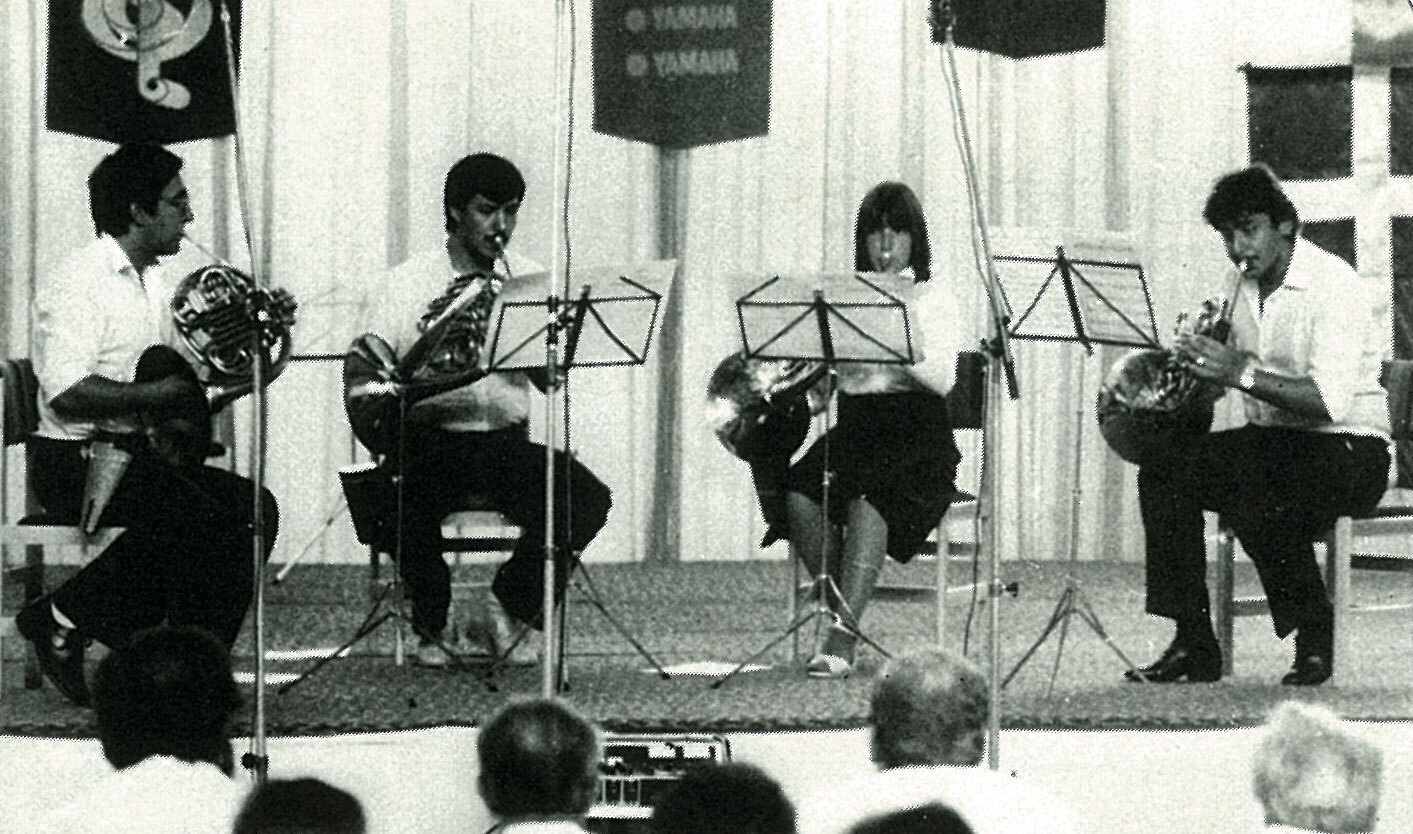
Hornquartet of the Budapest Music Academy — 2nd Prize.Tamas Csurgo, Laszlo Kreka, Eniko Fojto, Zoltan Varga.

Hornquartet of the Budapest Music Academy — 2nd Prize.
Tamas Csurgo, Laszlo Kreka, Eniko Fojto, Zoltan Varga.

3rd prize:
Brass Sextet of the Budapest Music Academy
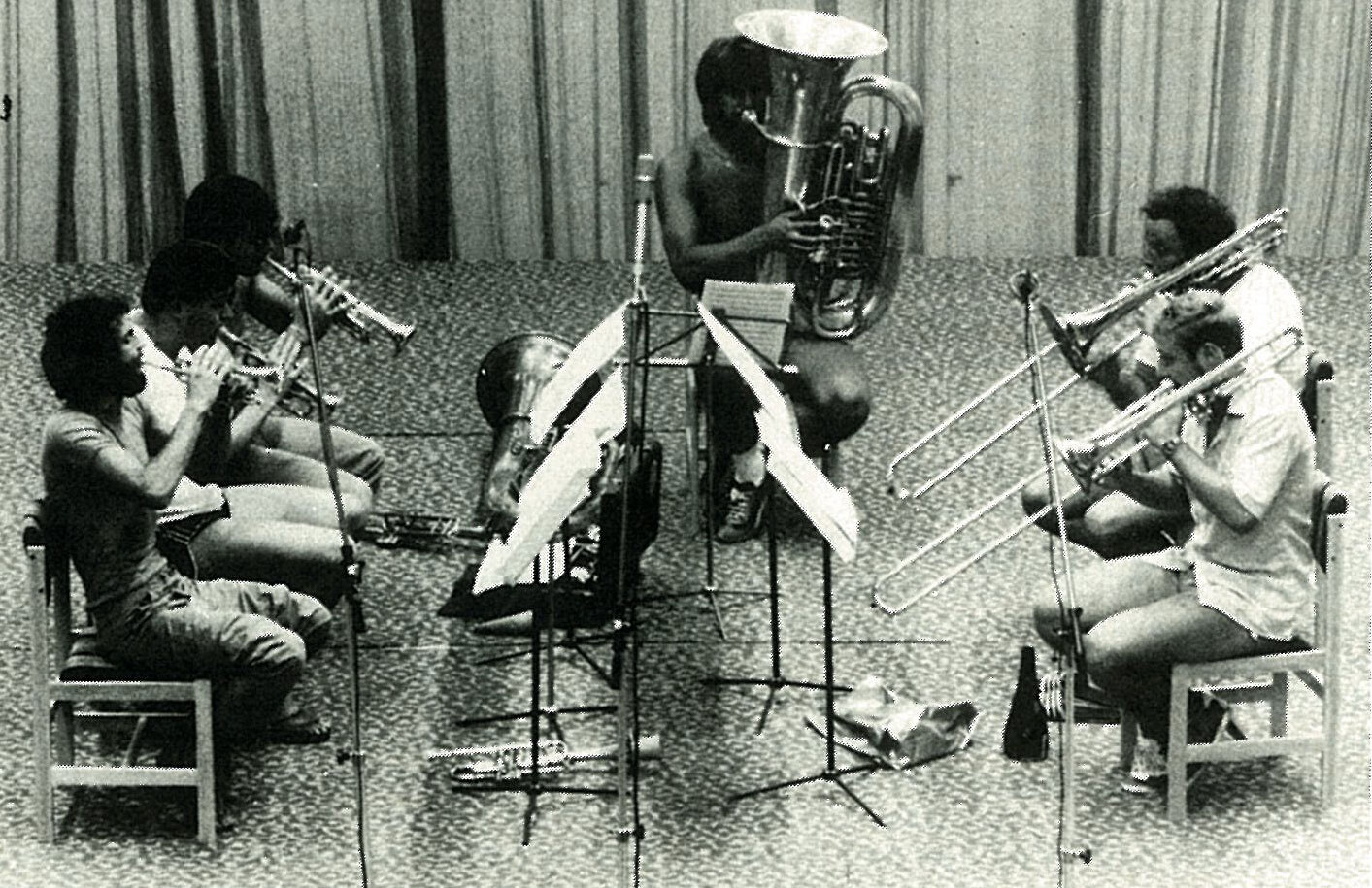
Brass Sextet of the Budapest Music Academy — 3rd Prize.Istvan Ujvari, Tibor Kiraly, Zoltan Bauer, Zoltan Horvath, Istvan...

Brass Sextet of the Budapest Music Academy — 3rd Prize.
Istvan Ujvari, Tibor Kiraly, Zoltan Bauer, Zoltan Horvath, Istvan Venekei, Ferenc Koczias.

Brass Ensemble Seminar

The seminar has two different forms: the national seminar (which takes place every year) for Hungarian ensembles, and the international seminar (to take place every second year). Distinguished teachers are present at both. The study time is interspersed with concerts. This year we heard the Leipzig Horn Quartet, the Guy Touvron Brass Quintet (dazzling), the Budapest Modern Brass Ensemble, the Vienna Horn Society Ensemble and the Budapest Brass Quintet (incredible virtuosity).
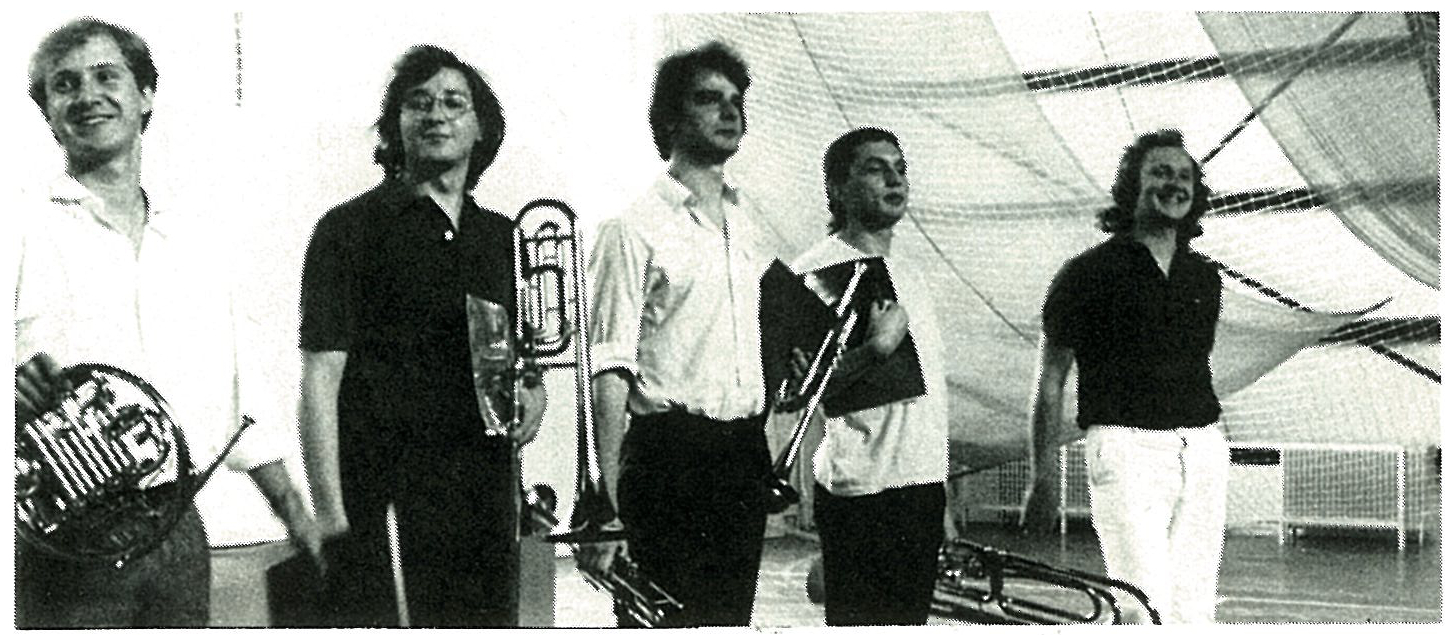
Karlsruhe Gabrieli Quintet. We will have more to say about them! Rare and subtle musical refinement.
Karlsruhe Gabrieli Quintet. We will have more to say about them! Rare and subtle musical refinement.

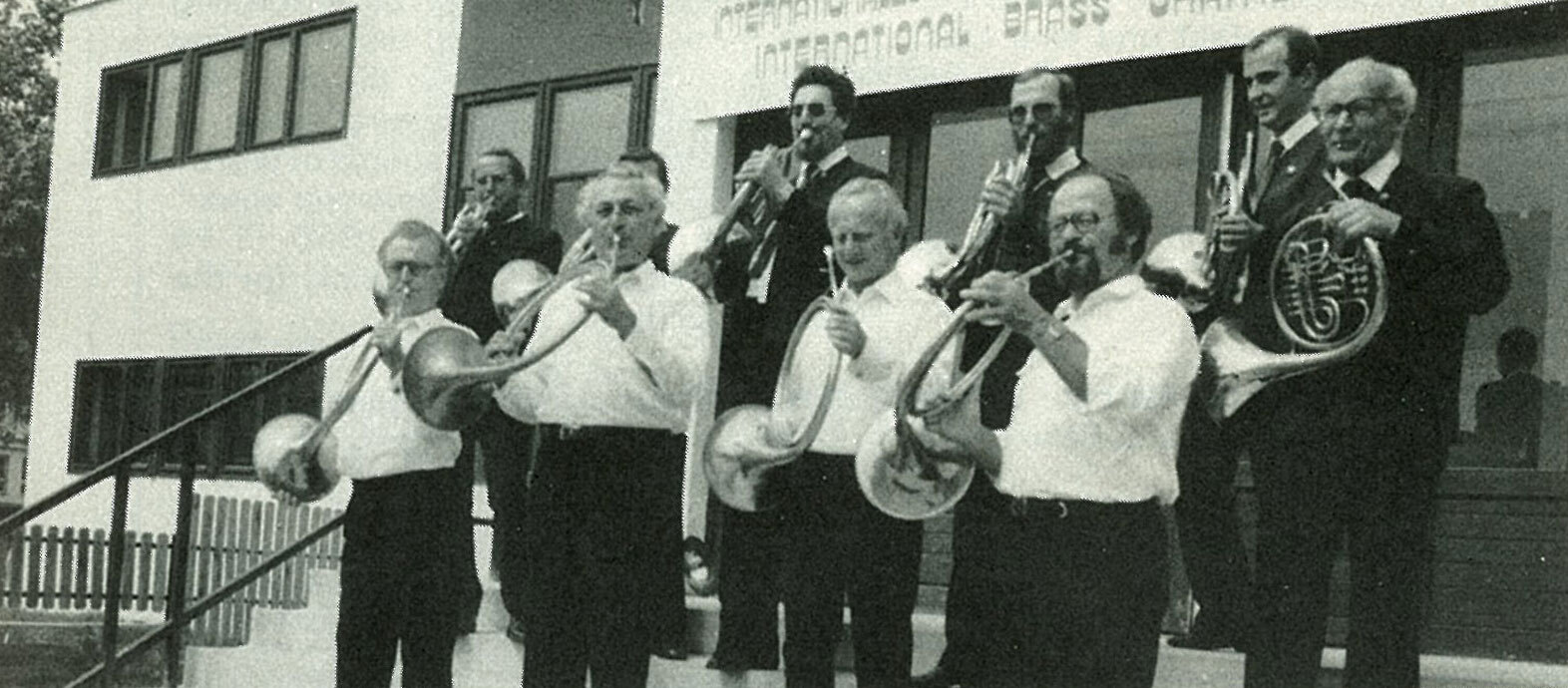
Leipzig Horn Quartet + Wiener Waldhornverein.
Leipzig Horn Quartet + Wiener Waldhornverein.

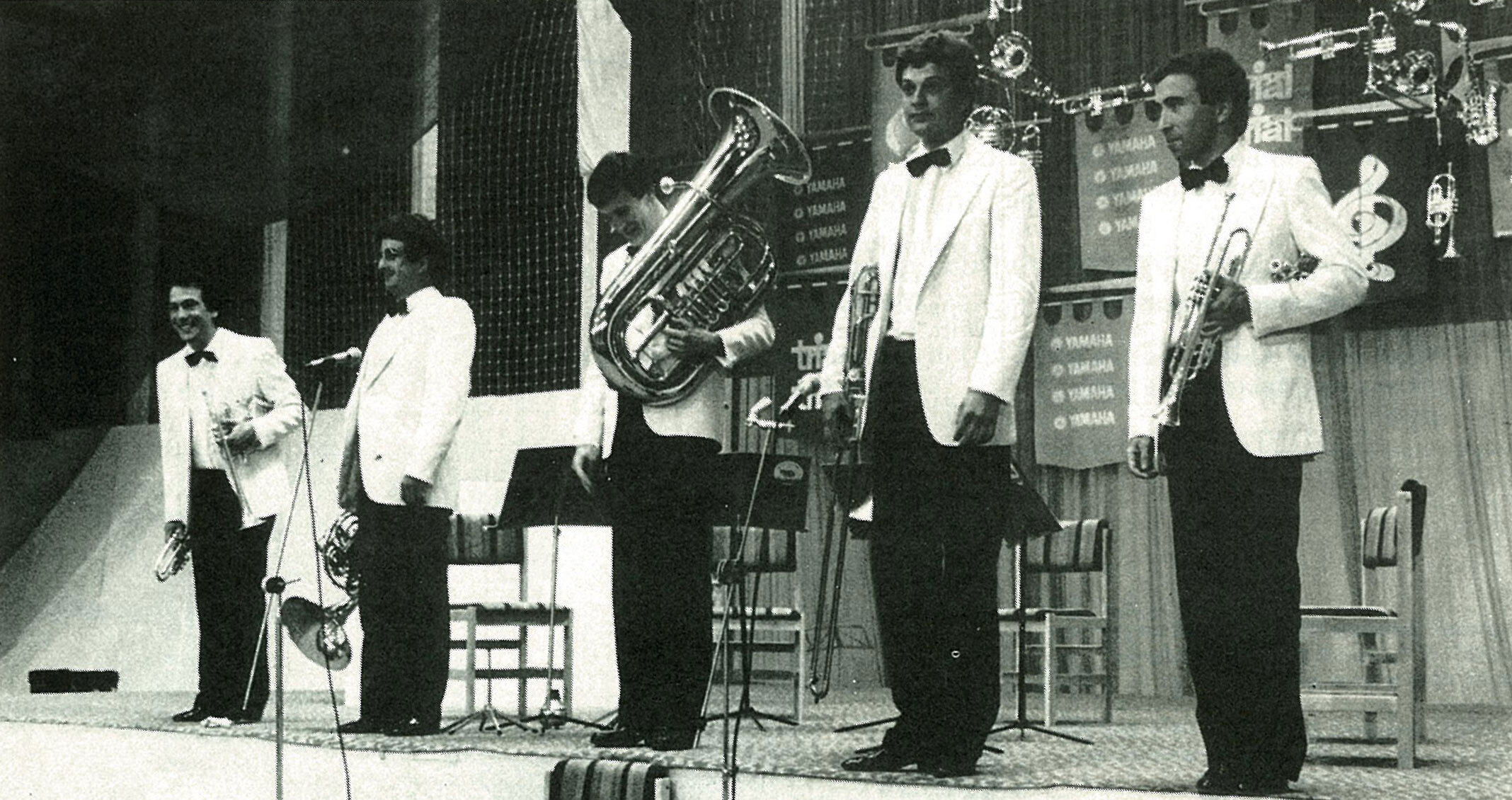
Triumph for the Guy Touvron Brass Quintet.
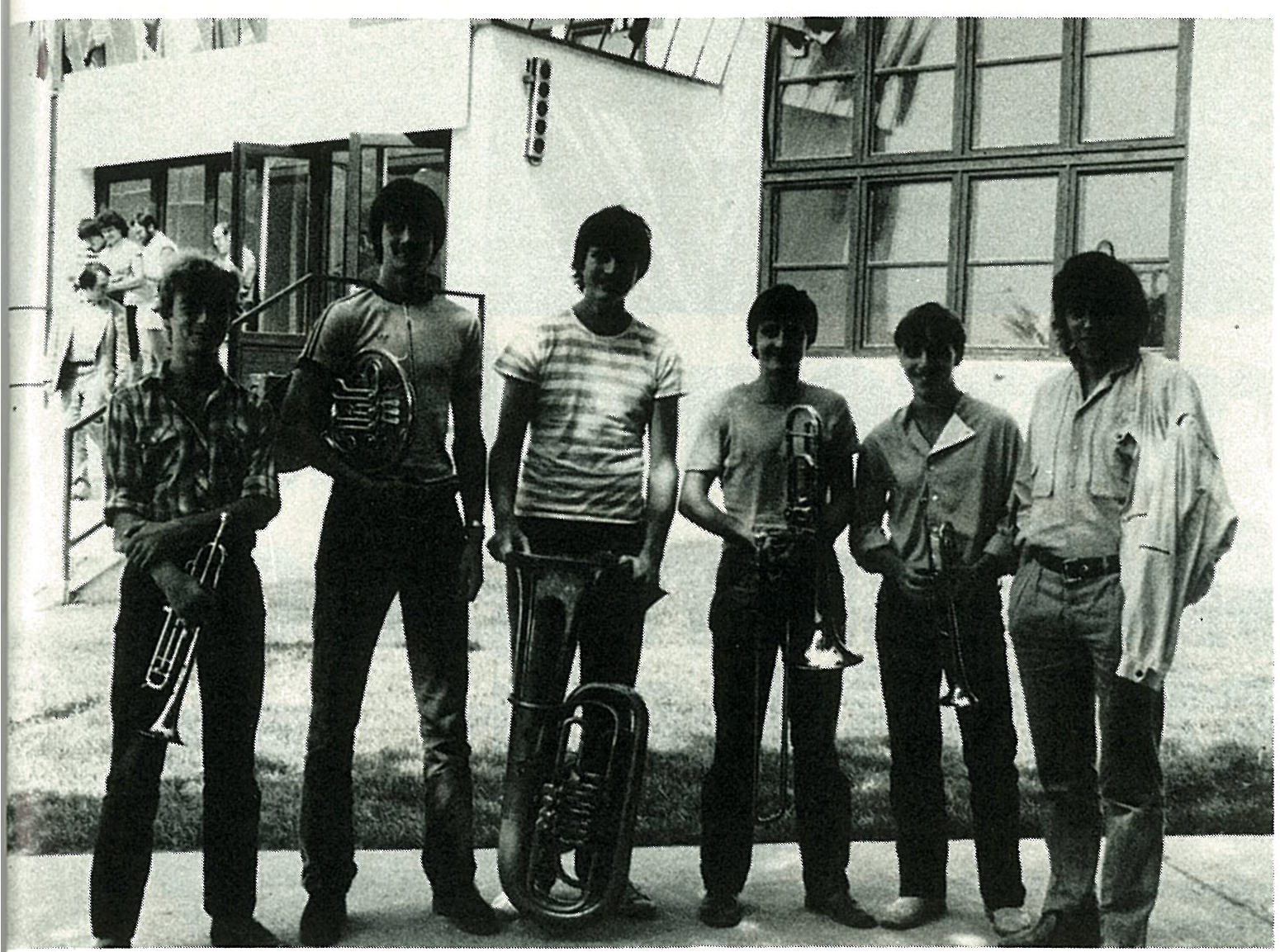
Triumph for the Guy Touvron Brass Quintet.

Chamber music is superbly organised in Hungary. This is the Budapest Brass Quintet III (with Istvan Farkas, trombonist i...

Chamber music is superbly organised in Hungary. This is the Budapest Brass Quintet III (with Istvan Farkas, trombonist in the Budapest Brass Quintet, their teacher) which made a great impression in Barcs.
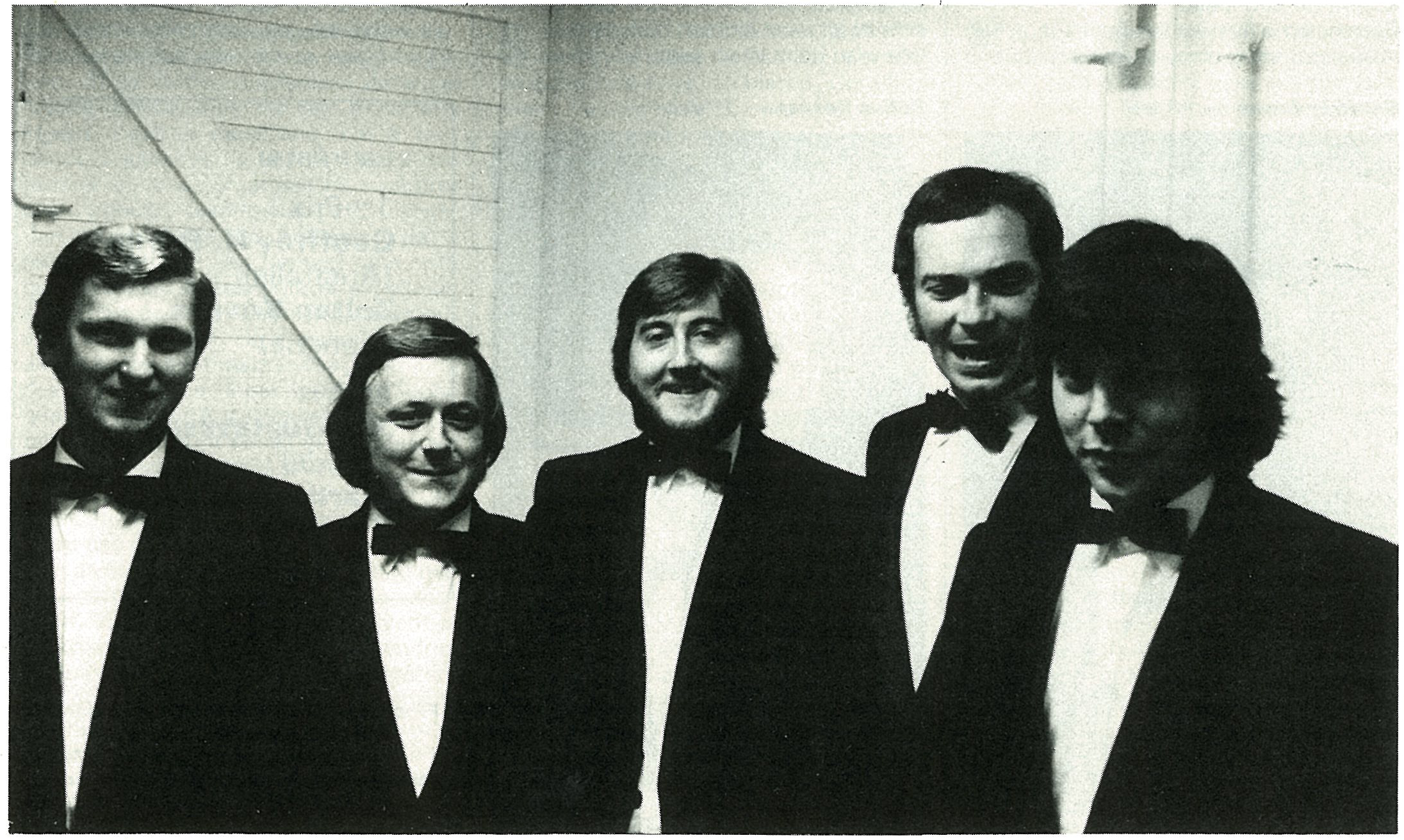
The Budapest Brass Quintet, winners of the International “Maurice André” Competition in Paris in 1979. Now that they are...

The Budapest Brass Quintet, winners of the International “Maurice André” Competition in Paris in 1979. Now that they are famous they are handing on their experience to others. This photograph shows them after their gala concert in Barcs, where their virtuosity took the audience’s breath away!

¹ A Paris, en 1979, Maurice André avait lui aussi lancé un concours d’ensembles parallèle à celui de la trompette lors du Concours international qui porta son nom. C’était une première au niveau professionnel. Ce fut d’ailleurs de Quintette «Renaissance», aujourd’hui très connu sous le nom de «Quintette de cuivres de Budapest», qui obtint le Premier prix.

Brass Bulletin 48, IV / 1984 páginas 24–29

Todo el contenido está protegido por derechos de autor © Brass Bulletin 1984–2026

Compartir este artículo

Facebook LinkedIn
Cargando…

Preguntas y respuestas

Cómo funciona la edición digital

¿Qué incluye la edición digital?

La edición digital reúne los artículos ya digitalizados como textos legibles y consultables en línea —no simplemente como escaneos o archivos PDF— junto con sus ilustraciones originales, notas, autoría, información del número y traducciones disponibles. Las sugerencias de artículos relacionados incluyen actualmente solo este material digitalizado.

¿Los artículos digitales son idénticos a los originales?

Conservamos con la mayor fidelidad posible el texto original, el idioma, las ilustraciones, los pies de imagen, las notas y el contexto editorial. La presentación se adapta para facilitar la lectura en línea y pueden corregirse errores evidentes de transcripción o escaneado. El contenido y el carácter del artículo publicado permanecen inalterados.

¿Qué idiomas están disponibles?

Brass Bulletin se publicó en inglés, francés y alemán a lo largo de toda su historia. Las traducciones al italiano y al español se añadieron a partir del número 60. Por este motivo, en los sitios italiano y español los artículos de los números 1 a 59 se muestran en inglés de forma predeterminada.

¿Con qué frecuencia se añaden nuevos artículos?

Se añaden nuevos artículos casi a diario, con aproximadamente un número completo digitalizado cada semana. El ritmo puede variar según el trabajo de preparación, tratamiento de imágenes y revisión editorial necesario.

¿Por qué no están disponibles todos los artículos en formato digital?

La colección completa de Brass Bulletin contiene 1.246 artículos publicados entre 1971 y 2003. El índice completo ya está disponible en línea y permite descubrir todos los artículos de la colección, incluidos aquellos cuyo texto íntegro todavía no ha sido digitalizado.

La digitalización comenzó en febrero de 2026. Cada artículo se prepara cuidadosamente para la lectura en línea, se revisa y se vincula con su número, sus autores, sus temas y sus ilustraciones. Al ritmo actual de digitalización, se prevé que la colección completa esté disponible en línea en febrero de 2028.

¿Por qué algunas referencias mencionan artículos que todavía no están disponibles?

Las referencias de los artículos originales se conservan aunque el material al que remiten aún no haya sido digitalizado. De este modo se mantiene intacto el contexto histórico y editorial. A medida que se incorporen más números a la edición digital, un número creciente de estas referencias conducirá a artículos que podrán leerse en línea.

¿Puedo sugerir un artículo o informar de un error de transcripción?

Sí. Si hay algún artículo que le gustaría especialmente ver digitalizado, o si detecta un posible error de transcripción o algún dato que falta, póngase en contacto con nosotros. Los comentarios de los lectores nos ayudan a mejorar la edición digital y a establecer prioridades útiles dentro del archivo.

¿Cómo puedo apoyar a Brass Bulletin?

Su apoyo ayuda a financiar la preparación, verificación y publicación en línea de la colección completa.

Suscríbase a la Edición Digital

¿Prefiere apoyarnos sin suscribirse?

Haga una donación

Busca en Brass Bulletin.