Ofrezca Brass Bulletin en su universidad, conservatorio o biblioteca Descubra el acceso institucional

5 min de lectura

Jazz and the Horn

Peter Gordon

Parte 6

Por Jeffrey Agrell

Classically trained but drawn elsewhere, Peter Gordon made the horn at home in jazz, studios and popular music without abandoning its orchestral foundations.
Jazz and the Horn

“The french horn can be a popular instrument, and it sounds good as a popular instrument.”

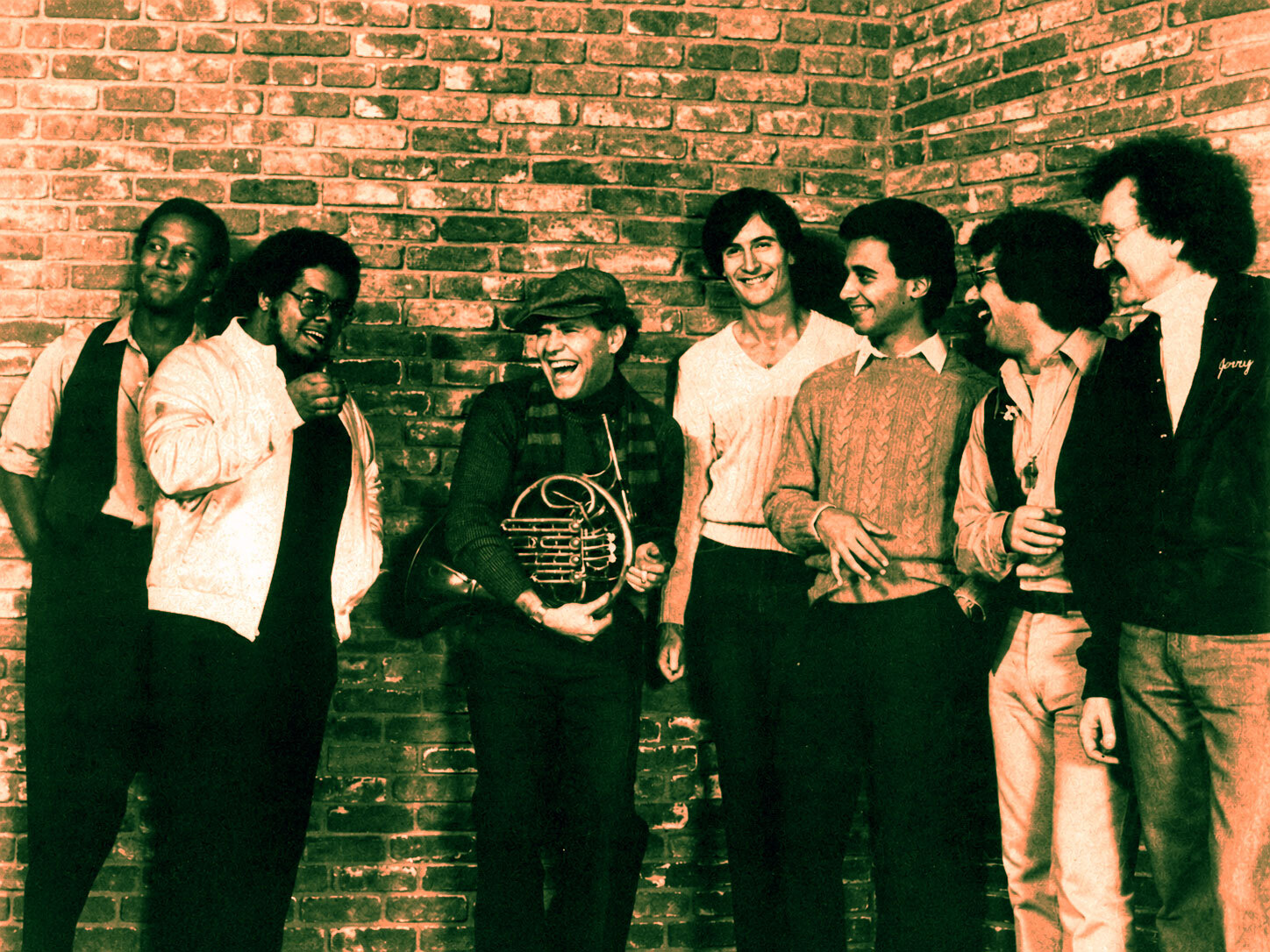
Like that of most horn players, Peter Gordon’s musical training was firmly rooted in the classical tradition. He is among the few horn players, however, whose interests and talents have led him to do most of his professional horn playing in jazz and popular music.

“I come from a musical family,” he says, understating the case. His father is a violist with the Detroit Symphony, his mother an opera singer and voice teacher, and at one time he had 16 relatives in the NBC Symphony. His parents started him on piano at the age of four and violin at six. At fourteen, thinking he might be drafted into the army in a few years, he decided to switch to a wind instrument, the better to be able to serve his time in a band.

Of all the instruments, the french horn looked and sounded the most beautiful, and it looked like it would be easy. But I was wrong, it wasn’t easy. By the time I found that out, it was too late...”

As it turned out, he didn’t get drafted, and he went to Indiana University to study horn with Philip Farkas for four years. After graduation he played first horn with the Toledo Symphony (1967-68), and then joined the Philadelphia Chamber Symphony. It folded a short time later, so he went to try his luck in the big time: New York. After playing for some months for various opera and ballet companies, he landed a job at the Metropolitan Opera. However, after three years,

I had a revelation: if I was going to stay in the Met I was going to die musically, I was going to give up music. It was terrible. The conditions were terrible, the people in the orchestra hated music. It was just so depressing. I decided that if I really wanted to stay in music, I had to quit the Met. I did, and my first job after that was Blood, Sweat and Tears. Previous to this, I had been playing off and on with small jazz groups: the Neophonic Orchestra, Brownie’s Revenge, Dancer’s Inferno. Dave Bargeron, who I knew from the studio, suggested that I take over when Tom Malone left. So I auditioned for BS&T and they liked my playing. After three months of touring with them, I joined Gil Evans’ band and Eddie Paul Harry’s band, and I played with them for several years. Also at this time I was doing studio work, Broadway, and occasionally a pick-up orchestral job here and there, but nothing steady. After quitting the Met in ’73 I did exclusively popular music for two years. But so many people wanted me for so many different gigs, I started spreading myself so thin that I didn’t know what I wanted to do. I got so dizzy that I lost sight of what was really important and I didn’t know where I was going.

Continue reading

Accede a la edición digital completa.

Brass Bulletin 50, II / 1985 páginas 31–34

Todo el contenido está protegido por derechos de autor © Brass Bulletin 1985–2026

Compartir este artículo

Facebook LinkedIn
Cargando…

Preguntas y respuestas

Cómo funciona la edición digital

¿Qué incluye la edición digital?

La edición digital reúne los artículos ya digitalizados como textos legibles y consultables en línea —no simplemente como escaneos o archivos PDF— junto con sus ilustraciones originales, notas, autoría, información del número y traducciones disponibles. Las sugerencias de artículos relacionados incluyen actualmente solo este material digitalizado.

¿Los artículos digitales son idénticos a los originales?

Conservamos con la mayor fidelidad posible el texto original, el idioma, las ilustraciones, los pies de imagen, las notas y el contexto editorial. La presentación se adapta para facilitar la lectura en línea y pueden corregirse errores evidentes de transcripción o escaneado. El contenido y el carácter del artículo publicado permanecen inalterados.

¿Qué idiomas están disponibles?

Brass Bulletin se publicó en inglés, francés y alemán a lo largo de toda su historia. Las traducciones al italiano y al español se añadieron a partir del número 60. Por este motivo, en los sitios italiano y español los artículos de los números 1 a 59 se muestran en inglés de forma predeterminada.

¿Con qué frecuencia se añaden nuevos artículos?

Se añaden nuevos artículos casi a diario, con aproximadamente un número completo digitalizado cada semana. El ritmo puede variar según el trabajo de preparación, tratamiento de imágenes y revisión editorial necesario.

¿Por qué no están disponibles todos los artículos en formato digital?

La colección completa de Brass Bulletin contiene 1.246 artículos publicados entre 1971 y 2003. El índice completo ya está disponible en línea y permite descubrir todos los artículos de la colección, incluidos aquellos cuyo texto íntegro todavía no ha sido digitalizado.

La digitalización comenzó en febrero de 2026. Cada artículo se prepara cuidadosamente para la lectura en línea, se revisa y se vincula con su número, sus autores, sus temas y sus ilustraciones. Al ritmo actual de digitalización, se prevé que la colección completa esté disponible en línea en febrero de 2028.

¿Por qué algunas referencias mencionan artículos que todavía no están disponibles?

Las referencias de los artículos originales se conservan aunque el material al que remiten aún no haya sido digitalizado. De este modo se mantiene intacto el contexto histórico y editorial. A medida que se incorporen más números a la edición digital, un número creciente de estas referencias conducirá a artículos que podrán leerse en línea.

¿Puedo sugerir un artículo o informar de un error de transcripción?

Sí. Si hay algún artículo que le gustaría especialmente ver digitalizado, o si detecta un posible error de transcripción o algún dato que falta, póngase en contacto con nosotros. Los comentarios de los lectores nos ayudan a mejorar la edición digital y a establecer prioridades útiles dentro del archivo.

¿Cómo puedo apoyar a Brass Bulletin?

Su apoyo ayuda a financiar la preparación, verificación y publicación en línea de la colección completa.

Suscríbase a la Edición Digital

¿Prefiere apoyarnos sin suscribirse?

Haga una donación

¿Cómo avanza la digitalización?

Estamos poniendo Brass Bulletin a disposición de los lectores en línea, artículo por artículo. Pueden leer los artículos recién digitalizados en cuanto estén listos, incluso antes de que se complete un número entero.

Consulten nuestro calendario de digitalización para descubrir las últimas novedades y las fechas estimadas de disponibilidad de los próximos números. Estas estimaciones se basan en nuestro ritmo reciente y pueden cambiar.

Busca en Brass Bulletin.