Rendete Brass Bulletin disponibile nella vostra università, nel vostro conservatorio o nella vostra biblioteca Scoprite l’accesso istituzionale

Jazz

31 articoli disponibili online
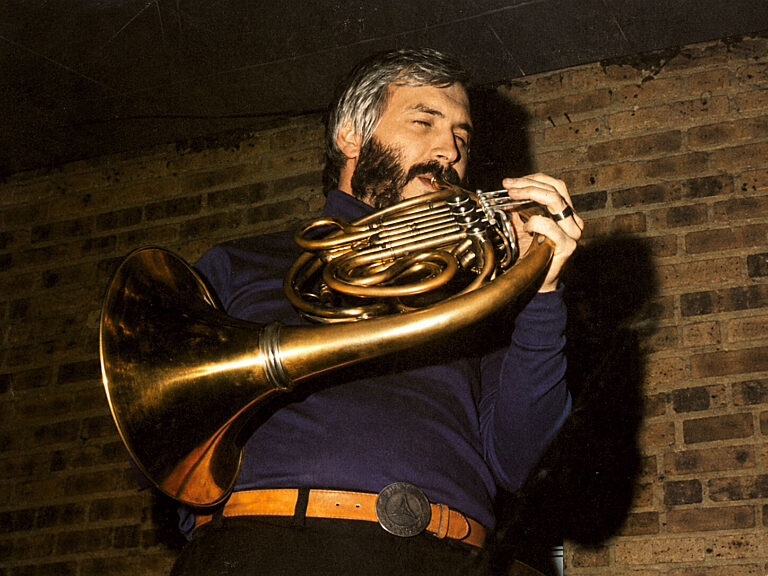
Jazz and the Horn Membro
N. 54 • 1986 Digitalizzato

Serie Il jazz e il corno • Parte 8

Jazz and the Horn

Dale Clevenger

Principal horn of the Chicago Symphony Orchestra, Dale Clevenger spent his Tuesday evenings playing jazz, discovering a freedom that classical training alone could not provide.

Di Jeffrey Agrell
Incontri Jazz Improvvisazione
From musical wallpaper to the twelve-note row Membro
N. 55 • 1986 Digitalizzato

Parte 1

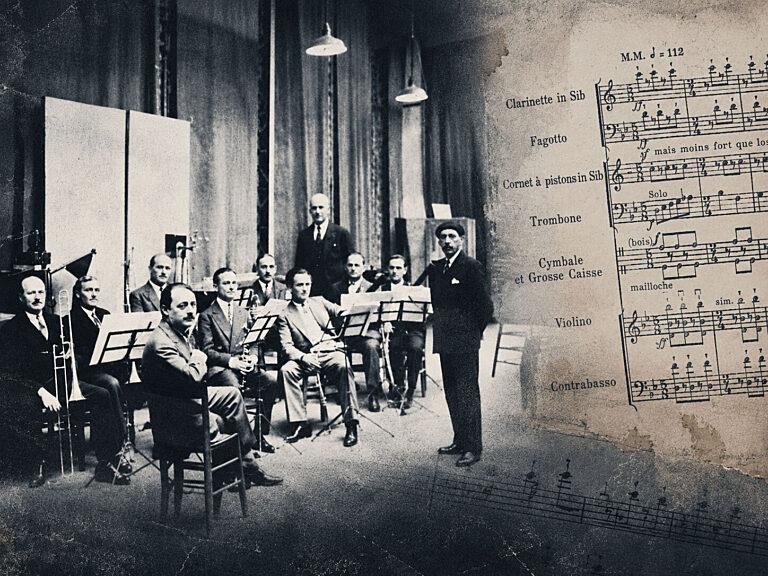
From musical wallpaper to the twelve-note row

The trombone in the chamber ensemble at the beginning of modern music (1913-1934)

Between 1913 and 1934, the trombone gained an unexpected place in chamber music as Satie, Milhaud and Stravinsky challenged orchestral traditions with jazz and new sounds.

Di Michael Struck-Schloen
Repertorio Storia Musica contemporanea Jazz
Jazz and the Horn Membro
N. 50 • 1985 Digitalizzato

Serie Il jazz e il corno • Parte 6

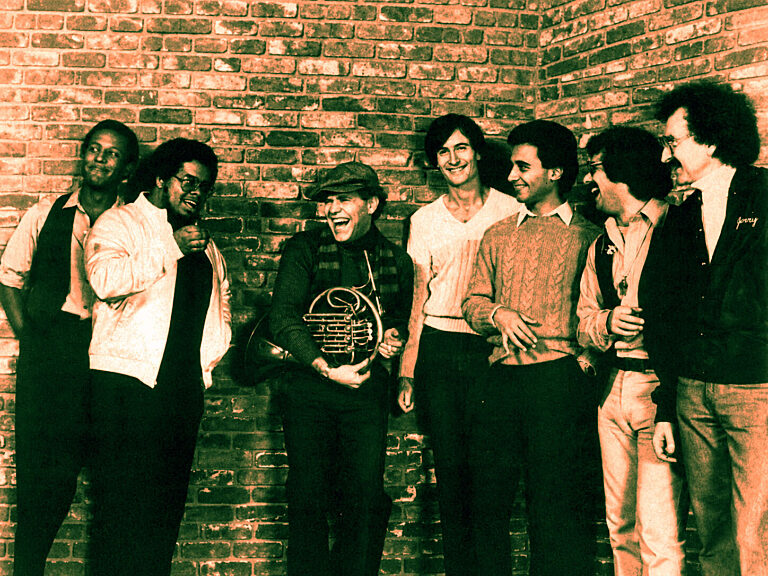
Jazz and the Horn

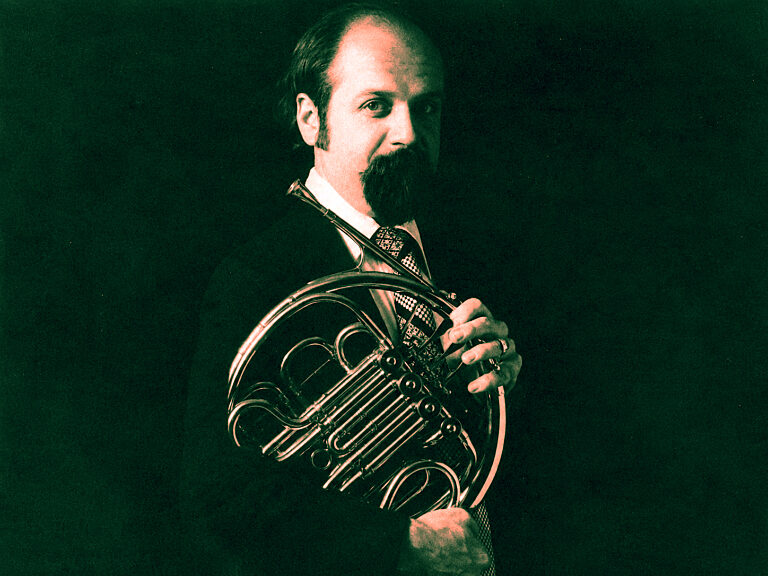
Peter Gordon

Classically trained but drawn elsewhere, Peter Gordon made the horn at home in jazz, studios and popular music without abandoning its orchestral foundations.

Di Jeffrey Agrell
Incontri Jazz Improvvisazione
Jazz and the Horn Gratuito
N. 47 • 1984 Digitalizzato

Serie Il jazz e il corno • Parte 5

Jazz and the Horn

Tom Varner

Choosing jazz over the orchestral path, Tom Varner confronts the horn’s stiffness, projection and unlikely place as a front-line improvising voice.

Di Jeffrey Agrell
Incontri Jazz Improvvisazione
Jazz and the Horn Membro
N. 52 • 1985 Digitalizzato

Serie Il jazz e il corno • Parte 7

Jazz and the Horn

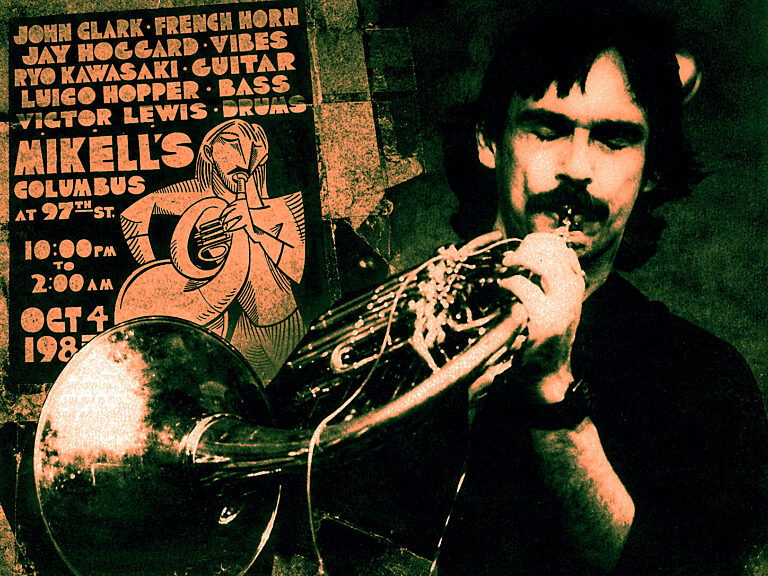
John Clark

John Clark made the horn a jazz voice on its own terms, balancing improvisation, studio realities and an instrument still fighting to escape classical expectations.

Di Jeffrey Agrell
Incontri Tecnica Jazz Improvvisazione
George Swift, You see who I mean? Membro
N. 55 • 1986 Digitalizzato

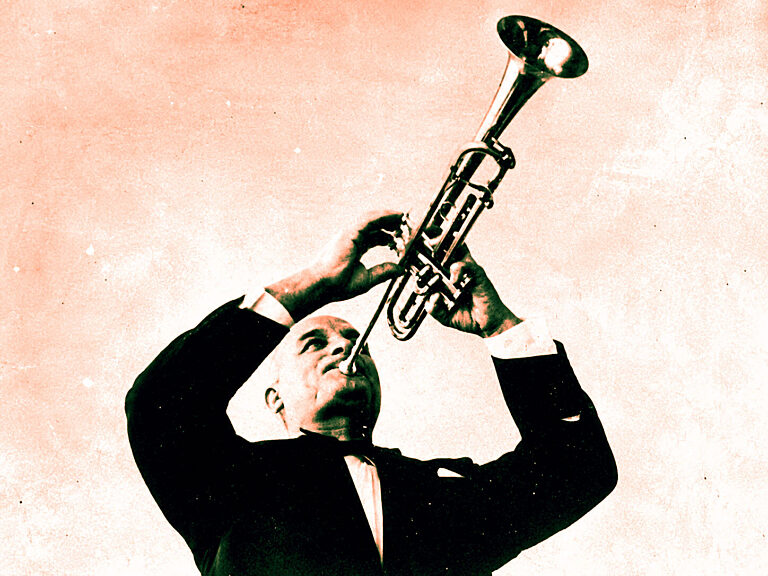
George Swift, You see who I mean?

In the 1930s, George Swift brought cornet virtuosity and jazz influences to the concert trumpet, building a remarkable reputation through just a handful of recordings.

Di Michel Laplace
Storia Jazz Esecuzione solistica
Jazz and the Horn Membro
N. 45 • 1984 Digitalizzato

Serie Il jazz e il corno • Parte 4

Jazz and the Horn

Thomas Bacon

Classical discipline meets jazz-rock freedom as Thomas Bacon confronts improvisation, stylistic crossover and the physical demands placed on the horn.

Di Jeffrey Agrell
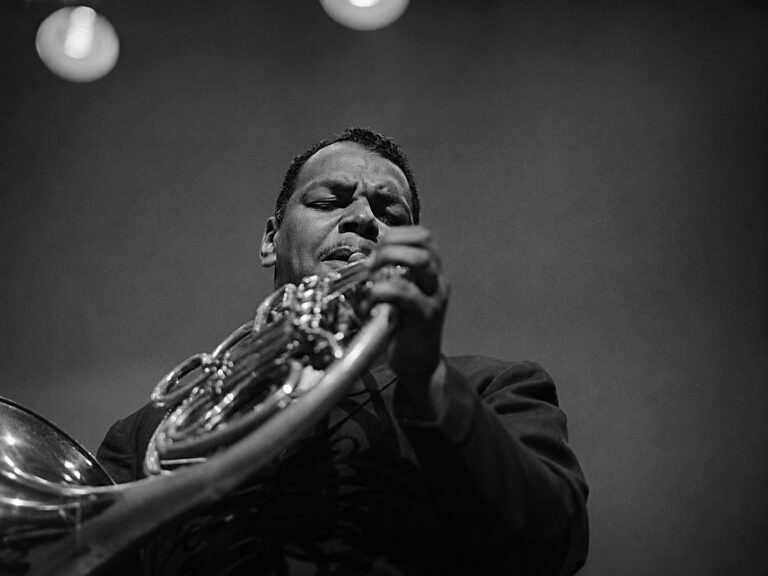
Incontri Improvvisazione Jazz
Jazz and the Horn Membro
N. 41 • 1983 Digitalizzato

Serie Il jazz e il corno • Parte 2

Jazz and the Horn

Julius Watkins

A pioneering career, landmark recordings and collaborations with jazz legends gave the French horn a place it had never occupied before.

Di Jeffrey Agrell
Incontri Vita professionale Jazz Improvvisazione Libera professione
The Trumpet and the Cornet in Jazz and Popular Music Membro
N. 45 • 1984 Digitalizzato

Parte 4

The Trumpet and the Cornet in Jazz and Popular Music

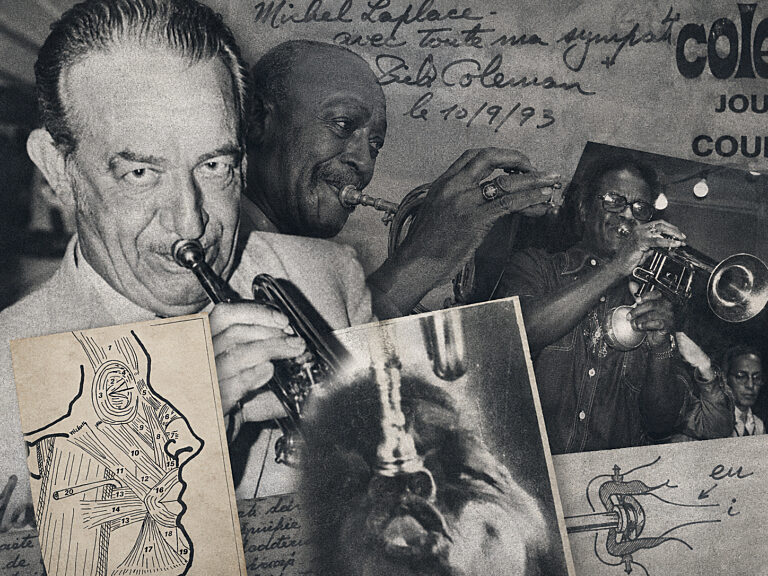
The instrument for jazz

Jazz trumpet playing balances equipment, embouchure and articulation, as changing sound ideals reshape mouthpieces, technique and the physical approach to playing.

Di Michel Laplace
Storia Jazz Labbra Articolazione
Aimé Barelli Membro
N. 50 • 1985 Digitalizzato

Aimé Barelli

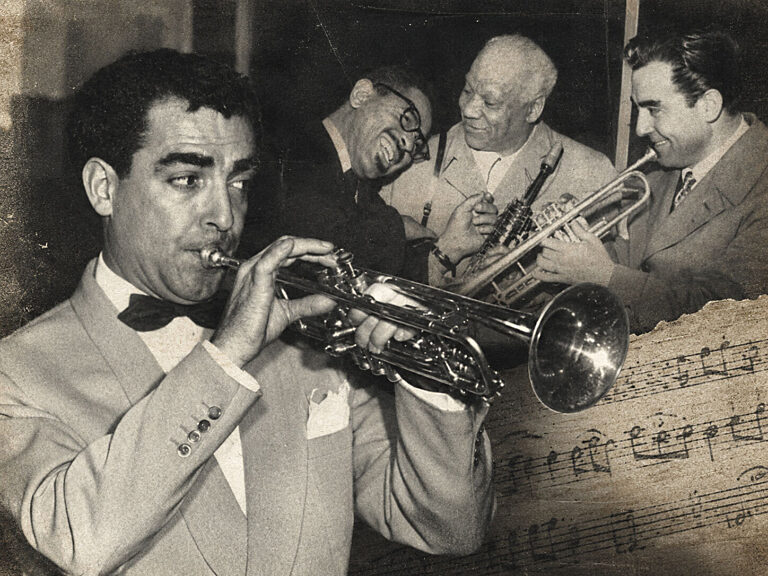
Trumpet crooner

French jazz, wartime Paris and changing styles shaped a trumpeter whose playing balanced virtuosity, melody and expression across several musical worlds.

Di Michel Laplace
Storia Jazz
The Trumpet and the Cornet in Jazz and in Popular Music Membro
N. 46 • 1984 Digitalizzato

Parte 5

The Trumpet and the Cornet in Jazz and in Popular Music

Breathing

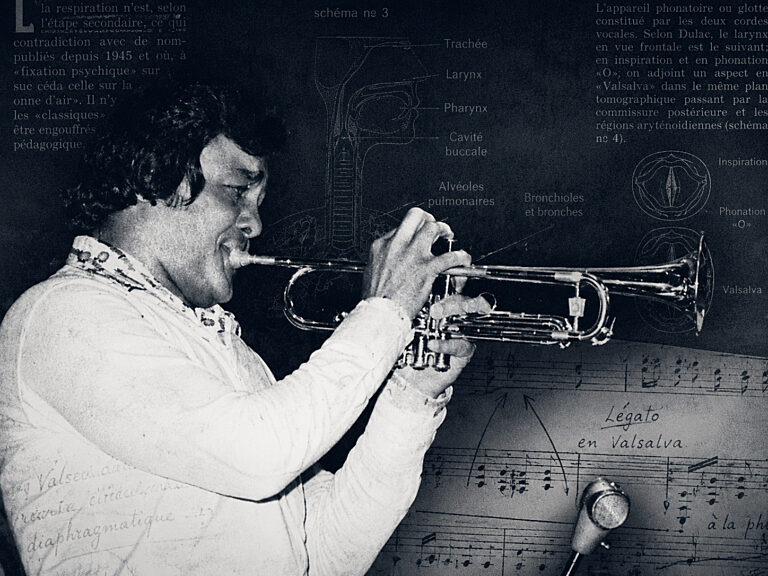
Breathing, Valsalva, mouthpiece position and daily practice collide with received wisdom as trumpet technique is reconsidered from the body outward.

Di Michel Laplace
Tecnica Jazz Respirazione
The trombone in Jazz and Popular Music Gratuito
N. 50 • 1985 Digitalizzato

Parte 1

The trombone in Jazz and Popular Music

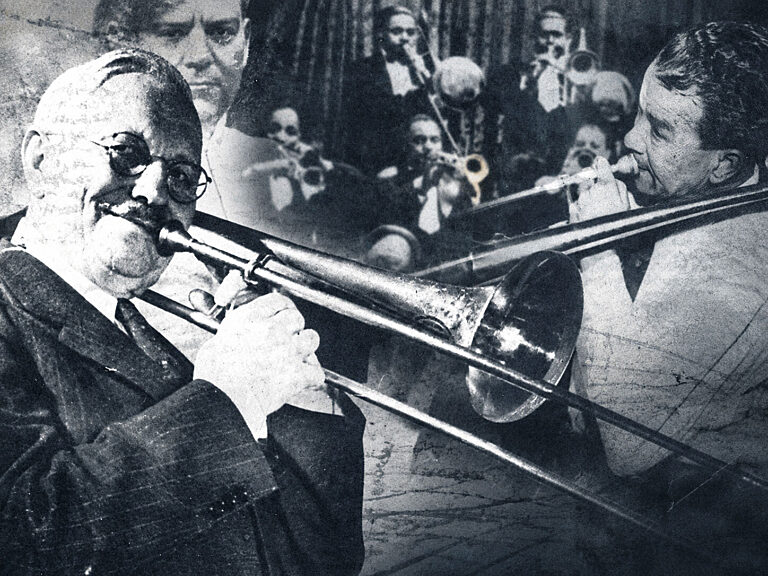
Jazz did not invent the modern trombone: early virtuosos, New Orleans players and changing techniques reveal a more complex path toward flexibility and legato.

Di Michel Laplace

Storia Tecnica Jazz Articolazione
N. 67 • 1989 In attesa di digitalizzazione

Parte 2

Does Jazz still have a soul?

Di Michel Laplace

Società Jazz
Gratuito
N. 10 • 1975 Digitalizzato

To be «Lead Trumpet» in a Jazz Orchestra

Glenn Stuart explores the demanding role of the lead trumpet in a jazz orchestra, combining leadership, endurance and musical vision to shape the sound of the entire band.

Di Glenn Stuart
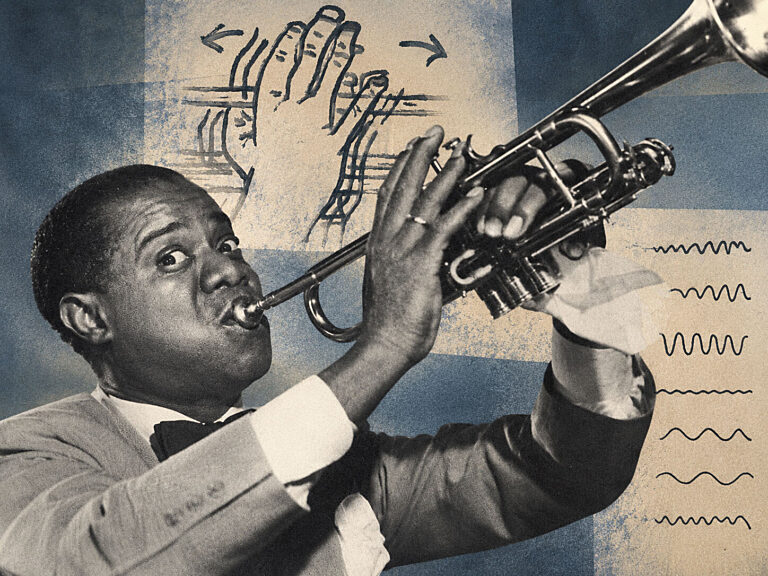
Incontri Vita professionale Jazz
The Trumpet and the Cornet in Jazz and Popular Music Membro
N. 47 • 1984 Digitalizzato

Parte 6

The Trumpet and the Cornet in Jazz and Popular Music

Special jazz techniques

Vibrato, half-valves, growls and shakes lead to a larger argument: jazz transformed trumpet technique, yet its contribution remained strikingly undervalued.

Di Michel Laplace
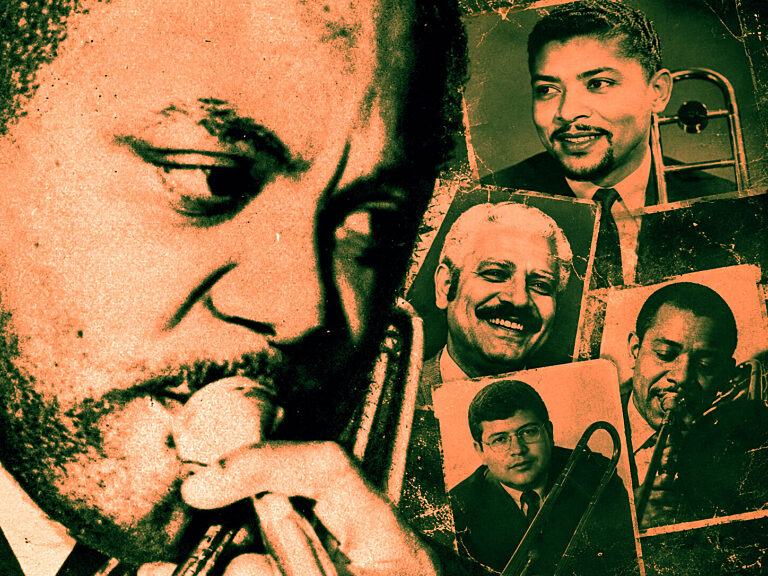
Storia Jazz Improvvisazione Articolazione
The trombone in Jazz and Popular Music Membro
N. 52 • 1985 Digitalizzato

Parte 3

The trombone in Jazz and Popular Music

Pluralism of expression since 1945

Bebop, cool jazz, free jazz and neo-classicism transformed the trombone after 1945, as new players, techniques and instruments pushed its boundaries.

Di Michel Laplace
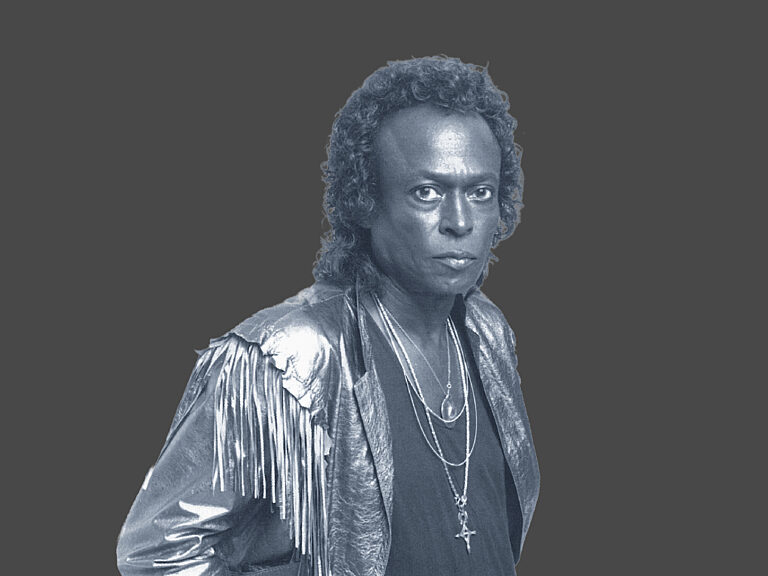
Storia Tecnica Jazz
Miles Davis Gratuito
N. 81 • 1993 Digitalizzato

Miles Davis

Incontro in cucina

Verdure, cavalli e una Ferrari accompagnano un Miles Davis lontano dal palco, tra vita quotidiana, musica, provocazioni e un feroce bisogno d’indipendenza.

Di Robert L. Watt
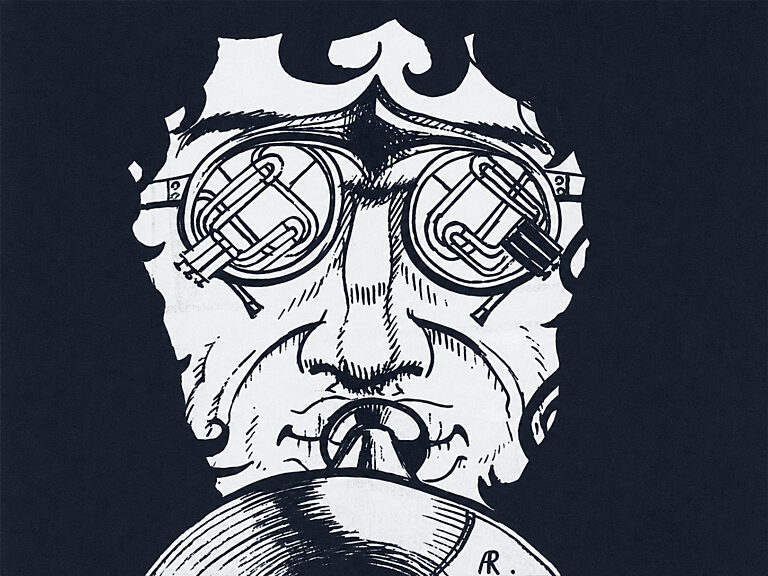
Backstage Jazz
Jazz and the Horn Membro
N. 40 • 1982 Digitalizzato

Serie Il jazz e il corno • Parte 1

Jazz and the Horn

The horn was once considered incompatible with jazz until changing ideas of sound and musicians like John Graas quietly overturned that certainty.

Di Jeffrey Agrell

Repertorio Storia Jazz Improvvisazione
Jazz and the Horn Membro
N. 42 • 1983 Digitalizzato

Serie Il jazz e il corno • Parte 3

Jazz and the Horn

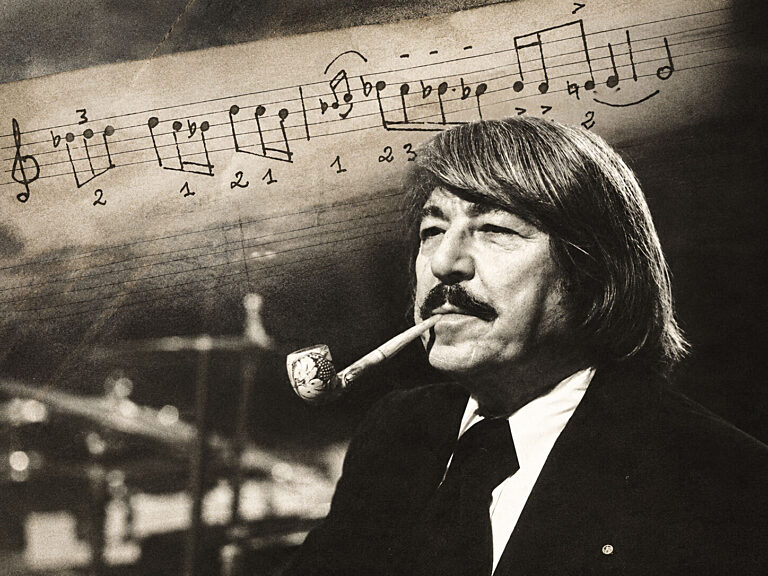
Getting started

For the classically trained horn player, jazz replaces the security of the printed page with listening, swing and improvisation—and a different kind of discipline.

Di Jeffrey Agrell
Insegnamento Tecnica Jazz Improvvisazione Articolazione
Maurice Ravel and the new trombone Membro
N. 47 • 1984 Digitalizzato

Maurice Ravel and the new trombone

Dance-band trombonists reshaped orchestral expectations in the 1920s and 30s, leaving their mark on Ravel’s Boléro and a generation of players.

Di Michel Laplace

Storia Tecnica Articolazione Jazz Suono
N. 57 • 1987 In attesa di digitalizzazione

Can jazz performance be taught?

A profile of Charlie Shoemake

Di Thomas Stevens

Repertorio Insegnamento Jazz Idee
N. 66 • 1989 In attesa di digitalizzazione

Parte 1

Does Jazz still have a soul?

Di Michel Laplace
Società Jazz
The Trumpet and the Cornet in Jazz and Popular Music Gratuito
N. 42 • 1983 Digitalizzato

Parte 1

The Trumpet and the Cornet in Jazz and Popular Music

Before Louis Armstrong became the defining figure, jazz already carried competing traditions of tone, style and technique shaped by cornet players across New Orleans and beyond.

Di Michel Laplace
Storia Repertorio Jazz Improvvisazione
Harry James (1916-1983) Membro
N. 45 • 1984 Digitalizzato

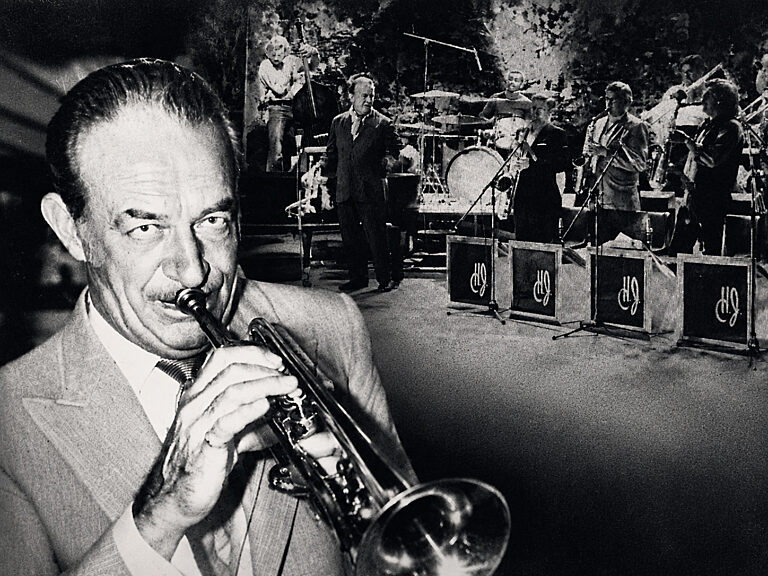
Harry James (1916-1983)

Young Man With A Horn

Harry James stood between jazz virtuosity and popular showmanship, turning the trumpet into a mass-audience voice without losing the respect of classical players.

Di Michel Laplace

Incontri Storia Jazz Esecuzione solistica
Loading…

Domande e risposte

Come funziona l’edizione digitale

Che cosa comprende l’edizione digitale?

L’edizione digitale riunisce gli articoli già digitalizzati sotto forma di testi leggibili e ricercabili online — non semplicemente come scansioni o file PDF — insieme alle illustrazioni originali, alle note, agli autori, alle informazioni sul numero della rivista e alle traduzioni disponibili. I suggerimenti di articoli correlati comprendono attualmente solo questo materiale digitalizzato.

Gli articoli digitali sono identici agli originali?

Conserviamo il più fedelmente possibile il testo originale, la lingua, le illustrazioni, le didascalie, le note e il contesto editoriale. La presentazione viene adattata per una lettura confortevole online e gli evidenti errori di trascrizione o scansione possono essere corretti. Il contenuto e il carattere dell’articolo pubblicato rimangono invariati.

Quali lingue sono disponibili?

Brass Bulletin è stato pubblicato in inglese, francese e tedesco nel corso di tutta la sua storia. Le traduzioni italiane e spagnole sono state aggiunte a partire dal numero 60. Sui siti italiano e spagnolo, gli articoli dei numeri da 1 a 59 vengono quindi mostrati in inglese per impostazione predefinita.

Con quale frequenza vengono aggiunti nuovi articoli?

Nuovi articoli vengono aggiunti quasi ogni giorno, con circa un numero completo digitalizzato ogni settimana. Il ritmo può variare in base al lavoro di preparazione, elaborazione delle immagini e verifica editoriale necessario.

Perché non tutti gli articoli sono disponibili in formato digitale?

La collezione completa di Brass Bulletin comprende 1.246 articoli pubblicati tra il 1971 e il 2003. L’indice completo è già disponibile online e consente di scoprire tutti gli articoli della collezione, compresi quelli il cui testo integrale non è ancora stato digitalizzato.

La digitalizzazione è iniziata nel febbraio 2026. Ogni articolo viene accuratamente preparato per la lettura online, verificato e collegato al relativo numero, agli autori, agli argomenti e alle illustrazioni. Al ritmo attuale di digitalizzazione, la collezione completa dovrebbe essere disponibile online entro febbraio 2028.

Perché alcuni riferimenti citano articoli che non sono ancora disponibili?

I riferimenti presenti negli articoli originali vengono conservati anche quando il materiale a cui rimandano non è ancora stato digitalizzato. In questo modo si preserva l’integrità storica ed editoriale della rivista. Man mano che nuovi numeri vengono aggiunti all’edizione digitale, un numero crescente di questi riferimenti condurrà ad articoli leggibili online.

Posso suggerire un articolo o segnalare un errore di trascrizione?

Sì. Se desiderate che un determinato articolo venga digitalizzato, oppure se notate un possibile errore di trascrizione o un’informazione mancante, contattateci. I riscontri dei lettori ci aiutano a migliorare l’edizione digitale e a stabilire priorità utili all’interno dell’archivio.

Come posso sostenere Brass Bulletin?

Il vostro sostegno contribuisce a finanziare la preparazione, la verifica e la pubblicazione online dell’intera collezione.

Abbonati all’Edizione digitale

Preferite sostenerci senza abbonarvi?

Fate una donazione

Come procede la digitalizzazione?

Stiamo rendendo Brass Bulletin disponibile online gradualmente, articolo per articolo. Potete leggere gli articoli appena digitalizzati non appena sono pronti, anche prima che un intero numero sia completato.

Consultate il nostro calendario di digitalizzazione per scoprire le ultime aggiunte e le date di disponibilità stimate dei prossimi numeri. Le stime si basano sul nostro ritmo recente e possono cambiare.

Cerca in Brass Bulletin.