Ofrezca Brass Bulletin en su universidad, conservatorio o biblioteca Descubra el acceso institucional

Interpretación

55 artículos disponibles en línea

The use of the mind in instrumental performance Miembro
N.º 30 • 1980 Digitalizado

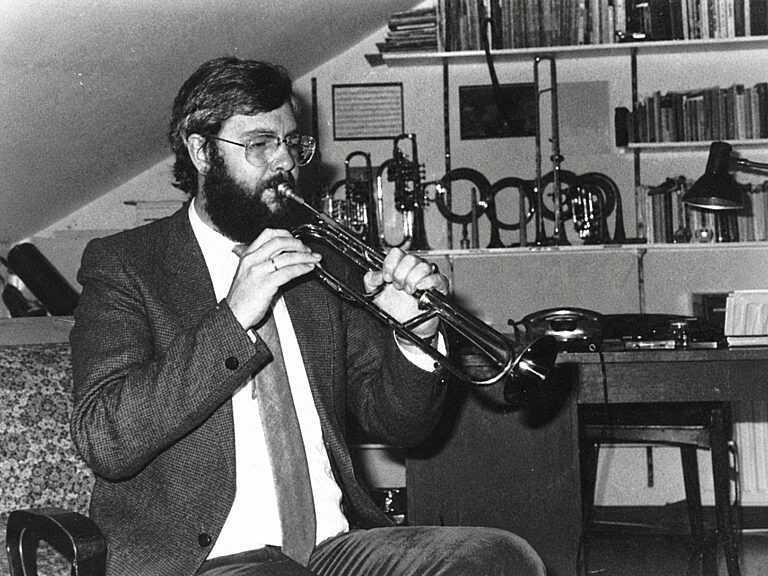
The use of the mind in instrumental performance

Relaxation, concentration and mental imagery reshape technical practice, linking self-confidence and instrumental control beyond physical training alone.

Por Michel Ricquier
Salud Enseñanza Nervios Interpretación Ideas
Natural trumpets, basic techniques Miembro
N.º 51 • 1985 Digitalizado

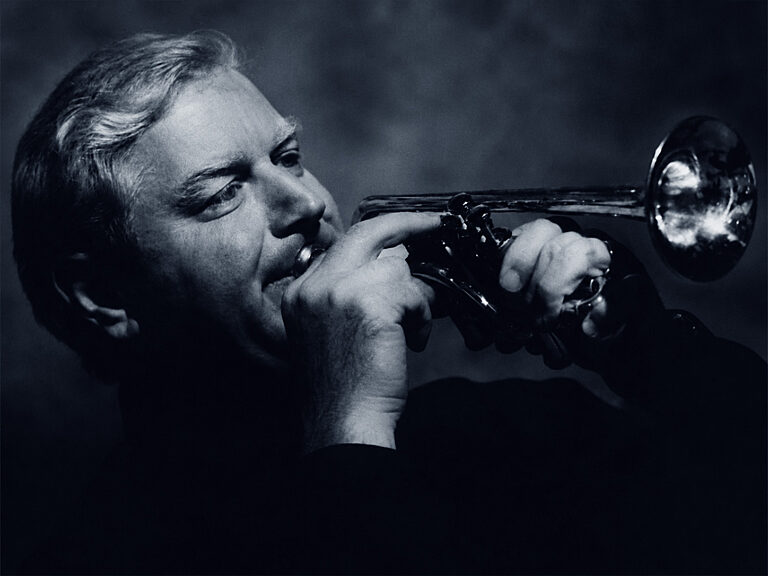
Natural trumpets, basic techniques

Natural trumpet playing demands more than historical equipment: Friedemann Immer sets modern technique against Baroque sound, articulation, style and authenticity.

Por Friedemann Immer
Técnica Equipamiento Articulación Interpretación Instrumentos históricos
ASA-Method, ASA-Technic Gratuito
N.º 37 • 1982 Digitalizado

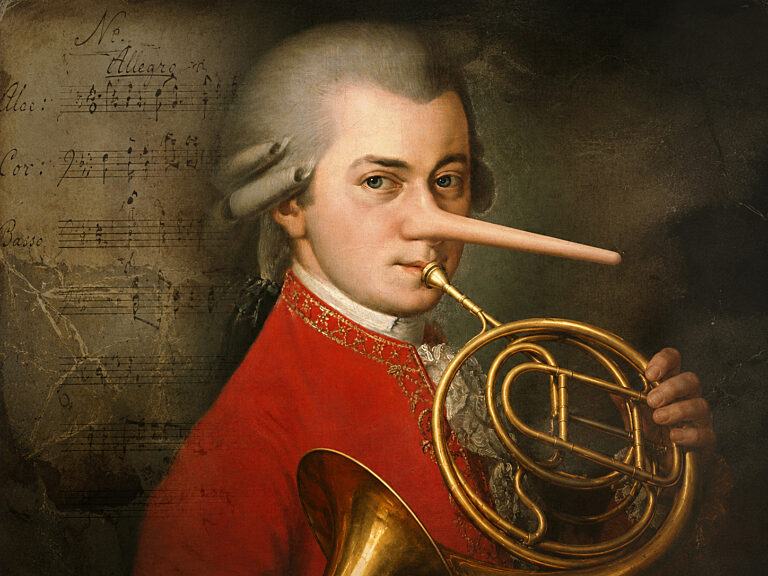
ASA-Method, ASA-Technic

Virtuosity grows from disciplined work on scales, articulation and reading, arguing that consistent fundamentals matter more than chasing the upper register.

Por Rolf Quinque
Técnica Enseñanza Registro Enfoque mental Interpretación
Why pretend to be Mozart? Gratuito
N.º 14 • 1976 Digitalizado

Why pretend to be Mozart?

Reply to Bernhard Krol

Should a cadenza imitate Mozart? Peter Damm argues for stylistic fidelity without imitation—at the heart of a debate with Bernhard Krol.

Por Peter Damm

Repertorio Interpretación Ornamentos Ideas
Gratuito
N.º 23 • 1978 Digitalizado

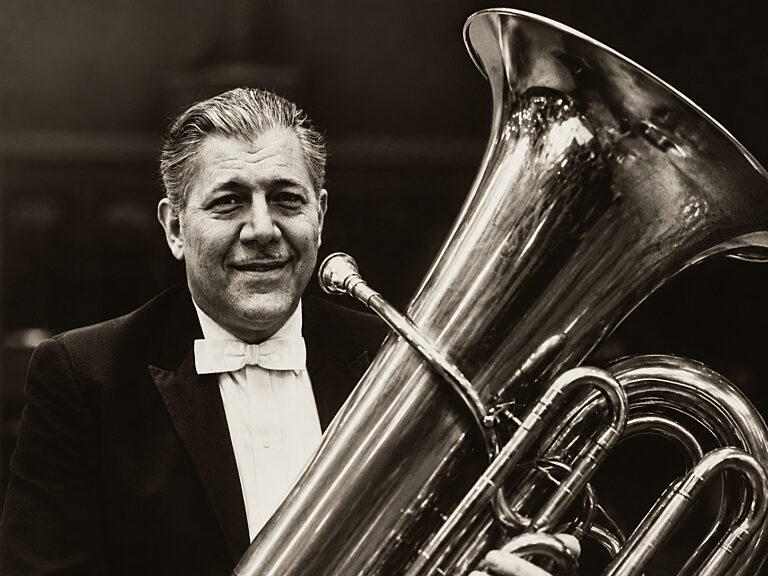
Symphonic tuba playing

A warning from the orchestra: Lewis Waldeck challenges modern tuba playing—calling for a return from solo brilliance to the dark, blended power of true symphonic sound.

Por Lewis Waldeck
Técnica Repertorio Sonido Interpretación Práctica orquestal
Arnold Jacobs Miembro
N.º 33 • 1981 Digitalizado

Parte 1

Arnold Jacobs

Interview

Two tuba giants meet in 1979 Chicago, where Arnold Jacobs turns technique, sound, orchestral life and pedagogy into a lasting musical ethic.

Por Roger Bobo

Encuentros Enseñanza Interpretación Sonido Práctica orquestal
Dynamics in the 80's Miembro
N.º 29 • 1980 Digitalizado

Dynamics in the 80's

From Reykjavik to the Hollywood Bowl, rising concert hall scale and amplified culture reshape orchestral sound, leaving acoustic limits exposed.

Por Roger Bobo
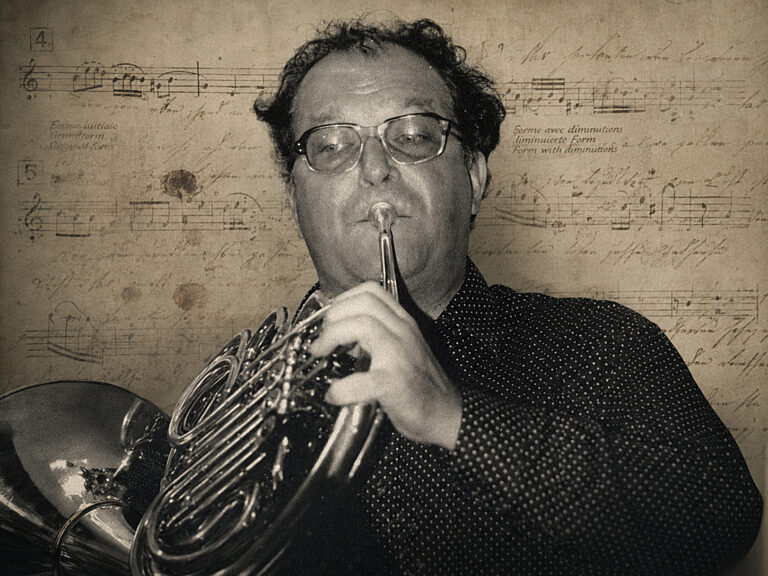
Acústica Sociedad Sonido Interpretación Sociología
Ornaments in 18th-century Horn Concertos? Miembro
N.º 43 • 1983 Digitalizado

Parte 2

Ornaments in 18th-century Horn Concertos?

Essential ornaments

Natural horn technique left little room for excess: Peter Damm sets 18th-century ornamentation against the practical limits of range, style and notation.

Por Peter Damm
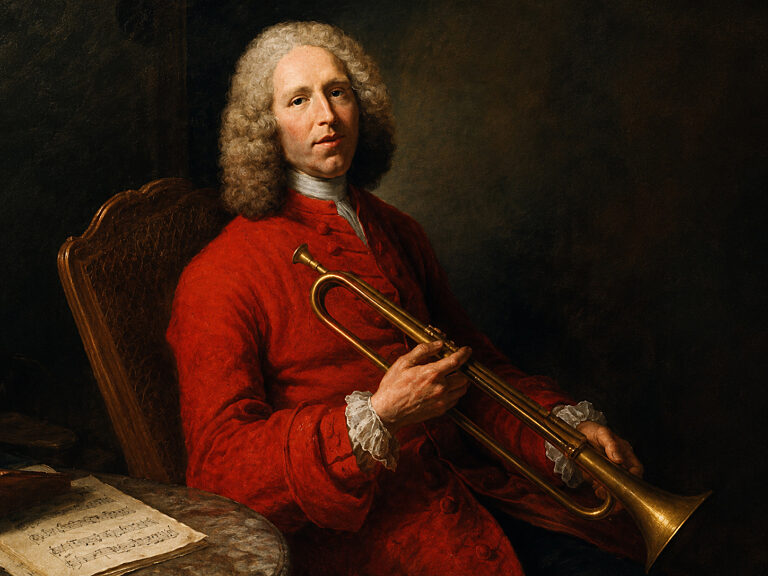
Repertorio Historia Ornamentos Interpretación Articulación
The Trumpet in the Works of Jean-Philippe Rameau Gratuito
N.º 35 • 1981 Digitalizado

The Trumpet in the Works of Jean-Philippe Rameau

From court entertainments to operatic dances, Rameau’s trumpet writing reveals uncommon technical demands and a broader palette of Baroque brass practice.

Por Albert Hiller
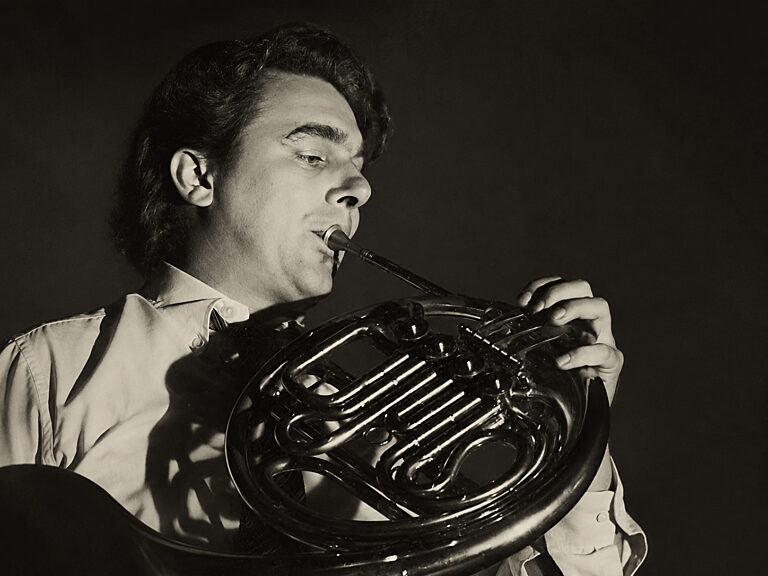
Historia Repertorio Instrumentos históricos Interpretación
Which Horn for which Music? Gratuito
N.º 3 • 1972 Digitalizado

Which Horn for which Music?

Article discussing the choice of horn according to repertoire, comparing instruments, sound ideals and stylistic requirements.

Por Hermann Baumann
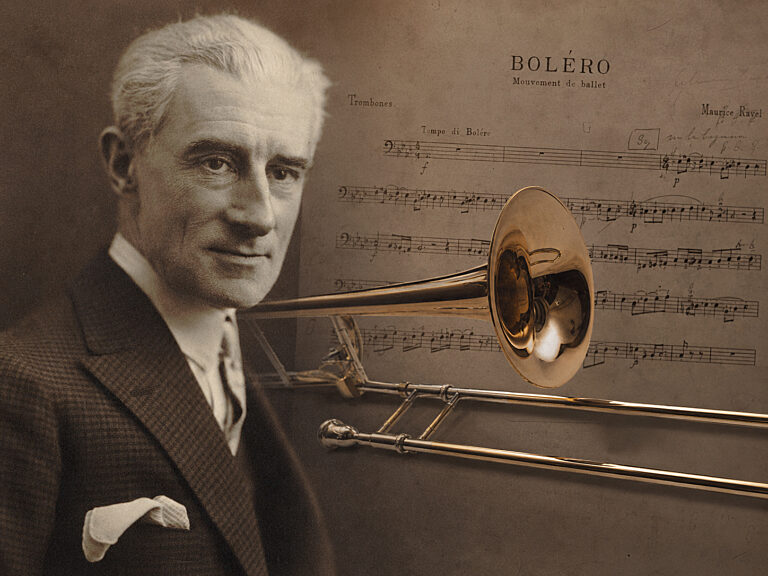
Equipamiento Repertorio Instrumentos históricos Sonido Interpretación
The trombone in Maurice Ravel's Bolero Miembro
N.º 13 • 1976 Digitalizado

Parte 1

The trombone in Maurice Ravel's Bolero

How should Boléro’s trombone solo be played? After 100 performances, Jean Douay challenges conventions and argues for a more supple, controlled approach.

Por Jean Douay
Repertorio Técnica Interpretación Práctica orquestal
The Trombone in the Sacred Works of W. A. Mozart Gratuito
N.º 46 • 1984 Digitalizado

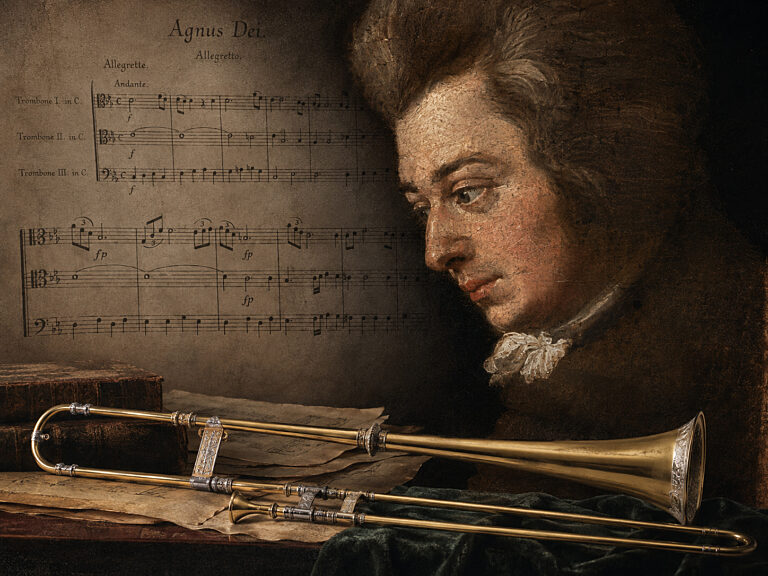
The Trombone in the Sacred Works of W. A. Mozart

In Mozart’s sacred music, the trombone moved beyond choral reinforcement to striking solo roles that preserve the sound and practice of eighteenth-century Salzburg.

Por Benny Sluchin
Repertorio Historia Interpretación
The trombone in Belgium Gratuito
N.º 5 • 1973 Digitalizado

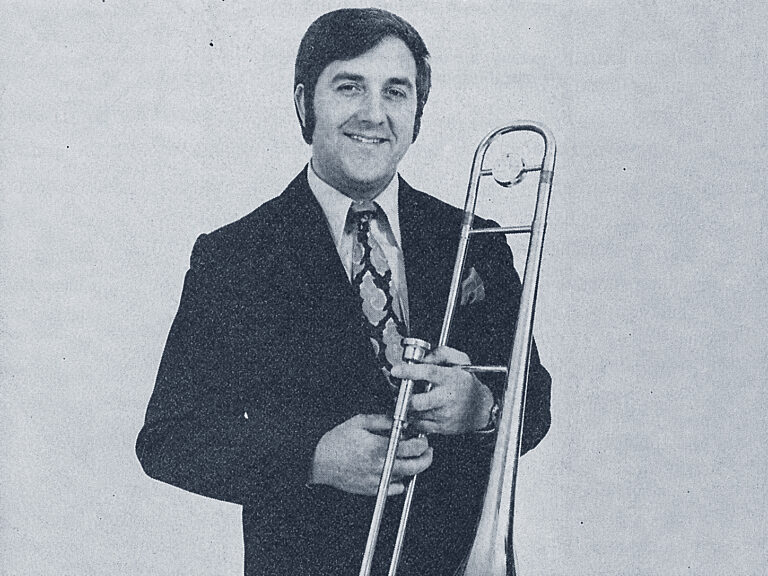
The trombone in Belgium

Published in memory of its author, this article reflects on the trombone tradition in Belgium and his lasting contribution.

Por Albert Mertens
Historia Técnica Equipamiento Instrumentos históricos Válvulas Interpretación
Modern editions of original 17th-century brass ensemble music Miembro
N.º 53 • 1986 Digitalizado

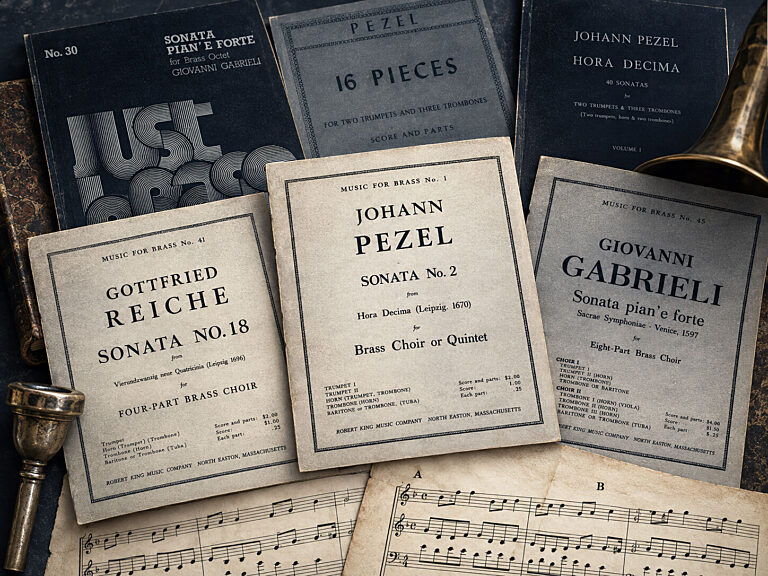
Modern editions of original 17th-century brass ensemble music

Seventeenth-century brass music regained its place in the repertoire, but modern editions often altered the original keys, instrumentation and balance between voices.

Por Klaus Winkler
Repertorio Interpretación Conjunto de metales
Why pretend to be Mozart? Miembro
N.º 12 • 1975 Digitalizado

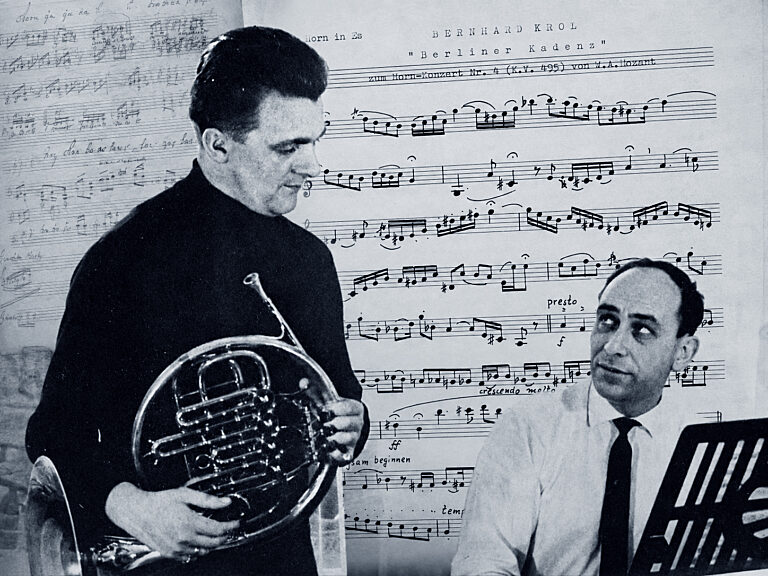
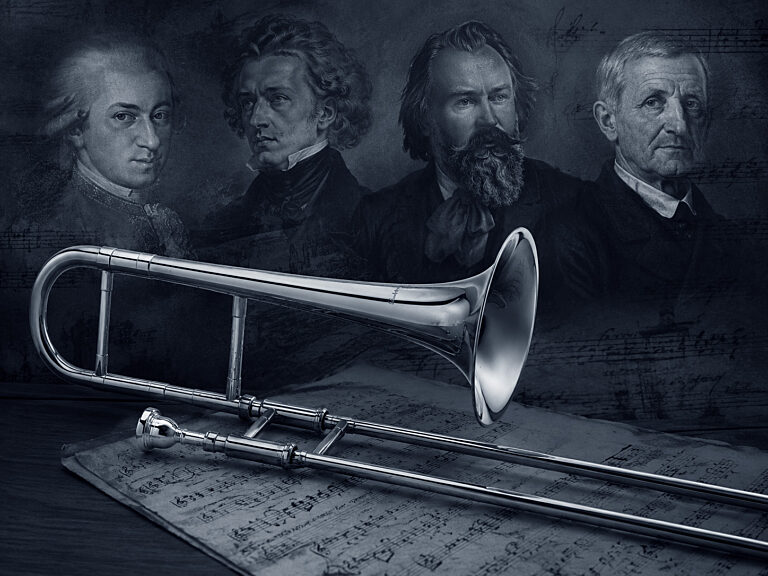
Why pretend to be Mozart?

The concerto’s cadenza: copy of style — or bold but true?

Should a cadenza imitate the past—or speak in today’s voice? Bernhard Krol questions the tradition of stylistic imitation and argues for cadenzas that bridge past and present with authenticity.

Por Bernhard Krol
Repertorio Ideas Interpretación
The alto trombone and contemporary concepts of trombone timbre Miembro
N.º 28 • 1979 Digitalizado

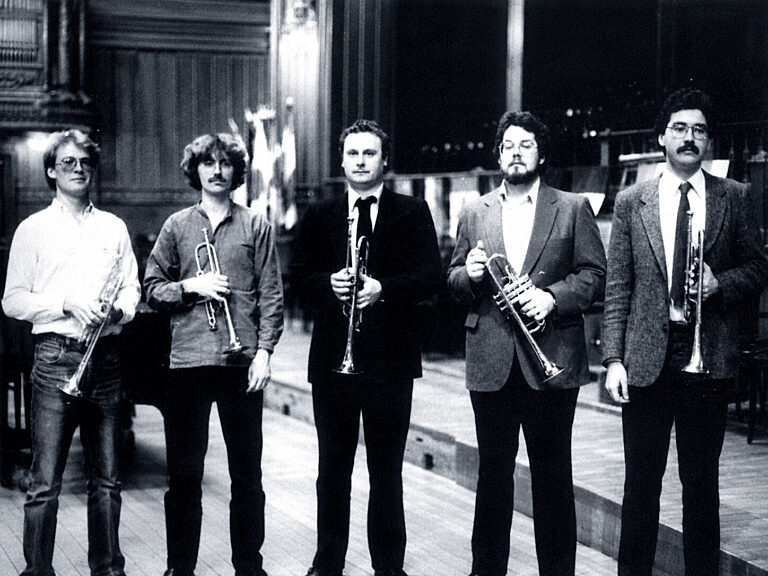
The alto trombone and contemporary concepts of trombone timbre

Alto trombone timbre from Vienna to Brahms, orchestral balance, period practice, and why bright brass sounds gradually disappeared.

Por William E. Runyan
Repertorio Equipamiento Instrumentos históricos Sonido Interpretación
International Trumpet Competition, Budapest 1984 Miembro
N.º 48 • 1984 Digitalizado

Special Hungary

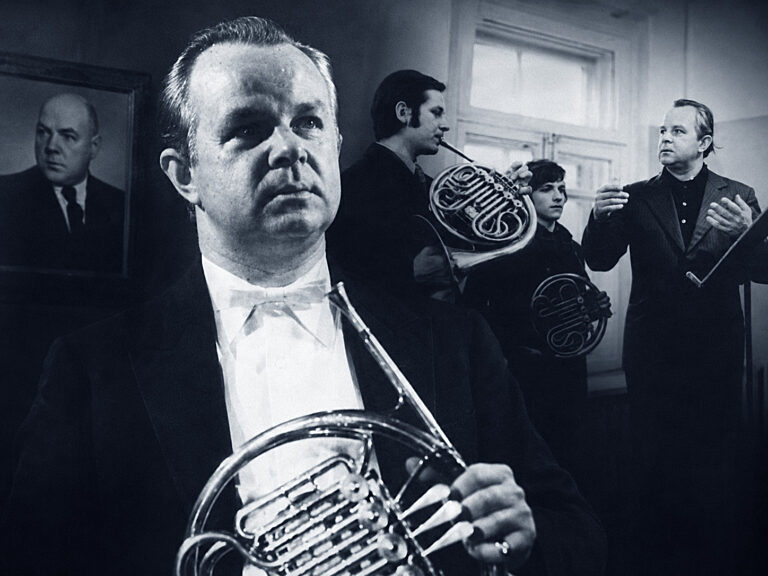
International Trumpet Competition, Budapest 1984

Special Hungary

Budapest 1984 exposed a striking gap between technical brilliance and musical maturity, while three leading trumpeters challenged what competitions truly reward.

Por Timofey Dokschidser, Philip Jones, Théo Mertens
Concurso Interpretación Interpretación solista
The Leningrad School of Horn Playing Miembro
N.º 27 • 1979 Digitalizado

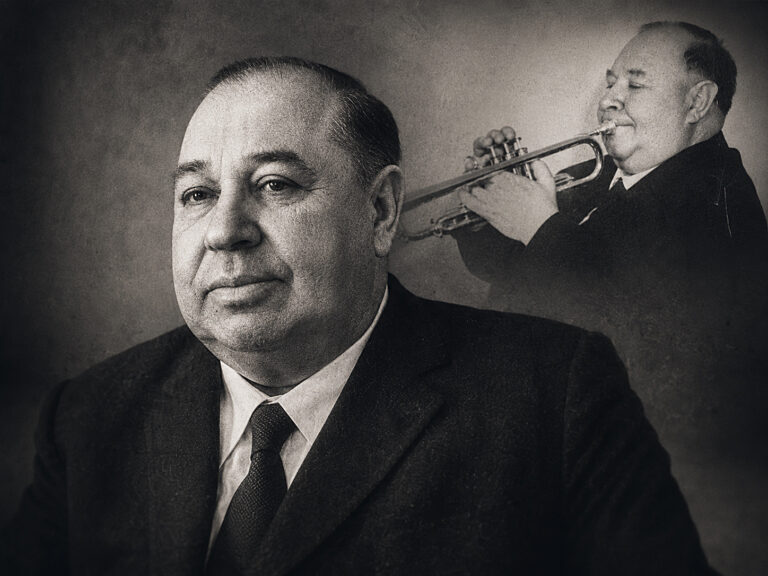
The Leningrad School of Horn Playing

From St. Petersburg to the Soviet era, generations of horn players shaped a distinctive approach to sound, interpretation, and orchestral playing.

Por Frøydis Ree Wekre
Historia Enseñanza Escuela rusa Interpretación Sonido
Sergey Nikolaevich Yeryomin (1903-1975) Gratuito
N.º 42 • 1983 Digitalizado

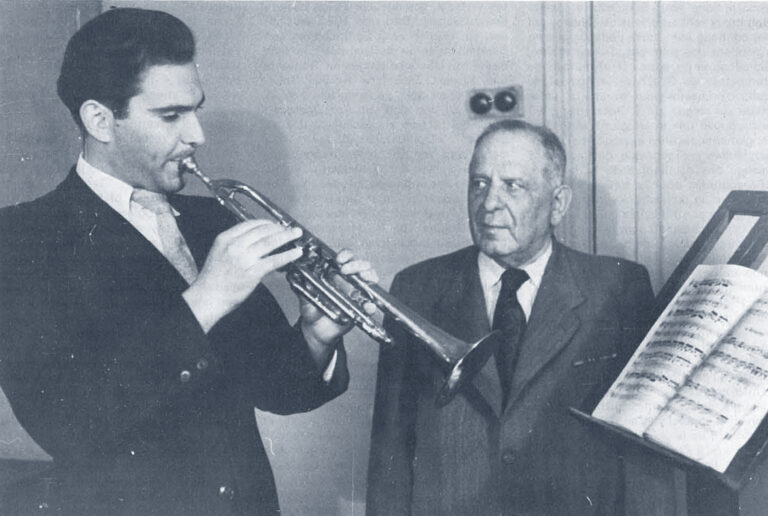
Sergey Nikolaevich Yeryomin (1903-1975)

The Distinguished Soviet Trumpeter and Teacher

Between Soviet military bands, the Bolshoi and the Moscow Conservatory, Yeryomin helped shape a trumpet tradition in which virtuosity remained a means, not an end.

Por Yuri Usov
Encuentros Enseñanza Escuela rusa Práctica orquestal Interpretación
The Haydn Trumpet Concerto Miembro
N.º 37 • 1982 Digitalizado

Parte 3

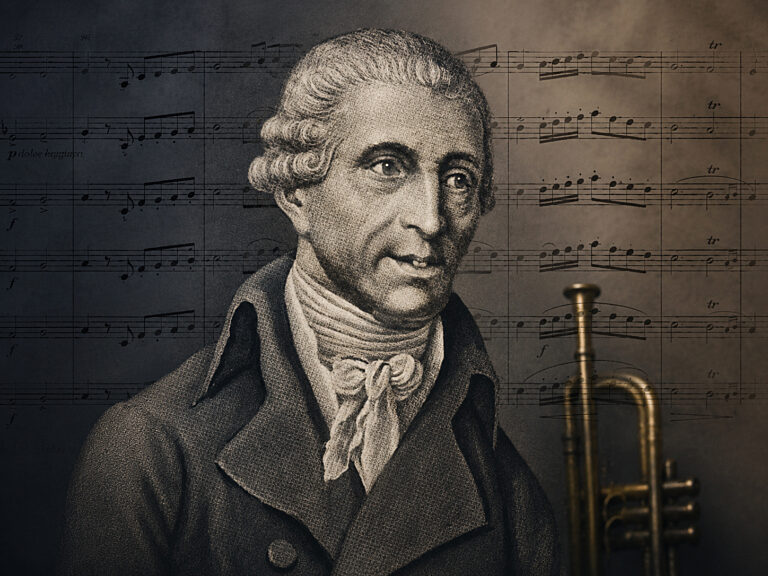
The Haydn Trumpet Concerto

Haydn’s trumpet concerto becomes a study of manuscript detail, performance choices, and the fragile ways listeners receive a familiar work.

Por Alfred Willener

Historia Repertorio Sociedad Interpretación Sociología Ideas Trompeta de llaves
Relaxation and musical performance Gratuito
N.º 29 • 1980 Digitalizado

Relaxation and musical performance

Breath, fingers and muscular tension form a hidden technical chain in wind playing, as Michel Ricquier links virtuosity to bodily awareness.

Por Michel Ricquier
Salud Enseñanza Nervios Respiración Interpretación
Mikhail Innokentiévitch Tabakov (1877-1958) Miembro
N.º 22 • 1978 Digitalizado

Mikhail Innokentiévitch Tabakov (1877-1958)

Founder of the Soviet trumpet school

A towering figure of trumpet history: Tabakov shaped generations—including the legendary Timofei Dokchitzer—and laid the foundations of the Soviet trumpet school.

Por G. Orvid, S. Riaouzov

Historia Enseñanza Escuela rusa Sonido Interpretación
Editorial Gratuito
N.º 34 • 1981 Digitalizado

Editorial

Beyond technique and instruction, musical growth depends on trusted relationships, where friendship becomes both a measure of progress and a safeguard against isolation.

Por Jean-Pierre Mathez

Enseñanza Sociedad Ideas Interpretación
Editorial Gratuito
N.º 45 • 1984 Digitalizado

Editorial

Between disciplined practice and creative folly, musicianship emerges where scales and systems give way to imagination, instinct and the unsettling freedom to think.

Por Jean-Pierre Mathez

Enseñanza Técnica Enfoque mental Interpretación Ideas
Cargando…

Preguntas y respuestas

Cómo funciona la edición digital

¿Qué incluye la edición digital?

La edición digital reúne los artículos ya digitalizados como textos legibles y consultables en línea —no simplemente como escaneos o archivos PDF— junto con sus ilustraciones originales, notas, autoría, información del número y traducciones disponibles. Las sugerencias de artículos relacionados incluyen actualmente solo este material digitalizado.

¿Los artículos digitales son idénticos a los originales?

Conservamos con la mayor fidelidad posible el texto original, el idioma, las ilustraciones, los pies de imagen, las notas y el contexto editorial. La presentación se adapta para facilitar la lectura en línea y pueden corregirse errores evidentes de transcripción o escaneado. El contenido y el carácter del artículo publicado permanecen inalterados.

¿Qué idiomas están disponibles?

Brass Bulletin se publicó en inglés, francés y alemán a lo largo de toda su historia. Las traducciones al italiano y al español se añadieron a partir del número 60. Por este motivo, en los sitios italiano y español los artículos de los números 1 a 59 se muestran en inglés de forma predeterminada.

¿Con qué frecuencia se añaden nuevos artículos?

Se añaden nuevos artículos casi a diario, con aproximadamente un número completo digitalizado cada semana. El ritmo puede variar según el trabajo de preparación, tratamiento de imágenes y revisión editorial necesario.

¿Por qué no están disponibles todos los artículos en formato digital?

La colección completa de Brass Bulletin contiene 1.246 artículos publicados entre 1971 y 2003. El índice completo ya está disponible en línea y permite descubrir todos los artículos de la colección, incluidos aquellos cuyo texto íntegro todavía no ha sido digitalizado.

La digitalización comenzó en febrero de 2026. Cada artículo se prepara cuidadosamente para la lectura en línea, se revisa y se vincula con su número, sus autores, sus temas y sus ilustraciones. Al ritmo actual de digitalización, se prevé que la colección completa esté disponible en línea en febrero de 2028.

¿Por qué algunas referencias mencionan artículos que todavía no están disponibles?

Las referencias de los artículos originales se conservan aunque el material al que remiten aún no haya sido digitalizado. De este modo se mantiene intacto el contexto histórico y editorial. A medida que se incorporen más números a la edición digital, un número creciente de estas referencias conducirá a artículos que podrán leerse en línea.

¿Puedo sugerir un artículo o informar de un error de transcripción?

Sí. Si hay algún artículo que le gustaría especialmente ver digitalizado, o si detecta un posible error de transcripción o algún dato que falta, póngase en contacto con nosotros. Los comentarios de los lectores nos ayudan a mejorar la edición digital y a establecer prioridades útiles dentro del archivo.

¿Cómo puedo apoyar a Brass Bulletin?

Su apoyo ayuda a financiar la preparación, verificación y publicación en línea de la colección completa.

Suscríbase a la Edición Digital

¿Prefiere apoyarnos sin suscribirse?

Haga una donación

¿Cómo avanza la digitalización?

Estamos poniendo Brass Bulletin a disposición de los lectores en línea, artículo por artículo. Pueden leer los artículos recién digitalizados en cuanto estén listos, incluso antes de que se complete un número entero.

Consulten nuestro calendario de digitalización para descubrir las últimas novedades y las fechas estimadas de disponibilidad de los próximos números. Estas estimaciones se basan en nuestro ritmo reciente y pueden cambiar.

Busca en Brass Bulletin.