8 min de lectura
International Trumpet Competition, Budapest 1984
Special Hungary
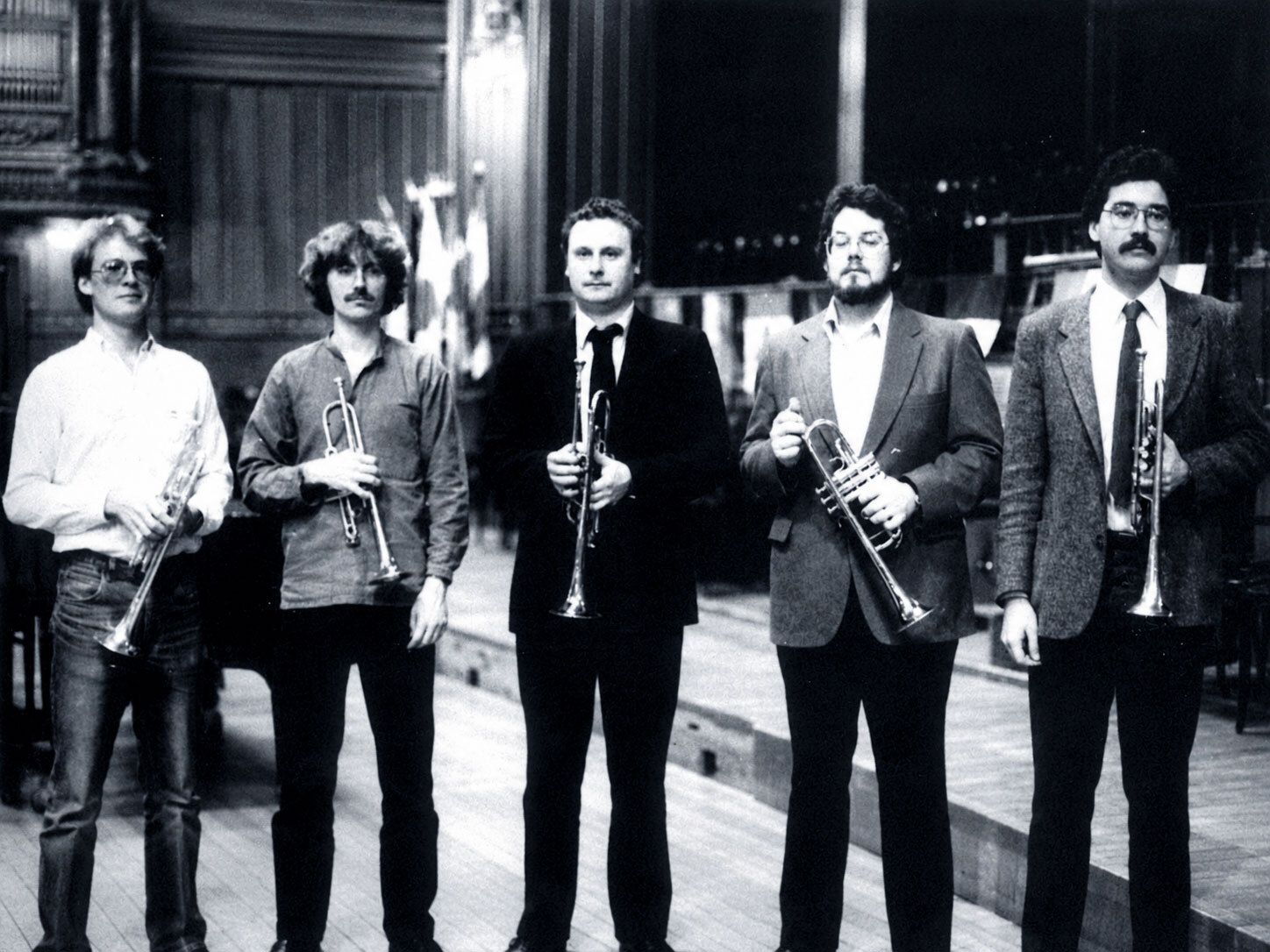
Finalists of the 22nd International Music Competition of Budapest — 1984: Jan Gustavsson (S) 2nd prize, Martin Schuster (DK) 2nd prize, Zoltan Kovács (H) 1st prize, James O’Donnell (USA) diploma, Geoffrey Payne (AUS) 1st prize.
Music competition results are seldom unanimous. Unanimity is impossible when the candidates are of a similar standard, as was the case in Budapest this year.
We must be frank: the “great soloist”, the individual who stands out from the crowd, did not appear in Budapest. As we would say in speaking of wine, it was a good year, no more, which explains the “inflationary” result (two 1st prizes and two 2nd prizes). Why two 1st and two 2nd prizes?
It is a result of “Budapest 1984”, one which must not be compared with other years and other competitions. Nor must these winners be compared with other, previous, winners. They have their own identity. The winners must know: these prizes are an invitation to work harder and better, to seek for greater musical maturity.
If the runners-up feel this final order was unfair, they should go back to work and set new objectives. A different jury, a different competition, a different set of candidates, different prescribed works might give them another chance.
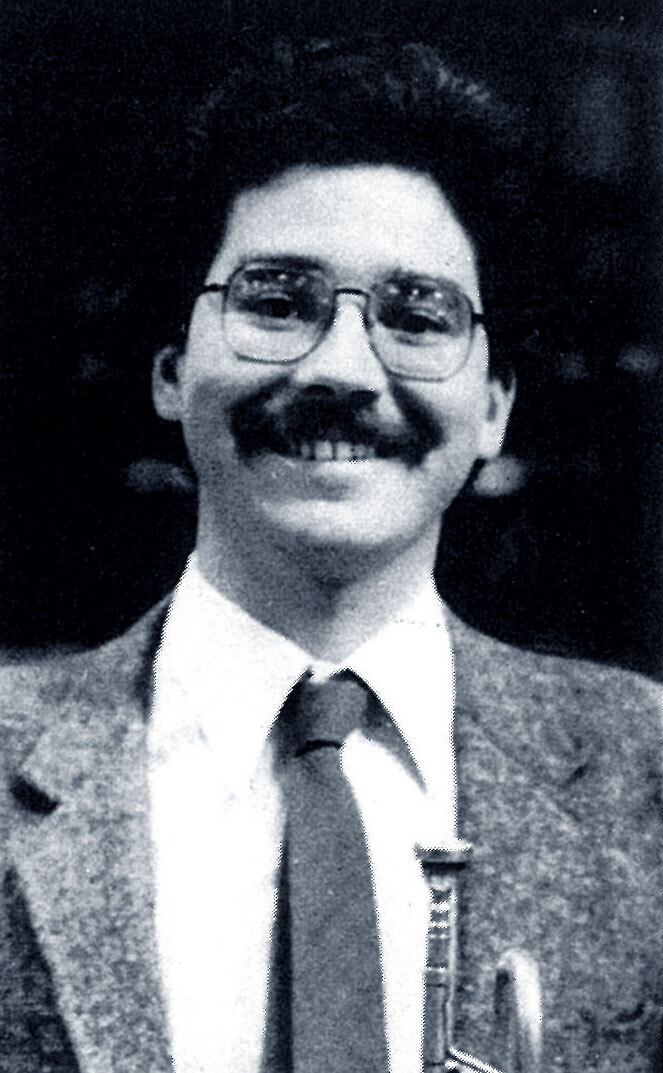
Geoffrey Payne — 1st prize
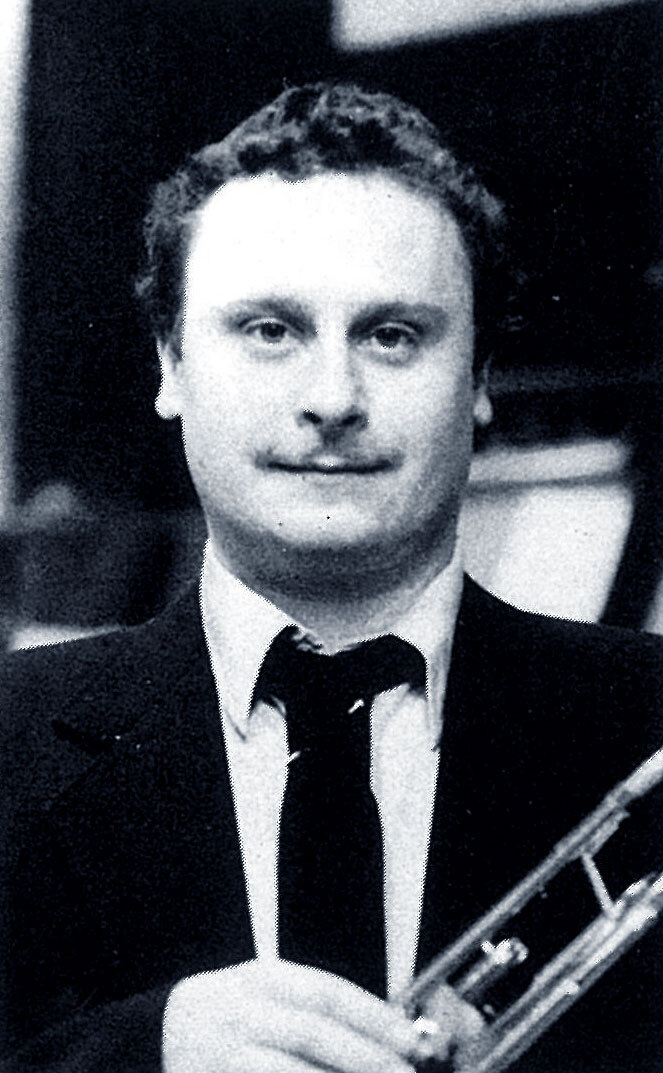
Zoltan Kovács — 1st prize
Laureates: 1st Prize: Geoffrey H. Payne (Australia), Zoltan Kovács (Hungary). 2nd Prize: Jan Gustavsson (Sweden), Martin Schuster (Denmark).
BRASS BULLETIN is happy to publish the opinions of three great masters of the trumpet who attended the competition: Timofey Dokshidser (jury), Theo Mertens (observer) and Philip Jones (jury).
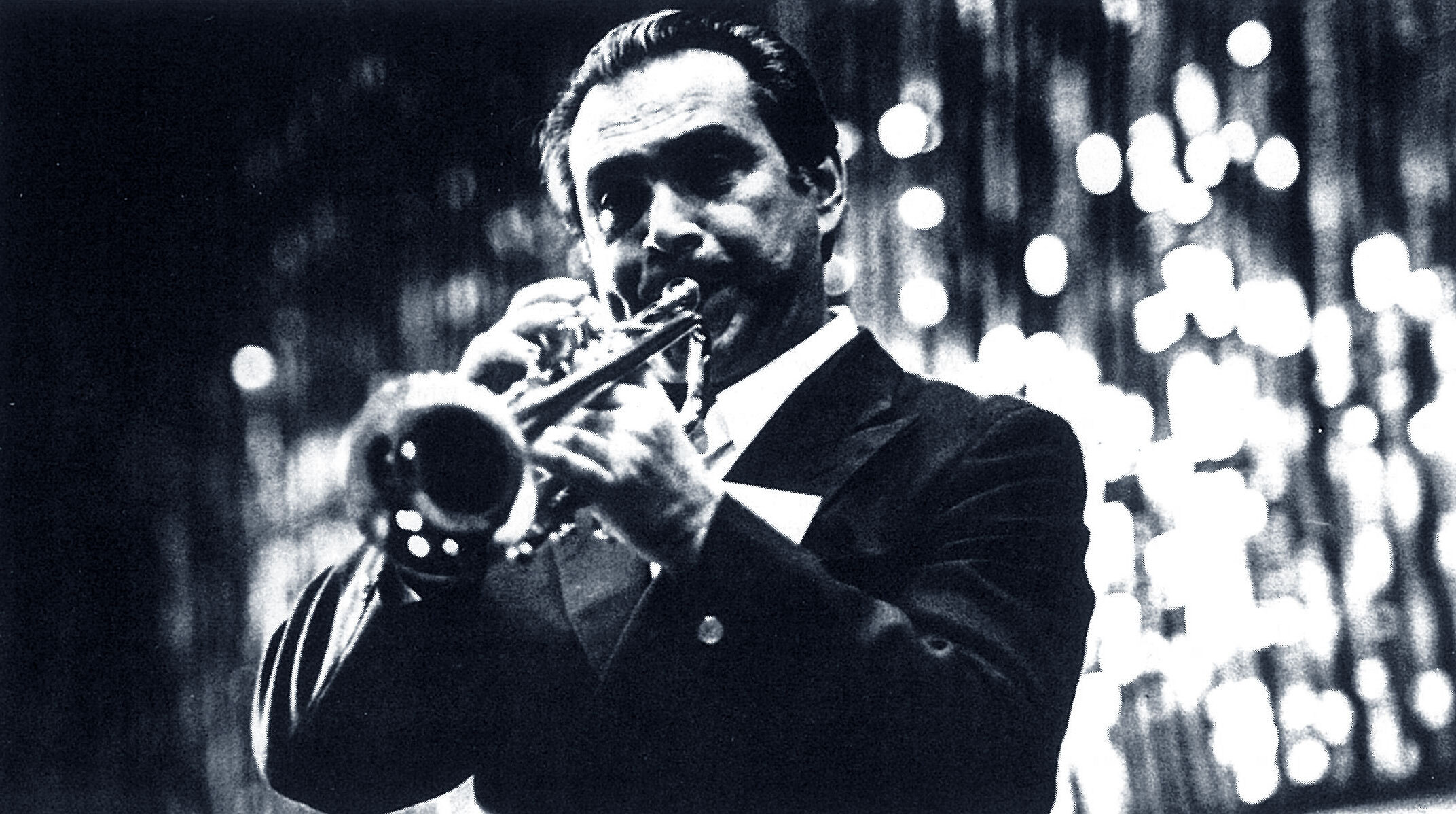
Timofey Dokshidzer
Timofey Dokshidzer
At the International Trumpet Competition in Budapest I had the opportunity to meet young players from twenty countries and to hear some new music, notably the work by Hidas. My overall impression: the technical standards today are high, but the artistic standards not so high.
Less than half of the forty competitors gave a rhythmical performance of the Haydn concerto: most played the technical passages too fast and the lyrical section too slow; all had trouble with the high D♭. The dramatic section of the Enescu “Legend” was spoiled by people playing it too fast in order to show off their technique. Some players’ failure to plan their performance led to a lack of dynamic contrast.
Further problems arose from the requirement that every competitor play a full-length (three-movement) work on the piccolo trumpet. Changing trumpets is always hard. Perhaps it would be more realistic to require the piccolo only for a short piece or for a single movement. The piccolo has become fashionable through its use by world-famous soloists — but is it right to ask intending orchestral players to try to emulate them?
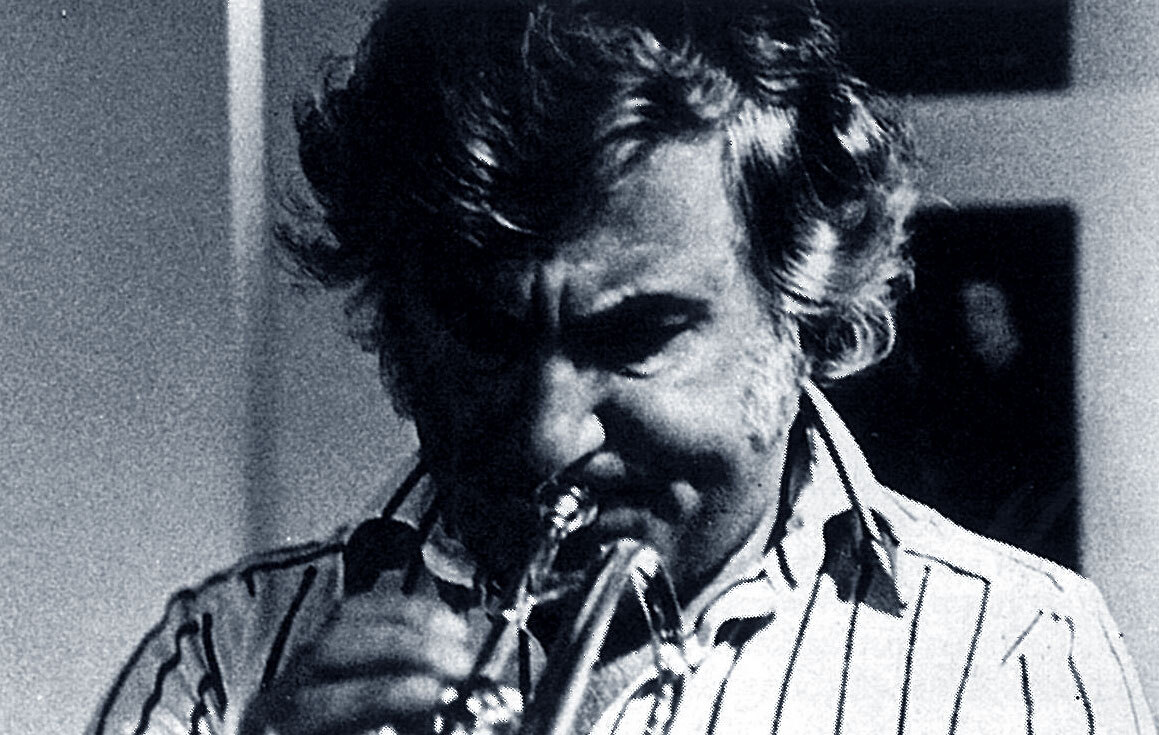
Théo Mertens
Théo Mertens
The organisers deserve congratulations for their international trumpet competition. It provided a new opportunity for trumpeters from all over the world to meet, compare themselves with one another and raise the artistic level of the trumpet. My thanks are due to the organisers for inviting me as their guest. They managed to establish an atmosphere of friendliness and cordiality. The success of the event is confirmed by the fact that 45 candidates appeared on the stage of the Franz Liszt Academy; no doubt the advertisements carried in BRASS BULLETIN contributed to this healthy number.
The competition
Eliminating round (43 candidates)
In this first round 43 candidates played the concerto in E♭ by Joseph Haydn and a modern piece of their choice. Eleven candidates chose Enesco’s “Legend” and most of the others chose traditional works, often of an inadequate standard. I think that young trumpeters ought to show more initiative and more taste in their choice of repertoire.
The Haydn concerto showed us the candidates’ real worth and stature. A few common faults — too much preoccupation with technique, tempos too fast (blunders in difficult passages). Much could also be said about cadenzas which were often of doubtful musical taste and musically too far removed from the work. I feel the interpretation needs more work; a lot of candidates could only “play the notes”.
Semi-final (17 candidates)
The programme required the Tartini or Stölzel concerto as well as one of the three works written specially for the competition by three Hungarian composers (Hidas: “Trumpet Fantasy”; Lendvay: “Senza sordino”; Szöllösy: “Suono di tromba”). What struck me most in this round was the presence of five candidates from the People’s Republic of China; I did not know this school of trumpet playing.
Continue reading
Accede a la edición digital completa.
Brass Bulletin 48, IV / 1984 páginas 30–37
Todo el contenido está protegido por derechos de autor © Brass Bulletin 1984–2026