Parte 7
Instrument Makers in USA
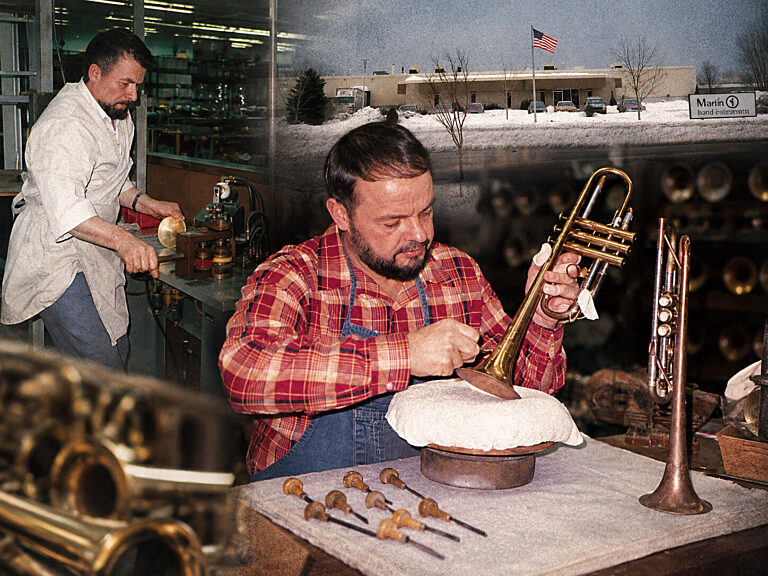
Martin (G. Leblanc Corporation)
Por Stephan Suter
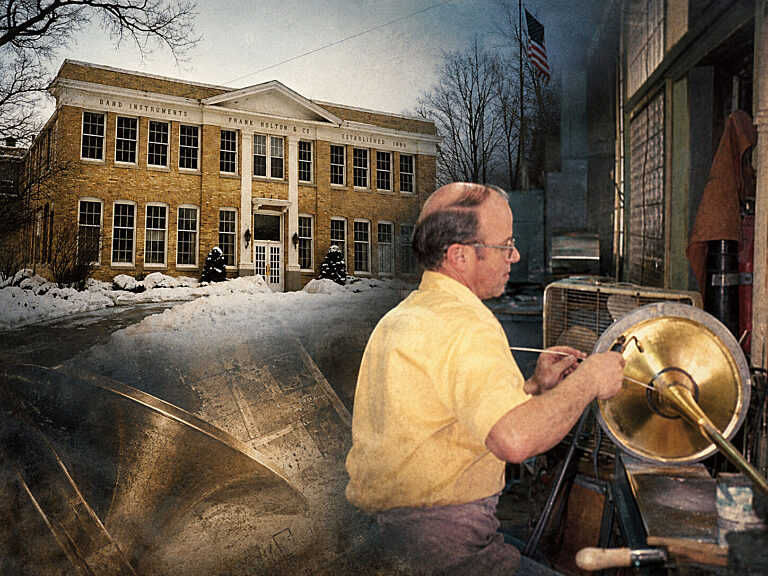
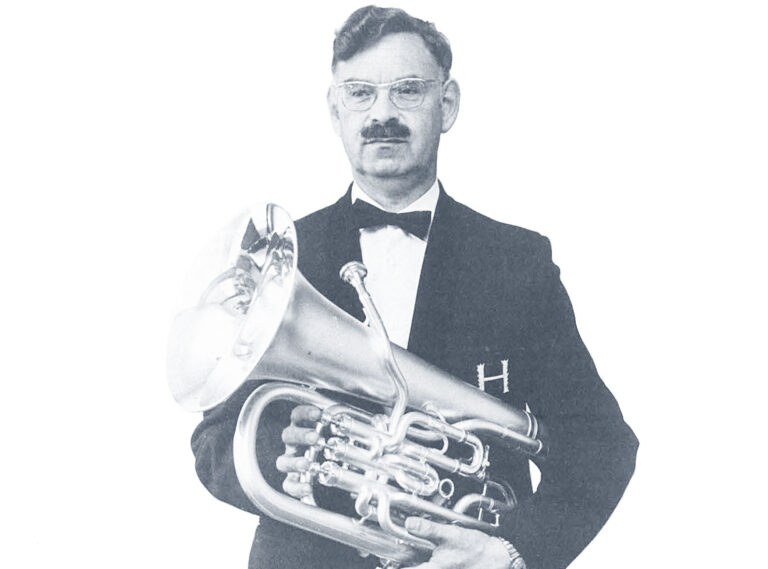
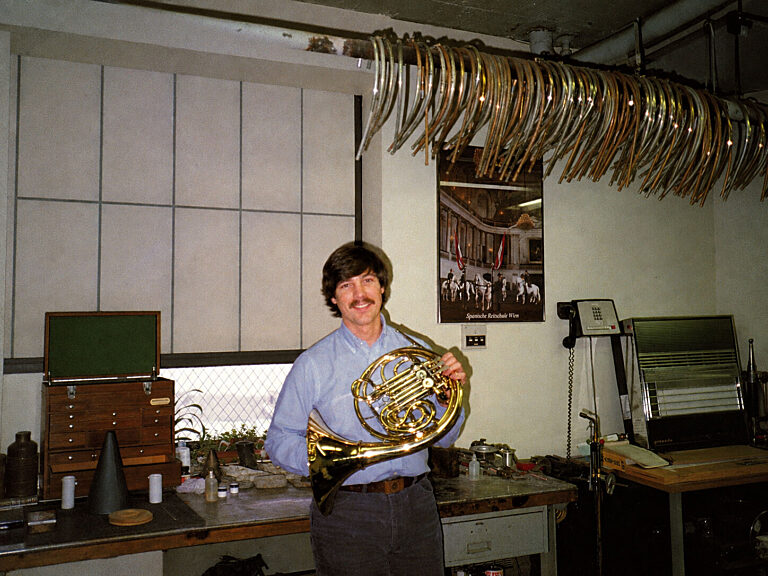
In 1970s Wisconsin, industrial efficiency transformed brass instrument production, yet traditional craftsmanship still had a place on the factory floor.
Revista para los músicos de metal
9 de octubre de 2026
Artículos, entrevistas, investigaciones y documentos históricos
Parte 7
Martin (G. Leblanc Corporation)
Por Stephan Suter
In 1970s Wisconsin, industrial efficiency transformed brass instrument production, yet traditional craftsmanship still had a place on the factory floor.
Parte 6
Holton (G. Leblanc Corporation)
Por Stephan Suter
In Elkhorn, Wisconsin, traditional craftsmanship meets industrial production, while Holton confronts the delicate balance between innovation and musicians’ conservatism.
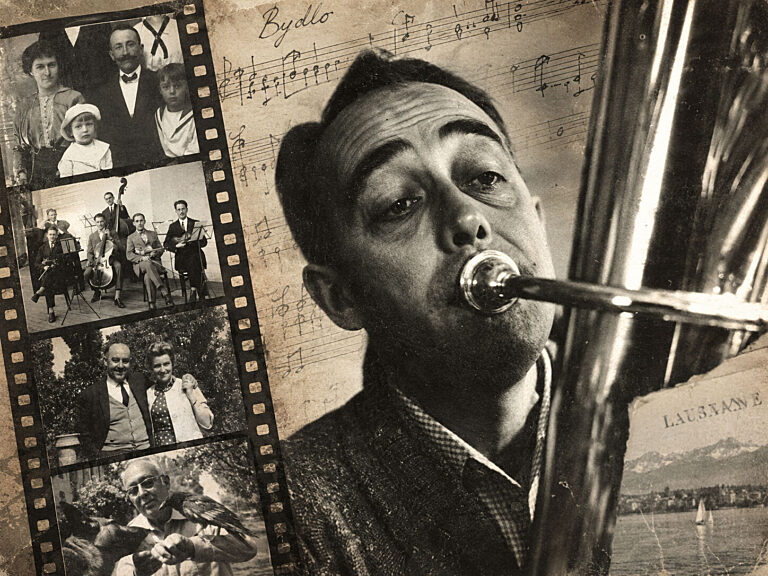
In Geneva on the eve of war, Edouard Gros navigates Ansermet’s demanding orchestra, summer trumpet engagements and the sudden upheaval of military mobilisation.
Por Edouard Gros
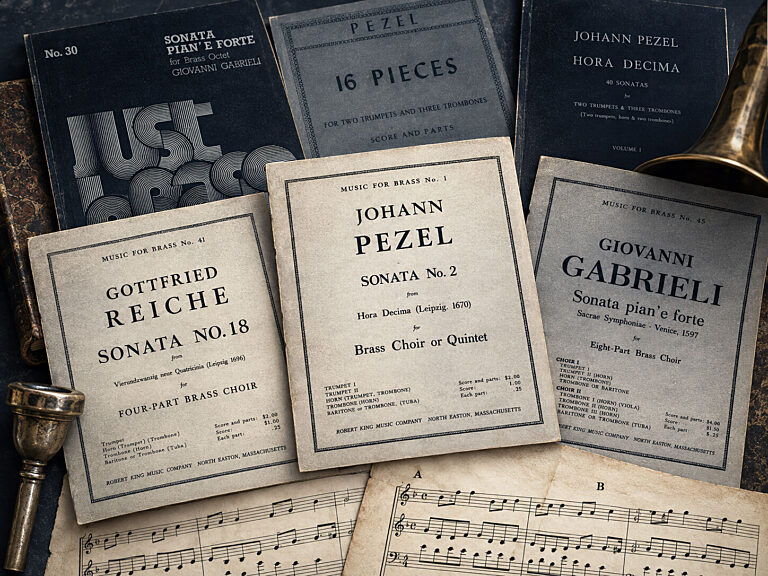
Seventeenth-century brass music regained its place in the repertoire, but modern editions often altered the original keys, instrumentation and balance between voices.
Por Klaus Winkler
Special Finland
Finnish Horn Player and Teacher
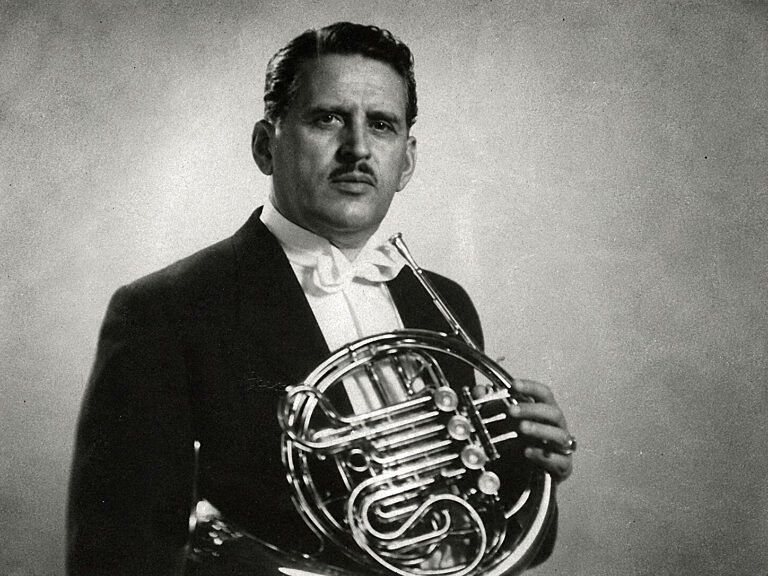
Holger Fransman remembers the Vienna that shaped his horn playing, the rise of musical education in Finland, and encounters with Sibelius.
Por Jean-Pierre Mathez
En sus propias palabras
N.º 26 · 1979
Leer el artículoAcceso completo
Acceso ilimitado a todos los artículos, descarga de PDF históricos y nuevos contenidos cada semana — desde CHF 5 al mes.
Suscríbete
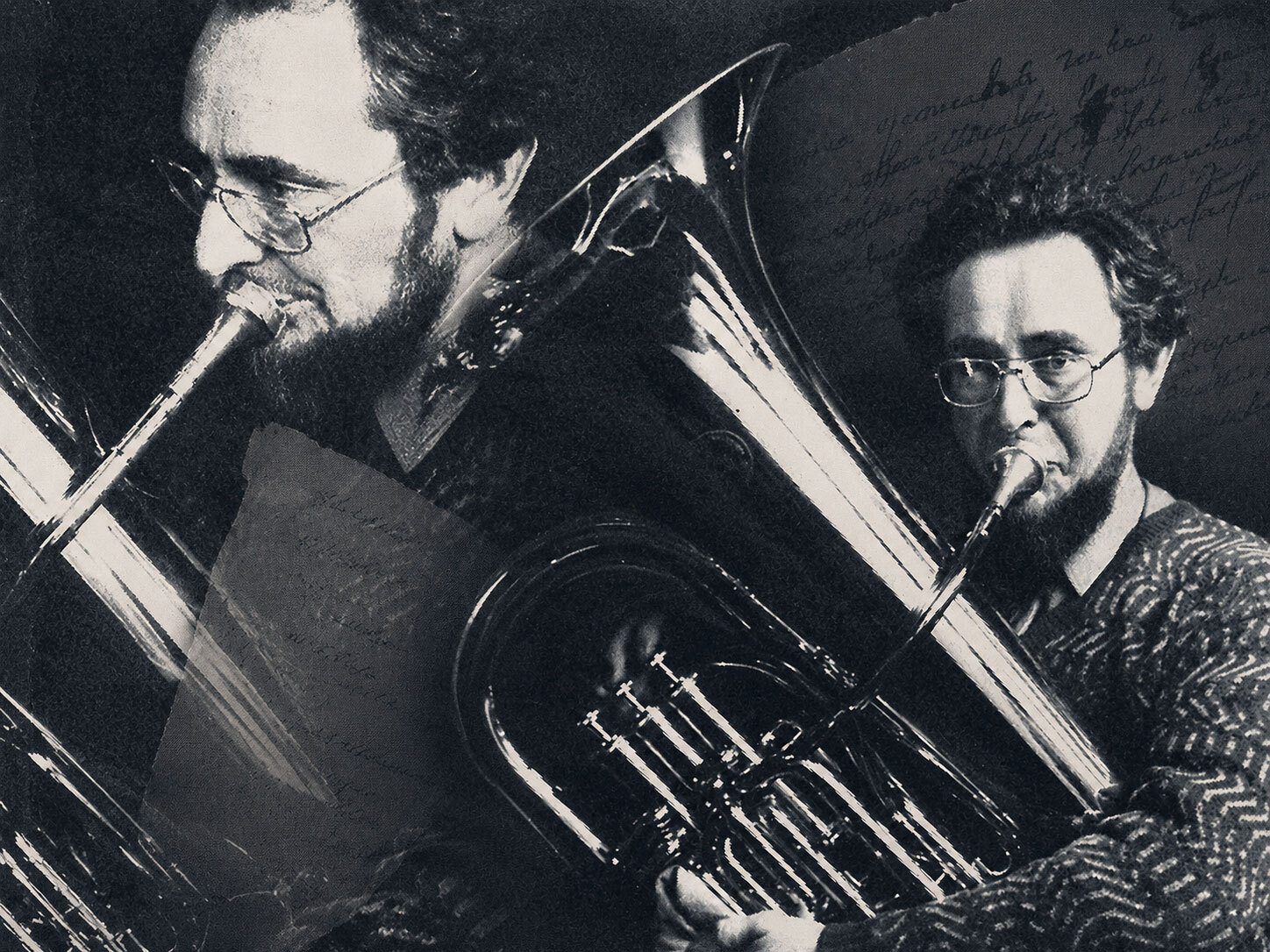
Playing solos on the tuba is pretty unsatisfactory as well. After about five minutes, the average ear gets sick of the noise. Most people can’t hear at the bottom. Tuba players, with their extra aural sophistication, have completely forgotten that to most people anything below the top of the bass clef is just a rumble.
— John Fletcher
N.º 47 1984
Leer el artículo
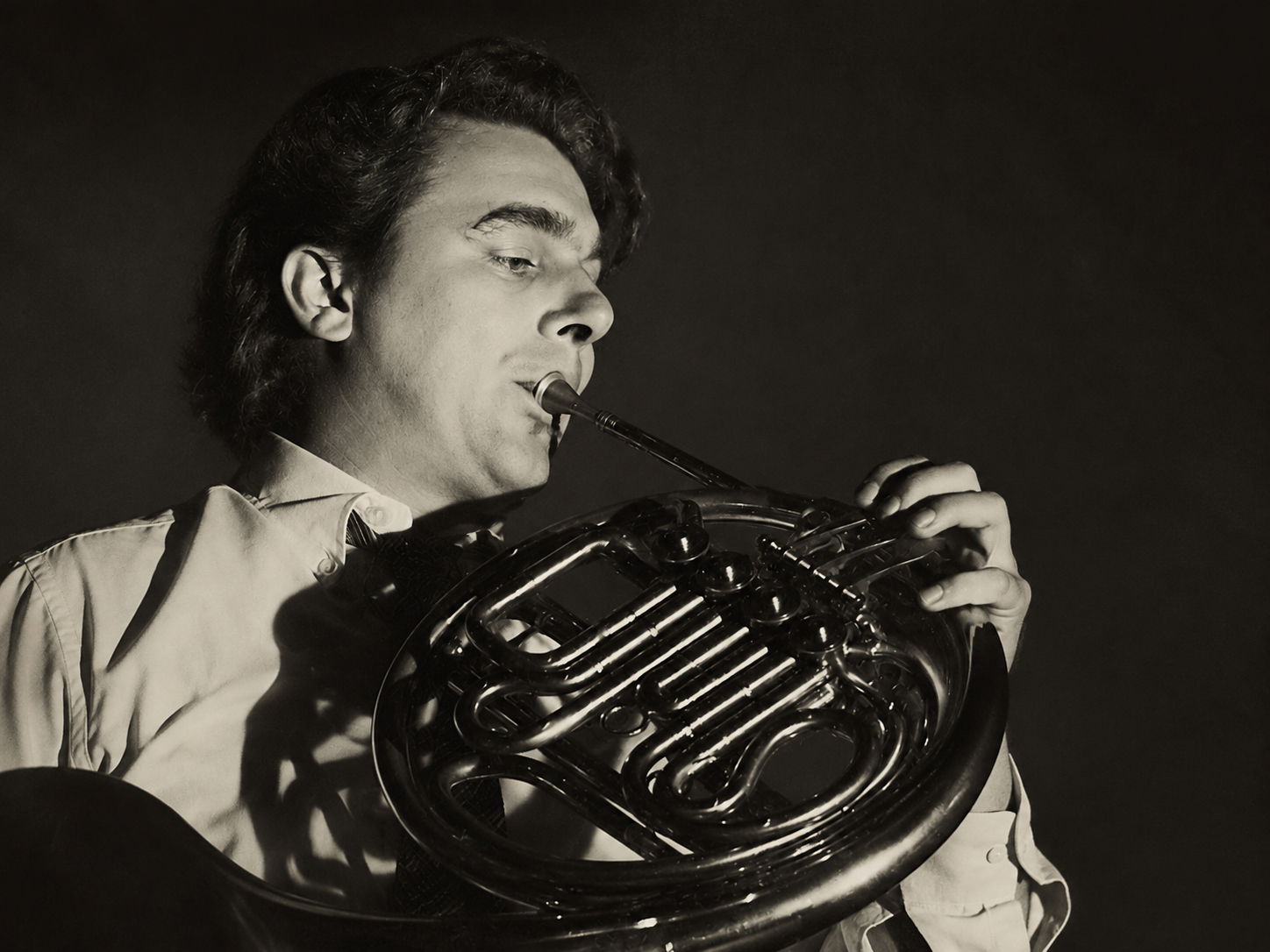
Should today's hornist avail himself, then, of a corno da caccia for Bach, an invention horn for Mozart, an F horn for Brahms? I do — but only on the condition that the rest of the ensemble is likewise using historical instruments. Otherwise, the same effect would result as when a carriage of the turn of the century were to be coupled to a modern diesel locomotive...
— Hermann Baumann
N.º 3 1972
Leer el artículo
Trompeta
The Trumpet Method
The first trumpet method rediscovered: Edward H. Tarr reveals how Bendinelli’s 1614 treatise reshapes our understanding of trumpet technique, signals, and ensemble art.
Por Edward H. Tarr
Trompa
The natural horn is not a retreat into the past: Thomas Müller argues that its demands on sound, technique and awareness can broaden a modern player’s craft.
Por Jeffrey Agrell
Trombón
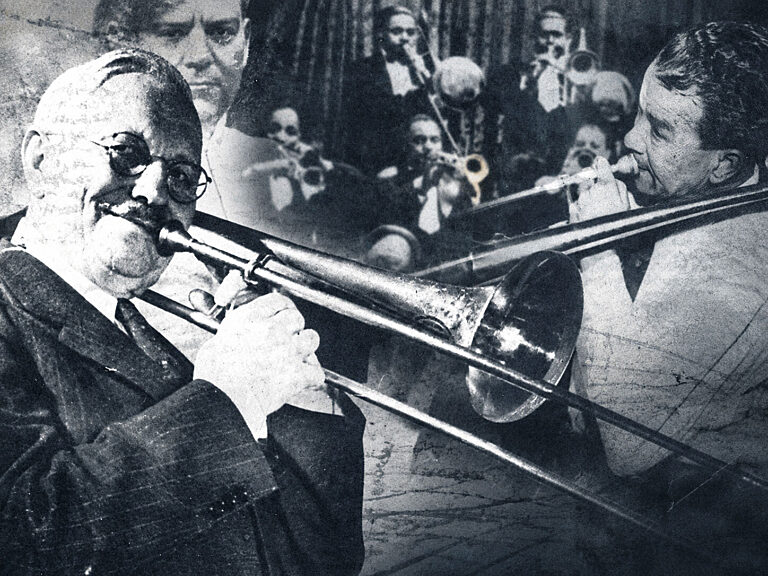
Jazz did not invent the modern trombone: early virtuosos, New Orleans players and changing techniques reveal a more complex path toward flexibility and legato.
Por Michel Laplace
Bombardino
The euphonium revealed: Barrie Perrins explores its history, technique, and expressive power—making a compelling case for its place as one of brass’s most versatile solo voices.
Por Barrie Perrins
Tuba
Eyes toward the future
Beyond the instrument: Roger Bobo calls for open minds at Symposium ’78—urging tubists to seek inspiration, question identity, and look boldly toward the future.
Por Roger Bobo
Trombón
Report on the first National Trombone Workshop (1971), highlighting pedagogy, leading performers and the legacy of Emory Remington.
Por Henry Romersa
Momentos históricos plasmados en las páginas del Journal de Brass Bulletin.
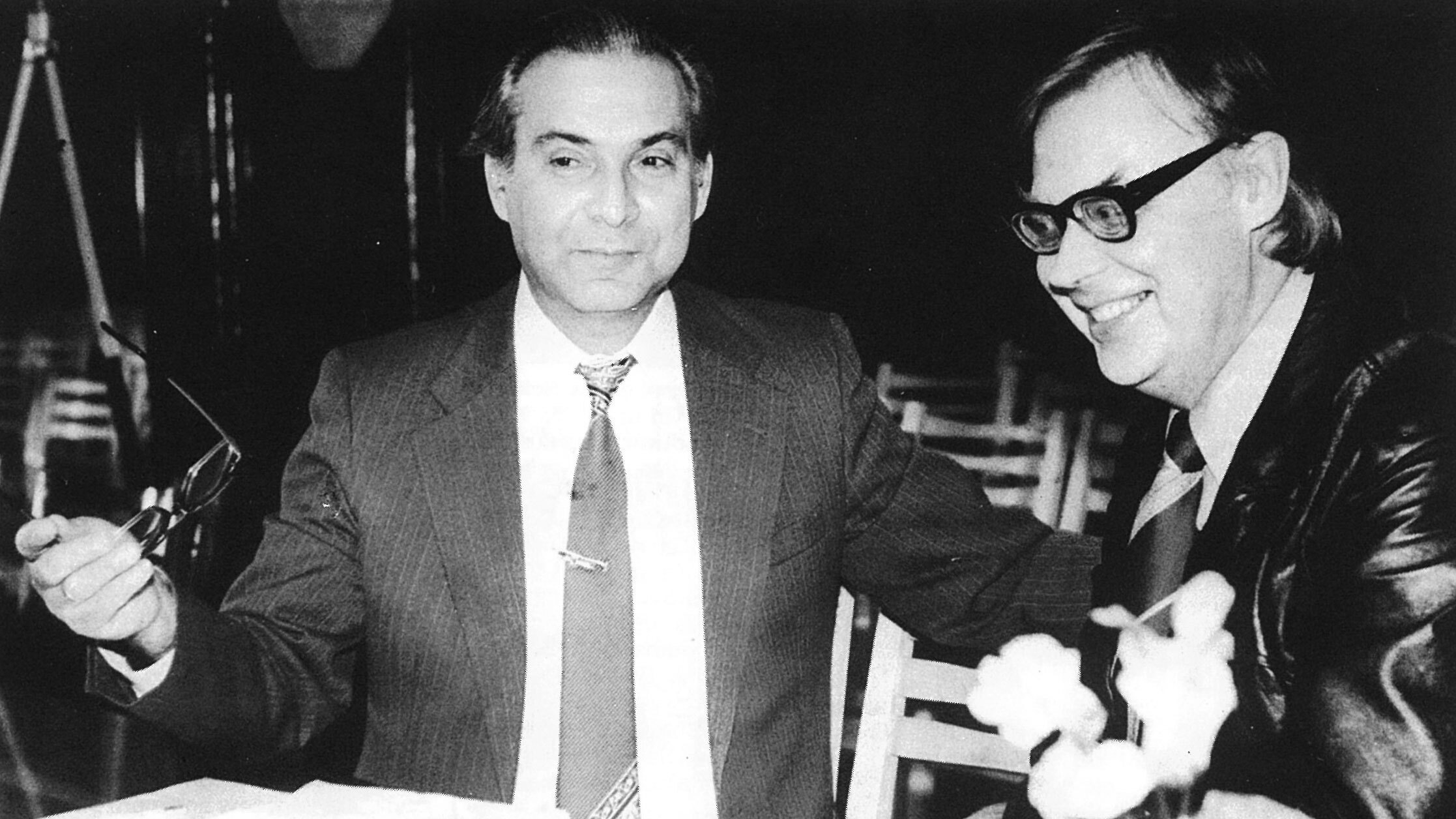
Timofey Dokshitzer and composer Eino Tamberg
Brass Bulletin n.º 37 1982
Explorar este númeroN.º 51 · 1985
A career built on sound, memory and the natural horn shows how Hermann Baumann helped redefine what a horn soloist could be on the international stage.
Por Jean-Pierre Mathez
N.º 49 · 1985
Overshadowed by Armstrong and later by Eldridge, Jabbo Smith emerges as a crucial trumpet innovator whose speed, range and phrasing anticipated modern jazz.
Por Michel Laplace
N.º 52 · 1985
As international standards reshape brass playing, musical individuality risks giving way to imitation, leaving tradition, ensemble work and personal conviction at stake.
Por Hans-Joachim Drechsler
N.º 47 · 1984
As brass instruments grew larger and louder, John Fletcher saw something being lost: the individual voice, clarity and character that make a player heard.
Por Thomas Aitken
N.º 49 · 1985
A principal trumpet, influential teacher and formidable musician remembered through the voices of pupils who experienced Ernest Hall’s uncompromising standards.
Por Thomas Aitken
N.º 46 · 1984
In Mozart’s sacred music, the trombone moved beyond choral reinforcement to striking solo roles that preserve the sound and practice of eighteenth-century Salzburg.
Por Benny Sluchin
Explorar por instrumento