Parte 7
Instrument Makers in USA
Martin (G. Leblanc Corporation)
Di Stephan Suter
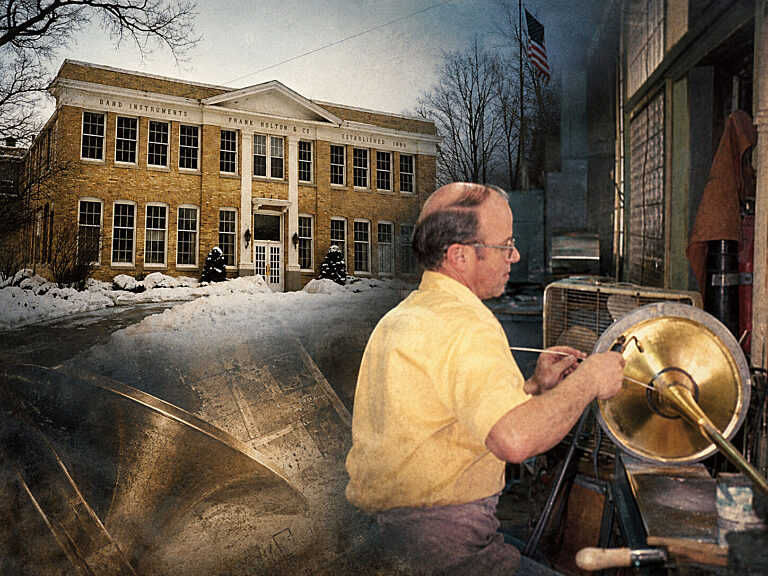
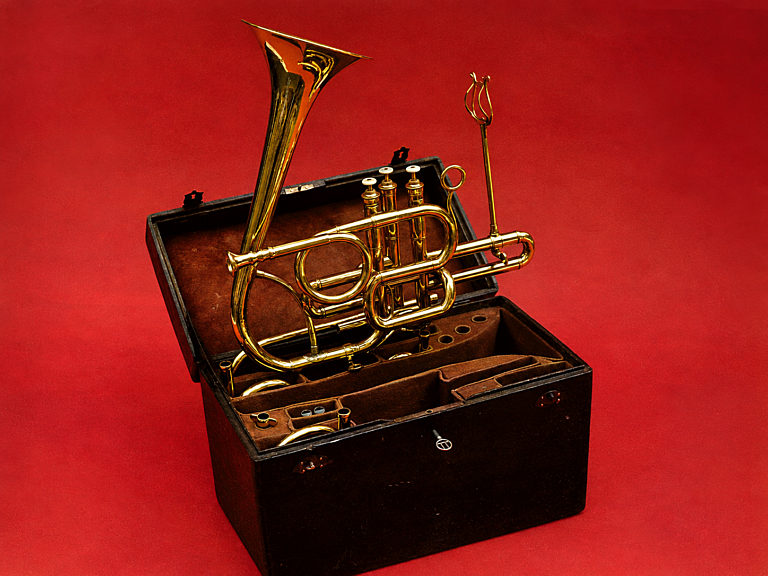
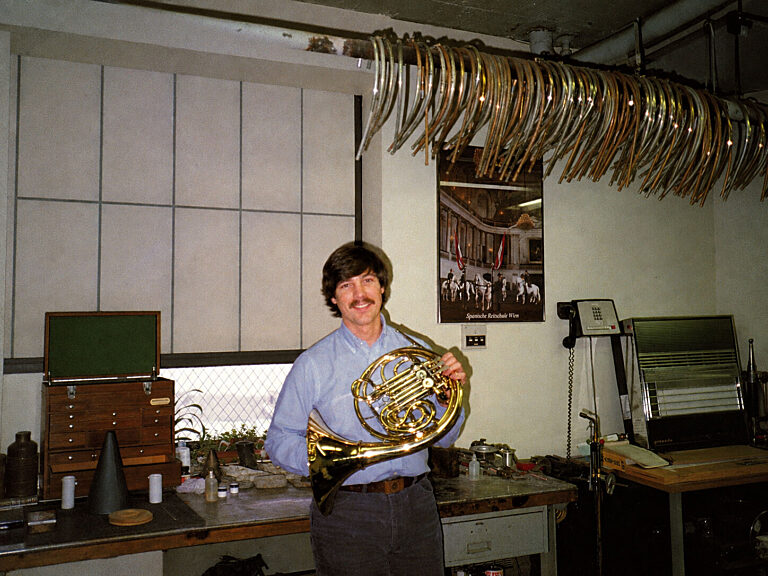
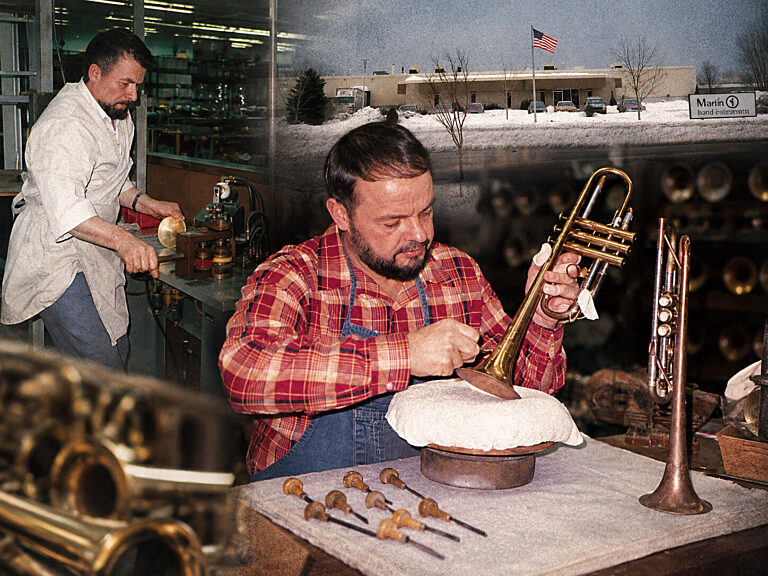
In 1970s Wisconsin, industrial efficiency transformed brass instrument production, yet traditional craftsmanship still had a place on the factory floor.
Rivista internazionale degli ottoni
9 ottobre 2026
Articoli, interviste, ricerche e documenti storici
Parte 7
Martin (G. Leblanc Corporation)
Di Stephan Suter
In 1970s Wisconsin, industrial efficiency transformed brass instrument production, yet traditional craftsmanship still had a place on the factory floor.
Parte 6
Holton (G. Leblanc Corporation)
Di Stephan Suter
In Elkhorn, Wisconsin, traditional craftsmanship meets industrial production, while Holton confronts the delicate balance between innovation and musicians’ conservatism.
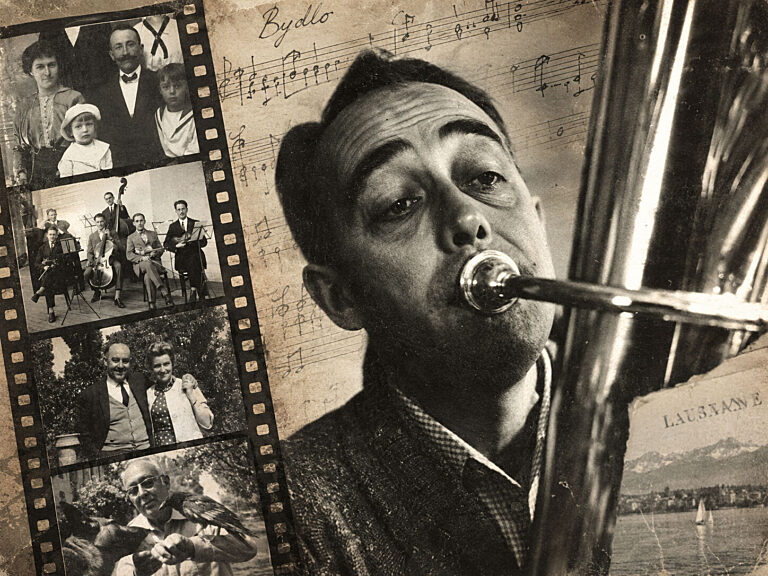
In Geneva on the eve of war, Edouard Gros navigates Ansermet’s demanding orchestra, summer trumpet engagements and the sudden upheaval of military mobilisation.
Di Edouard Gros
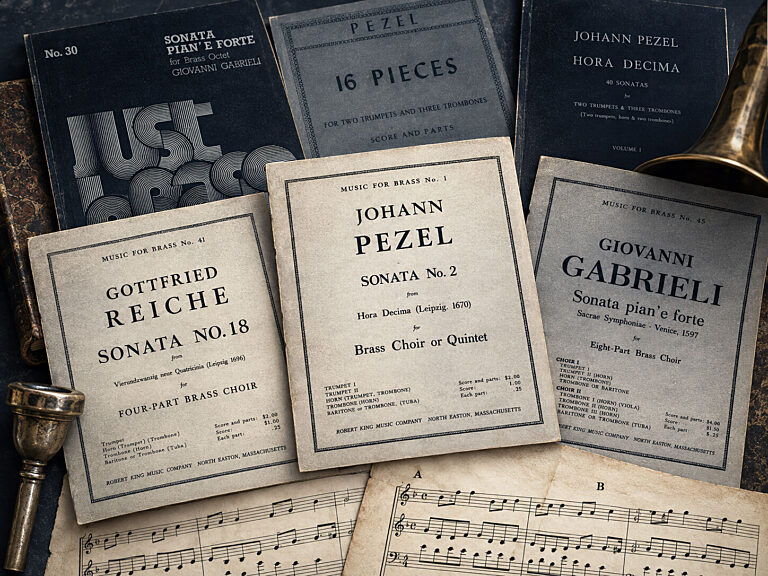
Seventeenth-century brass music regained its place in the repertoire, but modern editions often altered the original keys, instrumentation and balance between voices.
Di Klaus Winkler
Special Finland
Finnish Horn Player and Teacher
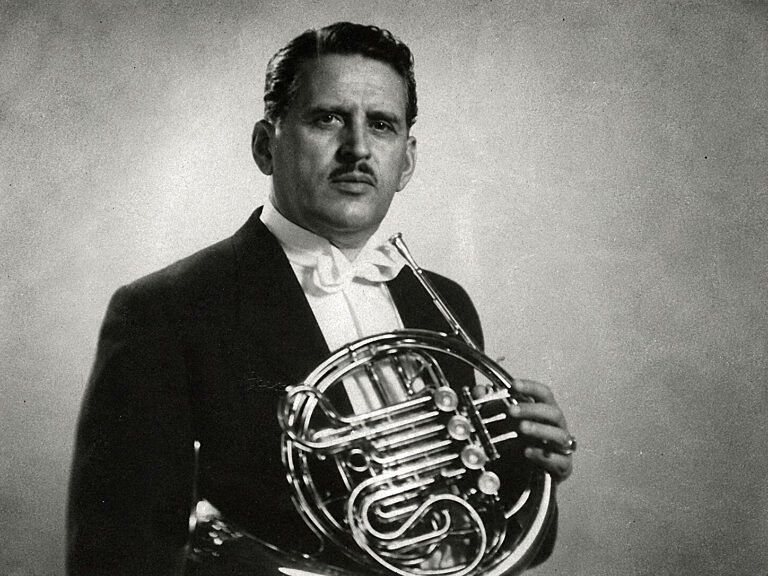
Holger Fransman remembers the Vienna that shaped his horn playing, the rise of musical education in Finland, and encounters with Sibelius.
Di Jean-Pierre Mathez
Con le loro parole
N. 23 · 1978
Leggi l’articoloAccesso completo
Accesso illimitato a tutti gli articoli, download dei PDF storici e nuovi contenuti ogni settimana — a partire da CHF 5 al mese.
Abbonati
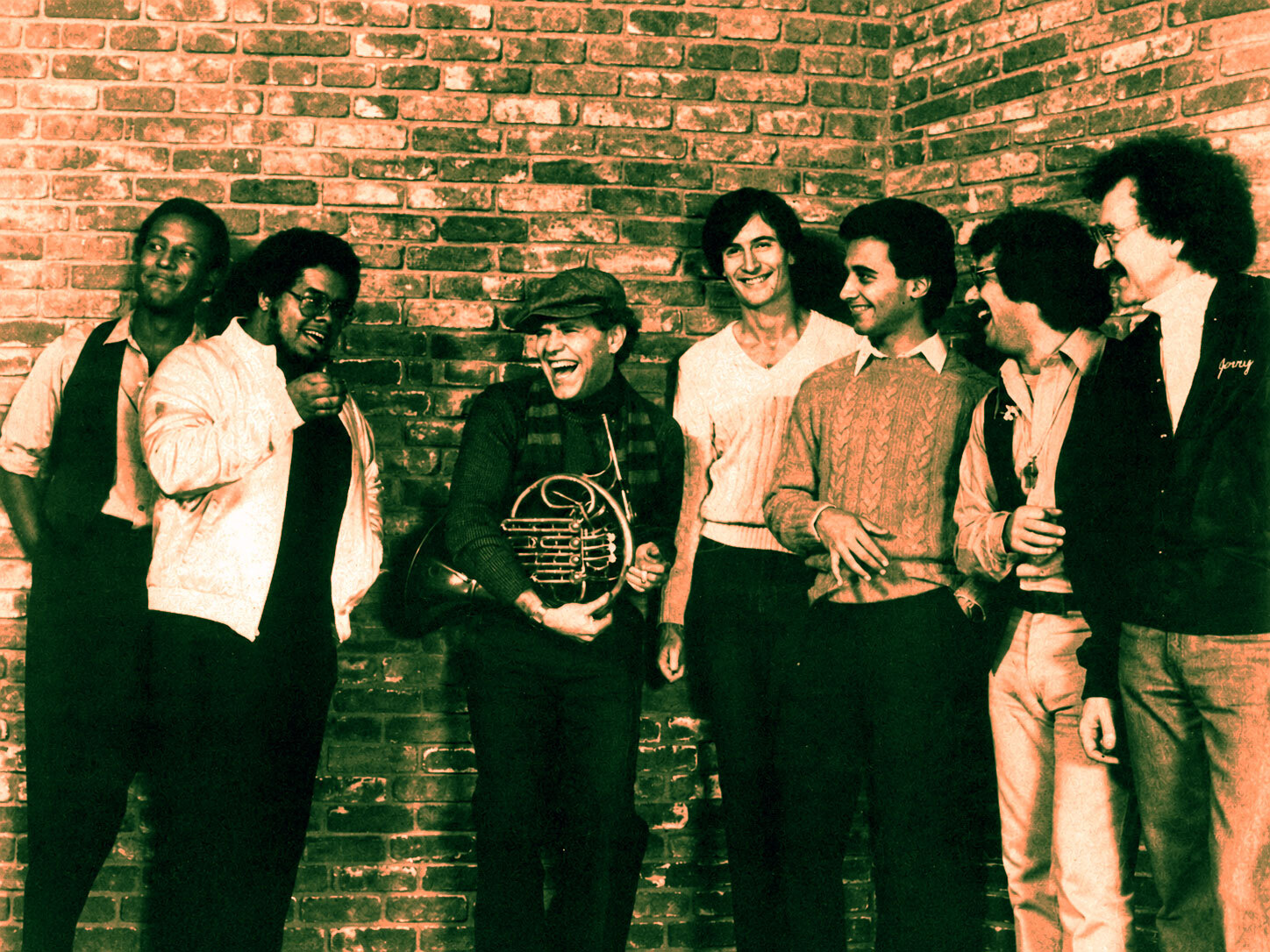
Of all the instruments, the french horn looked and sounded the most beautiful, and it looked like it would be easy. But I was wrong, it wasn’t easy. By the time I found that out, it was too late...
— Peter Gordon
N. 50 1985
Leggi l’articolo
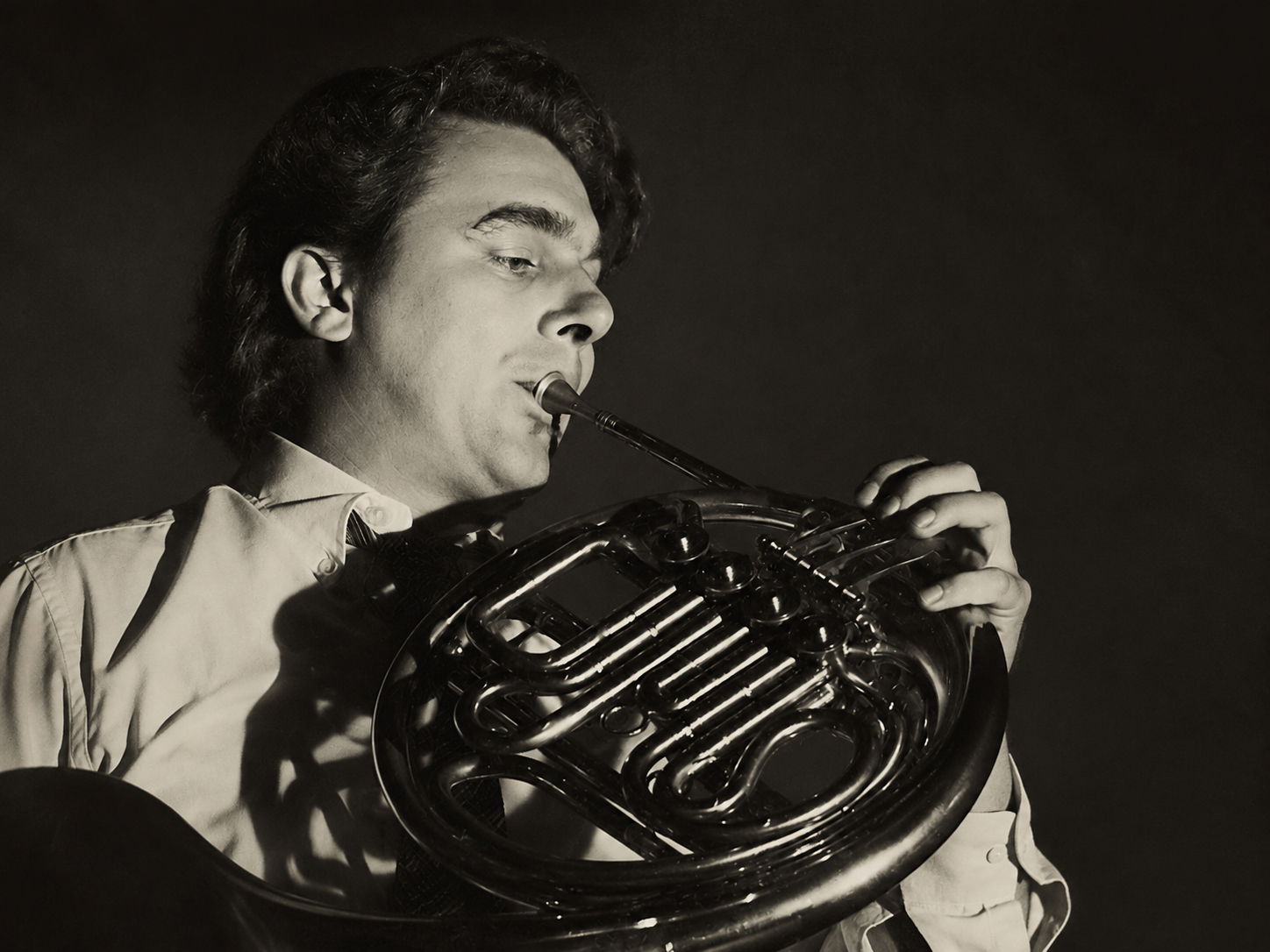
Should today's hornist avail himself, then, of a corno da caccia for Bach, an invention horn for Mozart, an F horn for Brahms? I do — but only on the condition that the rest of the ensemble is likewise using historical instruments. Otherwise, the same effect would result as when a carriage of the turn of the century were to be coupled to a modern diesel locomotive...
— Hermann Baumann
N. 3 1972
Leggi l’articolo
Tromba
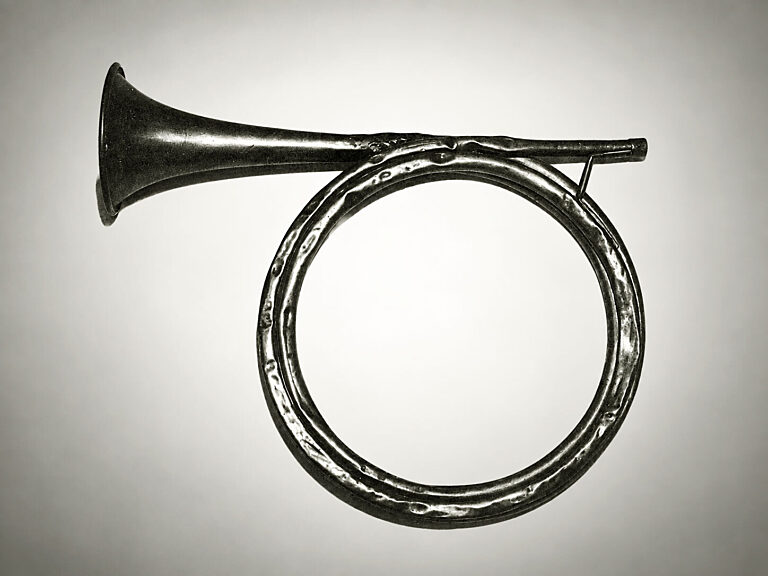
Publication of a 1703 apprenticeship contract for a field trumpeter, offering insight into training, discipline and professional life.
Di Ernst W. Buser
Corno
Commentary responding to H. Baumann’s article (BB 3), offering critical observations and contributing to the ongoing debate on horn playing.
Di Harold Meek
Trombone
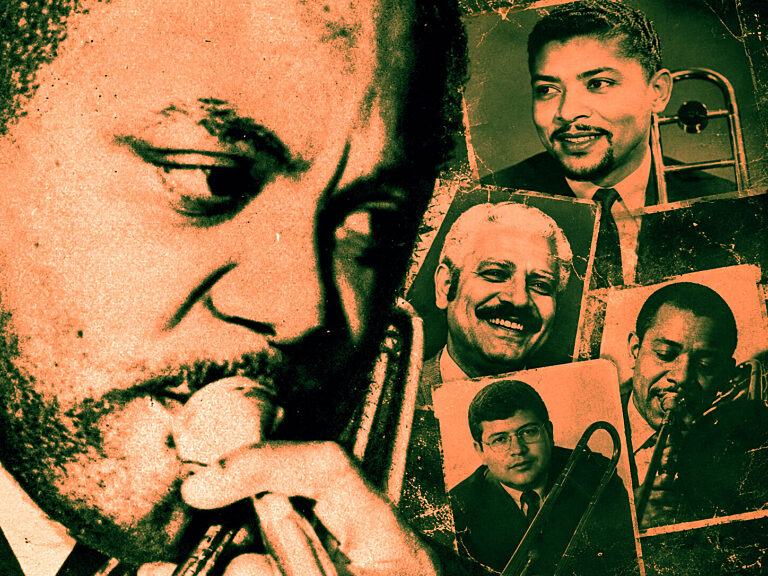
Pluralism of expression since 1945
Bebop, cool jazz, free jazz and neo-classicism transformed the trombone after 1945, as new players, techniques and instruments pushed its boundaries.
Di Michel Laplace
Eufonio
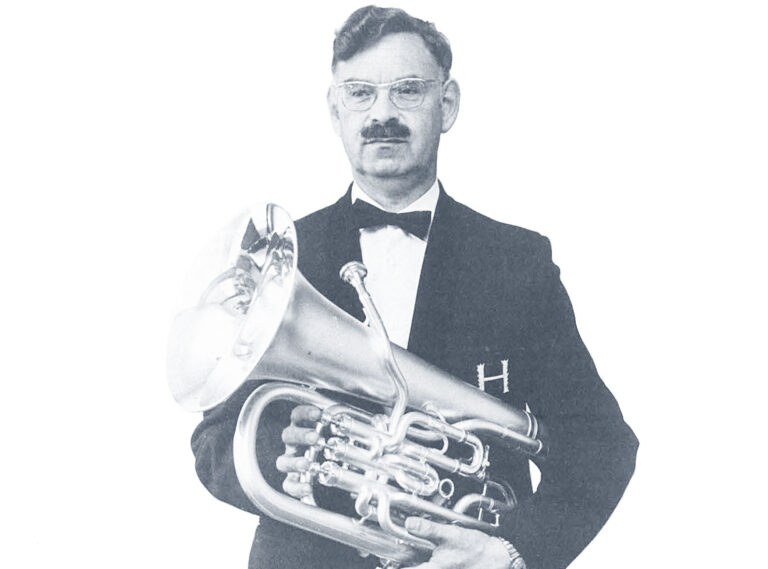
The euphonium revealed: Barrie Perrins explores its history, technique, and expressive power—making a compelling case for its place as one of brass’s most versatile solo voices.
Di Barrie Perrins
Tuba
A warning from the orchestra: Lewis Waldeck challenges modern tuba playing—calling for a return from solo brilliance to the dark, blended power of true symphonic sound.
Di Lewis Waldeck
Corno
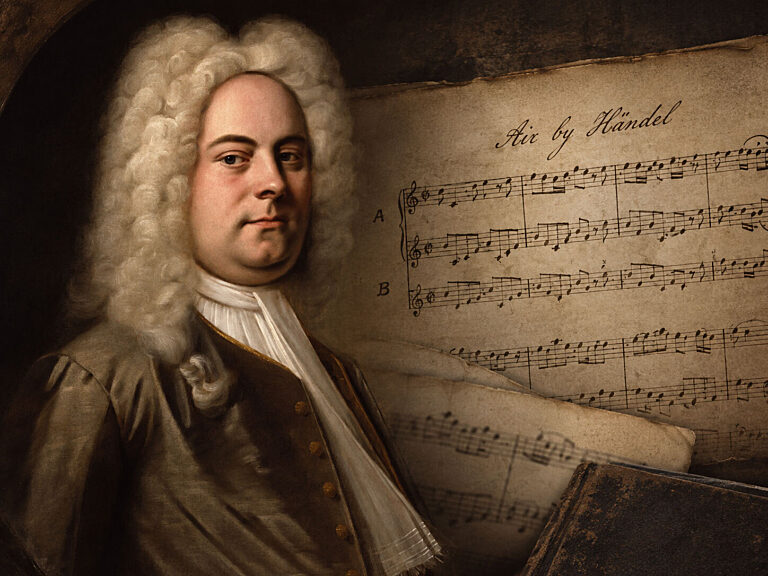
A lost 18th-century horn tutor resurfacing through South America completes a Handel duet and preserves strikingly practical advice on horn playing.
Di Edward H. Tarr
Momenti storici immortalati nelle pagine del Journal di Brass Bulletin.
Mauro Maur • Patrick Fabert • Thierry Caens • Guy Touvron
Brass Bulletin No. 36 1981
Sfoglia questo numeroN. 51 · 1985
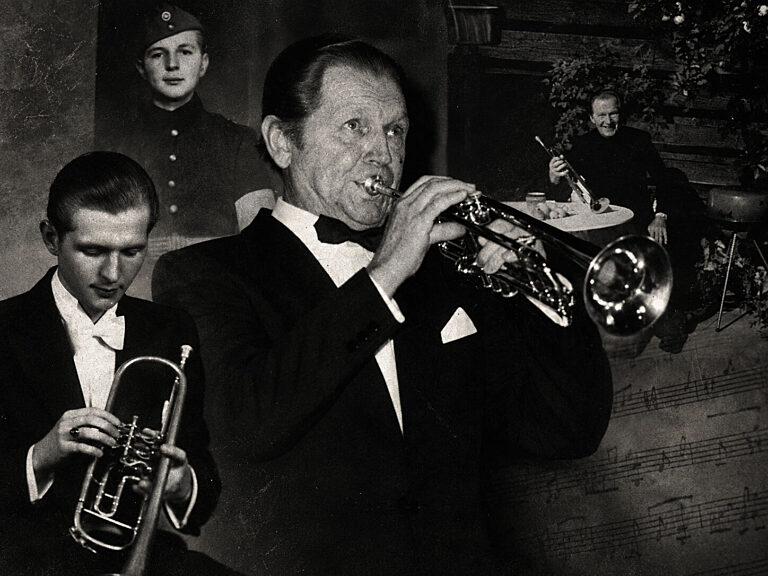
A career built on sound, memory and the natural horn shows how Hermann Baumann helped redefine what a horn soloist could be on the international stage.
Di Jean-Pierre Mathez
N. 49 · 1985
Overshadowed by Armstrong and later by Eldridge, Jabbo Smith emerges as a crucial trumpet innovator whose speed, range and phrasing anticipated modern jazz.
Di Michel Laplace
N. 52 · 1985
As international standards reshape brass playing, musical individuality risks giving way to imitation, leaving tradition, ensemble work and personal conviction at stake.
Di Hans-Joachim Drechsler
N. 47 · 1984
As brass instruments grew larger and louder, John Fletcher saw something being lost: the individual voice, clarity and character that make a player heard.
Di Thomas Aitken
N. 49 · 1985
A principal trumpet, influential teacher and formidable musician remembered through the voices of pupils who experienced Ernest Hall’s uncompromising standards.
Di Thomas Aitken
N. 46 · 1984
In Mozart’s sacred music, the trombone moved beyond choral reinforcement to striking solo roles that preserve the sound and practice of eighteenth-century Salzburg.
Di Benny Sluchin
Sfoglia per strumento