Rendete Brass Bulletin disponibile nella vostra università, nel vostro conservatorio o nella vostra biblioteca Scoprite l’accesso istituzionale

3 min di lettura

Trombone workshops

Trombone workshops

This past year I have visited and participated in many “trombone workshops”. These workshops are becoming more and more common these days: most of them are sporadic events following the International Trombone Workshop idea. This original workshop has been held annually in Nashville, Tennessee, since 1971 and the International Trombone Association was in fact a by-product of the first one.

The idea of instrumentalists getting together is probably most characteristic of brass players. The reasons for this phenomenon are varied, I am sure, and could supply material for a long research project which I would like to leave for another occasion. The fact is that the will to get together and exchange knowledge has led to the organisation of these special events.

In what follows I would like to describe in detail some workshops I attended this past year.

In Nashville, one tries to invite many players from all different areas of music (symphonic, jazz, commercial recordings, solo, etc.) and from different schools of playing. In this way, the workshop becomes a meeting and of interest not only to those coming to listen but also to those coming to play (and talk). In Nashville one could say there was almost too much:

  • Two different master classes daily. Here one has an hour where the invited player expounds his approach to playing. He can do it in any of the following ways: a recital, a lecture, answering questions or in teaching (the conventional “master class” notion). These sessions, held by small groups, permit an initial contact which could be further developed.
  • Special sessions. Lectures (with or without music) in bigger groups on various subjects: historical, acoustic, teaching, repertoire, etc.
  • Concerts. These could have a variety of styles and idioms from classical to avant-garde, jazz or free improvisation.

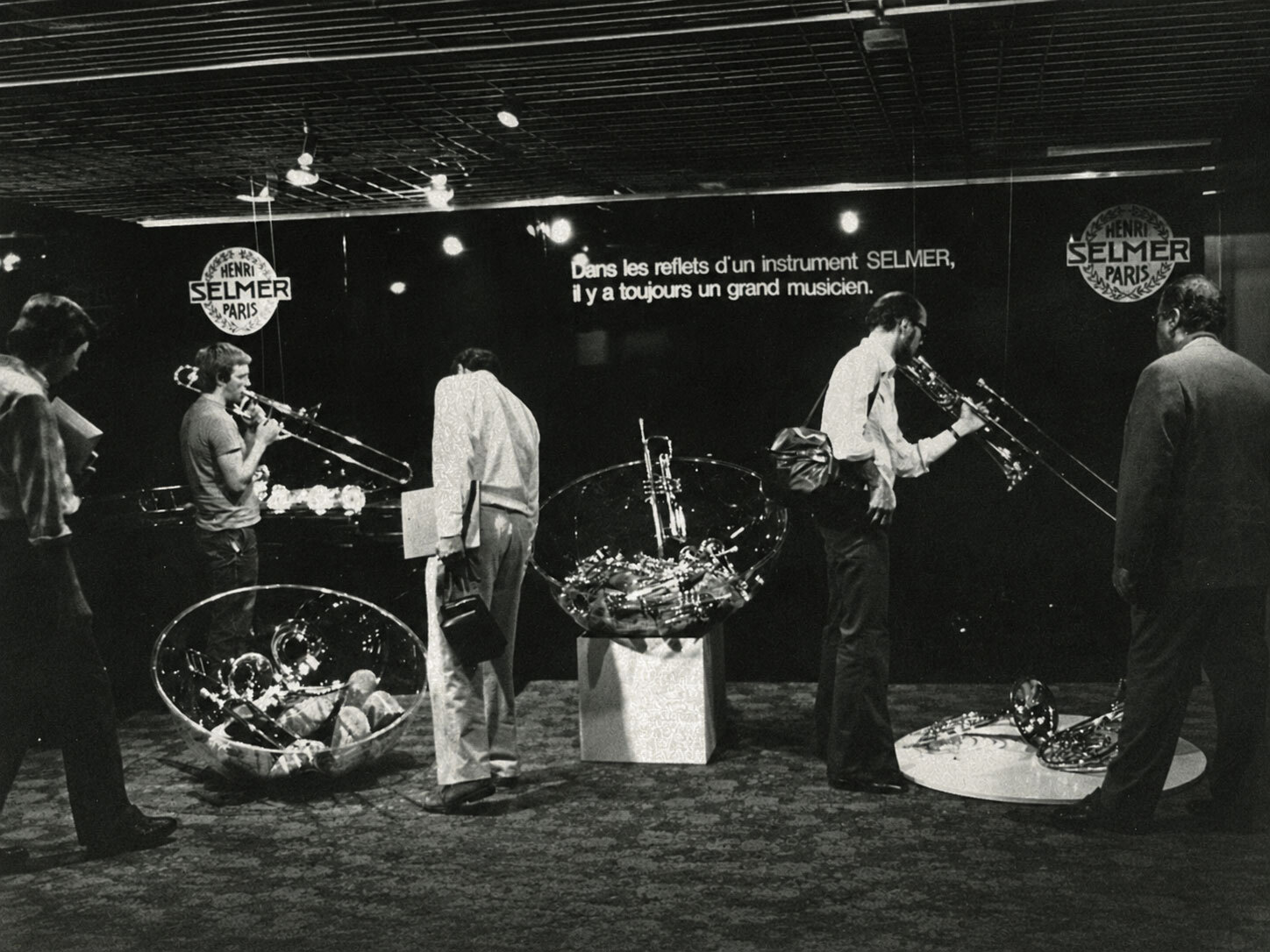
All these sessions follow one another so fast that there is no time to stop and think for a moment. Fortunately, they are recorded professionally¹ and available immediately afterwards. This is of interest to the participants as well as to people who were prevented from coming to the workshop. There are also peripheral activities such as chamber music, private lessons with a “star” you never dreamed of meeting, visiting the instrumental exhibition with its new products or expounding your own ideas of playing to other people.

The main problem of course is organisation. Finding a venue for all the events, for practice rooms, for sleeping and eating accommodation and a good efficient team to support all the crazy problems that are bound to occur. The artistic programme is not easy either: finding the right personalities with a reasonable mixture of old and new. This is valid for the concerts too. As far as finance is concerned, teachers in Nashville usually have only their expenses covered. This creates a good feeling all round; people come because they find it a privilege to participate and benefit personally.

Credit should go to Tom Everett, the workshop coordinator, for its success but one must not forget the contribution of the excellent team and the willing participants.

In October 1984 the first Danish workshop took place near Copenhagen at the initiative of Carsten Svanberg. It was similar to the American pattern but in smaller proportions: two days long, with a few teachers. Nevertheless, the quality of this workshop was extremely high.

One should bear in mind that these two workshops were geared to a professional audience. Therefore it would seem preferable to have a suburban setting where the participants are 100% available for all activities.

The “International Trombone and Tuba Week” which was held in Metz in June was different as far as this aspect is concerned. The site is a regional capital in eastern France known for its musical activities. All the events were held in the city and were therefore available to the general public. The musical programme was highly interesting, more concert-oriented (perhaps often too long), but the anticipated audience did not materialise. Publicity appeared too late and people outside France didn’t know of such an important event till a short time before.

The workshop was again a one-man initiative. Gilles Senon, the local trombone teacher, took advantage of the fact that this was “European Music Year” and therefore financial assistance from the Council of Europe was available to realize a personal dream.

Artistically, the programme was superb and it was possible to find internationally known teachers. Unfortunately there were not enough participants for such a big event, the local audience wasn’t sufficiently enthusiastic and even the focus of some teachers was surprisingly financially oriented... Regrettably so, since these workshops are important from the human and personal aspect as well as the musical one.

The common denominator between all these workshops was the consistently high quality and vast artistic programmes which made them unquestionably beneficial to all participants.

Notes

¹ Audio Village, Box 291, Bloomington IN 47402, USA.

Brass Bulletin 52, IV / 1985 pagine 67–69

Tutti i contenuti sono protetti dal diritto d’autore © Brass Bulletin 1985–2026

Condividi questo articolo

Facebook LinkedIn
Loading…

Domande e risposte

Come funziona l’edizione digitale

Che cosa comprende l’edizione digitale?

L’edizione digitale riunisce gli articoli già digitalizzati sotto forma di testi leggibili e ricercabili online — non semplicemente come scansioni o file PDF — insieme alle illustrazioni originali, alle note, agli autori, alle informazioni sul numero della rivista e alle traduzioni disponibili. I suggerimenti di articoli correlati comprendono attualmente solo questo materiale digitalizzato.

Gli articoli digitali sono identici agli originali?

Conserviamo il più fedelmente possibile il testo originale, la lingua, le illustrazioni, le didascalie, le note e il contesto editoriale. La presentazione viene adattata per una lettura confortevole online e gli evidenti errori di trascrizione o scansione possono essere corretti. Il contenuto e il carattere dell’articolo pubblicato rimangono invariati.

Quali lingue sono disponibili?

Brass Bulletin è stato pubblicato in inglese, francese e tedesco nel corso di tutta la sua storia. Le traduzioni italiane e spagnole sono state aggiunte a partire dal numero 60. Sui siti italiano e spagnolo, gli articoli dei numeri da 1 a 59 vengono quindi mostrati in inglese per impostazione predefinita.

Con quale frequenza vengono aggiunti nuovi articoli?

Nuovi articoli vengono aggiunti quasi ogni giorno, con circa un numero completo digitalizzato ogni settimana. Il ritmo può variare in base al lavoro di preparazione, elaborazione delle immagini e verifica editoriale necessario.

Perché non tutti gli articoli sono disponibili in formato digitale?

La collezione completa di Brass Bulletin comprende 1.246 articoli pubblicati tra il 1971 e il 2003. L’indice completo è già disponibile online e consente di scoprire tutti gli articoli della collezione, compresi quelli il cui testo integrale non è ancora stato digitalizzato.

La digitalizzazione è iniziata nel febbraio 2026. Ogni articolo viene accuratamente preparato per la lettura online, verificato e collegato al relativo numero, agli autori, agli argomenti e alle illustrazioni. Al ritmo attuale di digitalizzazione, la collezione completa dovrebbe essere disponibile online entro febbraio 2028.

Perché alcuni riferimenti citano articoli che non sono ancora disponibili?

I riferimenti presenti negli articoli originali vengono conservati anche quando il materiale a cui rimandano non è ancora stato digitalizzato. In questo modo si preserva l’integrità storica ed editoriale della rivista. Man mano che nuovi numeri vengono aggiunti all’edizione digitale, un numero crescente di questi riferimenti condurrà ad articoli leggibili online.

Posso suggerire un articolo o segnalare un errore di trascrizione?

Sì. Se desiderate che un determinato articolo venga digitalizzato, oppure se notate un possibile errore di trascrizione o un’informazione mancante, contattateci. I riscontri dei lettori ci aiutano a migliorare l’edizione digitale e a stabilire priorità utili all’interno dell’archivio.

Come posso sostenere Brass Bulletin?

Il vostro sostegno contribuisce a finanziare la preparazione, la verifica e la pubblicazione online dell’intera collezione.

Abbonati all’Edizione digitale

Preferite sostenerci senza abbonarvi?

Fate una donazione

Come procede la digitalizzazione?

Stiamo rendendo Brass Bulletin disponibile online gradualmente, articolo per articolo. Potete leggere gli articoli appena digitalizzati non appena sono pronti, anche prima che un intero numero sia completato.

Consultate il nostro calendario di digitalizzazione per scoprire le ultime aggiunte e le date di disponibilità stimate dei prossimi numeri. Le stime si basano sul nostro ritmo recente e possono cambiare.

Cerca in Brass Bulletin.