Rendete Brass Bulletin disponibile nella vostra università, nel vostro conservatorio o nella vostra biblioteca Scoprite l’accesso istituzionale

7 min di lettura

John Fletcher

Is Big Always Beautiful?
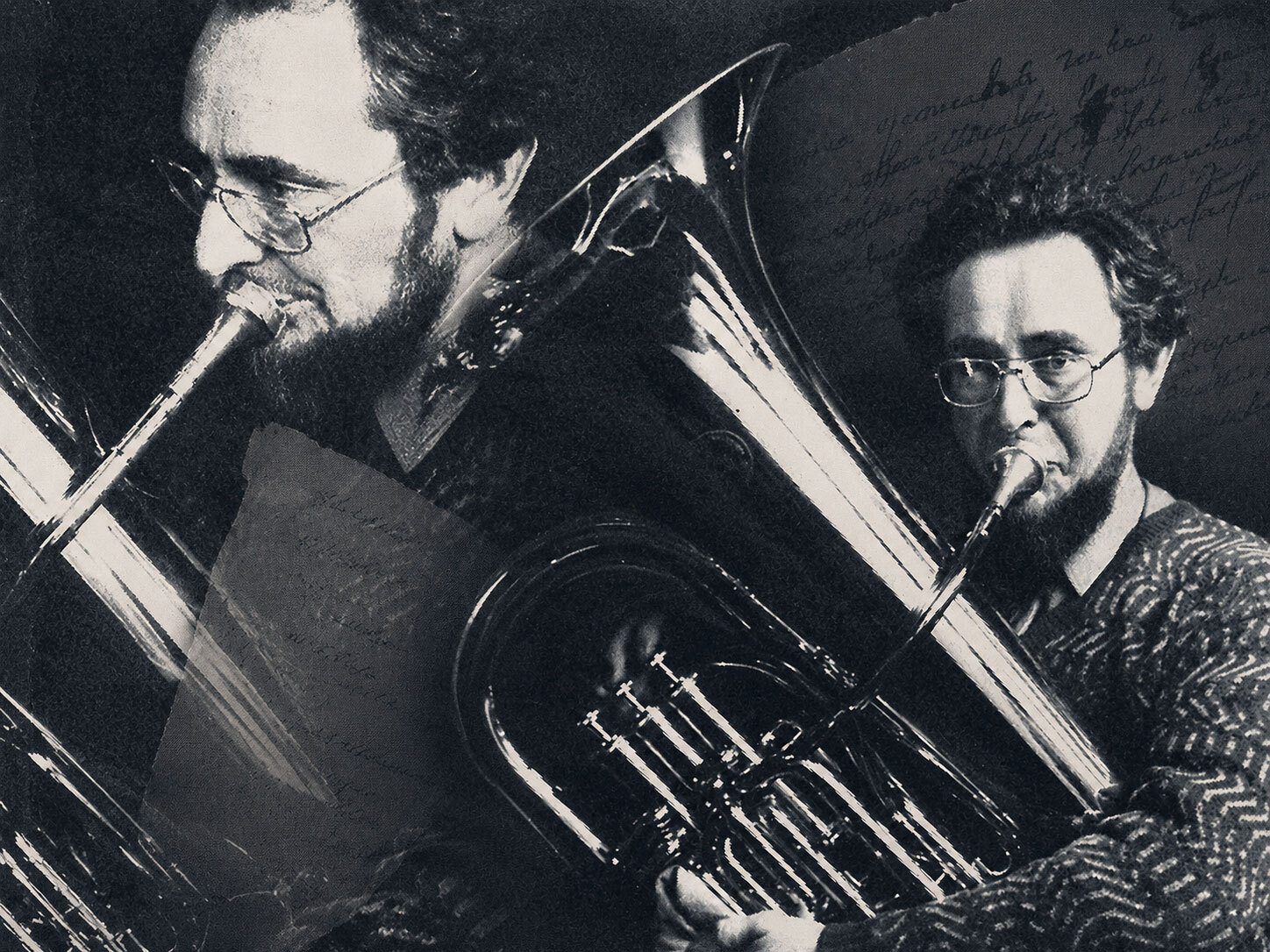
As brass instruments grew larger and louder, John Fletcher saw something being lost: the individual voice, clarity and character that make a player heard.
John Fletcher

John Fletcher

John Fletcher began playing the tuba when he was thirteen. After completing a degree in Natural Science and a Diploma in Education at Pembroke College, Cambridge, he played with the BBC Symphony Orchestra for four years before moving to the London Symphony Orchestra, where he has been ever since. He is familiar throughout the brass world as a member of the Philip Jones Brass Ensemble and has recorded the Vaughan Williams “Tuba Concerto” with the LSO and André Prévin. Additionally, many who would not recognise his name know his sound from the exciting tuba passages in “Star Wars”. A recent performance of the Edward Gregson “Tuba Concerto” with the Locke Brass Ensemble showed that in his combination of delicacy and power, technique and musicality, he remains unsurpassed. Despite this, or perhaps because of it, he is not entirely happy with what is happening, in Britain, to brass sound in general and tuba sound in particular. He told Tom Aitken why.


Since the Second World War it has been the fashion for all brass instruments to become very big. Until then, English brass sound had been well defined: of rather narrow bore nature but very vibrant and full of character, and, very broadly speaking, derived from France rather than Germany.

First of the bigger instruments to arrive were German horns, with their greater safety and fatness of sound, followed almost immediately by American trombones and, later, American trumpets, all considerably wider in bore, with greater possibilities for dynamic range and without the kind of blaring effect you get if you overblow small bore instruments.

The ecology of the orchestra changed. Stringed instruments haven’t really developed much, apart from slightly different placing of bridges and the use of metal strings: they’ve increased their volume only modestly. The woodwind have developed a little more, using softer reeds to produce a fatter, plummier sound. But the brass, in terms of volume and what I call shout level, have increased vastly more than that.

The biggest culprits of all, I would say, have been the timpani. They are the leader of the musical arms race, in which everybody uses bigger and bigger gear, to keep up, they say, with what else is happening.

That certainly was always my excuse. When I first came into the business I couldn’t make a big enough sound. I was deafened by everyone around me and I assumed it must be my fault. To catch up I first moved from F tuba to the E♭. Then I used larger mouthpieces. Then I went onto the C tuba, which — not so much because of wider bore but because of the slightly longer tube — gives you still more depth and grunt.

That’s how it’s happened in my corner, and I’ve been guilty along with other people. But, at the same time, I was very concerned about what we were losing in the process. The central ability to speak through the instrument, which is what all the greatest brass players have done in the past — and was what made them the special ones we actually wanted to listen to — has partly gone.

One reason for what happened in this country was the dry, bloodless acoustics of London’s Royal Festival Hall. In the best continental and American halls there’s a stunning difference. You don’t have to shout. You can play at far more realistic dynamic levels and actually do things with the sound, with note shapes, with the way you project. In the Festival Hall you are shouting, and when you shout — the analogy with the human voice is perfect — it sounds ugly, any kind of voice quality goes completely, and what you’re trying to say sounds objectionable even if it’s ‘I love you’.

In symphonic brass playing, encouraged by conductors who want it ever louder, I and my colleagues (whom I love and admire and respect) make a noise which we do not like because it has become the accepted thing.

I’m not talking about lack of dynamic range. (People are very good at pianissimo.) I’m concerned about actual character of sound.

Continue reading

Accedi all’edizione digitale completa.

Brass Bulletin 47, III / 1984 pagine 19–24

Tutti i contenuti sono protetti dal diritto d’autore © Brass Bulletin 1984–2026

Condividi questo articolo

Facebook LinkedIn
Loading…

Domande e risposte

Come funziona l’edizione digitale

Che cosa comprende l’edizione digitale?

L’edizione digitale riunisce gli articoli già digitalizzati sotto forma di testi leggibili e ricercabili online — non semplicemente come scansioni o file PDF — insieme alle illustrazioni originali, alle note, agli autori, alle informazioni sul numero della rivista e alle traduzioni disponibili. I suggerimenti di articoli correlati comprendono attualmente solo questo materiale digitalizzato.

Gli articoli digitali sono identici agli originali?

Conserviamo il più fedelmente possibile il testo originale, la lingua, le illustrazioni, le didascalie, le note e il contesto editoriale. La presentazione viene adattata per una lettura confortevole online e gli evidenti errori di trascrizione o scansione possono essere corretti. Il contenuto e il carattere dell’articolo pubblicato rimangono invariati.

Quali lingue sono disponibili?

Brass Bulletin è stato pubblicato in inglese, francese e tedesco nel corso di tutta la sua storia. Le traduzioni italiane e spagnole sono state aggiunte a partire dal numero 60. Sui siti italiano e spagnolo, gli articoli dei numeri da 1 a 59 vengono quindi mostrati in inglese per impostazione predefinita.

Con quale frequenza vengono aggiunti nuovi articoli?

Nuovi articoli vengono aggiunti quasi ogni giorno, con circa un numero completo digitalizzato ogni settimana. Il ritmo può variare in base al lavoro di preparazione, elaborazione delle immagini e verifica editoriale necessario.

Perché non tutti gli articoli sono disponibili in formato digitale?

La collezione completa di Brass Bulletin comprende 1.246 articoli pubblicati tra il 1971 e il 2003. L’indice completo è già disponibile online e consente di scoprire tutti gli articoli della collezione, compresi quelli il cui testo integrale non è ancora stato digitalizzato.

La digitalizzazione è iniziata nel febbraio 2026. Ogni articolo viene accuratamente preparato per la lettura online, verificato e collegato al relativo numero, agli autori, agli argomenti e alle illustrazioni. Al ritmo attuale di digitalizzazione, la collezione completa dovrebbe essere disponibile online entro febbraio 2028.

Perché alcuni riferimenti citano articoli che non sono ancora disponibili?

I riferimenti presenti negli articoli originali vengono conservati anche quando il materiale a cui rimandano non è ancora stato digitalizzato. In questo modo si preserva l’integrità storica ed editoriale della rivista. Man mano che nuovi numeri vengono aggiunti all’edizione digitale, un numero crescente di questi riferimenti condurrà ad articoli leggibili online.

Posso suggerire un articolo o segnalare un errore di trascrizione?

Sì. Se desiderate che un determinato articolo venga digitalizzato, oppure se notate un possibile errore di trascrizione o un’informazione mancante, contattateci. I riscontri dei lettori ci aiutano a migliorare l’edizione digitale e a stabilire priorità utili all’interno dell’archivio.

Come posso sostenere Brass Bulletin?

Il vostro sostegno contribuisce a finanziare la preparazione, la verifica e la pubblicazione online dell’intera collezione.

Abbonati all’Edizione digitale

Preferite sostenerci senza abbonarvi?

Fate una donazione

Come procede la digitalizzazione?

Stiamo rendendo Brass Bulletin disponibile online gradualmente, articolo per articolo. Potete leggere gli articoli appena digitalizzati non appena sono pronti, anche prima che un intero numero sia completato.

Consultate il nostro calendario di digitalizzazione per scoprire le ultime aggiunte e le date di disponibilità stimate dei prossimi numeri. Le stime si basano sul nostro ritmo recente e possono cambiare.

Cerca in Brass Bulletin.